Accidental Insulin Overdose: Recognition and Emergency Response
Learn how to recognize, respond to, and prevent accidental insulin overdoses safely.
Understanding Accidental Insulin Overdose
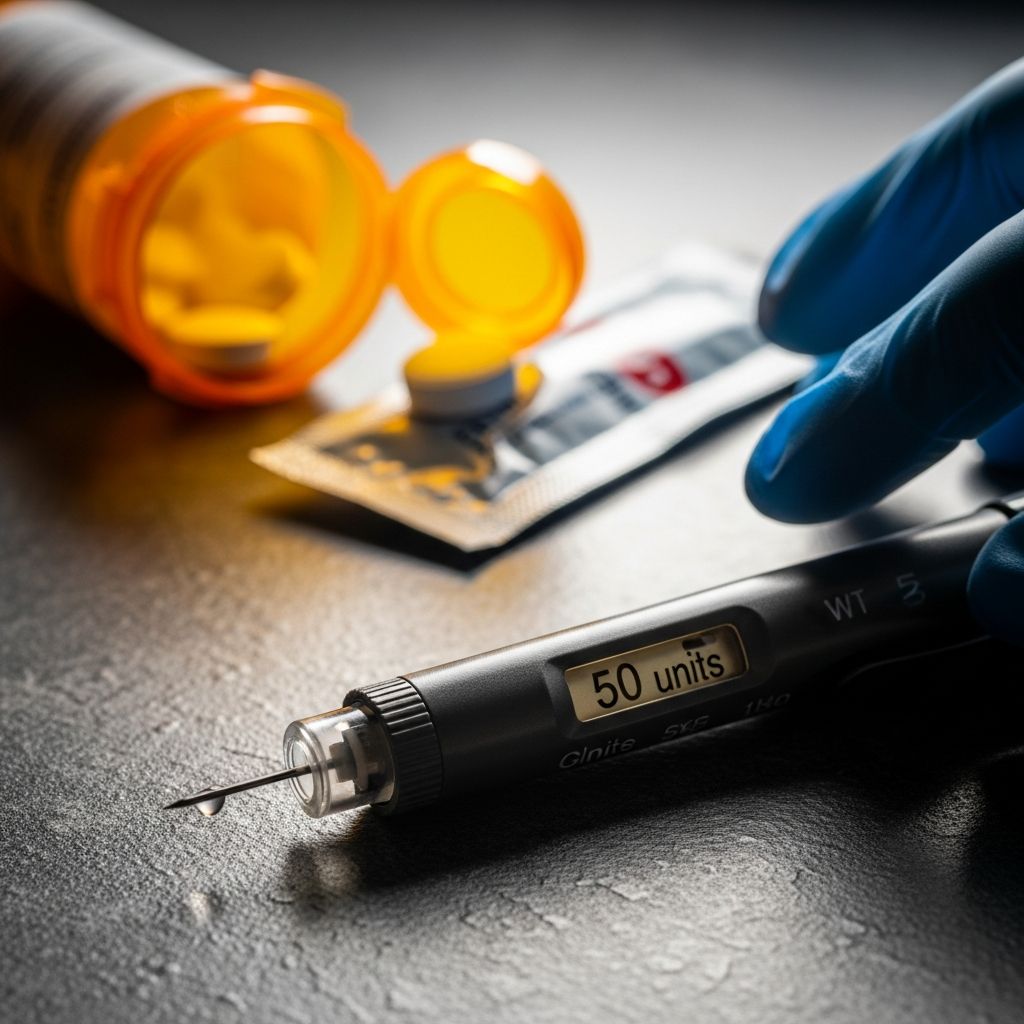
Accidentally taking more insulin than needed is a serious concern for people managing diabetes with insulin therapy. An insulin overdose can result in severe hypoglycemia (dangerously low blood sugar levels), which may cause disorientation, seizures, and in extreme cases, loss of consciousness or death. Understanding how overdoses occur, recognizing warning signs, and knowing the appropriate response can be lifesaving.
Common Causes of Accidental Insulin Overdose
Insulin overdoses occur through various mechanisms. Being aware of these common scenarios helps reduce your risk:
- Forgetting a previous injection and administering another dose before the scheduled time
- Becoming distracted while measuring or injecting, resulting in incorrect dosage
- Misunderstanding instructions with a new insulin product or delivery device
- Forgetting to eat after injecting insulin, or experiencing an unexpected delay in mealtime
- Engaging in vigorous exercise without adjusting the insulin dose accordingly
- Accidentally using someone else’s insulin dose
- Taking a morning insulin dose at night, or vice versa
- Miscalculating the carbohydrate content of a meal
- Difficulty reading numbers or gradations on insulin pens or syringes due to vision problems
- Injecting the same dose twice for a single meal
Immediate Steps If You’ve Taken Too Much Insulin
Quick action is essential when you suspect an insulin overdose. Immediate steps should include:
- Consume fast-acting carbohydrates immediately — Take glucose tablets, a sugary drink, or other rapid-acting carbohydrate sources without delay. If the insulin was administered more than 20 minutes ago, act quickly to prevent severe hypoglycemia.
- Monitor your blood sugar levels closely — Check your blood glucose regularly, as you could be at risk of hypoglycemia for several hours depending on the type and dose of insulin taken.
- Follow fast-acting carbs with slower-absorbed foods — After initial treatment with glucose tablets or sugary drinks, consume bread or other slower-digesting carbohydrates to prevent hypoglycemia from recurring later.
- Keep hypo treatments and starchy carbs available — Have glucose sources and longer-acting carbohydrates within reach during the monitoring period.
- Notify someone nearby — Inform a family member, friend, or colleague about the overdose so they can check on your condition periodically and provide assistance if needed.
When to Contact Your Healthcare Team
Professional medical guidance is crucial in most overdose situations. Contact your diabetes team or NHS 111 (if in the United Kingdom and it’s out of hours) as soon as possible. Your healthcare providers can assess the severity of your situation and provide personalized advice based on your specific insulin regimen and medical history.
You should contact medical professionals even if you manage initial symptoms, as they can monitor you for delayed effects and ensure you haven’t developed complications. Don’t hesitate to reach out to your diabetes helpline or online support forum for reassurance and guidance if you cannot immediately reach your healthcare team.
Emergency Situations Requiring Immediate A&E Attendance
Go to your local Accident and Emergency (A&E) department immediately if:
- You believe you have taken a very large insulin dose
- You are struggling to manage your blood sugar levels and need urgent help
- You are experiencing severe symptoms such as loss of consciousness, seizures, or severe disorientation
- Your symptoms are not responding to home treatment with carbohydrates
- You or someone around you calls 911 (in the United States) or emergency services in your country
In emergency situations, medical professionals may administer intravenous dextrose and electrolyte solutions to rapidly correct severe hypoglycemia. If someone loses consciousness due to insulin overdose, emergency medical help should be called immediately, and glucagon should be administered by a trained bystander if available.
Related Stories



Understanding Different Insulin Types and Their Overdose Risks
The severity and duration of hypoglycemia depend significantly on which type of insulin was taken in excessive quantities. Understanding these differences helps you anticipate how long you need to monitor your condition:
Basal (Long-Acting) Insulin Overdose
Basal insulins work more slowly than rapid-acting insulins, meaning blood glucose levels will take longer to fall dangerously low. However, the risk of hypoglycemia persists for an extended period, typically lasting approximately 12 to 18 hours. This prolonged risk window requires extended monitoring and careful management. You must continue taking your regular basal insulin doses as scheduled, even after an overdose, as skipping doses may result in ketoacidosis occurring several hours later.
Bolus (Rapid-Acting) Insulin Overdose
Bolus insulins work quickly and typically last between 3 to 5 hours. You may experience hypoglycemic symptoms quite soon after the overdose, and these hypoglycemic episodes may require more intensive treatment than usual. Rapid recognition and prompt carbohydrate consumption are particularly important with this insulin type.
Taking the Wrong Type of Insulin
Confusion between insulin types represents another serious overdose risk. If you accidentally inject your long-acting (basal) insulin when you intended to use rapid-acting (bolus) insulin, or vice versa, specific management steps apply:
- Monitor your blood glucose levels closely throughout the expected duration of the injected insulin type
- Consume extra carbohydrates if necessary to prevent hypoglycemia
- Contact your healthcare team or NHS 111 for specific guidance
- In emergencies where blood sugar management becomes difficult, attend your local A&E
The duration and intensity of monitoring depend entirely on which insulin type was incorrectly administered and in what quantity.
Symptoms of Hypoglycemia from Insulin Overdose
Recognizing symptoms of low blood sugar is essential for prompt treatment. Hypoglycemic symptoms typically develop between 20 minutes and 10 hours after excessive insulin intake, depending on insulin type. Common signs include:
- Shaking and trembling
- Sweating
- Rapid or racing heartbeat
- Anxiety and nervousness
- Difficulty concentrating
- Blurred vision
- Dizziness
- Headache
- Hunger
- Irritability or mood changes
- Tingling sensation around the mouth
- Slurred speech
- Confusion or disorientation
- Loss of consciousness or seizures in severe cases
Prevention Strategies for Accidental Overdose
While accidents can happen, implementing preventive measures significantly reduces overdose risk:
Device and Medication Management
- Read all packaging carefully — Misreading labels on insulin vials, pens, or syringes can lead to overdoses, particularly with new products. Always verify you have the correct insulin before injection.
- Understand your devices — Familiarize yourself completely with your insulin pen, syringe, or pump before using it. Ask your healthcare provider or pharmacist to clarify anything unclear.
- Keep different insulin types separate — Store basal and bolus insulins in clearly labeled, separate locations to prevent confusion.
- Use a checklist system — Create a simple checklist to verify you’re using the correct insulin at the correct time.
Meal and Activity Planning
- Plan meals in advance and eat on schedule after injecting rapid-acting insulin
- Adjust insulin doses before vigorous exercise to prevent hypoglycemia
- Inform others in your household when you’ve injected insulin so they can remind you to eat
Health Considerations
- Address vision problems with appropriate eyeglasses or contact lenses to accurately read insulin doses
- If you have memory impairment or dementia, ask family members or carers to supervise insulin administration
- Be especially cautious if you’re elderly, as reduced vision and memory changes increase overdose risk
Additional Risk Factors for Overdose
Certain situations increase your vulnerability to accidental insulin overdose. These include missing scheduled meals, vomiting after insulin injection, excessive alcohol consumption, memory impairment, dementia, and decreased vision. Understanding your personal risk factors allows you to implement targeted prevention strategies and remain especially vigilant during vulnerable periods.
Frequently Asked Questions
Q: How long do I need to monitor my blood sugar after an insulin overdose?
A: Monitoring duration depends on the insulin type. For rapid-acting insulin, monitor for 3-5 hours after injection. For long-acting basal insulin, continue monitoring for 12-18 hours, as the risk of hypoglycemia persists throughout this extended period.
Q: What should I do if I can’t reach my diabetes team?
A: If it’s out of hours in the UK, contact NHS 111 for advice. If you’re in the United States, call 911 in emergencies. You can also contact your diabetes helpline or online support forum for reassurance and guidance. However, if you’re experiencing severe symptoms, go directly to your nearest emergency department.
Q: Is it dangerous to skip my regular basal insulin dose if I’ve overdosed?
A: No, you should continue taking your basal insulin as scheduled. Skipping basal doses after an overdose may result in ketoacidosis developing several hours later, which is another serious complication.
Q: What’s the difference between treating a rapid-acting versus long-acting insulin overdose?
A: Both require immediate fast-acting carbohydrate consumption followed by slower-digesting foods. However, rapid-acting insulin overdoses typically resolve within 3-5 hours, while long-acting insulin overdoses require monitoring for 12-18 hours. Long-acting overdoses develop more slowly but last much longer.
Q: Can I treat an insulin overdose at home, or do I always need medical help?
A: Many mild insulin overdoses can be managed at home with prompt carbohydrate consumption and close blood sugar monitoring. However, you should always contact your diabetes team or healthcare provider for guidance. Seek emergency care if you have a very large overdose, severe symptoms, or symptoms that don’t respond to home treatment.
Q: What should I tell emergency responders about an insulin overdose?
A: Tell them the type of insulin taken, the approximate dose, when it was administered, and your current blood sugar level if you know it. This information helps medical professionals provide appropriate treatment, which may include intravenous dextrose administration.
Q: Are some insulin preparations more prone to accidental overdose than others?
A: High-strength insulin formulations carry particular overdose risks, especially when administered via unfamiliar devices. Always ensure you understand your specific insulin concentration and delivery device before use.
References
- Insulin overdose (accidental) – Diabetes UK — Diabetes UK. https://www.diabetes.org.uk/about-diabetes/looking-after-diabetes/treatments/insulin/accidental-overdose
- What are the signs of insulin overdose? — Healthline. https://www.healthline.com/health/diabetes/insulin-overdose
- Insulin Overdose – Symptoms, Causes, Treatments & Prevention — Diabetes.co.uk. https://www.diabetes.co.uk/insulin/insulin-overdosage.html
- Administering high-strength insulin from a pen device in hospital — Health and Safety Investigation Branch (HSIB). https://www.hssib.org.uk/patient-safety-investigations/administering-high-strength-insulin-from-a-pen-device-in-hospital/investigation-report/
- Insulin overdose: Dosage, symptoms, and treatment — Medical News Today. https://www.medicalnewstoday.com/articles/317300
- The Other Face of Insulin—Overdose and Its Effects — PMC (PubMed Central). https://pmc.ncbi.nlm.nih.gov/articles/PMC8955302/
Similar Articles








Read full bio of medha deb