Accutane Side Effects: Expert Tips For Safe Management
Learn about the common, serious, and long-term side effects of Accutane (isotretinoin) for severe acne treatment and how to manage them safely.
Accutane, known generically as isotretinoin, is a powerful oral medication prescribed for severe, treatment-resistant acne. It works by dramatically reducing oil production in the skin, unclogging pores, killing bacteria, and decreasing inflammation, often leading to long-term remission. However, its potency comes with a range of side effects, from mild and manageable to rare but serious ones requiring immediate attention. Understanding these effects is crucial for anyone considering or currently taking this medication, as regular monitoring by a healthcare provider is essential.
While many patients experience significant skin clearing, initial worsening of acne (known as a flare-up) can occur in the first few weeks. Dermatologists typically recommend moisturizers, lip balms, and sun protection to mitigate common issues like dryness. This article covers all key aspects of Accutane side effects, drawing from clinical studies and expert guidelines to help you make informed decisions.
What Is Accutane (Isotretinoin)?
Accutane is a retinoid derived from vitamin A, approved by the FDA for nodulocystic acne that hasn’t responded to other treatments. Taken daily for 4-6 months, it targets the root causes of acne: excess sebum, clogged pores, bacteria, and inflammation. A typical course totals 120-150 mg/kg body weight, after which 80-90% of patients achieve lasting results. Due to its risks, it’s only available through the iPLEDGE program in the U.S., mandating monthly pregnancy tests for females and contraception counseling.
Isotretinoin shrinks sebaceous glands, normalizes skin cell turnover, and has anti-inflammatory properties. While highly effective, its systemic effects impact the entire body, explaining the broad side effect profile.
Common Side Effects of Accutane
The most frequent side effects are mucocutaneous, affecting skin and mucous membranes, occurring in over 90% of users. These are dose-related and usually resolve after treatment ends.
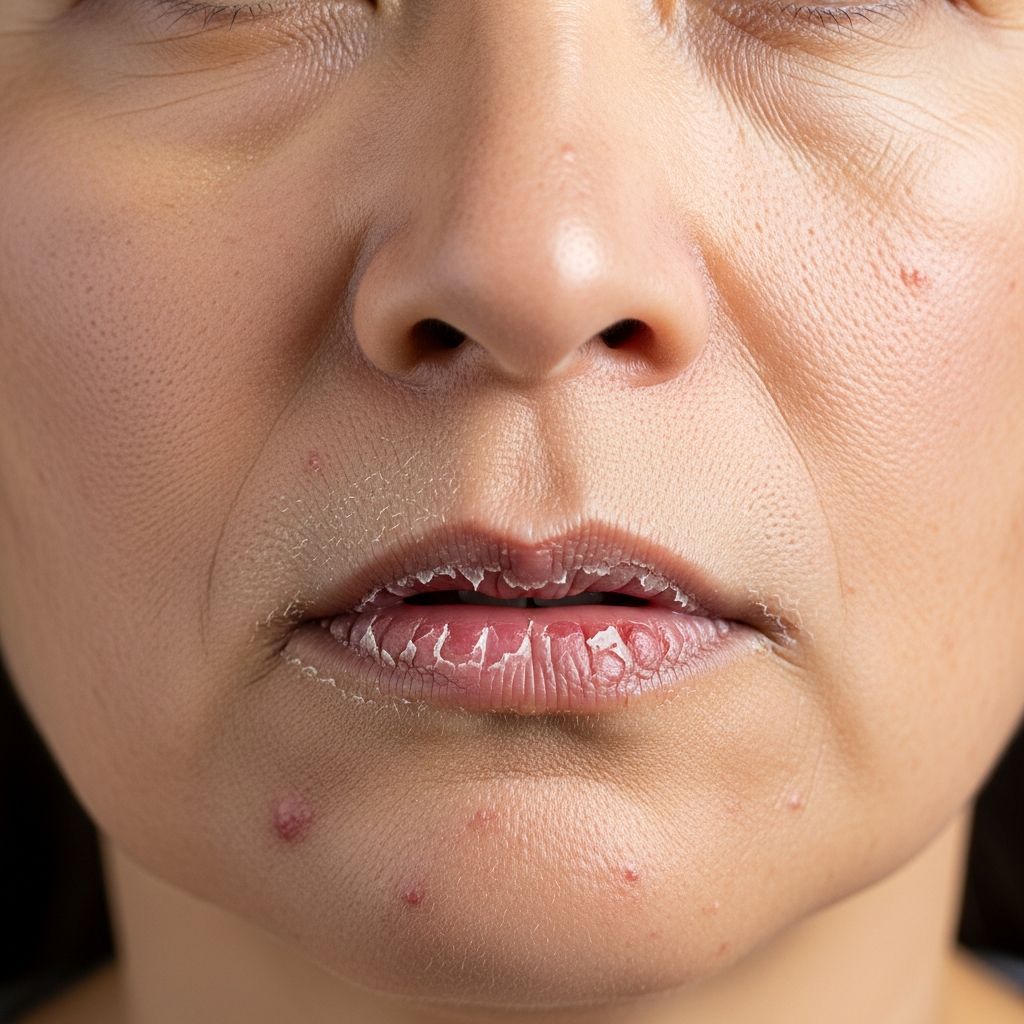
- Dry skin and lips: Nearly all patients experience chapped lips and xerosis (dry skin), which can lead to cracking and irritation. Use fragrance-free moisturizers like CeraVe or Aquaphor liberally.
- Dry eyes and nose: Dry ocular surfaces cause discomfort, blurred vision, or contact lens intolerance. Artificial tears help; nosebleeds from dry nasal passages are common—use saline sprays.
- Skin sensitivity: Increased photosensitivity raises sunburn risk; broad-spectrum SPF 30+ sunscreen is mandatory. Avoid tanning beds.
- Musculoskeletal aches: Back, joint, or muscle pain affects 15-20% of users, especially during physical activity. These are usually mild and reversible.
Other common issues include itching, fragile skin, thinning hair, rashes, headaches, and digestive upset like nausea or constipation. A 2022 study noted these as expected with lower doses. Management involves hydration, gentle skincare, and over-the-counter remedies.
Serious Side Effects of Accutane
Though less common (affecting <10%), serious side effects demand vigilance. Monthly blood tests monitor liver enzymes, lipids, and blood counts.
- Pseudotumor cerebri (increased intracranial pressure): Rare but life-threatening, symptoms include severe headaches, vision changes, nausea, dizziness, or seizures. Seek emergency care immediately.
- Gastrointestinal issues: Reports of inflammatory bowel disease (IBD), Crohn’s, or colitis exist, but recent studies show no causal link. Watch for severe abdominal pain, bloody diarrhea, or jaundice.
- Metabolic changes: Elevated triglycerides, cholesterol, or blood sugar; rare hepatitis or pancreatitis. Fasting lipid panels are routine.
- Vision and hearing: Decreased night vision or tinnitus; get baseline eye exams.
Related Stories



Sexual dysfunction reports are anecdotal; more research is needed.
Mental Health and Accutane: What the Research Says
Early concerns linked isotretinoin to depression, anxiety, and suicidality, but evidence is mixed. Severe acne itself burdens mental health, with higher baseline depression rates.
A 2022 UK study of over 200,000 patients found no increased neuropsychiatric risk with isotretinoin vs. antibiotics or topicals (OR 0.80-1.06). Physical side effects like dry skin or pain may mimic or exacerbate mood issues. A 2019 JAAD study showed improved depression scores post-treatment.
Monitor for mood changes, irritability, or hallucinations. JAMA Dermatology notes rare cases but emphasizes pre-treatment screening. Clinicians should address acne’s psychosocial impact alongside drug risks.
Accutane and Pregnancy: Critical Risks
Isotretinoin is highly teratogenic, causing miscarriage, birth defects, or fetal deformities like microcephaly and hydrocephalus if taken during pregnancy. It crosses the placenta rapidly.
The iPLEDGE program requires two contraception forms, monthly negative pregnancy tests, and no blood/tissue donation for 30 days post-treatment. Avoid breastfeeding for at least 8 days after the last dose. Even one pill in pregnancy poses risks—emergency contraception counseling is advised.
Long-Term Side Effects of Accutane
Most effects resolve within weeks, but some persist:
- Skin improvements: Continue for months post-treatment.
- Hair thinning or scarring: Rare, usually temporary.
- Vision changes: Night vision may not fully recover in isolated cases.
- Bone/joint issues: Hyperostosis or calcification in long-term high-dose users, but uncommon.
- Metabolic: Lipid elevations normalize; diabetes risk unproven.
Long-term blood count drops or IBD links lack confirmation. Annual check-ups are recommended for former users with concerns.
Side Effects After Stopping Accutane
Common symptoms like dryness fade in days to weeks. Skin may continue clearing for 6-8 weeks. Persistent issues (e.g., vision loss) are rare but warrant follow-up. Acne relapse occurs in 20-30%, sometimes requiring a second course.
| Side Effect | During Treatment | After Stopping |
|---|---|---|
| Dry skin/lips | Universal | 1-4 weeks |
| Muscle pain | Common | Days-weeks |
| Lipid changes | Monitored | 1-2 months |
| Mental health | Variable | Resolves or improves |
Who Should Avoid Accutane?
- Pregnant or planning pregnancy.
- History of IBD, severe liver disease, or hyperlipidemia.
- Mental health instability without support.
- Children under 12 (limited data).
Alternatives include spironolactone, topicals, or antibiotics.
Monitoring and Management Tips
Attend monthly visits for labs and exams. Hydrate (2-3L/day), use gentle products, and report new symptoms promptly. Benefits often outweigh risks for severe acne.
Frequently Asked Questions (FAQs)
What are the most common Accutane side effects?
Dry lips, skin, eyes, and nosebleeds top the list, affecting nearly everyone. Moisturize frequently.
Does Accutane cause depression?
Large studies show no increased risk beyond acne’s impact; some report mood improvement.
Can I get pregnant on Accutane?
No—it’s strictly contraindicated due to severe birth defects. Follow iPLEDGE strictly.
How long do side effects last after stopping?
Most resolve in weeks; skin improves longer-term.
Is Accutane worth the side effects?
For severe acne unresponsive to others, yes—80% achieve remission with proper monitoring.
References
- What Are the Side Effects of Isotretinoin (Accutane) on the Body? — Healthline. 2023-05-15. https://www.healthline.com/health/accutane-side-effects-on-the-body
- Severe acne medicine isotretinoin: What are the risks? — Novant Health. 2024-02-20. https://www.novanthealth.org/healthy-headlines/severe-acne-medicine-isotretinoin-what-are-the-risks
- Isotretinoin and adverse neuropsychiatric outcomes. — PubMed Central (PMC). 2022-10-12. https://pmc.ncbi.nlm.nih.gov/articles/PMC9543533/
- Isotretinoin for Treatment of Acne. — JAMA Dermatology. 2024-06-01. https://jamanetwork.com/journals/jamadermatology/fullarticle/2810450
- Physiological and Psychological Effects of Isotretinoin in Acne Patients. — Taylor & Francis (Clinical, Cosmetic and Investigational Dermatology). 2024-01-10. https://www.tandfonline.com/doi/full/10.2147/CCID.S416267
Similar Articles








Read full bio of Sneha Tete