Acenocoumarol – an anticoagulant (Sinthrome)
Comprehensive guide to Acenocoumarol (Sinthrome®): uses, dosage, side effects, and essential patient advice for safe anticoagulant therapy.
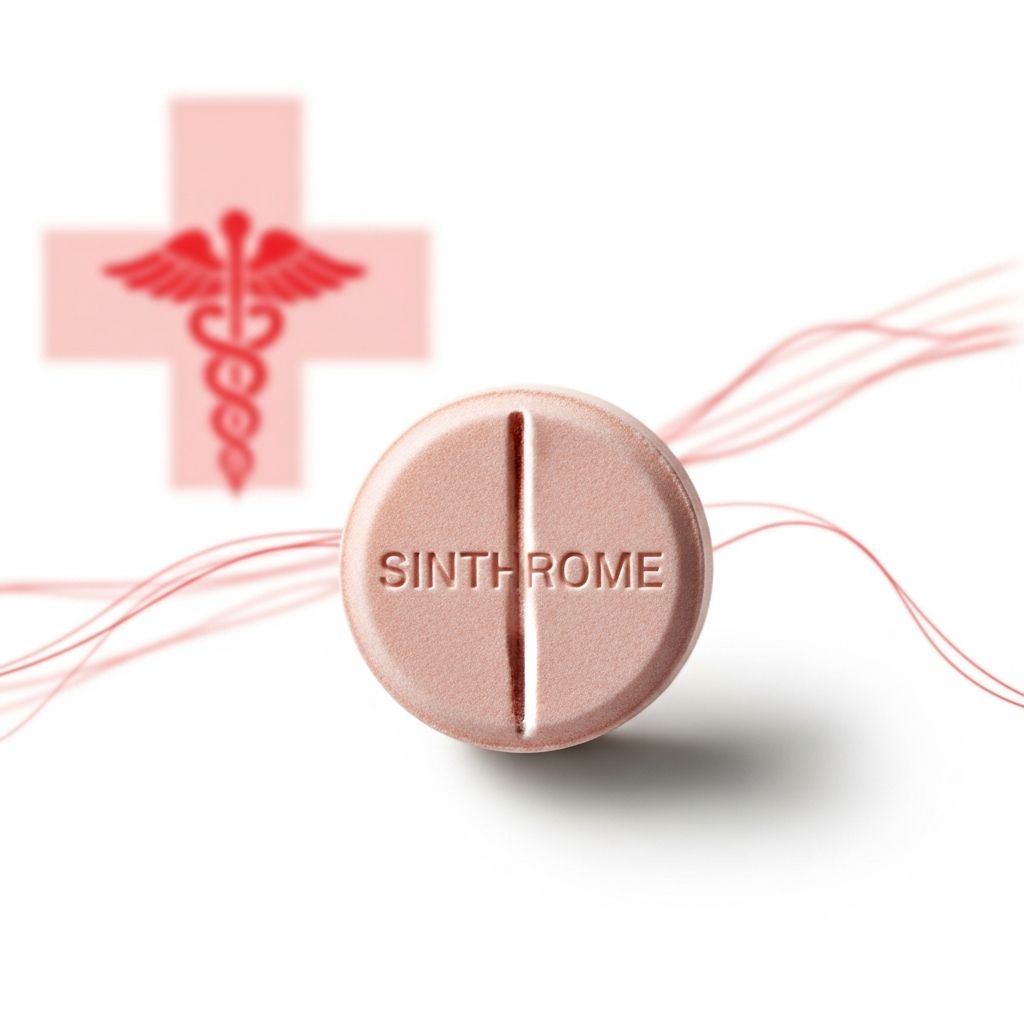
Acenocoumarol is an anticoagulant medication prescribed to treat existing blood clots or prevent new ones in at-risk patients. It works by interfering with vitamin K, prolonging blood clotting time to reduce clot formation risks in conditions like atrial fibrillation or after heart valve replacement.
| Type of medicine | Used for | Also called | Available as |
|---|---|---|---|
| An anticoagulant | Prevention and treatment of harmful blood clots | Sinthrome® | Tablets |
About acenocoumarol
Acenocoumarol, marketed as Sinthrome®, belongs to the coumarin class of oral anticoagulants. It inhibits vitamin K epoxide reductase, blocking the regeneration of vitamin K needed for synthesizing clotting factors II, VII, IX, and X. This reduces thrombin generation and clot thrombogenicity, effectively preventing thromboembolic events.
Clinically, it treats and prevents deep vein thrombosis (DVT), pulmonary embolism (PE), cerebral embolism, thromboembolism post-infarction, transient ischemic attacks, and myocardial infarction management. It is often chosen when warfarin is unsuitable due to intolerance or other factors.
A yellow ‘Oral Anticoagulant Therapy’ booklet is provided to patients, detailing treatment protocols, blood test schedules, and emergency contacts. An Anticoagulant Alert Card must be carried at all times for medical emergencies.
Diet significantly impacts efficacy; consistent vitamin K intake is crucial, avoiding cranberry juice which potentiates effects. Regular INR monitoring ensures therapeutic levels (typically 2.0-3.5 depending on indication).
Before taking acenocoumarol
Inform your doctor of allergies to acenocoumarol or coumarins (e.g., warfarin), pregnancy, breastfeeding, or plans for these. Do not use if you have active bleeding, recent hemorrhagic stroke, uncontrolled hypertension, peptic ulcers, recent major surgery (especially spine, brain, eyes), bleeding disorders, or pericarditis.
Cautions include liver/kidney impairment, recent strokes, high blood pressure, or conditions raising bleeding risk like stomach ulcers. Interactions abound with antibiotics, antifungals, NSAIDs, aspirin (unless prescribed), and herbal supplements like St. John’s wort.
- Check with your doctor if: You have cuts/wounds, recent surgery, liver/kidney issues, hypertension, or bleeding risks.
- Avoid alcohol excess, as it heightens bleeding risk.
- Genetic factors (e.g., CYP2C9, VKORC1 variants) may influence dosing; specialist advice recommended for warfarin-intolerant patients.
How to take acenocoumarol
Take once daily at the same time for steady blood levels. Swallow tablets whole with water; dose varies (initially 2-4 mg/day for adults, adjusted by INR)[10]. Maintenance often 1-10 mg daily, personalized via blood tests.
Missed dose: Take if remembered same day; skip if next day, resume schedule. Inform clinic at next test.
Treatment duration: 6 weeks to 3 months typically, long-term for chronic risks like atrial fibrillation.
Getting the most from your treatment
Regular INR blood tests monitor clotting (target INR per condition, e.g., 2.5 for most). Frequency starts weekly, reduces to monthly/less. Dose adjustments maintain therapeutic range without bleeding.
Carry your yellow booklet and alert card. Inform all healthcare providers (dentists, surgeons) of treatment; may pause for procedures, switching to heparin injections.
Diet tips:
- Maintain steady vitamin K intake (leafy greens); sudden changes affect INR.
- Avoid cranberry juice/products.
- Limit alcohol.
Related Stories



Pain relief: Paracetamol preferred; avoid aspirin/NSAIDs unless prescribed.
Side-effects
Bleeding is primary risk (80% cutaneous, 52% hematuria); monitor for bruises, nosebleeds, blood in urine/stool, heavy periods, vomiting blood.
| Common side effects | Rare/Serious | Action |
|---|---|---|
| Bruising, minor bleeding | Severe bleeding, stroke symptoms | Contact doctor immediately |
| Nosebleeds <10 min | Black/red stools, hematuria | Seek urgent care |
| – | Dizziness, rash, chest pain | Emergency if head injury/fall |
Report unusual bruising, prolonged bleeding, headaches post-injury. Overdose symptoms dose-dependent; antidote vitamin K.
How to cope with side effects
- Bleeding concerns: Use soft toothbrush, electric razor; avoid contact sports.
- Mild bruising: Monitor; seek advice if worsening.
- Diet consistency prevents fluctuations.
- Regular tests catch issues early.
Precautions
Avoid new medications without advice; test INR 5-7 days post-change. No blood donation. Inform before vaccinations/surgeries.
Common questions
Why regular blood tests?
INR measures clotting efficacy; guides dosing.
Diet restrictions?
Consistent vitamin K; no cranberries.
Pregnancy safe?
No; teratogenic risk.
Alcohol okay?
Moderate; excess increases bleeding.
Can I drive?
Yes, unless dizzy/bleeding affects.
Frequently Asked Questions (FAQs)
Q: What if I miss a dose?
Take same day if remembered; skip otherwise, resume next dose. Note for clinic.
Q: How does acenocoumarol differ from warfarin?
Similar mechanism; shorter half-life, used if warfarin unsuitable.
Q: What foods affect treatment?
High vitamin K foods (kale, spinach) if intake varies; keep steady.
Q: When to seek emergency help?
Heavy bleeding, blood in stool/urine, severe headache post-fall, stroke signs.
Q: Long-term use safe?
Yes, with monitoring; prevents clots in high-risk patients.
References
- Acenocoumarol – an anticoagulant (Sinthrome) — Patient.info. 2023. https://patient.info/medicine/acenocoumarol-an-anticoagulant-sinthrome
- Acenocoumarol: Uses, Interactions, Mechanism of Action — DrugBank Online. 2024-01-15. https://go.drugbank.com/drugs/DB01418
- Oral anticoagulant therapy with warfarin, phenindione or acenocoumarol — Cambridge University Hospitals NHS. 2023-05-10. https://www.cuh.nhs.uk/patient-information/oral-anticoagulant-therapy-with-warfarin-phenindione-or-acencoumarol/
- Acenocoumarol (AMBER): Background information — BSW Together. 2024. https://bswtogether.org.uk/medicines/documents/acenocoumarol-information-for-healthcare-professionals/
- Sinthrome® 1 mg Tablets Acenocoumarol (PIL) — Medicines.org.uk (MHRA). 2023-11-20. https://www.medicines.org.uk/emc/files/pil.2058.pdf
- Anticoagulant treatment, Vitamin K and Diet — Clinic Barcelona. 2023. https://www.clinicbarcelona.org/en/news/anticoagulant-treatment-vitamin-k-and-diet
Similar Articles








Read full bio of Sneha Tete