Acerola Cherry Benefits: Vitamin C Powerhouse
Discover acerola cherry's exceptional vitamin C content and immune-boosting properties for optimal health.
Acerola Cherry Benefits: Unlocking the Power of Nature’s Vitamin C Powerhouse
Acerola cherry, scientifically known as Malpighia emarginata, is a small tropical fruit that has gained significant attention in the health and wellness community. This remarkable berry is renowned for its exceptional nutrient density, particularly its extraordinary concentration of vitamin C. Understanding the benefits of acerola cherry can help you make informed decisions about incorporating this superfruit into your daily wellness routine.
What Is Acerola Cherry?
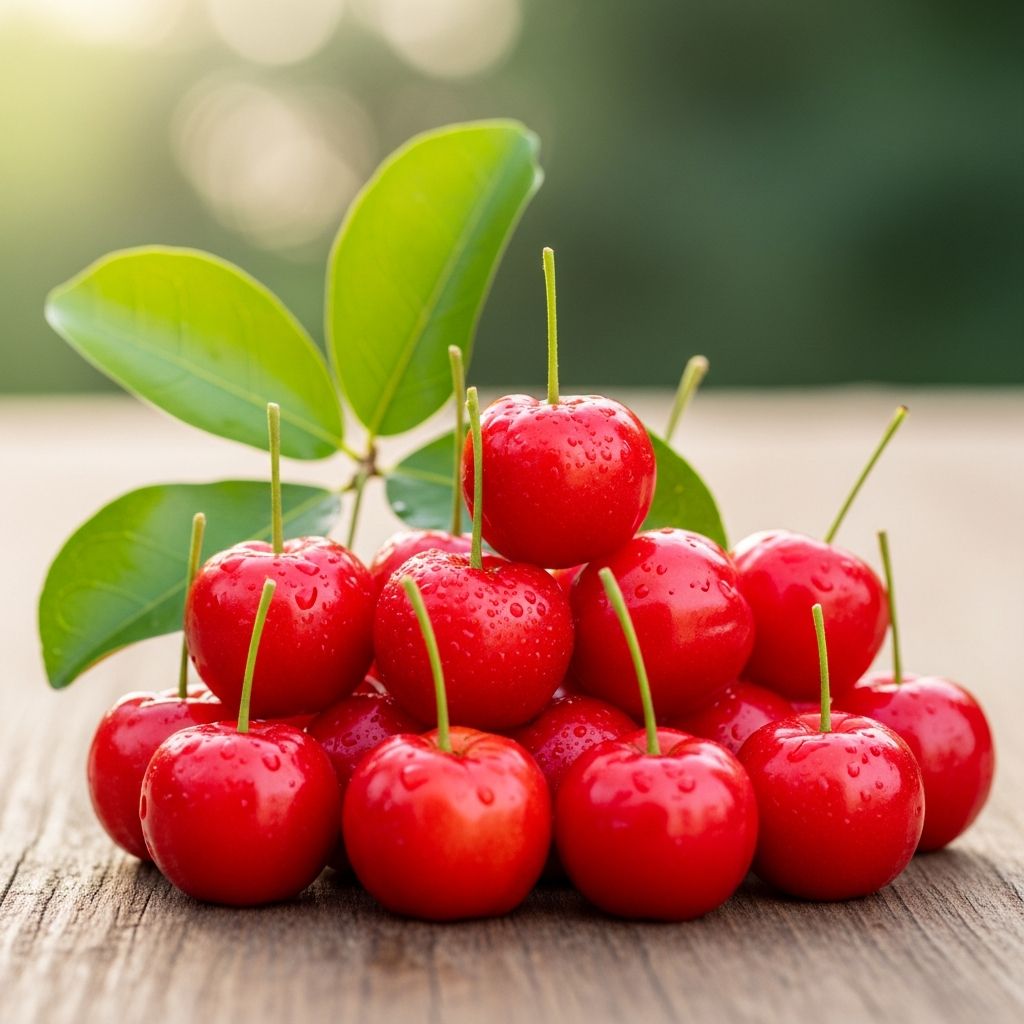
Acerola cherry is a bright red fruit native to South and Central America, though it is now cultivated in tropical regions worldwide, including Brazil, which is the largest producer. The fruit is small, typically the size of a cherry, and contains a soft pulp with a tart, slightly acidic flavor. Unlike common cherries, acerola cherries have a unique nutrient profile that makes them stand out among other fruits.
The fruit has been used traditionally in Brazilian medicine as a nutritional supplement for individuals with anemia, cardiovascular disease, and liver disease. Its popularity has grown significantly as scientific research continues to validate its health-promoting properties.
Why Is Acerola Cherry So Rich in Vitamin C?
The most remarkable characteristic of acerola cherry is its extraordinarily high vitamin C content. The fruit contains between 1,500 to 4,500 milligrams of ascorbic acid per 100 grams, which translates to approximately 50 to 100 times more vitamin C than oranges or lemons. This exceptional concentration makes acerola cherry one of the richest natural sources of ascorbic acid available.
It is important to note that vitamin C content decreases as the fruit ripens, which means that acerola cherry loses its nutritional potency very quickly after ripening. This is why acerola is often available in powdered, extracted, or supplemental forms to preserve its nutrient density.
Key Health Benefits of Acerola Cherry
1. Immune System Support
One of the most well-documented benefits of acerola cherry is its ability to support immune function. Vitamin C is essential for maintaining a healthy immune system, as it stimulates the production of white blood cells, including lymphocytes, phagocytes, and T-cells, which are crucial for fighting infections and illnesses.
Beyond its vitamin C content, acerola cherry contains potent antioxidants and phytonutrients—including carotenoids, phenolics, flavonoids, and anthocyanins—that work synergistically to enhance immune response by activating immune cells. Research has demonstrated that adequate vitamin C intake can help reduce the duration of colds and viral infections by up to 20 percent.
2. Collagen Production and Skin Health
Vitamin C plays a crucial role in collagen synthesis, the primary structural protein responsible for maintaining skin elasticity, firmness, and youthful appearance. Acerola cherry’s high vitamin C content directly supports the body’s natural collagen production, which declines with age.
Additionally, acerola cherry acts as a powerful antioxidant, protecting skin cells from oxidative stress and free radical damage. This combination makes acerola cherry an excellent choice for individuals seeking to maintain healthy skin, promote skin elasticity, and reduce the appearance of aging. The fruit also contains carotenoids and other phytonutrients that contribute to skin whitening effects and anti-aging properties.
Related Stories



3. Antioxidant Protection
Acerola cherry is a reservoir of potent antioxidants that combat free radicals and oxidative stress—key contributors to chronic disease development. Beyond ascorbic acid, the fruit contains phenolics, carotenoids, and anthocyanins, which work collectively to neutralize harmful free radicals and protect cellular integrity.
The antioxidant capacity of acerola cherry is exceptionally high, making it a promising candidate for combating various diseases associated with oxidative stress, including cardiovascular disease and certain types of cancer.
4. Cardiovascular Health
The antioxidants present in acerola cherry contribute to cardiovascular health through multiple mechanisms. Vitamin C improves blood vessel function and promotes vasodilation, helping to lower blood pressure—a significant risk factor for heart disease. Additionally, vitamin C helps maintain healthy cholesterol levels by reducing the oxidation of LDL (bad) cholesterol, which is a major contributor to arterial plaque buildup.
The antioxidants in acerola cherry also help reduce chronic inflammation, which is intrinsically linked to increased cardiovascular disease risk. By supporting healthy blood vessel function and reducing inflammation, acerola cherry may play a protective role in maintaining heart health.
5. Brain Health and Cognitive Function
Acerola cherry contains significant levels of anthocyanins, which are neuroprotective plant compounds that help protect the brain from oxidative stress and free radical damage. These compounds have been shown to reduce the risk of memory loss and associated cognitive decline.
The fruit’s ability to reduce inflammation and oxidation in the brain helps maintain the health of brain cells and neurons, supporting overall cognitive function and mental clarity. Some studies suggest that the antioxidants and ascorbic acid in acerola cherry may enhance focus and cognitive performance.
6. Hair, Skin, and Nail Health
Beyond collagen production, vitamin C is essential for maintaining the structural integrity of hair, skin, and nails. Acerola cherry’s exceptional vitamin C concentration provides comprehensive support for these tissues, promoting strong nails, healthy hair growth, and vibrant skin.
Individuals experiencing signs of vitamin C deficiency—such as severe fatigue, rough or dry skin, easy bruising, and painful joints—may benefit significantly from increasing their acerola cherry intake.
7. Athletic Performance and Recovery
For athletes and active individuals, acerola cherry offers several performance-enhancing benefits. Vitamin C helps reduce muscle soreness and inflammation following intense exercise, potentially leading to faster recovery and improved athletic performance. Additionally, intense exercise can temporarily suppress immune function, making athletes more susceptible to infections. The vitamin C and antioxidants in acerola cherry help support and maintain a healthy immune system during periods of high physical stress.
8. Digestive Support
Acerola cherry contains dietary fiber, which supports healthy digestion and promotes regular bowel function. The fruit also contains phytonutrients and flavonoids that help calm inflammation and nurture a balanced gut environment. Combined with adequate hydration, acerola cherry may help prevent digestive sluggishness and promote an energized feeling.
The astringent properties of acerola cherry may also be beneficial for addressing certain digestive issues and promoting overall gastrointestinal health.
Nutritional Composition of Acerola Cherry
Beyond its remarkable vitamin C content, acerola cherry is a nutrient-dense food containing a comprehensive array of essential vitamins and minerals:
- Vitamin A: Important for vision, immune function, and skin health
- Carotenoids: Powerful antioxidants that protect against oxidative stress
- Flavonoids: Plant compounds with anti-inflammatory and antioxidant properties
- Anthocyanins: Neuroprotective compounds that support brain health
- Phenolics: Antioxidants that combat free radical damage
- Iron: Essential for oxygen transport and energy production
- Phosphorus: Important for bone health and cellular function
- Calcium: Critical for bone strength and muscular function
Forms and Consumption Methods
Acerola cherry is available in various forms to suit different preferences and dietary needs:
- Fresh Fruit: Available in tropical regions; highly perishable due to rapid ripening
- Powder: Concentrated form that preserves vitamin C content; easily mixed into smoothies and beverages
- Supplements: Capsules or tablets providing standardized vitamin C amounts
- Extract: Concentrated liquid form offering high bioavailability
- Juice: Pressed juice available fresh or frozen
Research-Backed Benefits vs. Emerging Claims
While acerola cherry’s role as a vitamin C source and natural supplement is strongly supported by scientific research, it is important to distinguish between proven benefits and claims requiring further investigation.
Well-Established Benefits: The immune-supporting properties of vitamin C, collagen production for skin health, and antioxidant protection are all strongly supported by scientific evidence.
Emerging or Preliminary Benefits: Some claimed benefits—including digestive aid, antidepressant effects, and enhanced athletic endurance—require additional research to establish definitive effectiveness. While preliminary studies show promise, more comprehensive clinical trials are needed to validate these applications.
How to Incorporate Acerola Cherry Into Your Diet
Adding acerola cherry to your daily routine is simple and versatile:
- Mix acerola powder into morning smoothies or yogurt
- Stir into water or herbal tea for a vitamin C boost
- Add to juices or homemade energy drinks
- Include in desserts, energy bars, or nutritional supplements
- Take as a daily supplement during cold and flu season
Safety Considerations and Potential Side Effects
Acerola cherry is generally considered safe for most individuals when consumed in normal dietary amounts. However, excessive consumption of vitamin C supplements may lead to side effects such as digestive upset, kidney stones, or interference with certain medications. Individuals with specific health conditions, those taking medications, or pregnant and breastfeeding women should consult with healthcare providers before adding acerola supplements to their regimen.
Frequently Asked Questions
Q: How much vitamin C does acerola cherry contain compared to oranges?
A: Acerola cherry contains approximately 50 to 100 times more vitamin C than oranges, with 1,500 to 4,500 milligrams per 100 grams compared to oranges’ roughly 50 milligrams per 100 grams.
Q: Does acerola cherry help prevent or treat colds and flu?
A: While acerola cherry’s high vitamin C content supports immune function, it is most effective as part of a comprehensive wellness approach. Research suggests adequate vitamin C intake may reduce cold duration by up to 20 percent.
Q: Can acerola cherry improve skin appearance?
A: Yes, acerola cherry supports collagen production and provides antioxidant protection that may improve skin elasticity, reduce signs of aging, and promote overall skin health.
Q: What is the best form of acerola cherry to consume?
A: The best form depends on individual preferences. Powder and supplements offer convenience and consistent nutrient content, while fresh fruit provides whole food benefits when available.
Q: Is acerola cherry safe for everyone?
A: Acerola cherry is generally safe, but individuals with kidney conditions, those taking medications, or pregnant women should consult healthcare providers before using supplements.
Q: How does acerola cherry boost athletic performance?
A: Vitamin C in acerola cherry helps reduce post-exercise muscle soreness and supports immune function during intense training, potentially improving recovery and performance.
The Bottom Line
Acerola cherry stands out as an exceptional nutritional powerhouse, offering a concentrated source of vitamin C and numerous bioactive compounds that support immune function, skin health, cardiovascular wellness, and cognitive performance. Its rich antioxidant profile makes it a valuable addition to a comprehensive health and wellness routine.
Whether consumed as a fresh fruit, powder, or supplement, acerola cherry provides measurable health benefits backed by scientific research. While some emerging benefits require additional investigation, its established role in supporting vitamin C intake and overall immune function makes it a worthy consideration for individuals seeking natural nutritional support during all seasons.
References
- Acerola, an untapped functional superfruit: a review on latest frontiers — PMC/National Center for Biotechnology Information (NCBI). 2018. https://pmc.ncbi.nlm.nih.gov/articles/PMC6098779/
- Acerola Cherry: Vitamin C, Fruit, Powder, and Benefits — Healthline. 2024. https://www.healthline.com/health/food-nutrition/acerola-cherry
- Food as Medicine: Acerola (Malpighia emarginata and M. glabra) — American Herbal Pharmacopoeia/HerbalGram. 2020. https://www.herbalgram.org/resources/herbalegram/volumes/volume-20/issue-4-april/news-and-features-1/food-as-medicine-acerola/
- The Benefits of Acerola: Everything You Need To Know — Rheal Superfoods. 2024. https://rhealsuperfoods.com/blogs/news/the-benefits-of-acerola
- Acerola Cherry Benefits for Immunity & Skin — True Citrus. 2024. https://www.truecitrus.com/blogs/tc/acerola-cherry-benefits
Similar Articles








Read full bio of medha deb