Acetazolamide: Uses, Dosing, Side Effects, And Monitoring
Comprehensive guide to acetazolamide: uses for glaucoma, altitude sickness, epilepsy, and more, with dosing, side effects, and safety tips.
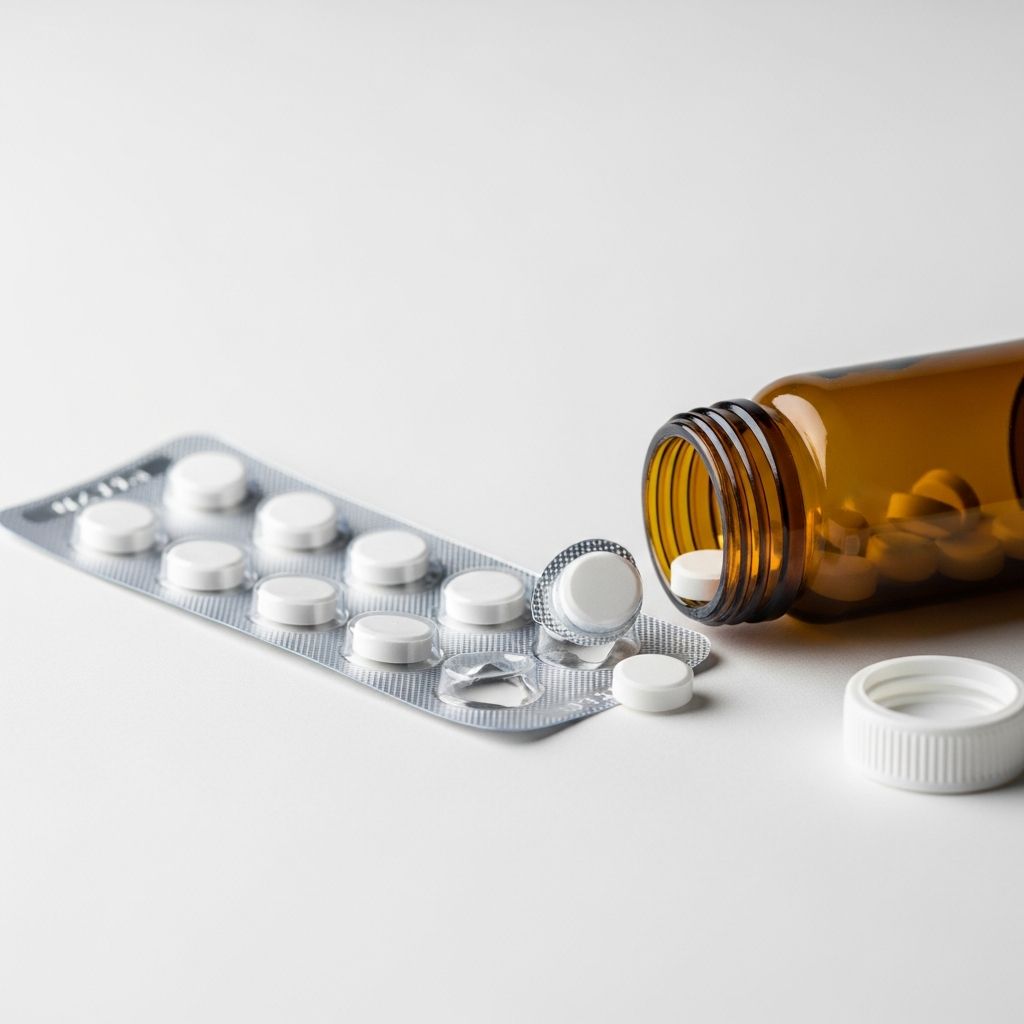
Acetazolamide serves as a key carbonic anhydrase inhibitor with diuretic properties, addressing conditions like glaucoma, altitude sickness, epilepsy, and fluid retention from heart failure.
Understanding How Acetazolamide Works
This medication disrupts carbonic anhydrase, an enzyme vital for producing carbonic acid, leading to bicarbonate buildup and altered fluid dynamics in the body. By blocking this enzyme in kidneys, it boosts sodium, potassium, bicarbonate, and water excretion, creating a diuretic effect while acidifying blood slightly.
In the eyes, it curbs aqueous humor production, lowering intraocular pressure crucial for glaucoma management. For brain-related issues, it reduces cerebrospinal fluid (CSF) generation in the choroid plexus, easing intracranial pressure. In epilepsy, it stabilizes neuronal activity by shifting ion balances, including GABA-A channel modulation.
Primary Medical Applications
Healthcare providers prescribe acetazolamide for several FDA-approved conditions:
- Glaucoma: Both open-angle and pre-surgical acute cases benefit from reduced eye pressure.
- Altitude Sickness: Prevents and alleviates symptoms like headache, nausea, dizziness, and fatigue during high-altitude ascents.
- Epilepsy: Adjunct therapy for certain seizures, including centrencephalic types.
- Edema from Congestive Heart Failure: Aids in fluid removal when combined with other treatments.
- Idiopathic Intracranial Hypertension: Lowers elevated brain pressure.
- Periodic Paralysis: Manages episodes of muscle weakness.
Off-label uses include central sleep apnea, Marfan syndrome protection, and preventing kidney damage from high-dose methotrexate or contrast dyes.
Available Forms and Dosing Guidelines
Acetazolamide comes as immediate-release tablets (125 mg, 250 mg), extended-release capsules (500 mg), and injectable forms for hospital use. Dosing varies by condition:
| Condition | Typical Adult Dose | Frequency |
|---|---|---|
| Glaucoma | 250 mg to 1 g | 1-4 times daily |
| Altitude Sickness (Prevention) | 125-250 mg | Twice daily, start 1-2 days before ascent |
| Edema (Heart Failure) | 250-375 mg | Once daily or every other day |
| Epilepsy (Adjunct) | 8-30 mg/kg/day | Divided doses |
| Intracranial Hypertension | Up to 4 g | Divided doses |
Pediatric doses are weight-based, often 8-30 mg/kg/day for seizures. Adjustments needed for kidney/liver impairment; avoid long-term high doses to prevent tolerance. Always follow provider instructions, as extended-release forms differ in absorption.
Who Should Avoid or Use Caution with Acetazolamide
Certain conditions contraindicate use:
- Severe kidney, liver, or adrenal issues.
- Low sodium/potassium (hyponatremia/hypokalemia).
- Noncongestive angle-closure glaucoma.
- Metabolic acidosis.
Use cautiously in diabetes, lung diseases like emphysema, or electrolyte imbalances, as it may worsen these. Sulfonamide allergy requires avoidance due to cross-reactivity risks.
Recognizing and Managing Side Effects
Common effects include:
- Gastrointestinal: Nausea, vomiting, diarrhea, taste changes (metallic/bitter).
- Neurological: Paresthesia (tingling), fatigue, dizziness, headache.
- Other: Decreased libido, tinnitus, black stools.
Serious reactions demand immediate medical attention:
- Blood disorders: Unusual bleeding, bruising, fever, sore throat (agranulocytosis, aplastic anemia).
- Electrolyte shifts: Confusion, muscle cramps, irregular heartbeat, seizures from low sodium/potassium or acidosis.
- Severe skin reactions: Rash, blisters, Stevens-Johnson syndrome.
- Eye issues: Blurred vision, floaters (monitor in glaucoma patients).
Related Stories



Most resolve upon discontinuation; monitor blood electrolytes regularly during therapy.
Medication Interactions and Precautions
Acetazolamide interacts with:
- Aspirin/Salicylates: Heightens toxicity risk; avoid high doses.
- Diuretics/Other Acidifiers: Amplifies electrolyte loss.
- Antiepileptics: May alter seizure control (e.g., phenytoin).
- Alkalinizers (e.g., Sodium Bicarbonate): Reduces efficacy.
Pregnancy Category C: Use only if benefits outweigh risks. Breastfeeding: Passes into milk; consult provider. Driving/Operating Machinery: Caution due to dizziness.
Practical Tips for Safe Use
- Take with food to minimize stomach upset.
- Stay hydrated but monitor for over-diuresis.
- For altitude sickness, combine with gradual ascent and avoid alcohol.
- Regular lab tests for kidney function, electrolytes, and blood counts.
- Do not stop abruptly in epilepsy; taper under supervision.
Special Considerations for Travelers and Athletes
Popular among mountaineers, acetazolamide (Diamox) speeds acclimatization by mimicking hypoxia response, increasing breathing rate. Start 125 mg twice daily 24 hours pre-ascent, continue 48 hours at altitude. Not a substitute for proper pacing.
Frequently Asked Questions (FAQs)
What if I miss a dose?
Take as soon as remembered unless near next dose; skip if so. Do not double up.
Can acetazolamide cause weight loss?
Yes, via diuresis, but not for obesity; monitor for dehydration.
Is it safe for long-term use?
Limited; tolerance develops. Use lowest effective dose with monitoring.
How does it help with sleep apnea?
Off-label: Stimulates respiration, reducing apneic episodes.
Does it affect blood sugar?
Possible in diabetics; monitor levels closely.
Monitoring and Follow-Up
Providers schedule check-ups for intraocular pressure (glaucoma), weight/fluid status (edema), seizure frequency (epilepsy), and labs (electrolytes, CBC, renal function). Report new symptoms promptly.
References
- Acetazolamide – StatPearls — NCBI Bookshelf, NIH. 2023-08-14. https://www.ncbi.nlm.nih.gov/books/NBK532282/
- Acetazolamide: MedlinePlus Drug Information — MedlinePlus, NIH. 2023. https://medlineplus.gov/druginfo/meds/a682756.html
- Acetazolamide: Uses, Interactions, Mechanism of Action — DrugBank Online. 2024. https://go.drugbank.com/drugs/DB00819
- Acetazolamide (oral route) – Side effects & dosage — Mayo Clinic. 2024-02-01. https://www.mayoclinic.org/drugs-supplements/acetazolamide-oral-route/description/drg-20535236
- Acetazolamide: Uses, Side Effects, Interactions — WebMD. 2024. https://www.webmd.com/drugs/acetazolamide-diamox
Similar Articles








Read full bio of Sneha Tete