Achalasia: Understanding Symptoms, Causes, and Treatment
Comprehensive guide to achalasia: causes, symptoms, diagnosis, and effective treatment options.
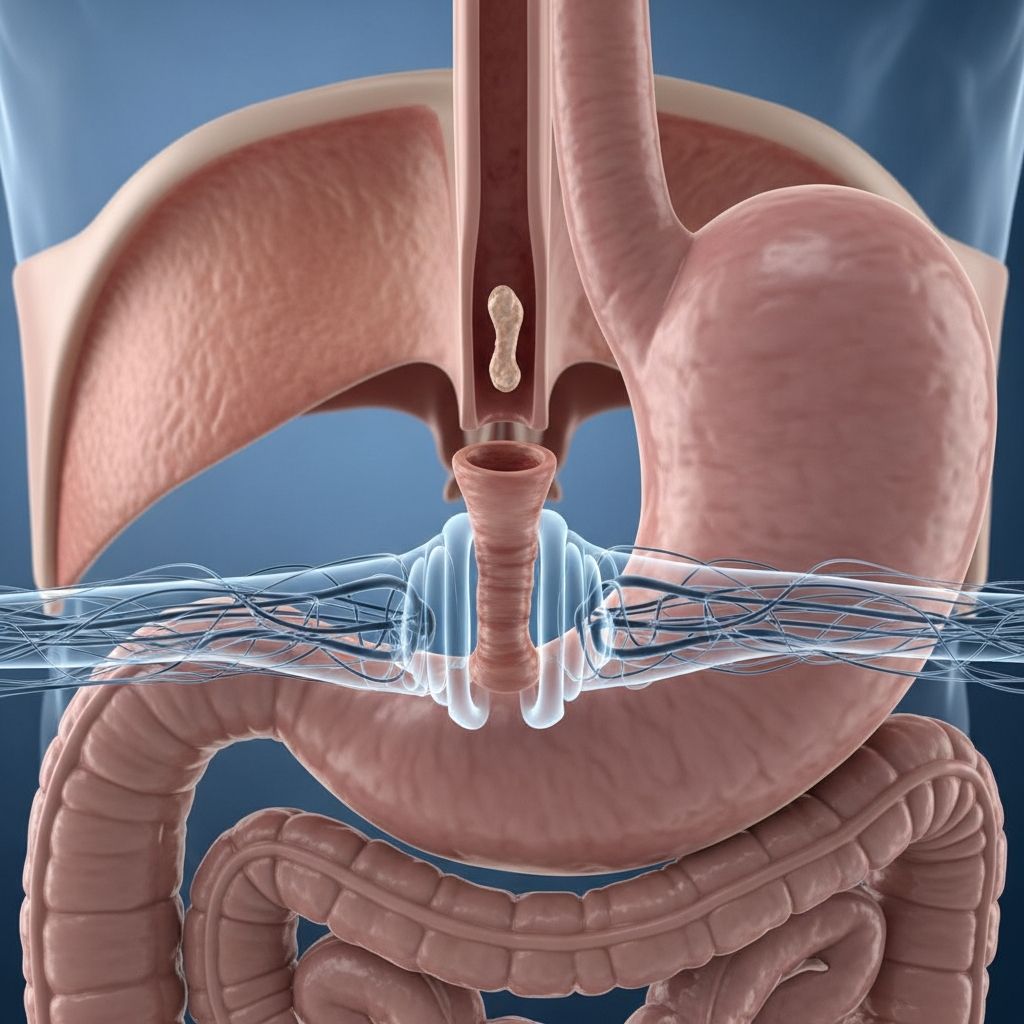
What is Achalasia?
Achalasia is a rare but serious esophageal disorder that affects the ability to swallow food and liquids. The condition occurs due to a failure of the lower esophageal sphincter (LES)—a muscle ring at the bottom of the esophagus—to relax properly during swallowing. Additionally, the esophagus loses its normal muscle contractions (peristalsis) that help move food down to the stomach. This combination of dysfunction causes food and liquid to accumulate in the esophagus rather than passing into the stomach, leading to a range of uncomfortable and potentially serious symptoms.
The name “achalasia” comes from Greek, meaning “failure to relax,” which accurately describes the primary dysfunction of this condition. Without proper treatment, achalasia can significantly impact quality of life and lead to serious complications such as aspiration pneumonia and severe weight loss.
Understanding the Causes of Achalasia
The exact cause of achalasia remains unclear, but researchers have identified several contributing factors and theories. The condition is believed to result from degeneration of the myenteric plexus and vagus nerve fibers in the lower esophageal sphincter. This degeneration leads to a loss of inhibitory neurons that contain vasoactive intestinal peptide (VIP) and nitric oxide synthase, which are essential for proper muscle relaxation.
Several theories attempt to explain why this degeneration occurs:
– Autoimmune phenomena where the body’s immune system attacks nerve cells- Viral infections that trigger neurological damage- Genetic predisposition making certain individuals more susceptible- Environmental factors and unknown triggers
Most cases of achalasia in the United States are classified as primary or idiopathic achalasia, meaning the cause is unknown. However, secondary achalasia can develop in association with other conditions, including Chagas disease caused by Trypanosoma cruzi, gastric carcinoma infiltrating the esophagus, eosinophilic gastroenteritis, lymphoma, certain viral infections, and neurodegenerative disorders.
Recognizing Symptoms of Achalasia
Achalasia presents with a variety of symptoms that can significantly impact daily life and nutrition. The primary symptom is dysphagia (difficulty swallowing), which typically develops gradually and can affect both solids and liquids. Other common symptoms include:
– Chest pain or discomfort behind the breastbone- Heartburn or a burning sensation in the chest- Regurgitation of undigested food or saliva, particularly during sleep- Choking and coughing episodes, especially at night- Persistent cough due to aspiration of esophageal contents into the lungs- Drooling of vomit or saliva- Significant weight loss resulting from difficulty eating- Repeated chest infections from aspiration
In some cases, patients may also experience dry eyes (keratoconjunctivitis sicca) and dry mouth (xerostomia). The retention of food and saliva in the esophagus can lead to aspiration, where esophageal contents enter the lungs during breathing, causing tracheobronchial aspiration and increasing the risk of respiratory infections.
Diagnosis of Achalasia
Accurate diagnosis of achalasia requires a combination of clinical evaluation and specialized diagnostic tests. When patients present with symptoms of dysphagia and chest pain, healthcare providers may order several investigations to confirm achalasia and rule out other conditions.
Esophageal Manometry: This is the gold standard diagnostic test for achalasia. The test measures the pressure in the esophagus and the lower esophageal sphincter during swallowing, revealing the characteristic failure of the LES to relax properly.
Related Stories



Upper Endoscopy (EGD): This procedure allows direct visualization of the esophagus and stomach to rule out mechanical obstruction and to observe the “tight” appearance of the lower esophageal sphincter that is characteristic of achalasia.
Barium Esophagogram: A radiographic study where patients swallow barium liquid while X-ray images are taken. This reveals a dilated esophagus with a characteristic “bird’s beak” narrowing at the lower esophageal sphincter.
High-Resolution Manometry: An advanced version of esophageal manometry that provides detailed pressure measurements and helps classify achalasia into different subtypes based on response to treatment.
Classification and Types of Achalasia
Achalasia is classified into different types based on esophageal manometry findings and pressure measurements, which help guide treatment decisions:
Type 1 Achalasia: Characterized by an integrated relaxation pressure of 10 mmHg with minimal esophageal pressurization and no elevated post-swallow contractility.
Type 2 Achalasia: Displays an integrated relaxation pressure of 15 mmHg with panesophageal pressurization during swallowing. This type typically shows the best positive response to conservative treatment modalities.
Type 3 Achalasia: Features an integrated relaxation pressure of 17 mmHg and is characterized by high-amplitude distal esophageal contractions. This type shows the least favorable response to standard treatments but responds better to advanced therapeutic approaches like POEM.
Understanding the achalasia type is crucial because treatment recommendations vary by classification. Type 1 and 2 achalasia generally respond well to conservative measures such as pneumatic dilation and surgical myotomy, while type 3 achalasia appears to respond better to peroral endoscopic myotomy (POEM).
Treatment Options for Achalasia
While achalasia cannot be cured, various treatment modalities can effectively manage symptoms by reducing the outflow resistance caused by the non-relaxing and hypertensive lower esophageal sphincter. Treatment options are generally categorized into nonsurgical and surgical approaches, with selection depending on disease type, patient age, overall health, and individual preference.
Nonsurgical Treatment Options
Pharmacologic Therapy: Medications represent the most conservative initial approach. Nitrates such as isosorbide dinitrate and calcium channel blockers like nifedipine are commonly prescribed. Nitrates increase nitric oxide concentrations in smooth muscles, causing increased cyclic adenosine monophosphate levels, which leads to smooth muscle relaxation. Calcium channel blockers inhibit calcium entry into cells, blocking smooth muscle contraction and decreasing lower esophageal sphincter pressure. However, these medications have significant limitations, including hypotension, pedal edema, headaches, rapid development of tolerance, and incomplete symptom improvement. Consequently, pharmacologic therapy is primarily reserved for patients waiting for or refusing more definitive therapy, as medications provide only short-term relief.
Botulinum Toxin Injection: OnabotulinumtoxinA (Botox) injection directly into the esophageal sphincter during endoscopy is an effective option for certain patients. Botox works by temporarily paralyzing nerves that signal the sphincter to contract, thereby relaxing the muscle fibers. This treatment successfully relaxes esophageal sphincter muscles in up to 35% of people with achalasia. However, the effect is temporary, typically lasting a few months to one year, and injections must be repeated every 6 to 12 months to maintain symptom relief. Botox is generally recommended only for patients who cannot undergo pneumatic dilation or surgery due to advanced age or overall health concerns, though it provides a relatively safe approach for appropriate candidates.
Pneumatic Dilation: This endoscopic procedure is considered the most cost-effective non-surgical therapy for achalasia. During pneumatic dilation, a graded dilator filled with air is used to disrupt the circular fibers of the lower esophageal sphincter, effectively widening the passage. Symptoms improve in 50-93% of patients following this procedure; however, approximately 30% of patients experience symptom recurrence within five years, necessitating repeat procedures. Approximately 70% of achalasia cases may be treated effectively through pneumatic balloon dilation, with many patients requiring repeated dilations to maintain symptom improvement. The procedure carries a small risk of perforation but remains a popular choice due to its effectiveness and cost considerations.
Surgical Treatment Options
Laparoscopic Heller Myotomy (LHM): This minimally invasive surgical approach involves cutting the muscle fibers of the lower esophageal sphincter to relieve the obstruction. Surgical treatments are effective in approximately 85-90% of cases. The laparoscopic technique offers advantages over open surgery, including smaller incisions, reduced recovery time, and less postoperative pain. However, approximately 15% of patients experience gastroesophageal reflux disease (GERD) symptoms following this procedure.
Peroral Endoscopic Myotomy (POEM): This newer, less invasive technique involves making a small endoscopic incision in the esophageal mucosa and tunneling to divide the circular muscle fibers of the lower esophageal sphincter. POEM is particularly effective for type 3 achalasia, which shows the least favorable response to standard treatments. The procedure may be combined with or followed by fundoplication to help prevent postoperative GERD. Some patients who develop GERD after POEM are managed with daily oral medication.
Treatment Comparison Table
| Treatment | Effectiveness | Duration of Relief | Invasiveness | Repeat Treatment |
|---|---|---|---|---|
| Medications (Nitrates/CCBs) | Limited | Short-term | Non-invasive | Daily |
| Botox Injections | 35% success | 6-12 months | Minimally invasive | Every 6-12 months |
| Pneumatic Dilation | 50-93% | 5 years (70%) | Minimally invasive | Some patients need repeats |
| Laparoscopic Heller Myotomy | 85-90% | Long-term | Surgical | Rarely needed |
| POEM | High (especially Type 3) | Long-term | Minimally invasive | Rarely needed |
Potential Complications
Without proper treatment, achalasia can lead to several serious complications that significantly impact health and quality of life. Food and liquid retention in the esophagus increases the risk of aspiration, where esophageal contents enter the lungs, potentially causing aspiration pneumonia and chronic respiratory infections. Severe, prolonged achalasia can result in megaesophagus—extreme esophageal dilation—which further compromises function. Progressive dysphagia leads to severe malnutrition and unexplained weight loss. Additionally, retained food in the esophagus can cause gastroesophageal reflux disease (GERD), leading to additional discomfort and potential complications. In rare cases, achalasia has been associated with increased risk of esophageal cancer, highlighting the importance of appropriate management and follow-up.
Patient Education and Self-Management
While achalasia is a chronic condition requiring professional medical management, patients can implement several strategies to manage symptoms and maintain quality of life. Eating slowly and thoroughly chewing food helps facilitate swallowing. Consuming smaller, more frequent meals rather than large portions reduces esophageal burden. Drinking warm liquids with meals may help ease swallowing, while maintaining proper hydration is essential. Patients should avoid very hot, very cold, or highly irritating foods. Sitting upright during and after meals and remaining upright for at least 30 minutes afterwards helps prevent reflux and aspiration. Some patients find that carbonated beverages or weight loss helpful, as increased abdominal pressure from excess weight can worsen symptoms. Regular follow-up with healthcare providers ensures optimal disease management and early detection of complications.
Frequently Asked Questions (FAQs)
Q: Is achalasia a common condition?
A: No, achalasia is a rare disorder, but it can significantly impact quality of life. Precise prevalence varies, but it is recognized as an uncommon esophageal condition affecting a small percentage of the population.
Q: Can achalasia be cured?
A: Currently, there is no cure for achalasia. Available treatments focus on symptom relief and preventing complications rather than halting disease progression. However, various effective treatment options can substantially improve symptoms and quality of life.
Q: What is the best treatment for achalasia?
A: The best treatment varies based on achalasia type, patient age, overall health, and individual preferences. For most patients, pneumatic dilation or laparoscopic Heller myotomy are considered first-line treatments. Type 3 achalasia may respond better to POEM.
Q: How long does Botox injection relief last?
A: Botox injections typically provide symptom relief for 6 to 12 months, with relief potentially lasting anywhere from a few months to one year. Repeated injections are necessary to maintain symptom improvement.
Q: What is the success rate of pneumatic dilation?
A: Pneumatic dilation shows symptom improvement in 50-93% of patients. However, approximately 30% of patients experience symptom recurrence within five years, potentially requiring repeat procedures.
Q: Can achalasia lead to serious complications?
A: Yes, untreated achalasia can lead to serious complications including aspiration pneumonia, severe weight loss, megaesophagus, GERD, and in rare cases, increased esophageal cancer risk. Proper treatment helps prevent these complications.
Q: Is achalasia hereditary?
A: While genetic predisposition may play a role in achalasia development, the condition is not directly inherited. Current research suggests that genetic factors may increase susceptibility to environmental triggers.
Q: Can children develop achalasia?
A: Yes, while achalasia is more common in adults, it can occur at any age, including childhood. Diagnosis and treatment in children follow similar principles to adult management.
References
- Achalasia – StatPearls — National Center for Biotechnology Information (NCBI). 2024. https://www.ncbi.nlm.nih.gov/books/NBK519515/
- Achalasia – Symptoms, Causes, Treatment — National Organization for Rare Disorders (NORD). 2024. https://rarediseases.org/rare-diseases/achalasia/
- Achalasia (Cardiospasm): Symptoms, Causes, Types, Treatments — Cleveland Clinic. 2024. https://my.clevelandclinic.org/health/diseases/17534-achalasia
- Achalasia – Symptoms, Causes, Diagnosis and Treatment — Guts UK. 2024. https://gutscharity.org.uk/advice-and-information/conditions/achalasia/
- Achalasia – Diagnosis and Treatment — Mayo Clinic. 2024. https://www.mayoclinic.org/diseases-conditions/achalasia/diagnosis-treatment/drc-20352851
- Achalasia – NHS — National Health Service (NHS). 2024. https://www.nhs.uk/conditions/achalasia/
- Achalasia – Symptoms and Causes — Mayo Clinic. 2024. https://www.mayoclinic.org/diseases-conditions/achalasia/symptoms-causes/syc-20352850
Similar Articles








Read full bio of Sneha Tete