Achilles Tendon Injuries: Causes, Symptoms & Treatment
Complete guide to understanding, diagnosing, and treating Achilles tendon injuries effectively.
Understanding Achilles Tendon Injuries
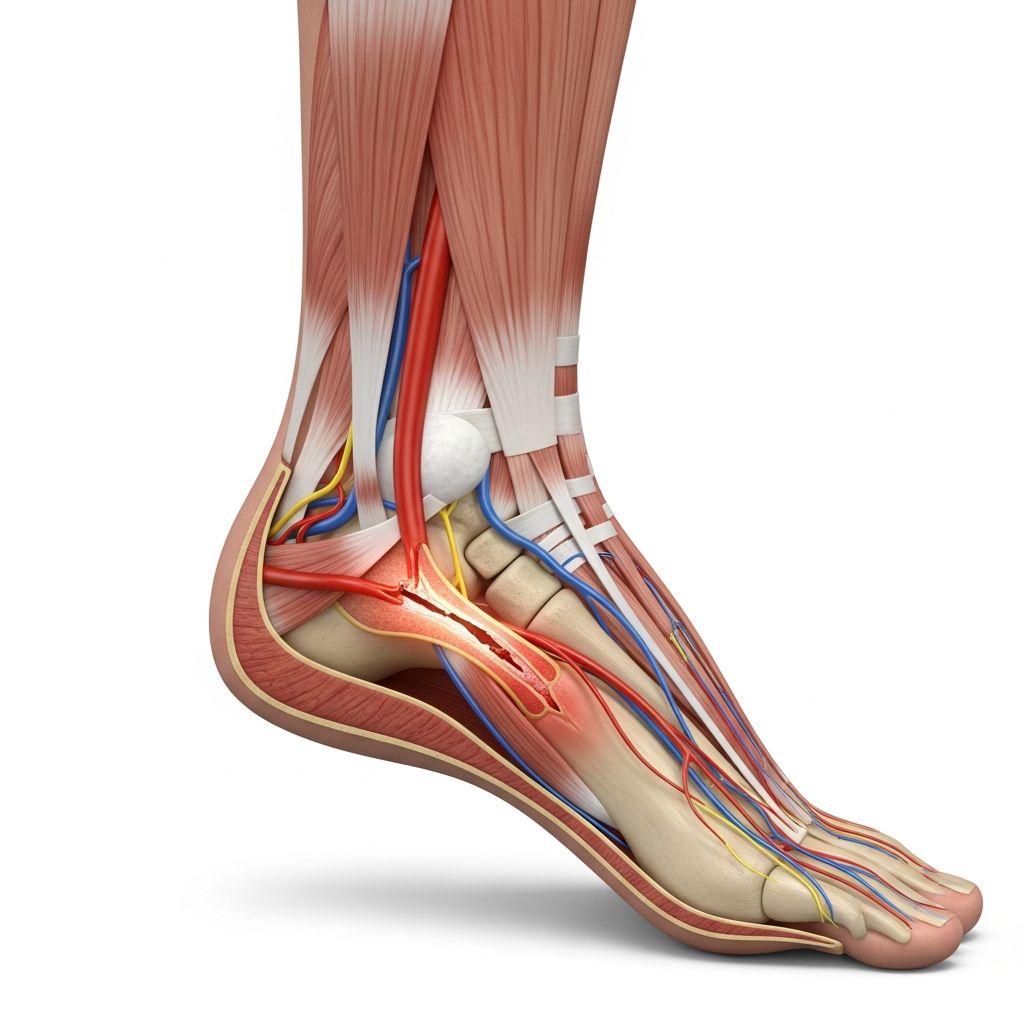
The Achilles tendon is the strongest tendon in the human body, connecting the calf muscles to the heel bone and enabling essential movements like walking, running, and jumping. Despite its strength, the Achilles tendon is surprisingly prone to injury, making it one of the most commonly injured tendons. Achilles tendon injuries range from mild inflammation to severe ruptures, and understanding these conditions is crucial for proper treatment and recovery.
What Is the Achilles Tendon?
The Achilles tendon is a thick fibrous cord located at the back of the leg, above the heel. It serves as the connection point between the calf muscles (the gastrocnemius and soleus) and the calcaneus bone in the heel. This tendon bears tremendous stress during daily activities and athletic pursuits, making it vulnerable to overuse and traumatic injuries. The Achilles tendon’s primary function is to enable plantarflexion, the downward pointing of the foot, which is essential for walking, running, and other lower body movements.
Types of Achilles Tendon Injuries
Achilles tendon injuries fall into several categories based on severity and type:
Achilles Tendinitis
Achilles tendinitis is the inflammation of the tendon caused by repetitive stress and overuse. This condition develops gradually as the tendon becomes irritated and swollen from repeated strain. Unlike a sudden rupture, tendinitis typically progresses over time, with symptoms becoming more pronounced during and after physical activity. It represents one of the most common forms of Achilles tendon injury.
Partial Tears
A partial Achilles tendon tear involves damage to some but not all of the tendon fibers. This injury may occur suddenly during athletic activity or develop from chronic tendinitis that worsens over time. Partial tears cause significant pain and functional limitation but retain some structural integrity.
Complete Rupture
A complete Achilles tendon rupture is the most severe form of injury, occurring when all tendon fibers are torn. This typically happens suddenly during explosive movements and requires immediate medical attention. A complete rupture significantly impairs the ability to walk and push off the affected foot.
Causes of Achilles Tendon Injuries
Multiple factors contribute to the development of Achilles tendon injuries:
Overuse and Repetitive Stress
The most common cause of Achilles tendon injury is overuse, particularly in athletes involved in running, jumping, and explosive sports. Repeatedly stressing the tendon without adequate recovery time prevents the tissue from healing, leading to cumulative damage and inflammation. Distance runners are especially vulnerable to Achilles injuries due to the repetitive impact forces involved in their sport.
Sudden Increase in Activity
Rapidly escalating exercise intensity or duration without proper conditioning significantly increases injury risk. When athletes increase their training load too quickly, the tendon doesn’t have sufficient time to adapt to the increased demands, resulting in injury. This is particularly common in individuals who suddenly start intense training programs or return to sport after a period of inactivity.
Related Stories



Tight Calf Muscles
Reduced flexibility in the calf muscles places additional stress on the Achilles tendon. When the gastrocnemius and soleus muscles are tight, they create excessive tension on the tendon during movement, accelerating wear and tear. Proper stretching and flexibility training can help prevent this contributing factor.
Inadequate Footwear
Poorly fitting shoes that lack proper support, cushioning, or heel height can worsen Achilles tendon stress. Shoes with insufficient arch support or inadequate heel cushioning force the tendon to work harder during movement. Additionally, footwear that doesn’t match your foot type or activity level increases injury risk.
Age-Related Factors
As individuals age, tendons naturally lose elasticity and become more prone to injury. The Achilles tendon weakens with advancing age, making older athletes more susceptible to rupture and tendinitis. However, proper conditioning and flexibility maintenance can mitigate age-related vulnerability.
Medical Factors
Certain medications and medical conditions increase Achilles tendon injury risk. Fluoroquinolone antibiotics, such as ciprofloxacin and levofloxacin, are known to weaken tendons and increase rupture risk. Steroid injections into the ankle joint can also weaken the Achilles tendon. Additionally, obesity places excess strain on the tendon due to increased body weight.
Symptoms of Achilles Tendon Injury
Recognizing the symptoms of Achilles tendon injury is essential for early diagnosis and treatment. Symptoms vary depending on the type and severity of injury:
Common Symptoms
– Pain or stiffness in the back of the heel, especially in the morning or after periods of inactivity
– Visible swelling around the heel and lower leg
– Tenderness along the Achilles tendon to touch
– Difficulty bending the foot downward or pushing off the ground
– Pain that worsens with physical activity, particularly running or jumping
– Heel pain when wearing shoes
– Pain in the toes while walking
Acute Injury Symptoms
In cases of sudden Achilles tendon injury or rupture, symptoms are more dramatic. Individuals often report hearing or feeling a distinct “pop” or “snap” in the back of the ankle, followed by immediate sharp pain. After the initial injury, weakness in the affected leg and difficulty walking are common. The pain is typically severe and may be accompanied by bruising and rapid swelling.
Chronic Tendinitis Symptoms
With chronic Achilles tendinitis, pain develops gradually and may worsen over time. Symptoms typically intensify during and after physical activity, particularly activities involving running or climbing stairs. The pain may be mild initially but can progress to significant functional limitation if left untreated.
Diagnosis of Achilles Tendon Injuries
Proper diagnosis is essential for determining the appropriate treatment approach. Most Achilles tendon injuries are diagnosed through clinical examination by a healthcare professional. During the examination, your doctor will assess the range of motion, strength, and tenderness of the affected tendon.
Clinical Assessment
The primary diagnostic method involves physical examination. Your healthcare provider will palpate the tendon, evaluate your ability to perform movements like pointing your foot downward, and assess for signs of swelling or deformity. The Thompson test, where the calf is squeezed to assess for tendon function, is commonly used to evaluate for rupture.
Imaging Tests
While most Achilles tendon injuries can be diagnosed clinically, advanced imaging may be ordered to confirm the diagnosis or assess severity. X-rays can help rule out bone injuries, while ultrasound provides detailed images of the tendon and can identify partial or complete tears. Magnetic resonance imaging (MRI) offers the most detailed visualization of the tendon and surrounding tissues, helping determine the extent of damage and guide treatment decisions.
Treatment Options for Achilles Tendon Injuries
Treatment approaches depend on the severity of the injury, your activity level, and your recovery goals. Many Achilles tendon injuries respond well to conservative treatment, while more severe injuries may require surgical intervention.
Conservative Treatment
Conservative treatment is the first-line approach for most Achilles tendon injuries and is effective for many patients:
Rest and Activity Modification: Reducing or eliminating activities that stress the Achilles tendon is fundamental to recovery. This allows the tendon to heal and inflammation to subside. Rest periods vary depending on injury severity but typically span several weeks to months.
Ice Application: Applying ice to the affected area reduces inflammation and provides pain relief, particularly in the acute phase of injury. Ice should be applied for 15-20 minutes several times daily.
Supportive Devices: Heel lifts, orthotics, and specialized braces reduce stress on the Achilles tendon by altering the biomechanics of the foot and ankle. These devices can significantly accelerate healing and improve comfort during daily activities.
Anti-inflammatory Medications: Nonsteroidal anti-inflammatory drugs (NSAIDs) can manage pain and reduce inflammation. However, these should be used judiciously and typically for short durations.
Physical Therapy: Structured physical therapy is crucial for recovery and helps restore strength, flexibility, and proper movement patterns. Physical therapists design customized rehabilitation programs that progress gradually, starting with gentle stretching and progressing to strengthening exercises. Appropriate rehabilitation has the strongest evidence for improving symptoms following tendon injury.
Surgical Treatment
Surgery may be necessary when conservative treatment fails or in cases of complete rupture. Surgical options include direct repair of the torn tendon and, in some cases, tendon transfer procedures using adjacent healthy tendons. The specific surgical approach depends on the location and extent of the tear. Recovery from surgery typically takes longer than conservative treatment, often ranging from four to six months.
Recovery and Rehabilitation
Recovery from Achilles tendon injury is a gradual process that requires patience and adherence to rehabilitation protocols. Recovery timeframes vary significantly based on injury severity:
– Mild tendinitis: 2-8 weeks with conservative treatment
– Partial tears: 2-3 months with conservative treatment
– Complete ruptures: 3-6 months with surgical repair plus rehabilitation
During recovery, gradual return to activity is essential. Premature return to sport increases the risk of re-injury and prolonged recovery. Physical therapy progression should follow a structured timeline, with activity advancement based on pain levels and strength gains rather than arbitrary timeframes.
Prevention of Achilles Tendon Injuries
Preventing Achilles tendon injury is significantly more effective than treating established injury. Key prevention strategies include:
– Regular stretching and flexibility exercises targeting the calf muscles
– Gradual progression of training intensity and duration, following the principle of increasing load by no more than 10% per week
– Adequate warm-up before exercise and cool-down afterward
– Strengthening exercises for the calf muscles and overall lower leg
– Wearing appropriate, properly fitting footwear with adequate support and cushioning
– Allowing sufficient recovery time between intense training sessions
– Maintaining overall physical fitness and body weight
When to Seek Medical Attention
Seek immediate medical attention if you experience a sudden “pop” in the back of your ankle accompanied by severe pain, or if you develop persistent pain, stiffness, or swelling that doesn’t improve with home care within a few days. Additionally, consult a healthcare provider if you notice difficulty walking, pushing off the ground, or if pain interferes with daily activities or your ability to exercise.
Healthcare Providers for Achilles Tendon Injury
Several types of healthcare professionals can effectively treat Achilles tendon injuries. Foot and ankle orthopedic surgeons specialize in treating these injuries and often work collaboratively with sports medicine physicians. Physical therapists play a crucial role in rehabilitation, while primary care physicians can manage early cases and provide referrals to specialists when necessary.
Frequently Asked Questions
Q: Can an Achilles tendon injury heal on its own?
A: Mild cases of Achilles tendinitis may improve with rest and self-care, but professional treatment typically accelerates healing and prevents chronic issues. Complete ruptures require medical intervention to heal properly.
Q: How long does it take to recover from an Achilles tendon injury?
A: Recovery time varies from 2-8 weeks for mild tendinitis to 3-6 months for complete ruptures requiring surgery. Strict adherence to rehabilitation protocols is essential for optimal recovery.
Q: Can I exercise with Achilles tendinitis?
A: Some modified exercise may be appropriate during recovery, but high-impact activities should be avoided. Your physical therapist can recommend low-impact alternatives and a safe progression back to full activity.
Q: Is surgery always necessary for Achilles rupture?
A: While surgery is often recommended for complete ruptures, some studies suggest nonsurgical treatment can be effective in selected cases. Your doctor will discuss the best option based on your specific situation and goals.
Q: How can I prevent Achilles tendon injuries?
A: Prevention involves regular stretching and strengthening exercises, gradual progression of training load, proper footwear, and adequate recovery between activities. Maintaining flexibility and strength significantly reduces injury risk.
References
- Achilles Tendon Rupture: Symptoms and Causes — Mayo Clinic. 2024. https://www.mayoclinic.org/diseases-conditions/achilles-tendon-rupture/symptoms-causes/syc-20353234
- Achilles Tendinitis: Symptoms & Treatment — Cleveland Clinic. 2024. https://my.clevelandclinic.org/health/diseases/21553-achilles-tendinitis
- Achilles Tendon Pain: Causes, Diagnosis and Treatment — Hospital for Special Surgery (HSS). 2024. https://www.hss.edu/health-library/conditions-and-treatments/list/achilles-tendon
- Achilles Tendon Rupture: Symptoms & Causes — Mass General Brigham. 2024. https://www.massgeneralbrigham.org/en/patient-care/services-and-specialties/sports-medicine/conditions/foot-ankle/achilles-tendon-rupture
- Achilles Tendon Injuries: Causes, Treatment, and Recovery — Idaho Foot and Ankle. 2024. https://www.idahofootandankle.com/blog/1317262-achilles-tendon-injuries-causes-treatment-and-recovery
- Achilles Tendon Injuries — Healthdirect. 2024. https://www.healthdirect.gov.au/achilles-tendon
Similar Articles








Read full bio of Sneha Tete