Achilles Tendon Repair Surgery: Comprehensive Guide To Recovery
Complete guide to Achilles tendon repair surgery, recovery, and rehabilitation options.
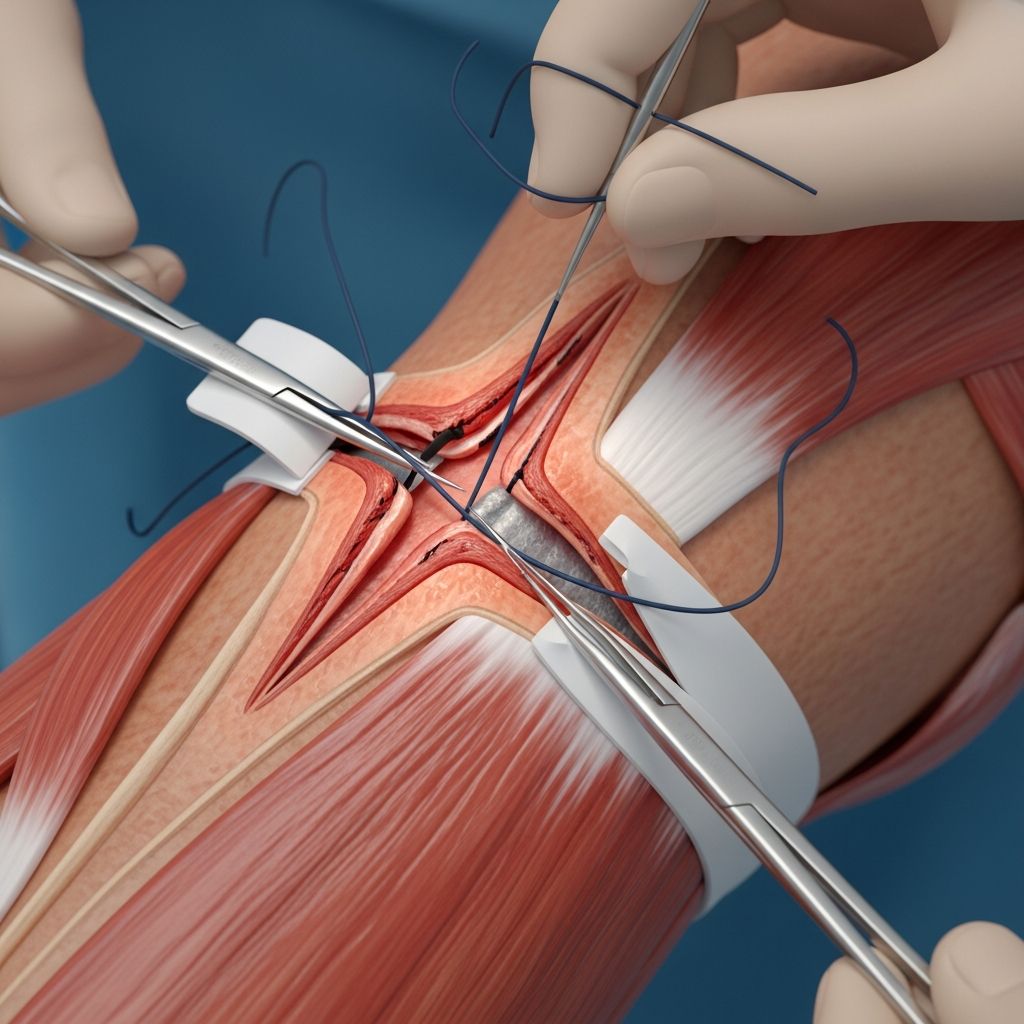
The Achilles tendon is the largest and strongest tendon in the human body, connecting the calf muscles to the heel bone and enabling us to walk, run, and jump. When this vital structure is injured—whether through acute rupture or chronic degeneration—surgical repair may be necessary to restore function and alleviate pain. This guide provides detailed information about Achilles tendon repair surgery, helping patients understand the procedure, recovery expectations, and rehabilitation options.
Understanding the Achilles Tendon
The Achilles tendon is a fibrous cord that attaches the gastrocnemius and soleus muscles of the calf to the calcaneus, or heel bone. This tendon is responsible for pushing off the ground during walking, running, and jumping. Due to its critical role in mobility and the significant stress it bears during daily activities, the Achilles tendon is susceptible to various injuries ranging from minor strains to complete ruptures.
Achilles tendon problems can develop gradually through overuse or suddenly through acute trauma. Understanding the anatomy and function of this tendon is essential for appreciating why injuries occur and why proper treatment is crucial for restoring normal function.
Causes and Conditions Requiring Surgery
Several conditions may necessitate Achilles tendon repair surgery:
Acute Achilles Tendon Rupture
An acute rupture occurs when the tendon tears completely, often accompanied by a sudden sharp pain and an audible pop. This injury commonly happens during athletic activities or sudden directional changes. Patients typically experience difficulty walking or pushing off with the affected leg and may notice swelling and bruising in the heel area.
Chronic Achilles Tendinopathy
Chronic tendinopathy results from degenerative changes in the tendon due to repetitive stress, aging, or overuse. Athletes and runners face higher risk, as do middle-aged individuals with tight Achilles tendons. When conservative treatment fails to relieve symptoms, surgery may be recommended to remove damaged tissue and restore the tendon’s integrity.
Achilles Tendon Insertion Problems
Problems at the insertion point where the tendon attaches to the heel bone may involve bone spurs, inflammation, or partial tears. These conditions can cause persistent pain and functional limitations that may require surgical intervention.
Conservative Treatment Options
Before considering surgery, patients typically undergo a trial of conservative treatment. Non-surgical approaches are often successful, particularly for certain types of injuries.
Immobilization and Rest
The initial treatment phase typically involves immobilizing the foot and ankle in a boot or cast to prevent movement and allow the tendon to begin healing. During this period, patients are advised to limit weight-bearing activities and apply ice to reduce swelling and inflammation.
Physical Therapy and Rehabilitation
Once initial healing begins, structured physical therapy becomes essential. Treatment typically includes eccentric strengthening exercises, which involve lengthening the muscle while under tension, and progressive stretching of the Achilles tendon. These exercises help restore strength and flexibility while promoting proper tendon healing.
Supportive Measures
Additional conservative treatments may include heel cups to reduce stress on the tendon, anti-inflammatory medications to manage pain and swelling, and activity modification to avoid aggravating the injury. Many patients achieve excellent results through these non-surgical approaches and return to normal activities without requiring an operation.
Related Stories



When Surgery Becomes Necessary
Surgery is generally reserved for specific circumstances when conservative treatment has not provided adequate relief:
- Failure of non-surgical treatment to reduce pain and restore function
- Inability to progress beyond initial immobilization without pain recurrence
- Significant tendon degeneration affecting more than 50 percent of the tendon’s cross-section
- Acute rupture combined with underlying tendon disease
- Need to return to high-level athletic activities
Your orthopedic surgeon will determine whether surgery is appropriate based on imaging studies, particularly magnetic resonance imaging (MRI), which clearly demonstrates the extent of tendon damage and helps guide surgical planning.
Surgical Techniques and Approaches
Assessment and Planning
Before surgery, comprehensive imaging studies help determine the best surgical approach. MRI provides detailed visualization of the damaged tendon, identifying whether the problem is in the mid-substance of the tendon or at its insertion point. This information guides surgical decision-making and helps the surgeon determine whether additional procedures, such as tendon transfer or bone spur removal, will be necessary.
Debridement and Resection
During surgery, the surgeon removes damaged, degenerated, or scarred tendon tissue through a process called debridement. This diseased tissue is carefully excised to create healthy tissue surfaces that can heal properly. The extent of tissue removal determines whether additional reconstructive measures are needed.
Tendon Reconstruction
If the damage is limited to a small portion of the tendon, the surgeon may simply repair the defect by reattaching healthy tendon to the heel bone. When significant portions of the tendon must be removed, reconstruction becomes more complex and may require additional measures.
Insertion Point Surgery
When problems involve the insertion point, the surgeon may remove bone spurs that have formed and developed around the tendon attachment. This decompression helps reduce inflammation and mechanical irritation, allowing the tendon to function more smoothly.
Tendon Transfer
If more than 50 percent of the Achilles tendon must be removed, the surgeon may perform a tendon transfer, using an adjacent tendon to augment the repair. The most common tendon transfer involves the flexor hallucis longus tendon, which assists in plantarflexion and can provide additional strength and stability to the repair.
Surgical Recovery Timeline
Immediate Post-operative Period
Most patients are discharged the same day following Achilles tendon repair surgery. The foot and ankle will be immobilized in a cast or boot to protect the repair and minimize stress on the healing tendon. Pain management is crucial during this initial period, and patients receive specific instructions regarding pain medication, ice application, and elevation to minimize swelling.
Early Mobilization Phase (Weeks 1-6)
During the first six weeks, patients are typically non-weight-bearing, meaning they cannot put pressure on the affected leg. This phase is critical for allowing the initial tendon healing to progress without excessive stress. Patients use crutches or a walker for mobility and must elevate the leg regularly to reduce swelling.
Gentle passive range-of-motion exercises may begin during this period under professional supervision to prevent stiffness while protecting the healing repair. These early movements are carefully controlled to avoid disrupting the surgical repair.
Progressive Weight-Bearing Phase (Weeks 6-12)
At approximately six weeks post-surgery, patients begin transitioning to weight-bearing activities while wearing the protective boot. This progressive weight-bearing helps the tendon adapt to functional stress gradually. The boot is typically worn during this phase to limit ankle motion and protect the healing tendon.
Range-of-motion exercises become increasingly active during this period, and the surgeon may prescribe specific stretching protocols to gradually restore the tendon’s flexibility. Patients learn to walk normally within the protective boot, avoiding sudden movements or directional changes that could stress the repair.
Advanced Rehabilitation Phase (Weeks 12-24)
As healing progresses, patients gradually transition out of the protective boot and progress to regular footwear. Progressive strengthening exercises become the focus, beginning with gentle resistive exercises and advancing to more challenging activities as tolerated.
Flexibility work continues with progressive stretching to restore the tendon’s normal length and elasticity. Return to low-impact activities such as walking, swimming, or stationary cycling may begin during this phase under professional guidance.
Long-term Recovery (3-12 Months and Beyond)
Full recovery from Achilles tendon repair surgery typically requires six months to one year. During this extended period, patients gradually increase their activity levels, returning to normal daily activities and, when appropriate, to recreational or athletic pursuits.
Most patients achieve complete healing and are able to perform all normal activities without pain or limitations. However, return to competitive athletics or high-impact activities should be individualized and discussed with the surgical team based on the specific injury, surgical repair, and rehabilitation progress.
Physical Therapy and Rehabilitation
Structured physical therapy is essential for optimal outcomes following Achilles tendon repair surgery. A comprehensive rehabilitation program addresses strength, flexibility, balance, and functional mobility.
Early Rehabilitation Goals
Initial therapy focuses on pain management, reducing swelling, and maintaining joint mobility in other areas of the leg. Patients learn proper use of crutches or assistive devices and receive instruction on elevation and ice application to manage post-operative swelling.
Strengthening Progression
As healing progresses, strengthening exercises are gradually introduced. Eccentric strengthening, which emphasizes the lengthening phase of muscle contractions, has particular benefit for Achilles tendon rehabilitation. These exercises build tendon resilience and help prevent re-injury.
Resistance gradually increases from gravity-assisted movements to resistive band exercises and eventually to weight-bearing strengthening activities. Calf raises, step-ups, and other functional strengthening exercises build the power necessary for normal activities.
Flexibility and Stretching
Progressive stretching restores the tendon’s normal length and the ankle joint’s normal range of motion. Stretching typically begins with gentle passive range of motion and progresses to active and resistive stretching as tolerated.
Balance and Proprioception Training
Balance exercises help restore the neuromuscular control necessary for safe walking and return to activities. Single-leg stance exercises, balance board training, and perturbation exercises prepare the leg for the demands of normal daily activities.
Functional Activity Training
As rehabilitation progresses, training emphasizes functional activities such as walking, stairs, and sport-specific movements. Patients are gradually challenged with increasing speed, distance, and complexity of movements to rebuild confidence and capability.
Potential Complications and Risk Management
While Achilles tendon repair surgery is generally safe and effective, understanding potential complications helps patients recognize warning signs and seek appropriate care:
- Re-rupture: The repaired tendon may rupture again, particularly if patients return to activities too quickly or exceed prescribed activity limits.
- Infection: Surgical site infection is a risk with any surgical procedure and requires prompt antibiotic treatment.
- Blood clots: Deep vein thrombosis may develop in the immobilized leg and requires medical attention.
- Stiffness: Limited ankle motion may result from aggressive immobilization or inadequate rehabilitation.
- Scar tissue formation: Excessive scarring around the repair site may limit motion and require additional intervention.
- Nerve or blood vessel injury: Rare complications involving nearby structures require prompt evaluation and treatment.
Strict adherence to post-operative guidelines and rehabilitation protocols significantly reduces the risk of complications. Patients should report any unusual symptoms, increased pain, signs of infection, or swelling to their surgical team immediately.
Expected Outcomes and Return to Activities
Most patients experience excellent outcomes following Achilles tendon repair surgery. Studies demonstrate high rates of tendon healing, improved function, and pain relief. Patients typically return to normal daily activities without limitations.
Return to specific activities depends on the nature of the injury, surgical repair, and individual healing progression. Walking without restrictions usually occurs around three to four months post-surgery. Running and jumping may be possible at six to nine months with appropriate progression. High-impact sports and competitive athletics may require extended recovery periods extending to one year or longer.
Approximately 90 percent of surgical patients report satisfaction with their outcome, citing improved pain control and restoration of function. Many patients successfully return to recreational activities and, when appropriate, to competitive sports.
Preoperative Preparation
Proper preoperative preparation improves surgical outcomes and recovery. Patients should:
- Inform their surgeon of all medications, supplements, and allergies
- Arrange for postoperative transportation and assistance at home
- Prepare their home with necessary equipment such as crutches and ice packs
- Follow preoperative fasting and medication instructions
- Discuss expectations and recovery timeline with the surgical team
- Plan for the non-weight-bearing period and arrange workplace accommodations
Frequently Asked Questions
How long does Achilles tendon repair surgery take?
The surgical procedure typically requires 60 to 90 minutes, depending on the complexity of the repair and whether additional procedures such as tendon transfer are necessary.
Will I have a scar after surgery?
Yes, there will be a surgical scar at the incision site, usually located on the back of the heel or calf. The scar typically becomes less noticeable over time but remains permanent.
Can I return to sports after surgery?
Many patients return to recreational sports and activities after appropriate recovery and rehabilitation, typically at six to nine months post-surgery. Return to competitive athletics should be discussed with your surgeon based on individual factors.
What is the success rate of Achilles tendon repair surgery?
Achilles tendon repair surgery has a high success rate, with most patients achieving complete healing and returning to normal activities. Success rates exceed 90 percent when patients follow postoperative guidelines and rehabilitation protocols.
How much time off work will I need?
Time off work depends on job requirements. Patients with sedentary jobs may return within two to four weeks, while those with physically demanding jobs may require three to four months or longer of modified duty.
Is surgery always necessary for Achilles tendon injuries?
No, many Achilles tendon injuries heal successfully with conservative treatment including immobilization, physical therapy, and gradual return to activity. Surgery is typically reserved for cases where conservative treatment fails or for specific injury patterns.
References
- Treatment of Myotendinous Achilles Ruptures — Johns Hopkins University. 2013-08. https://pure.johnshopkins.edu/en/publications/treatment-of-myotendinous-achilles-ruptures-5
- Q&A – Achilles Tendinosis with Nigel Hsu, M.D. — Johns Hopkins Medicine. 2019-07-17. https://www.youtube.com/watch?v=2itH_K5djYI
- Amiethab Aiyer, M.D. – Orthopaedic Foot and Ankle Surgeon — Johns Hopkins Department of Orthopedic Surgery. 2021-07-15. https://www.youtube.com/watch?v=zElFf1fUwbo
Similar Articles








Read full bio of Sneha Tete