Aciclovir Cream: Treatment Guide for Herpes Simplex
Comprehensive guide to using aciclovir cream for cold sore relief
Understanding Aciclovir Cream and Its Purpose
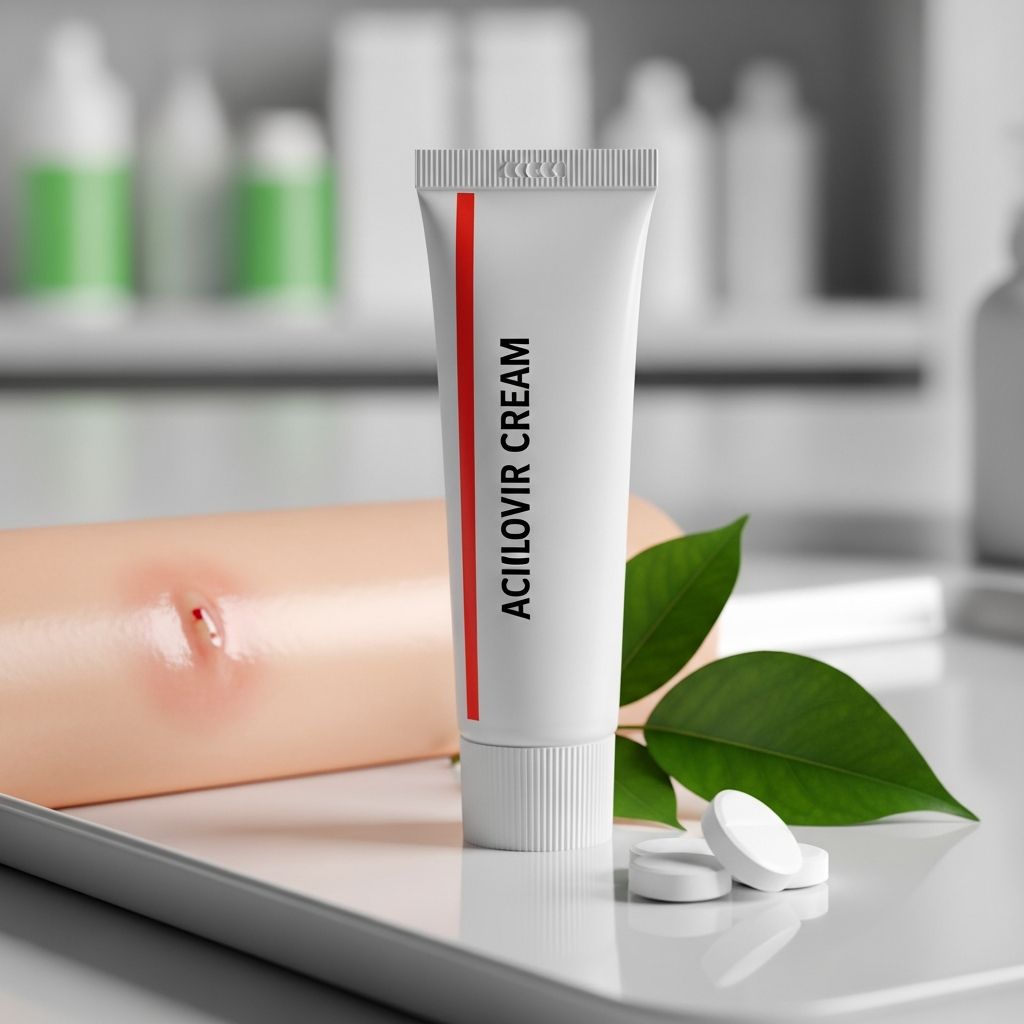
Aciclovir cream represents a targeted topical treatment designed to address infections triggered by the herpes simplex virus, particularly when manifestations appear on the lips and facial skin. This antiviral medication operates through a mechanism that inhibits viral replication rather than completely eliminating the pathogen from the body. The primary advantage of aciclovir cream lies in its ability to substantially diminish the severity of symptoms and accelerate the healing process during active outbreaks.
Unlike systemic treatments taken orally, aciclovir cream delivers medication directly to the affected area, making it an accessible option for individuals seeking localized relief. The formulation works best when applied during the earliest stages of a cold sore outbreak, particularly when patients experience the initial tingling or itching sensations that precede visible lesions.
How Aciclovir Cream Functions Against Viral Infections
Aciclovir belongs to a class of medications known as synthetic nucleoside analogues, which are specifically engineered to combat viral pathogens. When applied topically, the cream penetrates the affected tissue and disrupts the virus’s ability to replicate and spread. This mechanism of action is particularly effective against herpes simplex virus because it targets the viral DNA replication process at a molecular level.
The medication does not cure herpes simplex infections or prevent future outbreaks. Instead, it manages the active infection by reducing both the pain associated with cold sores and the duration of symptoms. Research indicates that patients using aciclovir cream experience approximately half a day reduction in symptom duration compared to untreated cases.
Medical Applications and Appropriate Uses
Aciclovir cream is specifically indicated for treating mild herpes simplex infections affecting the outer surfaces of the lips and facial skin. The medication addresses the localized manifestations of viral infection without addressing systemic herpes virus presence in the nervous system.
Primary conditions treated include:
- Cold sores and fever blisters on the lips
- Herpes simplex lesions on facial skin
- Recurrent herpes labialis (oral herpes)
It is important to note that aciclovir cream should never be applied inside the mouth or near the eyes, as these areas require different treatment approaches and the cream formulation is not designed for mucosal surfaces.
Proper Application Techniques for Maximum Effectiveness
The method of application significantly influences how effectively aciclovir cream manages symptoms. Following correct application protocols ensures optimal therapeutic benefit while minimizing potential irritation.
Step-by-step application process:
- Thoroughly wash your hands before and after application to prevent viral transmission
- Gently clean and dry the affected area or the region where symptoms are emerging
- Apply a thin layer of cream covering the cold sore and extending slightly beyond the visible lesion edges
- Gently dab the cream onto the skin rather than rubbing it in, which minimizes trauma to developing blisters
- Allow the treated area to remain uncovered unless your healthcare provider recommends otherwise
Related Stories



The dabbing technique is particularly important because aggressive rubbing can damage fragile blisters and exacerbate discomfort while potentially spreading viral particles.
Dosage Recommendations and Treatment Duration
Consistent application at appropriate intervals is essential for aciclovir cream to achieve its therapeutic effects. The standard dosing regimen balances effectiveness with practical daily scheduling.
| Application Frequency | Interval Between Applications | Suggested Daily Schedule | Treatment Duration |
|---|---|---|---|
| Five times daily | Approximately 4 hours | 7am, 11am, 3pm, 7pm, 11pm | 5 days minimum; up to 10 days if needed |
Patients do not need to apply cream during sleeping hours, allowing for a more manageable treatment schedule. Treatment should continue for the full five-day minimum period even if visible improvement occurs earlier. If cold sores remain unhealed after five days, treatment can be extended to ten days under continued supervision.
If symptoms persist beyond ten days of treatment, medical consultation is warranted to rule out complications or alternative diagnoses.
Timing Considerations: When to Start Treatment
The timing of initial application profoundly affects treatment outcomes. Aciclovir cream demonstrates maximum effectiveness when applied during the prodromal phase—the period when patients experience tingling, itching, or redness but before visible blisters develop. During this early phase, the cream can prevent or significantly minimize blister formation.
However, treatment can still be initiated after blisters have already formed, though the potential for symptom reduction diminishes somewhat. Early application offers the best opportunity for abbreviated healing and reduced discomfort.
Potential Side Effects and Safety Considerations
While aciclovir cream is generally well-tolerated, localized adverse reactions can occur at the application site. These side effects are typically mild and temporary in nature.
Common localized reactions include:
- Mild burning or stinging sensations
- Itching at the application site
- Temporary redness or erythema
- Skin drying and flaking
These reactions usually subside without intervention as treatment continues. However, if localized side effects persist for several days, notification to your healthcare provider or pharmacist is advisable.
Seek immediate medical attention if you experience:
- Sudden swelling of the mouth or lips
- Rash development during treatment
- Severe allergic reactions
Individuals with known hypersensitivity to aciclovir, valaciclovir, propylene glycol, or other cream ingredients should avoid this medication. Additionally, patients with severely weakened immune systems due to conditions such as HIV, AIDS, or those who have undergone bone marrow transplantation should consult their physician before using topical aciclovir, as systemic antiviral therapy may be more appropriate.
Drug Interactions and Concurrent Medication Use
When using aciclovir cream, avoid applying other skin medications or topical products to the affected area unless specifically directed by your healthcare provider. This precaution prevents potential interactions and ensures the cream’s therapeutic efficacy remains uncompromised.
Products to avoid while using aciclovir cream include:
- Cosmetics applied to the treated area
- Sunscreen products
- Lip balms or other lip products
- Other medicated creams or ointments
If you use systemic antiviral medications or other treatments for herpes management, inform your healthcare provider before starting topical aciclovir to ensure compatibility.
Effectiveness and Expected Outcomes
Clinical evidence demonstrates that aciclovir cream provides measurable benefits for individuals experiencing cold sore outbreaks. When applied early in the disease progression, the medication can reduce symptom duration by approximately half a day compared to untreated infection. This reduction in healing time translates to faster return to normal appearance and reduced discomfort during social and professional activities.
The cream’s effectiveness is most pronounced when treatment begins at the first signs of infection. Application during the blister stage continues to provide benefit but with somewhat diminished impact on healing time.
Important Limitations and Realistic Expectations
Understanding what aciclovir cream cannot accomplish is as important as recognizing its benefits. This medication does not cure herpes simplex infections or prevent recurrent outbreaks. The herpes simplex virus remains dormant in nerve tissue and can reactivate periodically, even with regular aciclovir cream use.
Additionally, aciclovir cream does not prevent transmission of the herpes virus to other individuals. Patients should maintain appropriate hygiene and avoid direct contact with others during active outbreaks to minimize transmission risk.
Immune System Status and Treatment Considerations
Individuals with compromised immune function require special consideration regarding aciclovir cream use. Those with weakened immune systems, including patients with HIV or AIDS, should inform their healthcare providers before initiating treatment. These patients may require systemic antiviral therapy administered orally or intravenously rather than topical cream formulations.
Healthcare providers can assess individual immune status and determine whether topical aciclovir cream provides sufficient therapeutic benefit or whether alternative treatment approaches are necessary.
Storage and Handling Information
Proper storage of aciclovir cream maintains its pharmaceutical stability and therapeutic effectiveness. The cream should be stored at room temperature, protected from excessive heat or direct sunlight. Always keep the tube tightly closed when not in use to prevent contamination and degradation.
Frequently Asked Questions About Aciclovir Cream
Can aciclovir cream cure cold sores permanently?
No. Aciclovir cream treats active infection symptoms but does not eradicate the herpes simplex virus from the body. The virus remains dormant in nerve tissue and may reactivate in the future, causing recurrent cold sores.
How quickly does aciclovir cream work?
When applied at the first sign of symptoms, aciclovir cream can prevent blister formation or significantly reduce symptom severity. Full healing typically occurs within 5 to 10 days depending on application timing and individual factors.
Can I use aciclovir cream inside my mouth?
No. Aciclovir cream is specifically formulated for external use on skin surfaces and should never be applied inside the mouth or near the eyes.
Is aciclovir cream safe for children?
Aciclovir cream can be used in children, though dosing must be determined by a healthcare provider. Parents should consult with their child’s physician before starting treatment.
What should I do if my cold sore hasn’t improved after 10 days?
Persistent symptoms lasting longer than ten days warrant medical evaluation to rule out complications or alternative diagnoses.
When to Seek Professional Medical Advice
Consultation with a healthcare provider is recommended in several situations: if you experience severe or persistent side effects, if cold sores do not improve within the expected timeframe, if you have a weakened immune system, or if you are taking multiple medications that might interact with aciclovir cream. Your healthcare provider can determine whether topical aciclovir is appropriate for your specific situation or whether alternative treatments might be more beneficial.
References
- Aciclovir Cream — SingHealth. 2024. https://www.singhealth.com.sg/medicine/aciclovir-cream
- Aciclovir Cream — Health Hub, Singapore Ministry of Health. 2024. https://www.healthhub.sg/medication-devices-and-treatment/medications/aciclovir-cream
- Acyclovir Topical: MedlinePlus Drug Information — U.S. National Library of Medicine. 2024. https://medlineplus.gov/druginfo/meds/a606001.html
- Aciclovir (cream) — Healthify, New Zealand. 2024. https://healthify.nz/medicines-a-z/a/aciclovir-cream
- Acyclovir (topical route) – Side effects & dosage — Mayo Clinic. 2024. https://www.mayoclinic.org/drugs-supplements/acyclovir-topical-route/description/drg-20061579
- ACICLOVIR EG 5% Cream Against Herpes — X Farma. 2024. https://www.xfarma.it/en/aciclovir-eg-5percent-cream-against-herpes-tube-3g.html
- About aciclovir — NHS, United Kingdom. 2024. https://www.nhs.uk/medicines/aciclovir/about-aciclovir/
Similar Articles








Read full bio of Sneha Tete