Aciclovir Tablets: Antiviral Treatment Guide
Comprehensive guide to aciclovir tablets for herpes and viral infections.
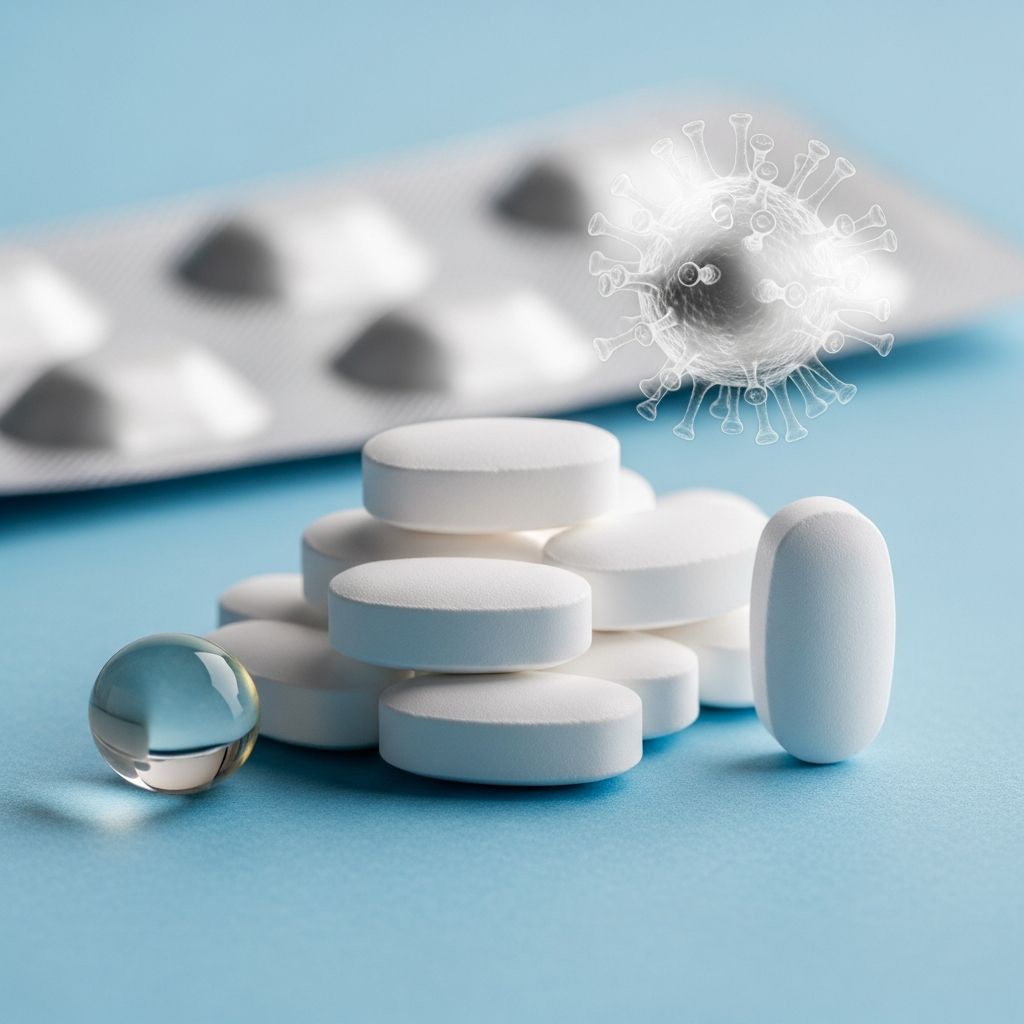
Aciclovir tablets are an antiviral medication designed to combat infections caused by herpes viruses. This medication has become one of the most widely prescribed antivirals worldwide, offering effective treatment for various viral conditions that affect millions of people annually. Whether you are dealing with a first-time outbreak or recurring infections, understanding how these tablets work and what to expect is essential for managing your health effectively.
What Aciclovir Tablets Are and How They Function
Aciclovir, also spelled acyclovir, belongs to a class of medications known as synthetic nucleoside analogues. These tablets work by inhibiting viral DNA replication, effectively stopping viruses from multiplying within the body. When you take aciclovir orally, the medication is converted by viral thymidine kinase into aciclovir monophosphate, which cellular enzymes then convert to aciclovir triphosphate, a potent inhibitor of viral DNA polymerase. This triphosphate form competitively inhibits the viral DNA polymerase and incorporates into viral DNA, causing chain termination and preventing further viral replication.
The selective nature of aciclovir’s mechanism makes it particularly valuable in antiviral therapy. The medication demonstrates extremely low cytotoxicity, meaning it has minimal harmful effects on healthy human cells while effectively targeting viral infections. This selectivity has made aciclovir a cornerstone of herpes virus treatment since its discovery in the mid-1970s and its FDA approval in 1982.
Primary Conditions Treated by Aciclovir Tablets
Aciclovir tablets are indicated for treating multiple viral conditions caused by herpes viruses. Understanding which conditions benefit most from this medication helps patients and healthcare providers make informed treatment decisions.
Herpes Simplex Virus Infections
Aciclovir is FDA-approved to treat genital herpes and herpes simplex encephalitis, with the latter being the first-line treatment option. Genital herpes outbreaks respond well to oral aciclovir, which decreases pain and accelerates healing of sores and blisters. The medication addresses both initial infections and recurring outbreaks, providing symptomatic relief and reducing transmission risk. Additionally, aciclovir can treat cold sores, oral herpes infections, and mucocutaneous herpes simplex in immunocompromised individuals.
Chickenpox Management
Varicella zoster virus, the pathogen responsible for chickenpox, responds effectively to aciclovir tablet therapy. Oral aciclovir can be used to treat chickenpox in adults and severe infections in children, particularly when treatment begins early in the infection course. Starting medication within 48 hours of rash onset produces the most favorable results.
Shingles (Herpes Zoster)
Aciclovir represents an important treatment option for herpes zoster, commonly known as shingles. The standard dosing regimen of 800 mg five times daily for seven days accelerates blister healing and reduces pain severity and duration. Beyond symptomatic relief, this antiviral therapy may prevent post-herpetic neuralgia, a painful complication that can persist long after the rash resolves.
Additional Uses and Off-Label Applications
Beyond FDA-approved indications, aciclovir tablets serve various clinical purposes. In patients with HIV infection, aciclovir treats eczema herpeticum, a rare but rapidly progressive skin infection caused by herpes virus, and prevents herpes infections affecting the skin, eyes, nose, and mouth. The medication also treats oral hairy leukoplakia, a condition presenting as white or gray-colored patches on the tongue or inside the cheek.
Related Stories



Healthcare providers may prescribe aciclovir tablets to prevent viral outbreaks in individuals with a history of herpes infections or those with compromised immune systems, including patients undergoing cancer chemotherapy. When used preventatively, aciclovir is typically taken two to five times daily for periods extending up to 12 months, depending on individual patient circumstances.
Dosage and Administration Guidelines
Proper dosing is crucial for achieving optimal therapeutic outcomes with aciclovir tablets. Dosage varies depending on the condition being treated, the severity of infection, and individual patient factors including kidney function and immune status.
| Indication | Typical Dosage | Duration |
|---|---|---|
| Herpes Zoster (Shingles) | 800 mg five times daily | 7 days |
| Chickenpox | 800 mg four times daily | 5-7 days |
| Genital Herpes (Initial) | 200 mg five times daily | 7-10 days |
| Genital Herpes (Prevention) | 200-400 mg 2-5 times daily | Up to 12 months |
| Cold Sores | 200 mg five times daily | 5 days |
Treatment is most effective when initiated early in the infection process. For shingles and chickenpox, beginning therapy within 48 hours of rash onset maximizes symptomatic relief and healing acceleration. Patients should take tablets with water and may take them with or without food, though consistency in timing helps maintain therapeutic blood levels.
Potential Side Effects and Adverse Reactions
While aciclovir is generally well-tolerated, patients should be aware of possible adverse effects. Most side effects are mild and temporary, but serious reactions require immediate medical attention.
Common Side Effects
Frequently reported side effects include headache, nausea, vomiting, and diarrhea. Some patients experience dizziness or fatigue, while others may develop rashes or itching. These effects typically diminish as the body adjusts to the medication.
Serious Adverse Reactions
Patients experiencing difficulty breathing or swallowing, swelling of the face, throat, tongue, or lips, or hives should seek immediate medical care. Additionally, fever, sore throat, chills, cough, weakness, pale skin, or signs of infection warrant prompt medical evaluation. Fast heartbeat, difficulty sleeping, and hoarseness also represent serious symptoms requiring healthcare provider consultation.
Resistance to aciclovir can develop in some cases, occurring in 1% to 10% of patients, particularly those who are severely immunocompromised. Healthcare providers monitor for resistance development and adjust treatment strategies accordingly.
Drug Interactions and Contraindications
Before starting aciclovir tablets, inform your healthcare provider about all medications, supplements, and herbal products you take. Certain substances may interact with aciclovir, affecting its effectiveness or increasing adverse effect risk. Patients with kidney disease require dosage adjustments, as aciclovir is eliminated through the kidneys. Those with a history of allergic reactions to aciclovir or related antiviral medications should not use this drug.
Pregnancy and breastfeeding considerations require discussion with healthcare providers, as limited safety data exists for these populations. While aciclovir has been used in pregnant women with apparent safety, individual risk-benefit assessments are necessary.
Effectiveness and Treatment Outcomes
Aciclovir tablets demonstrate significant effectiveness in reducing viral replication and associated symptoms. When treatment begins within 48 hours of infection onset, patients experience accelerated healing of lesions and reduced pain duration. For shingles specifically, aciclovir not only speeds recovery but may prevent post-herpetic neuralgia, a debilitating complication affecting some patients.
However, it is important to note that aciclovir will not cure genital herpes permanently and may not prevent transmission to sexual partners, though it significantly reduces transmission risk. The medication addresses active symptoms and viral replication but does not eliminate the virus from nerve tissue where it remains dormant between outbreaks.
Frequently Asked Questions
Can aciclovir cure herpes infections?
Aciclovir treats active herpes infections and reduces symptom severity, but it does not cure herpes permanently. The virus remains in nerve tissue and can reactivate, causing future outbreaks. Long-term suppressive therapy may prevent recurrent outbreaks.
How quickly does aciclovir work?
Symptom improvement typically begins within 24-48 hours of starting treatment. Complete healing of lesions usually takes 7-10 days, depending on the infection severity and individual healing rates.
Is aciclovir safe for children?
Aciclovir is approved for use in children as young as six years old for certain indications. Pediatric dosing differs from adult dosing and must be determined by healthcare providers based on weight and clinical condition.
Can I drink alcohol while taking aciclovir?
Moderate alcohol consumption is generally acceptable during aciclovir therapy. However, excessive alcohol may impair healing and increase side effect risk. Consult your healthcare provider regarding your specific situation.
What should I do if I miss a dose?
Take the missed dose as soon as you remember, unless the next scheduled dose is approaching. Never double doses to compensate for missed ones. Continue your regular dosing schedule afterward.
Storage and Handling Instructions
Store aciclovir tablets at room temperature, away from light and moisture. Keep medications in their original container with the label intact. Store tablets in a location inaccessible to children and pets. Do not use aciclovir tablets beyond their expiration date. When discontinuing therapy, consult your healthcare provider about proper medication disposal rather than flushing or discarding in household trash.
When to Seek Medical Attention
Contact your healthcare provider if symptoms worsen despite treatment, new symptoms develop, or you experience severe adverse effects. Seek emergency care for difficulty breathing, severe swelling, chest pain, or confusion. If you have a weakened immune system, are pregnant, or have kidney disease, medical supervision during aciclovir therapy is particularly important.
Conclusion
Aciclovir tablets represent a well-established, effective treatment option for herpes virus infections including herpes simplex, chickenpox, and shingles. Understanding how this medication works, recognizing appropriate use cases, and being aware of potential side effects empowers patients to use aciclovir safely and effectively. While not a cure for herpes infections, aciclovir substantially reduces symptom severity, accelerates healing, and prevents serious complications. Always follow your healthcare provider’s dosing instructions and report any concerning symptoms promptly.
References
- Aciclovir – Wikipedia — Wikimedia Foundation. Accessed February 2026. https://en.wikipedia.org/wiki/Aciclovir
- Acyclovir – StatPearls — National Center for Biotechnology Information (NCBI), National Library of Medicine. https://www.ncbi.nlm.nih.gov/books/NBK542180/
- Aciclovir, acyclovir – DermNet — DermNet New Zealand. https://dermnetnz.org/topics/aciclovir
- Acyclovir: Uses, Interactions, Mechanism of Action — DrugBank. https://go.drugbank.com/drugs/DB00787
- Acyclovir: MedlinePlus Drug Information — National Library of Medicine. https://medlineplus.gov/druginfo/meds/a681045.html
- About aciclovir – NHS — National Health Service (NHS). https://www.nhs.uk/medicines/aciclovir/about-aciclovir/
- Acyclovir: Uses & Side Effects – Cleveland Clinic — Cleveland Clinic. https://my.clevelandclinic.org/health/drugs/20037-acyclovir-capsules-or-tablets
Similar Articles








Read full bio of Sneha Tete