Aciclovir: Essential Guide To Uses, Dosage, And Safety
Comprehensive guide to aciclovir: uses, dosage, side effects, and management of herpes virus infections.

Aciclovir, also known as acyclovir, is a synthetic antiviral agent primarily used to treat infections caused by herpes viruses, including herpes simplex virus (HSV) types 1 and 2, varicella-zoster virus (VZV), and occasionally others. It is available in oral tablets, topical creams, and intravenous formulations, making it versatile for various clinical scenarios. Discovered in 1974 and FDA-approved in 1982, aciclovir remains a cornerstone therapy for managing viral outbreaks, reducing symptom duration, severity, and complications, though it does not eradicate latent virus or prevent transmission entirely.
What is aciclovir?
Aciclovir is a guanosine nucleoside analogue that selectively inhibits viral DNA polymerase, halting replication of herpes viruses. Unlike broad-spectrum antibiotics, it targets only virus-infected cells due to activation by viral thymidine kinase, minimizing toxicity to healthy human cells—a key factor in its low cytotoxicity profile. Marketed under brand names like Zovirax by GlaxoSmithKline, it treats conditions such as cold sores (herpes labialis), genital herpes, shingles (herpes zoster), chickenpox (varicella), and severe infections like herpes encephalitis or eczema herpeticum. The World Health Organization lists it as an essential medicine for its global efficacy and safety.
Who gets herpes virus infections?
Herpes viruses are ubiquitous: HSV-1 commonly causes oral infections (affecting ~67% of people under 50 globally), while HSV-2 drives most genital cases. VZV causes chickenpox in childhood (near-universal before vaccination) and reactivates as shingles in 1 in 3 adults lifetime, especially over age 50 or immunocompromised individuals. Risk factors include close contact with lesions, weakened immunity (e.g., HIV, chemotherapy, transplants), stress, or age. Immunocompetent patients experience recurrent outbreaks; severe cases occur in neonates, elderly, or those with atopic dermatitis.
What causes herpes virus infections?
HSV-1 and HSV-2 spread via direct contact with infected saliva, mucosal secretions, or skin lesions. VZV transmits respiratory droplets or lesion fluid during chickenpox, with shingles from endogenous reactivation along nerve dermatomes. Latent virus persists in sensory ganglia, reactivating under triggers like UV light, illness, or immunosuppression. Unlike bacterial infections, herpes establishes lifelong latency, explaining recurrence.
What are the clinical features of herpes virus infections?
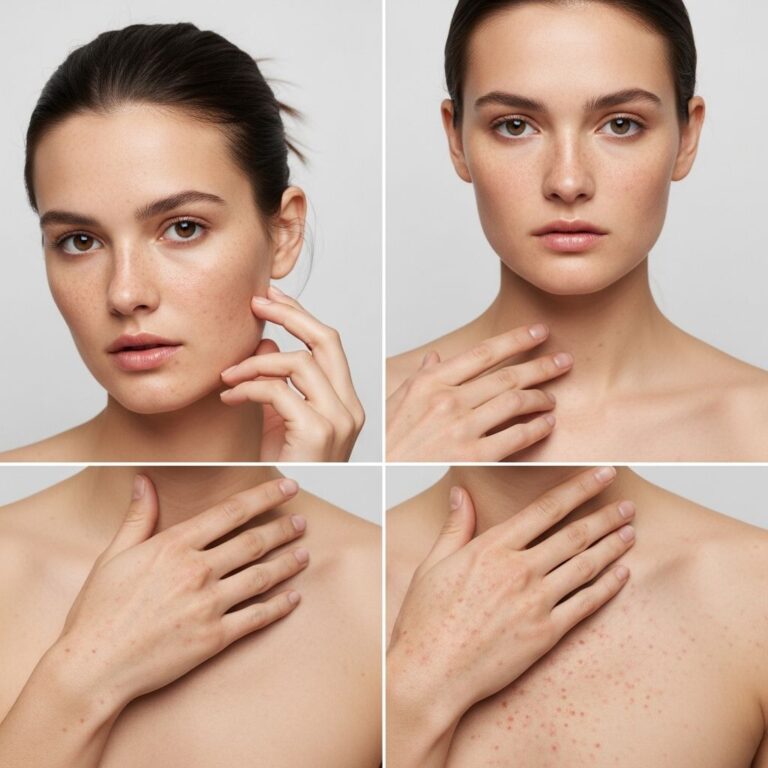
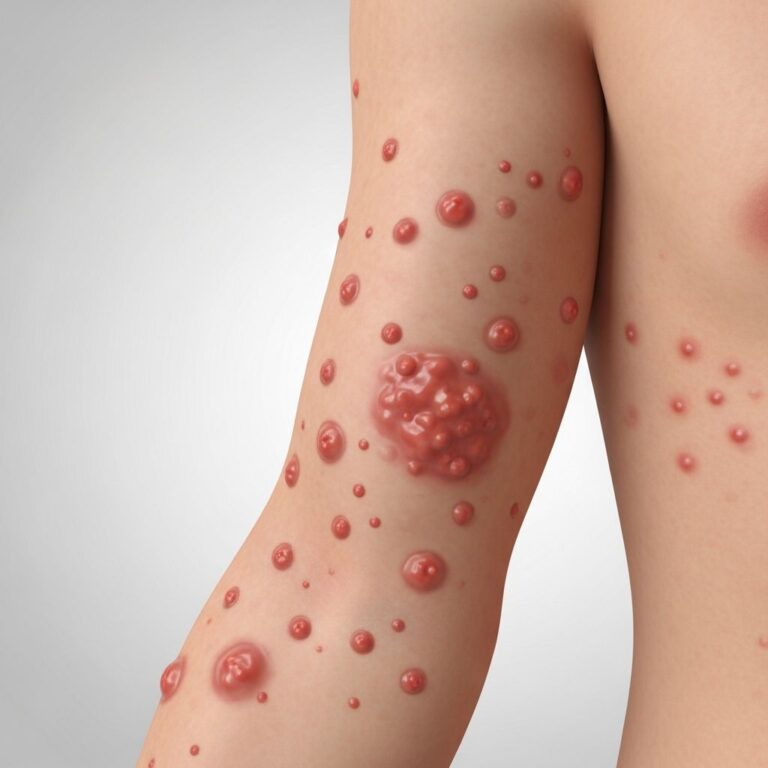
- Primary HSV: Prodrome of tingling/pain, followed by clustered vesicles on erythematous base, evolving to ulcers/crusts over 7–10 days. Oral: gingivostomatitis; genital: painful vulvar/penile lesions.
- Recurrent HSV: Shorter duration (3–7 days), fewer lesions, often triggered. Cold sores on lips; genital recurrences milder.
- Herpes zoster (shingles): Unilateral dermatomal vesicles (thoracic T5-L1 common), severe neuropathic pain preceding rash by 3–5 days.
- Varicella (chickenpox): Centripetal pruritic vesicles (‘dew on rose petal’), fever, lasting 5–10 days; higher risk of bacterial superinfection.
- Complications: Postherpetic neuralgia (PHN, pain >90 days), ocular herpes (keratitis), encephalitis, disseminated disease in immunocompromised.
Diagnosis of herpes virus infections
Clinical diagnosis suffices for typical presentations, confirmed by:
- Tzanck smear: Multinucleated giant cells.
- PCR swab: Gold standard for HSV/VZV typing (high sensitivity).
- Viral culture: Slower, less sensitive.
- Serology: IgM for acute; IgG for past exposure (not routine).
- Biopsy: Rarely for atypical/zosteriform HSV.
How does aciclovir work?
Aciclovir is phosphorylated by viral thymidine kinase to monophosphate, then host kinases to triphosphate (ACV-TP). ACV-TP competitively inhibits viral DNA polymerase, causing chain termination upon incorporation into nascent DNA. This halts replication specifically in infected cells, with minimal host impact due to poor human kinase affinity. Peak activity against HSV-1/2 (ID50 0.04–0.8 µg/mL) and VZV (0.1–4 µg/mL); less potent against CMV/EBV.
Related Stories



Aciclovir treatment
Oral aciclovir
Indicated for non-life-threatening HSV/VZV in immunocompetent patients. Start within 72 hours of rash onset for optimal efficacy.
| Condition | Adult Dose | Child Dose (2+ years) | Duration |
|---|---|---|---|
| Genital herpes (initial) | 200 mg 5x/day or 400 mg 3x/day | 20 mg/kg 4x/day (max 400 mg) | 7–10 days |
| Genital herpes (suppressive) | 400 mg 2x/day | N/A | 6–12 months |
| Herpes labialis | 400 mg 5x/day | N/A | 5 days |
| Shingles | 800 mg 5x/day | 20 mg/kg 4x/day (max 800 mg) | 7 days |
| Chickenpox | 800 mg 4x/day | 20 mg/kg 4x/day (max 800 mg) | 5 days |
Adjust for renal impairment (CrCl <10 mL/min: 50% dose).
Topical aciclovir
5% cream for herpes labialis/genitalis: Apply 5x/day for 4–10 days. Modest benefit (1-day symptom reduction); inferior to oral for genital disease.
Intravenous aciclovir
For severe/complicated infections (encephalitis, disseminated zoster, neonates). Adult: 5–10 mg/kg IV q8h (adjusted for weight/renal function); infuse over 1h to prevent phlebitis. Therapeutic drug monitoring in obesity/renal failure.
Alternatives to aciclovir
- Valaciclovir: Prodrug, 4–5x more bioavailable; 1g 3x/day shingles equals aciclovir 800 mg 5x/day.
- Famciclovir: Similar penciclovir prodrug; effective for zoster/PHN prevention.
- Penciclovir: Topical for cold sores.
- Resistance: Foscarnet or cidofovir IV for thymidine kinase-deficient strains (immunocompromised).
Side effects and drug interactions
Common (>1/100)
- GI: Nausea, vomiting, diarrhea.
- CNS: Headache, dizziness, fatigue.
- Derm: Rash, pruritus.
- Topical: Transient stinging.
Serious (rare)
- Renal: Crystalluria, acute kidney injury (hydrate, slow infusion).
- Neuro: Confusion, hallucinations, seizures (elderly/renal failure).
- Hypersensitivity: Stevens-Johnson syndrome.
Interactions: Nephrotoxic drugs (e.g., aminoglycosides), probenecid (↑levels), mycophenolate. No major CYP interactions.
Resistance to aciclovir
Occurs in 5–10% immunocompromised (TK-mutated HSV/VZV); rare (<0.5%) immunocompetent. Suspect if no improvement in 7 days. Confirm by plaque reduction assay; treat with foscarnet.
Special situations
- Pregnancy: Category B; safe (reduces neonatal HSV risk). Use 400 mg 3x/day third trimester suppression if recurrent.
- Breastfeeding: Minimal excretion; safe.
- Neonates: 20 mg/kg IV q8h (HSV).
- Renal/hepatic impairment: Dose adjust (e.g., CrCl 10–25: q12h).
- Immunocompromised: Higher doses/prophylaxis (400 mg 2–4x/day).
Prevention of herpes virus infections
- VZV vaccine prevents chickenpox/shingles (esp. >50 years).
- HSV suppressive therapy for frequent recurrences (>6/year).
- Prophylaxis in transplant/chemotherapy patients.
- Barrier precautions, condom use (imperfect).
Frequently asked questions
Is aciclovir a cure for herpes?
No, it suppresses replication but latent virus persists. Reduces outbreaks/transmission by 50% on suppression.
Can I take aciclovir if pregnant?
Yes, first-line for HSV; consult physician.
How soon should I start aciclovir for shingles?
Within 72h rash onset for best pain/rash resolution/PHN prevention.
Does topical aciclovir work for genital herpes?
Limited; oral preferred for systemic effect.
What if aciclovir doesn’t work?
Check adherence, renal function, resistance (test needed).
References
- Aciclovir (ACV) | Research Starters — EBSCO. 2023. https://www.ebsco.com/research-starters/health-and-medicine/aciclovir-acv
- Aciclovir – StatPearls — NCBI Bookshelf. 2024-07-24. https://www.ncbi.nlm.nih.gov/books/NBK542180/
- Acyclovir: Uses, Interactions, Mechanism of Action — DrugBank. 2024. https://go.drugbank.com/drugs/DB00787
- About aciclovir — NHS. 2024. https://www.nhs.uk/medicines/aciclovir/about-aciclovir/
- Acyclovir (oral route, intravenous route) — Mayo Clinic. 2024. https://www.mayoclinic.org/drugs-supplements/acyclovir-oral-route-intravenous-route/description/drg-20068393
- Acyclovir – Wikipedia — Wikipedia (primary sources referenced). 2024. https://en.wikipedia.org/wiki/Aciclovir
Similar Articles








Read full bio of Sneha Tete