Acid Reflux And Oesophagitis: Symptoms, Diagnosis & Treatment
Understand acid reflux causes, symptoms, diagnosis, treatments, and lifestyle changes to manage heartburn and oesophagitis effectively.
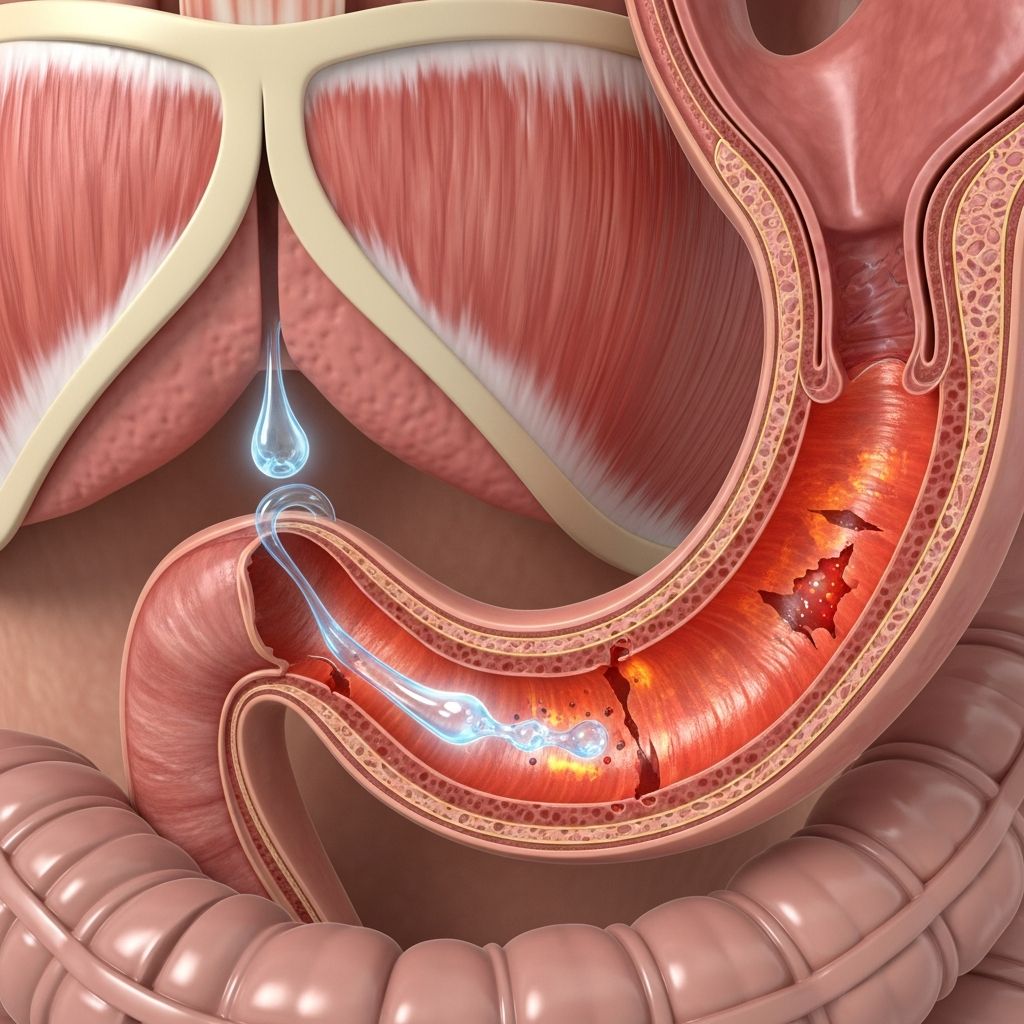
Acid reflux occurs when stomach acid leaks back into the oesophagus, often leading to
heartburn
and potentially causingoesophagitis
, which is inflammation of the oesophagus lining. This condition, also known as gastro-oesophageal reflux disease (GORD or GERD), affects many adults and can be managed with medications and lifestyle adjustments.What are acid reflux and oesophagitis?
**Acid reflux** refers to the backflow of stomach acid into the oesophagus, the tube connecting the mouth to the stomach. This can irritate the oesophageal lining, resulting in
oesophagitis
or inflammation. While the oesophagus lining can tolerate some acid exposure, individuals vary in sensitivity; some develop symptoms and inflammation from minimal reflux, while others tolerate more without issues.Most oesophagitis cases stem from this acid reflux, though other causes like infections or medications exist. This article focuses on acid-related reflux and oesophagitis in adults, distinct from childhood reflux.
Symptoms of acid reflux and oesophagitis
The hallmark symptom is
heartburn
, a burning sensation rising from the upper abdomen or lower chest towards the neck. It is unrelated to the heart despite the name.Other common symptoms include:
- Pain in the upper abdomen or chest
- Feeling sick (nausea)
- Acid or bitter taste in the mouth
- Bloating and belching
- Indigestion (dyspepsia)
- Burning pain when swallowing hot drinks
Symptoms often worsen after eating, lying down, or bending over. Severe cases may involve difficulty swallowing (dysphagia) or food feeling stuck.
What causes acid reflux?
A ring of muscle called the lower oesophageal sphincter (LOS) normally prevents acid reflux by relaxing only to allow food passage. Faulty LOS function causes reflux. Contributing factors include:
- Hiatus hernia, where part of the stomach pushes through the diaphragm
- Obesity, increasing abdominal pressure
- Pregnancy, due to hormonal changes and pressure
- Smoking, weakening the LOS
- Certain foods/drinks (fatty/spicy foods, chocolate, caffeine, alcohol)
- Medications like NSAIDs or calcium channel blockers
Acid reflux is common, affecting about 20-30% of adults weekly, with higher rates in Western countries.
How common is acid reflux?
GORD symptoms occur in 10-20% of the population regularly. Risk increases with age, obesity, and smoking. Men and pregnant women are particularly susceptible.
How is acid reflux and oesophagitis diagnosed?
Diagnosis often relies on typical symptoms relieved by treatment, termed ‘presumed acid reflux’. Tests are reserved for severe, persistent, or atypical cases.
Common diagnostic tests:
- Gastroscopy (endoscopy): A flexible tube with a camera examines the oesophagus for inflammation or damage. Biopsies can rule out other conditions.
- 24-hour pH monitoring: Measures acid levels in the oesophagus using a nasal catheter or wireless capsule to correlate symptoms with reflux.
- Oesophageal manometry: Assesses LOS pressure and function.
- Barium swallow X-ray: Less common, visualises reflux or narrowing.
Related Stories



Endoscopic grading like the Savary-Miller system assesses oesophagitis severity.
Treatments for acid reflux and oesophagitis
Treatment aims to reduce acid production, neutralise acid, and protect the oesophagus. Most improve with medication; surgery is rare.
Antacids
Alkaline liquids or tablets (e.g., Gaviscon, Rennie) provide quick relief for mild symptoms by neutralising stomach acid. Used as needed.
H2 blockers
Drugs like ranitidine or cimetidine reduce acid production for 4-5 hours. Suitable for moderate symptoms.
Proton pump inhibitors (PPIs)
First-line for most cases. PPIs (e.g., omeprazole, lansoprazole, pantoprazole) strongly suppress acid, healing oesophagitis in 80-90% of cases. Standard course: full dose for 4-8 weeks, then step down.
Comparison of acid-suppressing medications:
| Medication Type | Examples | Duration of Effect | Use Case |
|---|---|---|---|
| Antacids | Gaviscon, Maalox | Quick, short (1-2 hrs) | Mild, as needed |
| H2 Blockers | Ranitidine, Famotidine | 4-5 hours | Moderate symptoms |
| PPIs | Omeprazole, Esomeprazole | 24 hours | Severe/persistent |
Other treatments
- Alginates: Form a raft over stomach contents to block reflux.
- Prokinetics: Strengthen LOS (rarely used).
- Surgery: Fundoplication for refractory cases.
Lifestyle changes for acid reflux and oesophagitis
Lifestyle modifications enhance treatment efficacy and reduce reliance on drugs.
- Weight loss: If overweight, losing 5-10% body weight significantly reduces symptoms.
- Stop smoking: Improves LOS function.
- Elevate bed head: 15-20 cm at night to prevent nocturnal reflux.
- Avoid triggers: Eat smaller, frequent meals; avoid lying down 3 hours post-meal; limit fatty/spicy foods, chocolate, caffeine, alcohol, fizzy drinks.
- Posture: Avoid tight clothing; don’t bend over after eating.
Acid reflux diet tips:
- Eat: Fibre-rich foods, vegetables, non-acidic fruits (bananas, melons), lean proteins, oats.
- Avoid: Citrus, tomatoes, onions, garlic, peppermint, processed foods.
Complications from oesophagitis
Most cases resolve without issues, but untreated chronic reflux can lead to:
- Oesophageal stricture: Scarring narrows the oesophagus, causing swallowing difficulty. Treated with dilation.
- Barrett’s oesophagus: Cell changes in lower oesophagus increase oesophageal cancer risk (0.5% annual risk). Requires surveillance endoscopy.
- Ulcers: Painful sores from acid erosion.
- Anaemia: From chronic bleeding.
Research shows longer symptom duration correlates with higher complication rates, including Barrett’s.
Understanding the oesophagus and stomach
The oesophagus transports food to the stomach via peristalsis. The LOS prevents reflux. Stomach acid (pH 1-2) digests food but damages oesophageal lining (designed for pH 4-6). Hiatus hernia disrupts this barrier.
Frequently Asked Questions (FAQs)
Q: What is the difference between acid reflux and heartburn?
A: Acid reflux is the backflow of stomach acid; heartburn is the burning symptom it causes.
Q: Can acid reflux cause chest pain?
A: Yes, it mimics heart pain but is from oesophageal irritation. Seek urgent care if unsure.
Q: Are PPIs safe for long-term use?
A: Generally safe, but discuss risks like bone fractures or infections with your doctor for prolonged use.
Q: Does stress worsen acid reflux?
A: Stress may exacerbate symptoms indirectly by affecting eating habits or LOS function.
Q: When should I see a doctor for heartburn?
A: If frequent (2+ times/week), persistent despite OTC treatment, with weight loss, vomiting, or swallowing issues.
References
- Gastroesophageal reflux disease (GERD) – Symptoms and causes — Mayo Clinic. 2023-10-31. https://www.mayoclinic.org/diseases-conditions/gerd/symptoms-causes/syc-20361940
- Acid Reflux and Oesophagitis — Patient.info. 2024-01-15. https://patient.info/digestive-health/acid-reflux-and-oesophagitis
- Barrett’s Oesophagus — Patient.info. 2024-02-20. https://patient.info/digestive-health/acid-reflux-and-oesophagitis/barretts-oesophagus
- Gastro-oesophageal Reflux Disease (GORD) — Patient.info (Doctor). 2025-05-10. https://patient.info/doctor/gastroenterology/gastro-oesophageal-reflux-disease
- Acid Reflux/GERD — American College of Gastroenterology. 2024-08-15. https://gi.org/topics/acid-reflux/
- Gastroesophageal Reflux Disease: A General Overview — PMC (NCBI). 2023-07-15. https://pmc.ncbi.nlm.nih.gov/articles/PMC10324770/
Similar Articles








Read full bio of Sneha Tete