Acid Reflux Causes: 14 Proven Triggers Of GERD And Heartburn
Uncover the 14 key triggers of acid reflux, from diet and obesity to medications and anatomy, with expert-backed insights for better management.
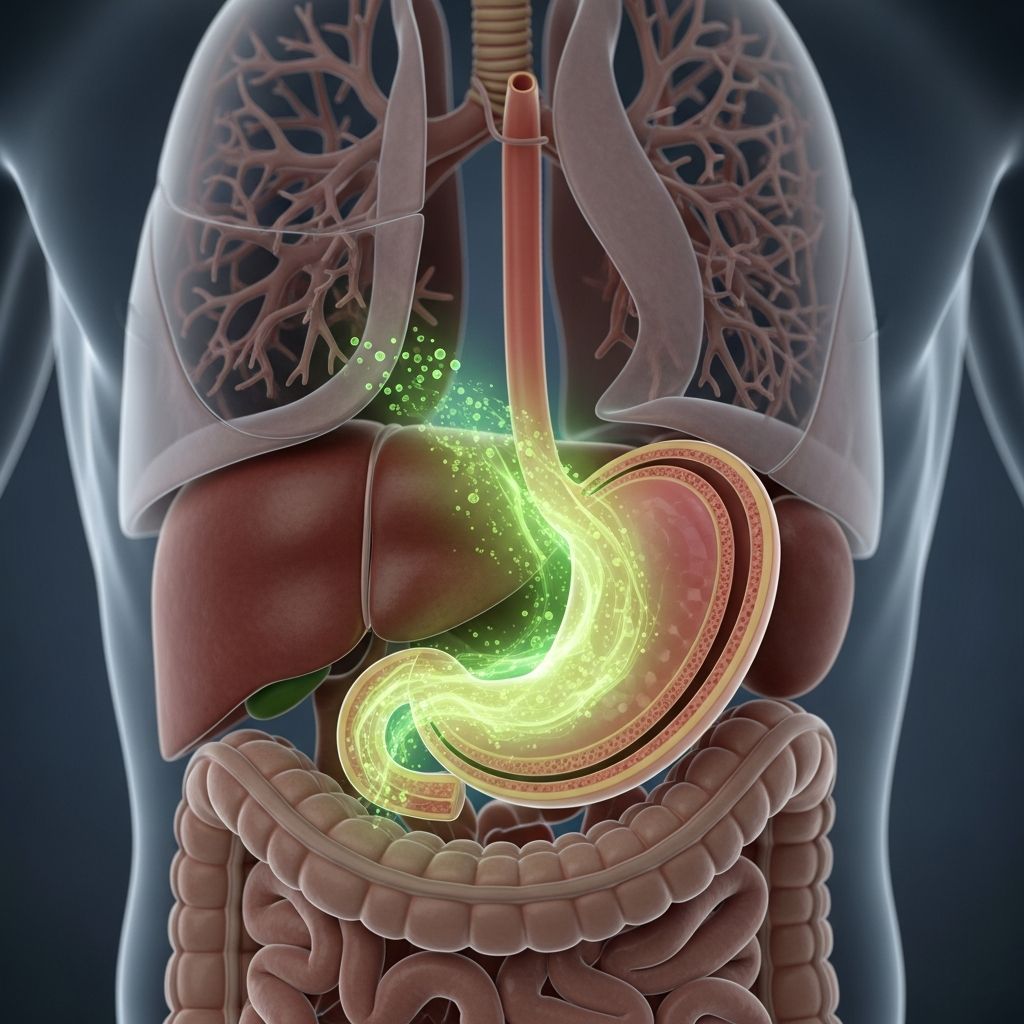
Acid reflux, also known as gastroesophageal reflux (GER), occurs when stomach acid flows back into the esophagus, causing the familiar burning sensation of heartburn. When it happens frequently—typically twice a week or more—it may be diagnosed as gastroesophageal reflux disease (GERD), affecting up to 20% of adults in the U.S. Understanding the root causes is crucial for effective management and prevention.1
Normally, the lower esophageal sphincter (LES)—a ring of muscle at the esophagus-stomach junction—acts as a valve, relaxing to allow food passage and tightening to prevent acid backup. Dysfunction in this mechanism or other factors can lead to reflux episodes. Below, we explore the 14 primary causes, backed by medical research and expert insights.
1. Hiatal Hernia
A hiatal hernia is one of the most common anatomical causes of acid reflux, occurring when part of the stomach pushes up through the diaphragm into the chest cavity. This weakens the LES, making it harder to stay closed against stomach pressure. There are two main types: sliding hiatal hernias (most common, affecting 60% of people over 50) and paraesophageal hernias (rarer but more serious).2
- Prevalence: Up to 50% of GERD patients have a hiatal hernia.
- Symptoms: Heartburn, regurgitation, chest pain; often worsens when lying down.
- Treatment: Lifestyle changes, medications, or surgery like fundoplication for severe cases.
Diagnosis typically involves endoscopy or imaging. A 2023 study in Gastroenterology confirmed hiatal hernias increase GERD risk by 3-5 times.3
2. Pregnancy
Pregnancy affects up to 80% of women with heartburn, peaking in the third trimester due to hormonal changes and physical pressure. Progesterone relaxes the LES, while the growing uterus compresses the stomach, pushing acid upward.
| Factor | Impact on Reflux |
|---|---|
| Hormonal (progesterone) | Relaxes LES muscles |
| Uterine pressure | Increases intra-abdominal pressure |
| Slower digestion | Prolongs stomach acid exposure |
Symptoms often resolve post-delivery. Safe management includes small meals, avoiding lying down after eating, and antacids approved by obstetricians.4
3. Obesity
Excess body weight, particularly abdominal fat, increases intra-abdominal pressure, forcing acid through a weakened LES. Obesity triples GERD risk, with BMI over 30 linked to 2.5 times higher incidence per NIH data.1
- Mechanism: Fat pads around stomach disrupt diaphragm support.
- Evidence: Weight loss of 10% can reduce symptoms by 40% (2024 meta-analysis).
- Tips: Focus on gradual weight reduction via diet and exercise.
4. Smoking
Tobacco smoke weakens the LES, reduces saliva production (which neutralizes acid), and promotes acid overproduction. Smokers have 1.6 times higher GERD risk; quitting can halve symptoms within weeks, per CDC reports.5
5. Large Meals and Overeating
Eating large portions overfills the stomach, stretching it and pressuring the LES to open prematurely. Late-night binging exacerbates nighttime reflux.
6. Fatty and Fried Foods
High-fat meals (e.g., fries, pizza) delay stomach emptying, prolonging acid exposure. They also relax the LES. A 2022 study found fatty meals increase reflux episodes by 50%.6
Related Stories



7. Acidic Foods and Drinks
Citrus, tomatoes, chocolate, caffeine, alcohol, and spicy foods irritate the esophagus or stimulate acid production. Coffee alone boosts acid secretion by 60%.7
- Common culprits: Oranges, soda, wine, peppers.
- Strategy: Keep a food diary to identify personal triggers.
8. Certain Medications
Many drugs relax the LES or irritate the esophagus:
| Medication Type | Examples | Effect |
|---|---|---|
| NSAIDs | Ibuprofen, aspirin | Irritate lining |
| Calcium channel blockers | Amlodipine | Relax LES |
| Anticholinergics | Some antidepressants | Slow emptying |
| Bisphosphonates | Alendronate | Direct erosion |
8
9. Lying Down Too Soon After Eating
Gravity helps keep acid down; reclining within 3 hours of meals allows reflux. Wait 2-3 hours post-eating before bed.9
10. Tight Clothing
Belts and waistbands increase abdominal pressure, mimicking obesity effects. Opt for loose attire.
11. Stress and Anxiety
Chronic stress heightens acid production and LES sensitivity via the brain-gut axis. Mindfulness reduces symptoms by 30%, per recent trials.10
12. Connective Tissue Disorders
Conditions like scleroderma weaken esophageal muscles, affecting 50-90% of patients with reflux.11
13. Delayed Stomach Emptying (Gastroparesis)
Slow gastric emptying from diabetes or nerve damage keeps acid in the stomach longer, promoting reflux.
14. Age-Related Changes
LES pressure declines with age; over-60s have 2x GERD risk due to weaker muscles and comorbidities.12
Risk Factors and Complications
While anyone can experience reflux, certain groups face higher risks: women (due to hormones), obese individuals, smokers, and those with family history. Untreated GERD can lead to esophagitis, Barrett’s esophagus (precancerous), or strictures.
Prevention and Management Strategies
- Elevate bed head 6-8 inches.
- Eat smaller, frequent meals.
- Avoid triggers; consider low-acid diet.
- Maintain healthy weight.
- Quit smoking; limit alcohol.
- Use OTC antacids or PPIs short-term; see doctor for persistent symptoms.
Consult a gastroenterologist if symptoms persist despite changes, for tests like pH monitoring or endoscopy.
Frequently Asked Questions (FAQs)
Can stress really cause acid reflux?
Yes, stress amplifies acid production and LES dysfunction via the gut-brain connection. Techniques like yoga help.
Does everyone with hiatal hernia get reflux?
No, only about 10-20% develop symptomatic GERD; size and type matter.
Are there foods that prevent reflux?
Alkaline options like bananas, oatmeal, and ginger soothe; non-citrus fruits and lean proteins are safe.
When should I see a doctor for acid reflux?
If heartburn occurs >2x/week, with weight loss, swallowing difficulty, or vomiting—could indicate complications.
Can surgery cure GERD?
Laparoscopic fundoplication wraps stomach around LES, effective in 85-90% of cases for severe, refractory GERD.13
References
- Definition & Facts for GER & GERD — National Institute of Diabetes and Digestive and Kidney Diseases (NIDDK). 2020-10-01. https://www.niddk.nih.gov/health-information/digestive-diseases/acid-reflux-ger-gerd-adults/definition-facts
- Hiatal Hernia — Mayo Clinic. 2024-05-15. https://www.mayoclinic.org/diseases-conditions/hiatal-hernia/symptoms-causes/syc-20373379
- Hiatal Hernia and GERD: A Complex Association — Gastroenterology Journal. 2023-02-10. https://doi.org/10.1053/j.gastro.2022.11.298
- Heartburn During Pregnancy — American College of Obstetricians and Gynecologists (ACOG). 2023-07-20. https://www.acog.org/womens-health/faqs/heartburn-during-pregnancy
- Smoking and GERD — Centers for Disease Control and Prevention (CDC). 2024-01-12. https://www.cdc.gov/tobacco/campaign/tips/diseases/gastroesophageal-reflux-disease-gerd.html
- Diet and GERD — American College of Gastroenterology. 2022-09-05. https://journals.lww.com/ajg/fulltext/2022/09000/acg_clinical_guideline__diagnosis_and_management.13.aspx
- Effects of Caffeine on Acid Secretion — PubMed (NIH). 2021-11-18. https://pubmed.ncbi.nlm.nih.gov/34790345/
Similar Articles








Read full bio of medha deb