Acid Reflux & GERD: Symptoms, Causes, and Treatment
Understanding acid reflux and GERD: Learn about symptoms, causes, diagnosis, and effective treatment options.
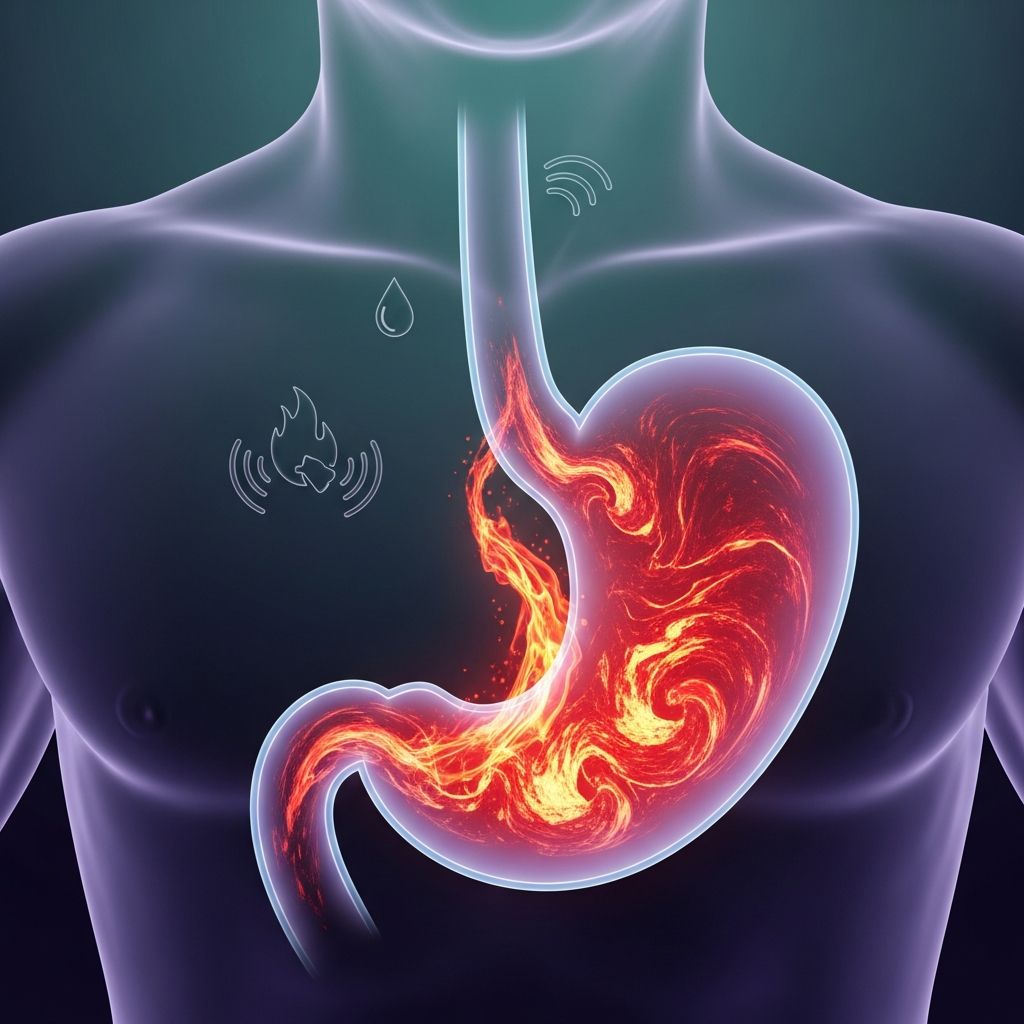
Understanding Acid Reflux and GERD
Acid reflux occurs when stomach acid rises into your esophagus, causing heartburn and other uncomfortable symptoms. This condition happens when the lower esophageal sphincter (LES)—the valve that separates your stomach from your esophagus—opens when it shouldn’t. When this valve malfunctions, the contents of your stomach, including acid, digestive juices, and food, flow backward into your esophagus, causing irritation and discomfort.
While occasional acid reflux is common and typically manageable at home, chronic acid reflux develops into a more serious condition known as GERD. GERD stands for gastroesophageal reflux disease, and it occurs when you experience acid reflux at least twice a week for several weeks or longer. Unlike occasional heartburn, GERD is a chronic condition that requires medical attention and ongoing management to prevent damage to your esophagus tissues.
What Is the Difference Between Heartburn, Acid Reflux, and GERD?
Many people use these terms interchangeably, but they represent different points on a spectrum of digestive discomfort. Heartburn is a symptom you feel—that burning sensation in your chest or throat. Acid reflux is the actual physical process where stomach acid backs up into your esophagus. GERD is the chronic version of acid reflux, where the condition becomes a persistent disease requiring treatment.
It’s important to note that acid reflux may not always cause symptoms. Most people can experience up to an hour of reflux per day without feeling anything. However, when reflux becomes problematic, it produces the uncomfortable sensation of heartburn.
Symptoms of Acid Reflux and GERD
The most common symptom of acid reflux is heartburn, which typically feels like a burning sensation in your chest or behind your breastbone. However, GERD can produce a wider range of symptoms that extend beyond typical heartburn.
Common symptoms include:
- Burning sensation in your chest or throat
- Regurgitation of food or liquids
- Sensation of a lump in the back of your throat
- Chronic cough
- Hoarseness or voice changes
- Difficulty swallowing
- Nausea
- Sour taste in your mouth
- Bad breath
Some people experience extraesophageal symptoms, meaning the acid reaches areas beyond the esophagus. These can include asthma-like symptoms, laryngitis, or persistent throat-clearing. When stomach acid reaches the larynx and pharynx, a condition called laryngopharyngeal reflux occurs, which may require evaluation by an ear, nose, and throat specialist.
Causes and Risk Factors
Several factors can contribute to the development of acid reflux and GERD. Understanding these risk factors can help you take preventive steps and manage your condition more effectively.
Physical factors affecting the lower esophageal sphincter:
- Low LES pressure from muscle weakness
- Increased gastroesophageal junction distensibility
- Delayed gastric emptying, where food remains in your stomach too long
- Poor mixing of acid with food in your stomach
Lifestyle and dietary factors:
- Consuming large or rich meals
- Lying down too soon after eating
- Obesity and excess weight
- Smoking and tobacco use
- Excessive alcohol consumption
- Eating acidic foods that irritate the esophagus
- Consuming fatty or fried foods that relax the LES
- Caffeine and chocolate consumption
Related Stories



Medical conditions:
- Hiatal hernia, where part of your stomach pushes through your diaphragm
- Pregnancy, which increases abdominal pressure
- Certain medications that affect LES function
Complications of GERD
If left untreated or inadequately managed, chronic GERD can lead to serious complications. The persistent backflow of stomach acid causes inflammation and irritation of the esophagus lining, potentially leading to:
- Reflux esophagitis—inflammation of the esophageal tissue
- Esophageal ulcers
- Narrowing of the esophagus due to scar tissue formation
- Barrett’s esophagus, where cells in the esophagus change in response to chronic acid exposure
- Increased risk of esophageal cancer in severe cases
These complications underline the importance of seeking proper diagnosis and treatment rather than ignoring persistent symptoms.
Diagnosis of GERD
GERD is primarily diagnosed based on your typical symptoms of heartburn and acid regurgitation. However, when symptoms persist despite treatment or when complications are suspected, your gastroenterologist may recommend additional tests.
Diagnostic tests may include:
- Upper endoscopy: A thin tube with a camera allows your doctor to visualize your esophagus and stomach, checking for inflammation, ulcers, or other damage
- pH testing: This measures acid exposure in your esophagus to confirm abnormal acid reflux
- pH impedance testing: This detects both acidic and nonacidic reflux, helping identify weakly acidic or alkaline secretions
- Esophageal manometry: This test measures the strength and function of your esophageal muscles
- Biopsies: Tissue samples taken during endoscopy can rule out conditions like eosinophilic esophagitis
If you experience alarm symptoms such as difficulty swallowing, persistent vomiting, or signs of bleeding, upper endoscopy should be performed within two weeks.
Treatment Options for Acid Reflux and GERD
Lifestyle Modifications
Many people can manage mild acid reflux through lifestyle adjustments. These changes address the underlying causes and reduce pressure on the LES:
- Eat smaller, more frequent meals instead of large portions
- Wait at least two to three hours after eating before lying down
- Elevate the head of your bed by 6 to 8 inches
- Avoid triggering foods that worsen your symptoms
- Limit alcohol and caffeine consumption
- Quit smoking and avoid tobacco products
- Lose weight if you’re overweight
- Wear loose-fitting clothing that doesn’t put pressure on your stomach
- Eat slowly and chew food thoroughly
Over-the-Counter Medications
For occasional heartburn, several OTC options can provide relief by neutralizing or reducing stomach acid:
- Antacids: Provide rapid relief by neutralizing stomach acid
- H2 receptor blockers: Reduce the amount of acid your stomach produces
- Proton pump inhibitors (PPIs): More powerful acid reducers available without prescription
Prescription Medications
For chronic GERD, healthcare providers typically recommend prescription medications. Current guidelines indicate that patients with typical GERD symptoms should first try a proton pump inhibitor. These prescription options include:
- Prescription-strength PPIs: More potent versions of over-the-counter options
- H2 receptor blockers: Stronger prescription formulations
- Combination therapy: Using multiple medications for better control
An eight-week course of PPI therapy is typically needed to allow the esophagus to heal. If symptoms persist after eight weeks on a PPI, your doctor will likely recommend endoscopy with biopsies to rule out other conditions.
Advanced Treatment for Persistent Symptoms
When reflux symptoms continue despite medication, and pH and impedance testing shows normal results, your doctor may diagnose reflux hypersensitivity or functional heartburn. Reflux hypersensitivity involves an exaggerated response to normal reflux, while functional heartburn refers to symptoms without objective evidence of abnormal reflux. These patients may benefit from pain modulators such as:
- Selective serotonin reuptake inhibitors (SSRIs)
- Serotonin-norepinephrine reuptake inhibitors (SNRIs)
- Tricyclic antidepressants
Surgical and Procedural Options
When medication fails to control GERD or complications develop, a more definitive treatment approach may be necessary. These minor, outpatient procedures are very effective at addressing the underlying problem:
- Fundoplication: Surgical tightening of the lower esophageal sphincter
- LINX device: A small ring of magnetic beads placed around the LES to strengthen its function
- Endoscopic procedures: Minimally invasive techniques to tighten or reinforce the LES
In severe cases involving erosive esophagitis or large hiatal hernia, antireflux surgery may be considered as a more permanent solution.
When to See a Healthcare Provider
While occasional heartburn is normal, you should contact your healthcare provider if you experience:
- Heartburn more than twice a week
- Symptoms that interfere with your daily activities
- Worsening symptoms over time
- New symptoms developing alongside heartburn
- Difficulty swallowing or persistent cough
- Vomiting or signs of gastrointestinal bleeding
- Symptoms not relieved by OTC antacids
The Importance of Treatment Compliance
While medication can reduce the symptoms and effects of GERD, it doesn’t stop reflux from happening completely. A severe case of GERD may continue to cause complications despite medication, even if you can’t feel it. This is why regular follow-up with your healthcare provider is essential, and why some patients eventually need surgical intervention.
Frequently Asked Questions
Q: Can I develop GERD suddenly?
A: Yes, GERD can develop suddenly due to changes in diet, weight gain, pregnancy, or new medications. However, it more commonly develops gradually over time.
Q: Is GERD dangerous if left untreated?
A: Yes, untreated GERD can lead to serious complications including esophageal ulcers, Barrett’s esophagus, and in rare cases, esophageal cancer. This is why consistent treatment and monitoring are important.
Q: Can I stop taking GERD medication once my symptoms improve?
A: You should not stop medication without consulting your healthcare provider. GERD is a chronic condition, and stopping treatment often leads to symptom recurrence.
Q: Are there natural remedies for GERD?
A: While lifestyle modifications can help manage GERD, medical treatment is often necessary for chronic cases. Always discuss any natural remedies with your doctor before use.
Q: How long does it take for GERD medication to work?
A: Most medications provide symptom relief within days to weeks. However, healing of the esophageal lining typically requires eight weeks of consistent treatment.
References
- Acid Reflux & GERD: Symptoms, What It Is, Causes, Treatment — Cleveland Clinic. 2024. https://my.clevelandclinic.org/health/diseases/17019-acid-reflux-gerd
- Heartburn, Acid Reflux and GERD Differences — Cleveland Clinic Health. 2024. https://health.clevelandclinic.org/whats-the-difference-between-heartburn-acid-reflux-and-gerd
- GERD: A practical approach — Cleveland Clinic Journal of Medicine, 87(4):223. 2020. https://www.ccjm.org/content/87/4/223
- Evaluation and management of gastroesophageal reflux disease — Cleveland Clinic Journal of Medicine, 89(12):700. 2022. https://www.ccjm.org/content/89/12/700
- Why GERD Can Often Go Undiagnosed — Cleveland Clinic Newsroom. November 24, 2025. https://newsroom.clevelandclinic.org/2025/11/24/why-gerd-can-often-go-undiagnosed
- GERD Diet: Foods To Eat and Avoid — Cleveland Clinic Health. 2024. https://health.clevelandclinic.org/gerd-diet
Similar Articles








Read full bio of medha deb