Acid Reflux Guide: Symptoms, Causes, And Treatment
Comprehensive guide to acid reflux symptoms, causes, treatments, and prevention strategies for better digestive health.
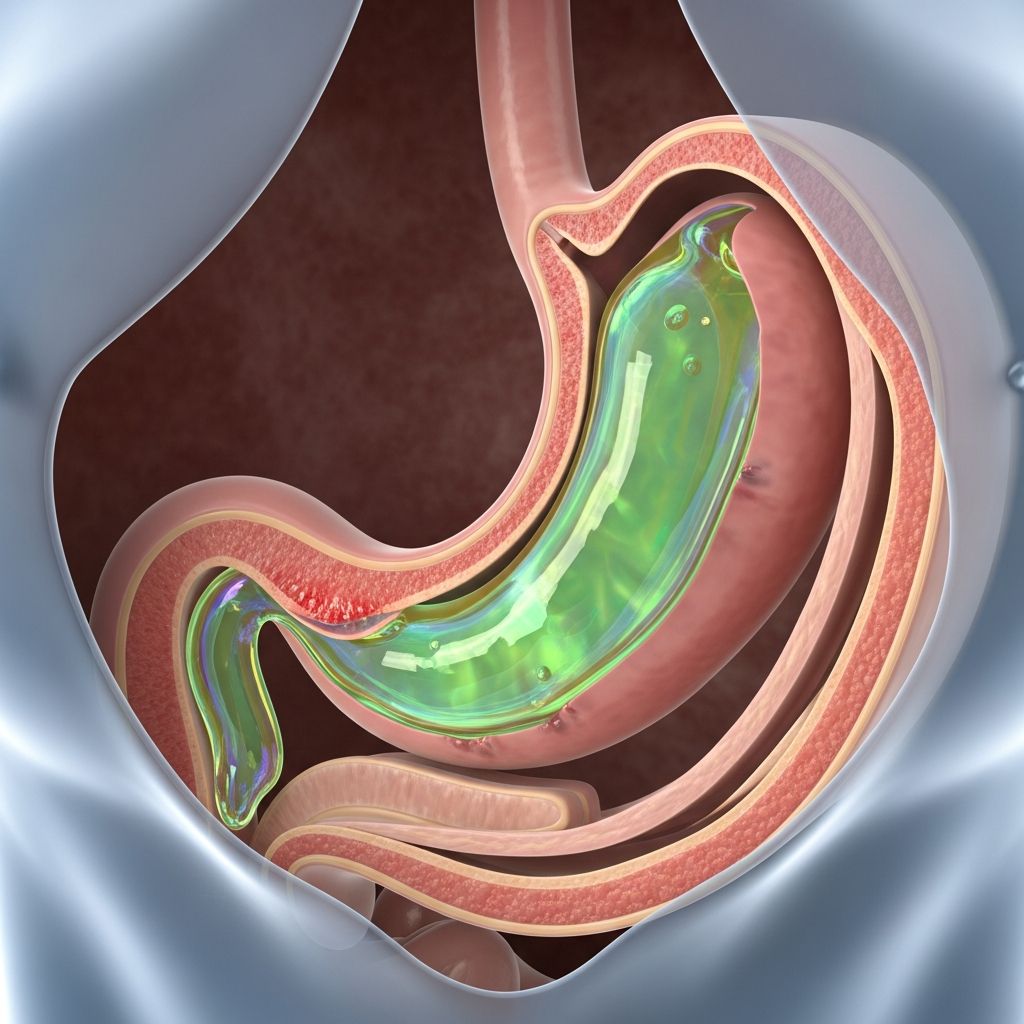
Acid reflux, also known as gastroesophageal reflux disease (GERD) when chronic, affects millions worldwide. It’s characterized by the backward flow of stomach acid into the esophagus, causing discomfort and potential complications if untreated. According to the National Institute of Diabetes and Digestive and Kidney Diseases (NIDDK), about 20% of adults in the U.S. experience GERD symptoms weekly.1 Understanding acid reflux is crucial for effective management and improving quality of life.
Symptoms of Acid Reflux
Acid reflux symptoms vary in intensity but commonly include a burning sensation in the chest known as heartburn. This often worsens after eating, lying down, or bending over. Regurgitation—when sour or bitter-tasting acid backs up into the throat or mouth—is another hallmark symptom.
- Heartburn: Burning pain in the chest, sometimes radiating to the throat or jaw.
- Regurgitation: Acid or food flowing back into the mouth.
- Dysphagia: Difficulty swallowing due to esophageal inflammation.
- Chest pain: Non-cardiac pain mimicking heart issues.
- Extraesophageal symptoms: Chronic cough, hoarseness, sore throat, or asthma-like symptoms.
Severe or persistent symptoms warrant medical attention to rule out complications like esophagitis or Barrett’s esophagus.
Causes of Acid Reflux
The primary cause is a weakened lower esophageal sphincter (LES), the muscle ring that prevents stomach contents from refluxing. When the LES relaxes inappropriately, acid escapes upward. Contributing factors include:
- Hiatal hernia: Part of the stomach pushes through the diaphragm, impairing LES function.
- Obesity: Excess abdominal fat increases pressure on the stomach.
- Pregnancy: Hormonal changes and uterine pressure relax the LES.
- Delayed stomach emptying: Gastroparesis slows digestion, prolonging acid exposure.
- Medications: Aspirin, ibuprofen, calcium channel blockers, and antidepressants can weaken the LES.
The American College of Gastroenterology notes that lifestyle factors like smoking and large meals exacerbate these issues.2
Risk Factors for Acid Reflux
Certain groups face higher risks:
| Risk Factor | Description |
|---|---|
| Obesity | BMI over 30 doubles GERD risk due to intra-abdominal pressure. |
| Smoking | Relaxes LES and reduces saliva production, which neutralizes acid. |
| Hiatal Hernia | Common in people over 50; affects up to 60% of GERD patients. |
| Pregnancy | Affects 30-50% of pregnant individuals, usually resolving post-delivery. |
| Connective Tissue Disorders | Scleroderma weakens esophageal muscles. |
Diagnosis of Acid Reflux
Diagnosis starts with a thorough history and physical exam. If symptoms persist, tests confirm GERD:
- Upper endoscopy: Visualizes esophageal damage; biopsies rule out cancer.
- Esophageal pH monitoring: Measures acid exposure over 24-48 hours.
- Esophageal manometry: Assesses LES pressure and motility.
- Barium swallow X-ray: Tracks acid flow with contrast dye.
The Mayo Clinic emphasizes pH monitoring as the gold standard for confirming non-erosive reflux disease.3
Treatment for Acid Reflux
Lifestyle Modifications
First-line treatment involves changes to reduce reflux:
- Eat smaller, frequent meals; avoid eating 3 hours before bed.
- Lose weight if overweight.
- Elevate head of bed 6-8 inches.
- Avoid triggers: spicy foods, chocolate, caffeine, alcohol, citrus.
- Quit smoking and limit tight clothing.
Medications
Over-the-counter and prescription drugs neutralize or reduce acid:
| Medication Type | Examples | How It Works |
|---|---|---|
| Antacids | Tums, Maalox | Neutralize stomach acid quickly for mild symptoms. |
| H2 Blockers | Pepcid, Zantac | Reduce acid production for 12 hours. |
| Proton Pump Inhibitors (PPIs) | Prilosec, Nexium | Strongest acid suppression; heal esophagitis in 80% of cases. |
| Prokinetics | Reglan | Strengthen LES and speed stomach emptying. |
Related Stories



Surgery and Procedures
For refractory cases:
- Fundoplication: Wraps stomach top around LES to reinforce it; 90% success rate.
- Linx device: Magnetic beads around LES.
- TIF (Transoral Incisionless Fundoplication): Minimally invasive LES tightening.
Complications of Untreated Acid Reflux
Chronic exposure leads to:
- Erosive esophagitis: Ulcers and bleeding.
- Barrett’s esophagus: Precancerous cell changes; 0.5% annual esophageal cancer risk.1
- Esophageal stricture: Narrowing causing swallowing issues.
- Respiratory problems: Aspiration pneumonia or worsened asthma.
Prevention Tips for Acid Reflux
Proactive steps minimize episodes:
- Maintain healthy weight.
- Avoid lying down post-meals.
- Identify and eliminate personal triggers via food diary.
- Use loose clothing and elevate bed head.
- Chew gum to increase saliva and neutralize acid.
When to See a Doctor for Acid Reflux
Seek care if symptoms occur twice weekly, don’t respond to OTC meds, or include:
- Unintentional weight loss
- Severe dysphagia or vomiting
- Blood in vomit/stool
- Persistent hoarseness
Frequently Asked Questions (FAQs)
Can acid reflux cause shortness of breath?
Yes, reflux can irritate airways, triggering laryngospasm or asthma-like symptoms. Consult a doctor to differentiate from cardiac issues.
Is acid reflux curable?
While not always curable, most achieve control with lifestyle changes, medications, or surgery. Long-term PPI use manages symptoms effectively.
Does stress worsen acid reflux?
Stress increases acid production and LES relaxation. Stress management techniques like yoga help.
Are bananas good for acid reflux?
Bananas’ alkaline nature may neutralize acid for some, but test individually as triggers vary.
Can children get acid reflux?
Yes, infantile GERD peaks at 4 months, often resolving by age 1. Persistent cases need pediatric evaluation.
References
- Gastroesophageal Reflux (GER) and Gastroesophageal Reflux Disease (GERD) in Adults — National Institute of Diabetes and Digestive and Kidney Diseases (NIDDK). 2023-10-24. https://www.niddk.nih.gov/health-information/digestive-diseases/acid-reflux-ger-gerd-adults
- ACG Clinical Guideline for the Diagnosis and Management of Gastroesophageal Reflux Disease — American College of Gastroenterology. 2022-01-01. https://journals.lww.com/ajg/fulltext/2022/01000/acg_clinical_guideline_for_the_diagnosis_and.13.aspx
- GERD (Gastroesophageal Reflux Disease) — Mayo Clinic. 2024-09-22. https://www.mayoclinic.org/diseases-conditions/gerd/symptoms-causes/syc-20361940
- Gastroesophageal Reflux Disease (GERD) — National Heart, Lung, and Blood Institute (NHLBI). 2023-05-01. https://www.nhlbi.nih.gov/health/gerd
- Diagnosis and Management of Gastroesophageal Reflux Disease — Cleveland Clinic. 2024-07-15. https://my.clevelandclinic.org/health/diseases/17019-gerd-or-acid-reflux-or-heartburn-overview
Similar Articles








Read full bio of Sneha Tete