Acipimox Capsules Olbetam: Uses, Dosage, Side Effects Guide
Comprehensive guide to Acipimox capsules for managing high lipid levels when diet fails.
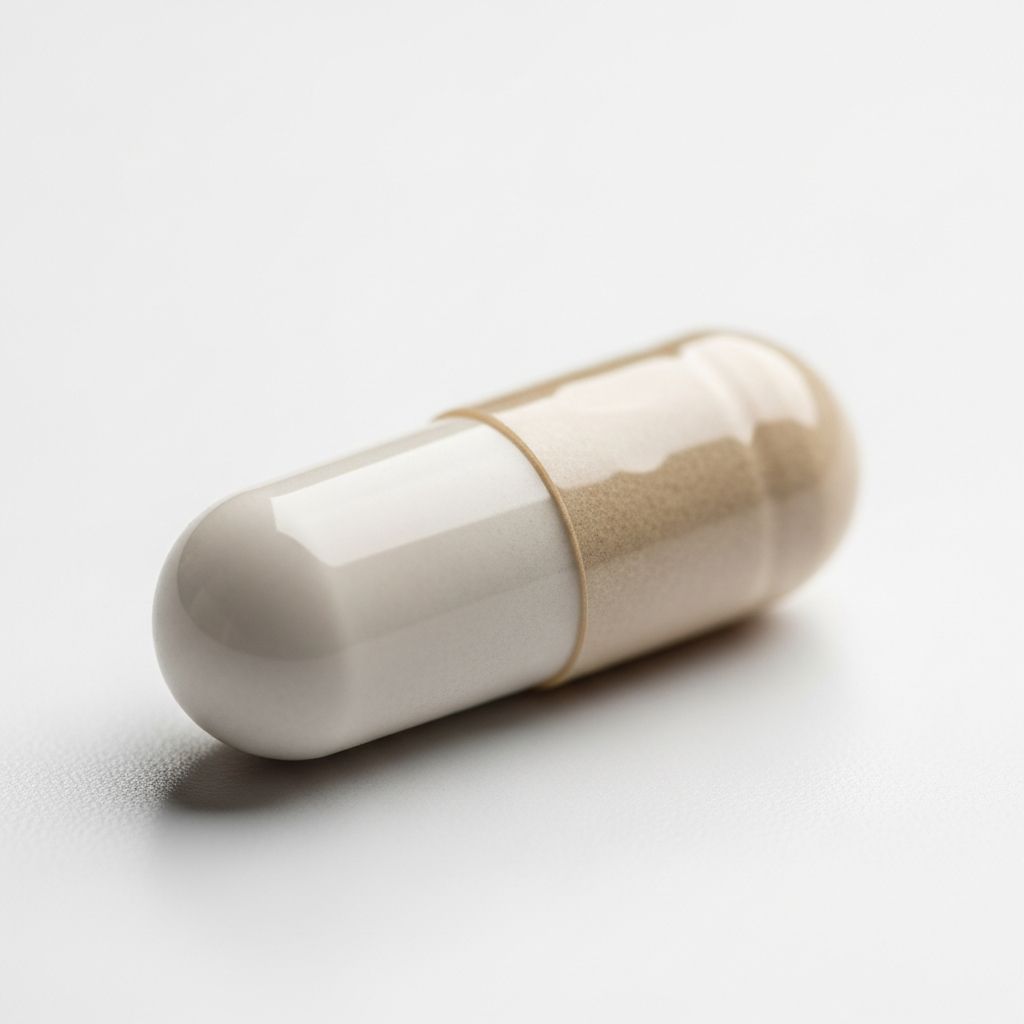
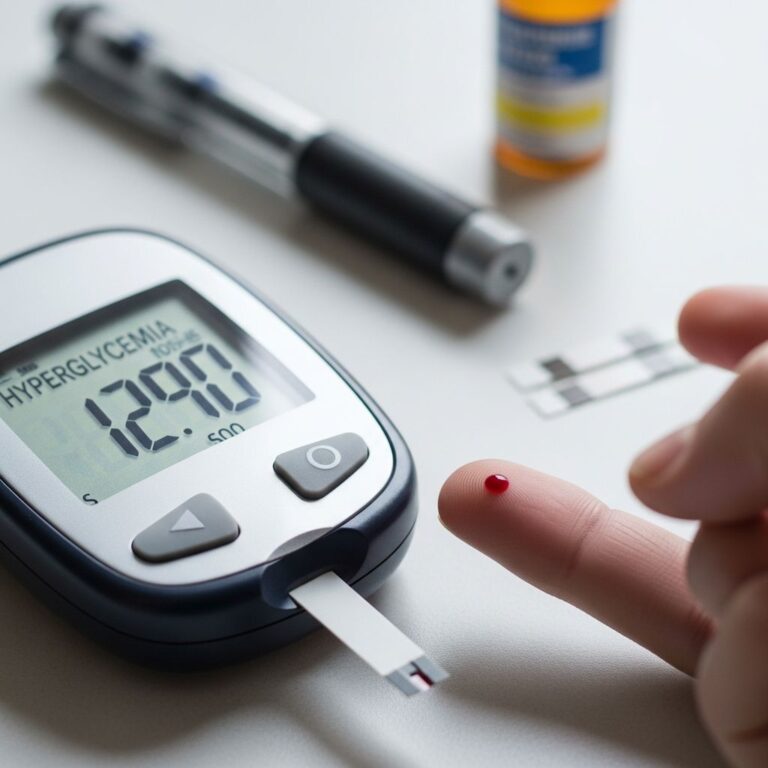
Acipimox is a medication used to treat certain lipid disorders by lowering high levels of fats like triglycerides in the blood. It works by inhibiting the release of fatty acids from adipose tissue, reducing very low-density lipoprotein (VLDL) and low-density lipoprotein (LDL) levels, which helps decrease overall triglyceride and cholesterol concentrations.
Olbetam capsules contain 250 mg of acipimox and are prescribed only when dietary changes, weight loss, or exercise have not sufficiently controlled lipid levels. This treatment is part of a comprehensive approach to managing hyperlipoproteinaemia, particularly types IIB and IV, though it has not been proven to reduce cardiac morbidity or mortality.
About acipimox
Acipimox belongs to the pharmacotherapeutic group of nicotinic acid and derivatives (ATC code: C10AD06). Structurally related to nicotinic acid (vitamin B3), it effectively lowers serum lipids without the pronounced flushing often associated with nicotinic acid, though some skin reactions may still occur.
The mechanism involves suppressing lipolysis in adipose tissue, which curbs the peripheral availability of free fatty acids. This action diminishes hepatic VLDL synthesis and secretion, leading to reduced circulating triglycerides and an increase in high-density lipoprotein (HDL) cholesterol in some cases. Clinical use targets patients with confirmed hyperlipidaemia via laboratory tests where non-pharmacological interventions proved inadequate.
Key benefits include targeted lipid reduction, making it suitable for patients intolerant to other agents like statins or fibrates. However, regular monitoring of lipid profiles is essential to assess efficacy and adjust therapy.
Before taking acipimox
Consult your doctor before starting acipimox if you have any pre-existing conditions or are taking other medications. It is crucial to disclose your full medical history, including kidney function, gastrointestinal issues, or allergies.
Do not take acipimox if:
- You are allergic (hypersensitive) to acipimox or any excipients in Olbetam capsules (listed in section 6 of the patient information leaflet).
- You have active peptic ulceration (stomach or gut ulcer).
- You have severe renal impairment (creatinine clearance <30 ml/min).
Take special care with acipimox:
- Renal impairment: In mild cases (creatinine clearance >60 ml/min), no dose adjustment is needed. For moderate impairment (30-60 ml/min), reduce dose to 250 mg 1-2 times daily. Acipimox is entirely renally excreted, so accumulation risks increase with declining function.
- Muscle symptoms: Report unexplained muscle pain, tenderness, or weakness immediately, as there is a risk of myopathy, especially with concomitant statins due to structural similarity to nicotinic acid.
- Pregnancy and breastfeeding: Limited data exists; use only if benefits outweigh risks. Consult your doctor.
- Driving/operating machinery: No specific effects noted, but dizziness from side effects could impair ability.
Other medicines and acipimox
Related Stories



Inform your doctor of all medications, including over-the-counter ones. Caution is advised with:
- Lipid-lowering agents: Statins (e.g., simvastatin) or fibrates (e.g., clofibrate) – increased muscle toxicity risk.
- No significant interactions confirmed with other lipid agents, but monitoring is recommended.
How to take acipimox
Always follow your doctor’s instructions. The manufacturer’s patient information leaflet provides detailed guidance.
Dosage: Typically, one 250 mg capsule 2-3 times daily, with or after meals. Lower dose (2x daily) for type IV hyperlipoproteinaemia; higher (3x daily) for type IIB. Adjust based on plasma triglyceride and cholesterol levels.
- Swallow capsules whole with water.
- Take with or after main meals to minimize gastrointestinal upset.
- Maintain consistent timing daily for better adherence.
If you forget a dose: Take it as soon as remembered unless near the next dose. Do not double up.
If you take too much: Contact your doctor or emergency services immediately. Supportive care may be needed for overdose.
Duration: Long-term use may be required; your doctor will monitor response via blood tests.
Acipimox side-effects
Side effects are generally mild and often resolve within days, especially flushing and gastrointestinal issues. Read the leaflet for full details.
| Frequency | Side Effects | Management |
|---|---|---|
| Very common (>1/10) | Headache, flushing, indigestion | Often settle in first days; take after meals for indigestion. |
| Common (up to 1/10) | Stomach ache, weakness, hives, nausea | Speak to doctor if persistent. |
| Uncommon (up to 1/100) | Serious allergic reactions (breathing difficulty, swelling), wheezing, rash/itching/redness, muscle/joint pain, feeling hot/malaise | Seek immediate medical help for severe reactions. |
| Not known | Dry/gritty eyes, vasodilatation, myositis/myalgia/arthralgia, bronchospasm | Report to doctor. |
Serious effects: Stop and seek help for anaphylaxis, severe muscle pain, or persistent flushing/rash.
Report suspected side effects via national reporting systems.
How to cope with acipimox side-effects
Most effects are transient:
- Flushing/itching/heat: Common at start; usually fades. Avoid hot drinks/spicy food.
- Indigestion/stomach pain: Take with food; opt for bland meals.
- Headache: Rest, hydrate; paracetamol if approved.
- Rash/weakness: Monitor; consult if worsening.
Important information about all medicines
- Never share medicines.
- Take exactly as prescribed.
- Do not stop without advice.
- Store securely, away from children.
- Check expiry; return unused to pharmacy.
Lifestyle advice
Acipimox complements, not replaces, lifestyle changes:
- Diet: Low-fat, low-cholesterol; emphasize fruits, vegetables, whole grains.
- Exercise: Regular moderate activity (e.g., 30 min walking daily).
- Weight management: Aim for healthy BMI.
- Smoking/Alcohol: Quit smoking; limit alcohol.
Frequently Asked Questions
Who should not take Olbetam capsules?
Those with hypersensitivity to acipimox, peptic ulcers, or severe kidney problems (creatinine clearance <30 ml/min).
What is the usual dose of acipimox?
One 250 mg capsule 2-3 times daily with meals, adjusted per lipid type and kidney function.
Does acipimox reduce heart disease risk?
It lowers lipids but has not demonstrated reduction in cardiac morbidity or mortality.
Can I take acipimox with statins?
Use cautiously due to myopathy risk; doctor monitoring required.
How long until side effects like flushing stop?
Usually within the first day or few days of treatment.
References
- Olbetam Capsules 250 mg – Summary of Product Characteristics (SmPC) — electronic Medicines Compendium (emc). 2023. https://www.medicines.org.uk/emc/product/1357/smpc
- Olbetam® 250 mg Capsules Acipimox – Patient Information Leaflet (PIL) — electronic Medicines Compendium (emc). 2023. https://www.medicines.org.uk/emc/files/pil.1357.pdf
- Acipimox capsules – Patient.info — Patient.info. Accessed 2026. https://patient.info/medicine/acipimox-capsules-olbetam
- OLBETAM 250 mg capsule – New Zealand Data Sheet — Medsafe. 2023. https://www.medsafe.govt.nz/profs/datasheet/o/Olbetamcap.pdf
- Olbetam – Consumer Medicine Information — Medsafe. 2023. https://www.medsafe.govt.nz/Consumers/cmi/o/olbetam.pdf
- Acipimox: Uses, Dosage, Side Effects — MIMS Singapore. 2025. https://www.mims.com/singapore/drug/info/acipimox?mtype=generic
Similar Articles








Read full bio of medha deb