ACL Injuries And Arthritis: 5 Tips To Cut Osteoarthritis Risk
Understand how ACL tears increase osteoarthritis risk and explore prevention, treatment strategies for long-term knee health.
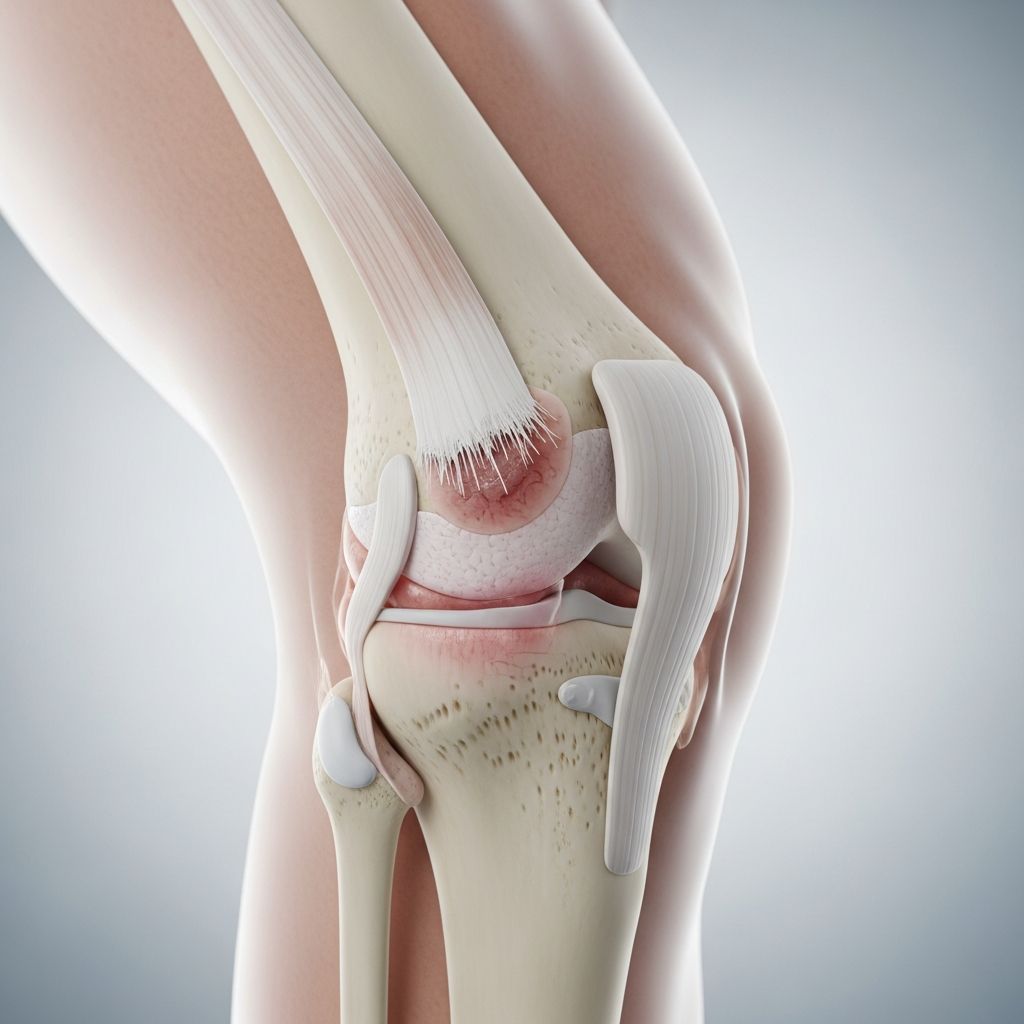
Anterior cruciate ligament (ACL) injuries are common among athletes and active individuals, but they carry a significant long-term consequence: an elevated risk of developing
posttraumatic osteoarthritis (PTOA)
in the knee. Even with successful treatment, up to 50-90% of individuals may experience osteoarthritis within 10-20 years post-injury, according to multiple studies. This article examines why ACL tears set the stage for arthritis, compares treatment options, and provides strategies for risk reduction and management.Why Do ACL Tears Lead to Osteoarthritis?
ACL tears disrupt knee stability, triggering a cascade of events that damage joint tissues and accelerate degeneration. “We know that patients are at increased risk of developing OA in the knee after an ACL injury,” explains Drew A. Lansdown, MD, from University of California, San Francisco. PTOA arises from multiple interconnected factors:
- Direct Trauma to Cartilage: The initial injury often causes chondral (cartilage) damage, which fails to heal properly due to cartilage’s limited regenerative capacity.
- Inflammatory Response: ACL rupture releases inflammatory cytokines that persist for weeks or months, promoting cartilage breakdown and synovial inflammation. Surgical intervention, if pursued, can trigger additional inflammation via postoperative hemarthrosis.
- Biomechanical Changes: Without a functional ACL, the knee experiences abnormal loading, shear forces, and instability (e.g., pivot shifts), leading to progressive cartilage wear, especially in the medial tibiofemoral compartment.
- Associated Injuries: Meniscal tears occur in 25-45% of ACL cases and are a key predictor of PTOA; combined ACL-meniscus damage dramatically heightens arthritis risk.
- Altered Joint Loading: Post-injury or post-surgery, patients often exhibit reduced patellofemoral (PF) joint forces due to protective gait changes, which paradoxically contributes to cartilage degeneration by disrupting normal homeostasis.
Studies confirm ACL deficiency mediates cartilage loss primarily through concomitant meniscal pathology, not ACL absence alone. Long-term, these factors culminate in osteoarthritis characterized by pain, stiffness, swelling, and reduced function.
Treatment Options
Deciding between nonsurgical (physical therapy) and surgical (ACL reconstruction) approaches depends on age, activity level, and associated injuries. Neither fully eliminates PTOA risk, but each has distinct outcomes.
Physical Therapy (Nonsurgical Management)
PT focuses on strengthening quadriceps, hamstrings, and core muscles to compensate for ACL deficiency. A landmark New England Journal of Medicine (NEJM) study found similar knee function at 2-5 years between PT-only and surgery groups. Cochrane reviews echo this, with PT patients showing comparable stability.
However, limitations persist: 30% of PT patients in the NEJM trial crossed over to surgery within 6 months, rising to 39-51% by 2-5 years due to persistent instability, swelling, or locking. “The torn ACL scars to surrounding structures but doesn’t heal anatomically,” notes Dr. Lansdown, risking further injuries during pivoting sports. PT suits low-demand individuals but is less predictable for athletes.
ACL Reconstruction Surgery
Surgery replaces the torn ligament using autografts (e.g., patellar tendon, hamstring) to restore stability. It allows higher-level return to sport but doesn’t prevent PTOA. Gait analyses show persistent biomechanical alterations post-surgery, similar to nonsurgical patients. Large analyses in the Journal of Athletic Training report equivalent OA rates between groups.
Related Stories



Risk factors for post-surgical arthritis include:
- Delayed reconstruction (worsens meniscal damage)
- High BMI, older age
- Pre-existing cartilage/meniscus tears
- Altered loading patterns
Advanced techniques mimicking native ACL anatomy reduce complications. Early surgery restores normal mechanics, potentially mitigating progression.
| Treatment | Pros | Cons | OA Risk |
|---|---|---|---|
| Physical Therapy | No surgery risks; good for low-demand activities | Instability; 30-50% need surgery later | High (similar to surgery) |
| ACL Reconstruction | Restores stability; better for sports | Surgical trauma; rehab intensive | High (50-90% long-term) |
Risk Factors for PTOA After ACL Injury
Beyond the injury itself, several modifiable and non-modifiable elements influence arthritis development:
- Non-Modifiable: Age, genetics, initial injury severity, cartilage damage.
- Modifiable: BMI (obesity accelerates wear), meniscal status (repair tears promptly), timing to surgery (earlier is better).
- Post-Treatment: Incomplete rehab, premature high-impact return, poor neuromuscular control.
Monitoring joint loading via gait analysis may predict at-risk patients early.
Prevention and Risk Reduction Strategies
While PTOA can’t always be avoided, proactive steps help:
- Prompt Intervention: Reconstruct early to prevent secondary meniscal/cartilage damage.
- Comprehensive Rehab: Focus on full ROM, strength, proprioception; avoid rushing sports return.
- Lifestyle Modifications: Maintain healthy weight, low-impact cross-training (swimming, cycling).
- Neuromuscular Training: Prehab/prevention programs reduce re-injury risk.
- Long-Term Monitoring: Regular imaging, symptom tracking for early OA signs.
Dr. John-Paul Rue emphasizes restoring “normal stability, functional movement, and loading” swiftly.
Managing Arthritis After ACL Injury
If PTOA develops, multimodal management preserves function:
- Conservative: PT, bracing, NSAIDs, weight loss, injections (corticosteroids, hyaluronic acid).
- Advanced: Biologics (PRP), cartilage restoration procedures.
- Surgical: Meniscal transplant, osteotomy, partial/total knee replacement for end-stage.
Early lifestyle changes yield the best outcomes.
Frequently Asked Questions (FAQs)
Does ACL surgery prevent arthritis?
No, reconstruction stabilizes the knee but doesn’t eliminate PTOA risk, which remains 50-90% long-term due to biomechanics and initial damage.
Is physical therapy better than surgery for avoiding OA?
No clear advantage; both groups show similar OA rates, though PT has higher crossover to surgery.
How soon after ACL tear should I have surgery?
Ideally within 3-6 months to minimize meniscal damage, but consult based on swelling and stability.
Can I prevent arthritis after ACL injury?
Partially, via early treatment, optimal rehab, weight control, and avoiding overload.
What are PTOA symptoms to watch for?
Persistent pain, swelling, stiffness, grinding, instability—seek evaluation if present.
This comprehensive guide empowers those with ACL injuries to navigate risks and optimize outcomes. Consult an orthopedic specialist for personalized advice.
References
- ACL Surgery and Arthritis Risk Factors — Mercy Medical Center (Dr. John-Paul Rue). 2023-02-01. https://mdmercy.com/about-mercy/news-and-media/news/2023/february/acl-surgery-and-arthritis
- ACL Tears Set the Stage for Osteoarthritis — Arthritis Foundation. Accessed 2026. https://www.arthritis.org/health-wellness/about-arthritis/related-conditions/physical-effects/acl-injuries-and-arthritis
- Understanding the Link Between ACL Injuries and Osteoarthritis — Central Florida Bone & Joint Institute. 2024-01-01. https://www.floridaboneandjoint.com/blog/2024/understanding-the-link-betweenacl-injuries-and-osteoarthritis.html
- The Role of ACL Injury in the Development of Posttraumatic Knee Osteoarthritis — National Library of Medicine (PMC). 2019-06-28. https://pmc.ncbi.nlm.nih.gov/articles/PMC6548436/
- Can ACL Surgery Cause Arthritis? — Dr. Bill Sterett, Vail-Summit Orthopaedics. Accessed 2026. https://drsterett.com/sports-medicine-blog/can-acl-surgery-cause-arthritis
Similar Articles








Read full bio of Sneha Tete