Aclidinium Inhaler: Eklira Genuair Guide For COPD Patients
Eklira Genuair: Effective maintenance treatment for COPD symptoms like cough, wheeze, and breathlessness in adults.
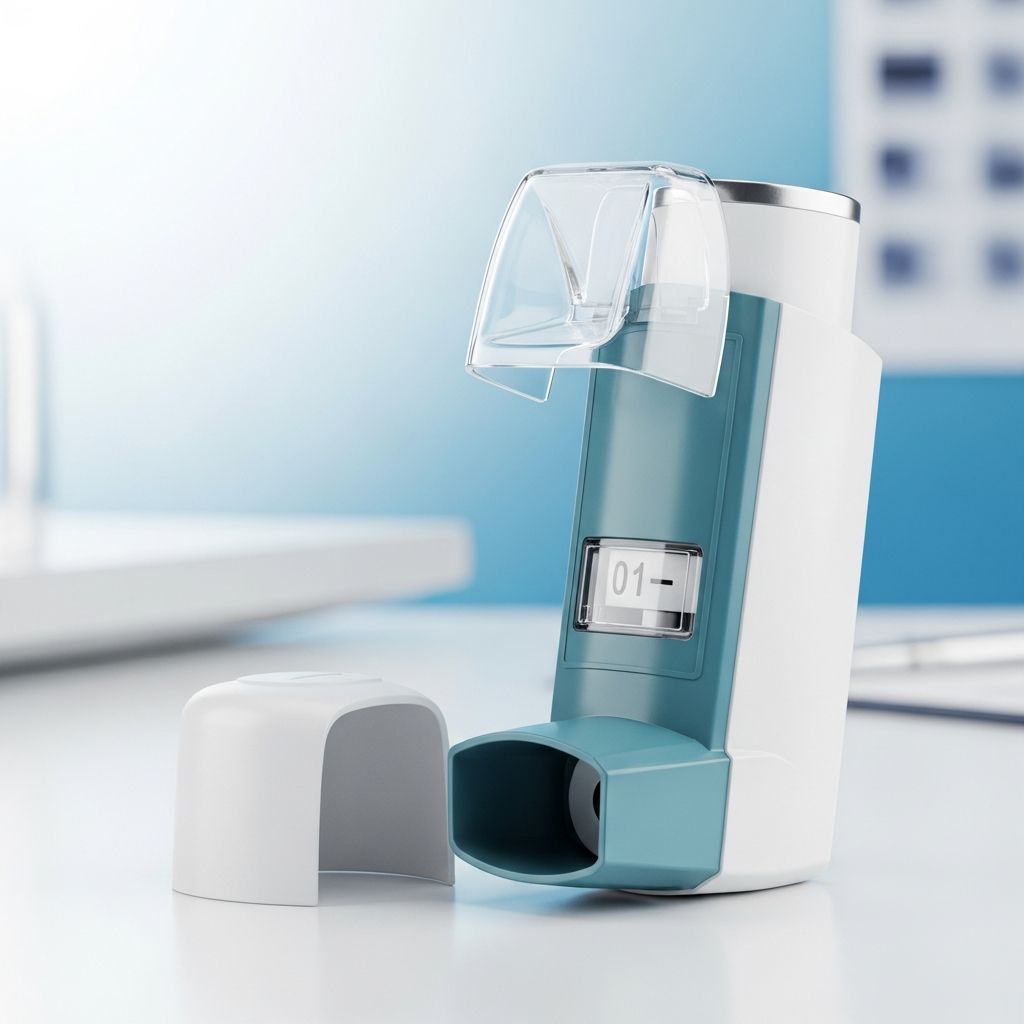
Aclidinium is prescribed to help ease the long-term symptoms of cough, wheeze, and breathlessness in adults with chronic obstructive pulmonary disease (COPD). It acts as a maintenance bronchodilator, improving airflow by relaxing airway muscles.
About aclidinium
Aclidinium belongs to the group of medicines known as antimuscarinic bronchodilators. Also called Eklira® Genuair, it is available as an inhaler device delivering 322 micrograms of aclidinium per inhalation (equivalent to 375 micrograms aclidinium bromide).
| Type of medicine | An antimuscarinic bronchodilator |
|---|---|
| Used for | Chronic obstructive pulmonary disease (COPD) |
| Also called | Eklira® Genuair |
| Available as | Inhaler |
This medication works by blocking muscarinic receptors in the lungs, which relaxes the muscles around the airways. This opens up the air passages, allowing air to flow more freely into the lungs and alleviating COPD symptoms such as persistent cough, wheezing, and shortness of breath.
COPD is a progressive lung condition characterized by restricted airflow, often due to emphysema or chronic bronchitis. Aclidinium provides long-term symptom relief but is not intended for sudden attacks of breathlessness—use a rescue inhaler like salbutamol for acute symptoms.
A combination brand, Duaklir®, pairs aclidinium with formoterol (a long-acting beta-agonist) for enhanced bronchodilation, potentially reducing the number of daily inhalers needed.
Clinical trials like ACCORD I and ATTAIN demonstrated aclidinium’s efficacy. In ACCORD I (moderate to severe COPD), aclidinium 400 micrograms BID improved trough FEV1 by 124 mL over placebo at week 12. ATTAIN showed sustained benefits up to 24 weeks, with mean FEV1 improvements of 55 mL.
How to use the inhaler
Before starting, carefully read the manufacturer’s patient information leaflet (PIL) included in the pack. It contains diagrams, usage instructions, and a complete side effects list.
Follow your doctor’s instructions precisely. If unsure, ask your doctor, nurse, or pharmacist for a demonstration. Eklira Genuair is a dry powder inhaler that activates with your breath, delivering medicine directly to the lungs.
Step-by-Step Instructions
- Remove the green protective cap.
- Press and release the green button fully—the control window should turn green, indicating readiness.
- Hold the inhaler horizontally, breathe out fully away from the device.
- Place the mouthpiece in your mouth and breathe in deeply and steadily through the inhaler.
- Continue inhaling as deeply as possible to ensure full dose delivery.
- Remove the inhaler; the control window turns red if the dose was inhaled correctly (a whistle may sound).
- If the window remains green, repeat the inhalation.
- Replace the cap securely.
Use twice daily: morning and evening, approximately 12 hours apart. Rinse your mouth with water after use to prevent oral side effects, though not always specified for aclidinium.
The inhaler has a dose indicator; it provides 60 doses per device. Do not shake or use with a spacer.
Getting the most from your treatment
COPD management is lifelong, so continue aclidinium regularly unless advised otherwise by your doctor. Regular use maintains steady bronchodilation throughout day and night.
- Consistency is key: Take doses at the same times daily to build routine and optimize efficacy.
- Avoid overlaps: Do not use other antimuscarinic bronchodilators (e.g., tiotropium, glycopyrronium) alongside aclidinium, as this risks excessive anticholinergic effects.
- Discuss other devices: Inform your doctor about any other inhalers or nebulizers; adjustments may be needed.
- Missed dose: Take as soon as remembered, unless near the next dose—then skip and resume schedule. Never double-dose.
- Lifestyle integration: Combine with smoking cessation, pulmonary rehabilitation, vaccinations (flu/pneumococcal), and oxygen therapy if prescribed for comprehensive COPD care.
Related Stories



For patients with stable COPD remaining symptomatic on short-acting bronchodilators, guidelines recommend stepping up to long-acting muscarinic antagonists (LAMA) like aclidinium, especially if FEV1 ≥50% predicted.
Side-effects
Most people tolerate aclidinium well, but side effects can occur. Common ones are usually mild and may improve as your body adjusts.
| Common side effects (>1 in 100 people) | Less common/rare |
|---|---|
| Headache | Hoarseness (dysphonia) |
| Nasal congestion (rhinitis) | Tachycardia (fast heartbeat) |
| Cough | Palpitations |
| Throat irritation | Cardiac arrhythmias |
| Sore throat (pharyngitis) | Urinary retention/difficulty passing urine |
| Toothache | Glaucoma worsening (halos around lights) |
| Dry mouth (most frequent) | Anaphylaxis (rare allergic reaction) |
Dry mouth affects up to 1 in 10 users; suck sugar-free lozenges or chew gum to alleviate. If persistent, consult your doctor.
Serious effects (seek immediate medical help): blurred vision, eye pain (glaucoma risk), urinary problems (especially with prostate issues), severe allergic reactions (rash, swelling, breathing difficulty).
Long-term safety data up to one year confirm sustained bronchodilation without tolerance.
How to cope with side effects
- Dry mouth: Stay hydrated, use saliva substitutes, avoid caffeine/alcohol.
- Headache/cough: Paracetamol for pain; report if severe or prolonged.
- Heart palpitations: Monitor pulse; contact doctor if irregular or rapid.
- Urinary issues: Limit fluids before bed; seek urological advice if obstructed.
- Never stop abruptly without medical advice, as COPD symptoms may worsen.
Cautions
Discuss with your doctor before use if you have:
- Heart disease (risk of arrhythmias).
- Glaucoma (narrow-angle type).
- Prostate enlargement or bladder outflow obstruction.
- Severe kidney/liver impairment (no dose adjustment needed, but monitor).
- Pregnancy/breastfeeding (limited data; use only if benefits outweigh risks).
No significant drug interactions with most COPD therapies, but caution with other anticholinergics.
Other things to know
- Pregnancy/Breastfeeding: Not recommended unless essential; consult specialist.
- Driving/Operating machinery: Unlikely to affect, but report dizziness.
- Storage: Room temperature, away from moisture/heat; discard after 60 doses.
- Overdose: Rare via inhalation; symptoms include blurred vision, dry mouth—seek emergency care.
Eklira Genuair was authorized by EMA in 2012 for adult COPD maintenance.
Frequently Asked Questions (FAQs)
Q: What is Eklira Genuair used for?
A: It relieves long-term COPD symptoms by opening airways as a twice-daily maintenance inhaler.
Q: How often do I use aclidinium?
A: One inhalation twice daily, morning and evening.
Q: Can I use it with other inhalers?
A: Yes, but not other antimuscarinics; discuss with your doctor.
Q: What if I miss a dose?
A: Take it soon as possible, then continue normally—do not double up.
Q: Does it cure COPD?
A: No, it manages symptoms; combine with lifestyle changes.
Q: Is aclidinium safe for elderly patients?
A: Yes, standard dose applies; no adjustments for age, kidney, or liver issues.
References
- Aclidinium inhaler (Eklira Genuair) — Patient.info. 2022-10-07. https://patient.info/medicine/aclidinium-inhaler-eklira
- Aclidinium bromide (Eklira Genuair) SMC Advice — Scottish Medicines Consortium. 2012-10-01. https://scottishmedicines.org.uk/media/1187/aclidinium_bromide_eklira_genuair_final_october_2012_amended_01_11_12_for_website.pdf
- Eklira Genuair 322 micrograms PIL — Medicines.org.uk (EMC). Accessed 2026. https://www.medicines.org.uk/emc/files/pil.14790.pdf
- Eklira Genuair EPAR — European Medicines Agency (EMA). Accessed 2026. https://www.ema.europa.eu/en/medicines/human/EPAR/eklira-genuair
- Eklira Genuair EPAR Summary — European Medicines Agency (EMA). Accessed 2026. https://www.ema.europa.eu/en/documents/overview/eklira-genuair-epar-summary-public_en.pdf
Similar Articles








Read full bio of medha deb