Acne: Causes, Symptoms, And Treatment, A Complete Guide
Comprehensive guide to understanding acne, its symptoms, causes, effective treatments, and prevention strategies for clearer skin.
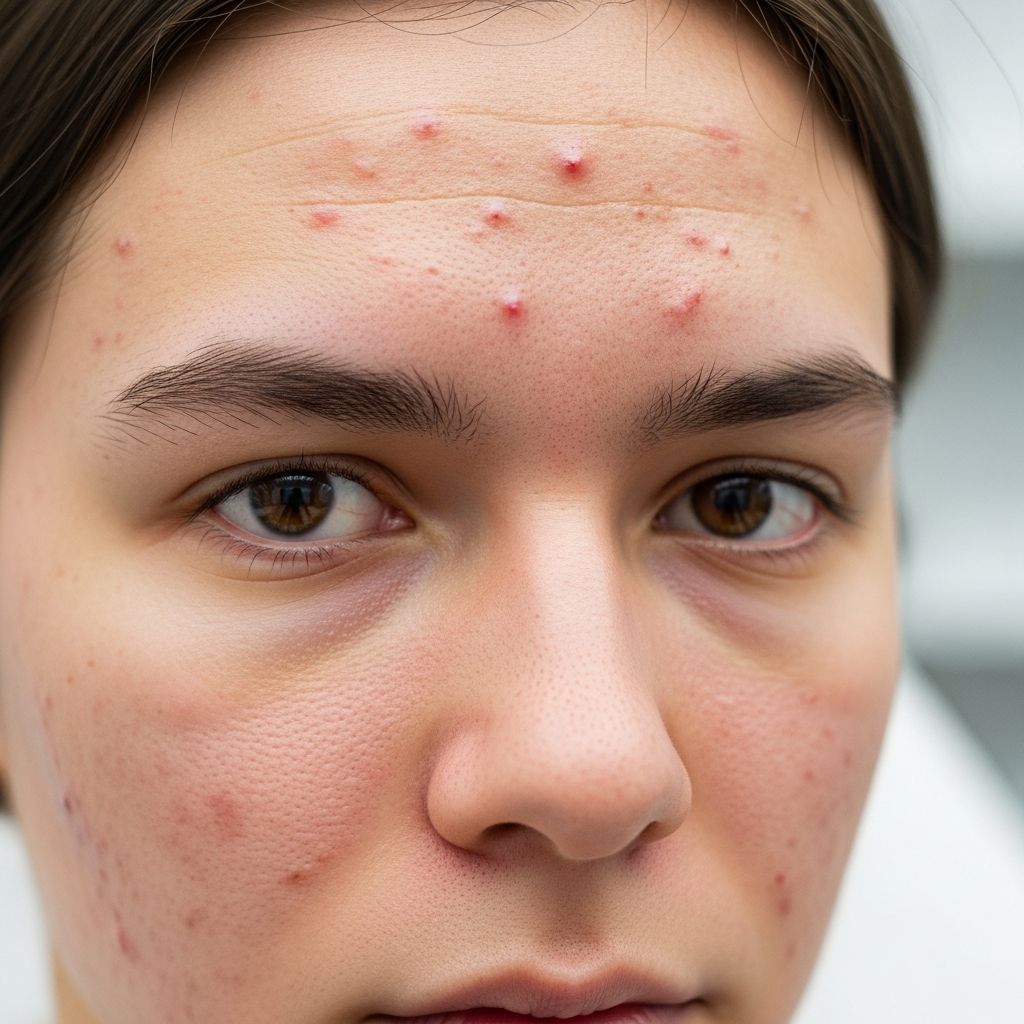
Acne is a prevalent skin condition characterized by oily skin, blackheads, whiteheads, red spots, and pus-filled pimples, often affecting the face, chest, and back. It impacts millions worldwide and is treatable with proper care to prevent scarring and long-term effects.
What is acne?
**Acne vulgaris**, the most common form, occurs when hair follicles become clogged with oil and dead skin cells, leading to inflammation. It typically appears during adolescence due to hormonal changes but can persist into adulthood. Affected areas feel hot, painful, and tender, with spots ranging from mild blackheads to severe cysts.
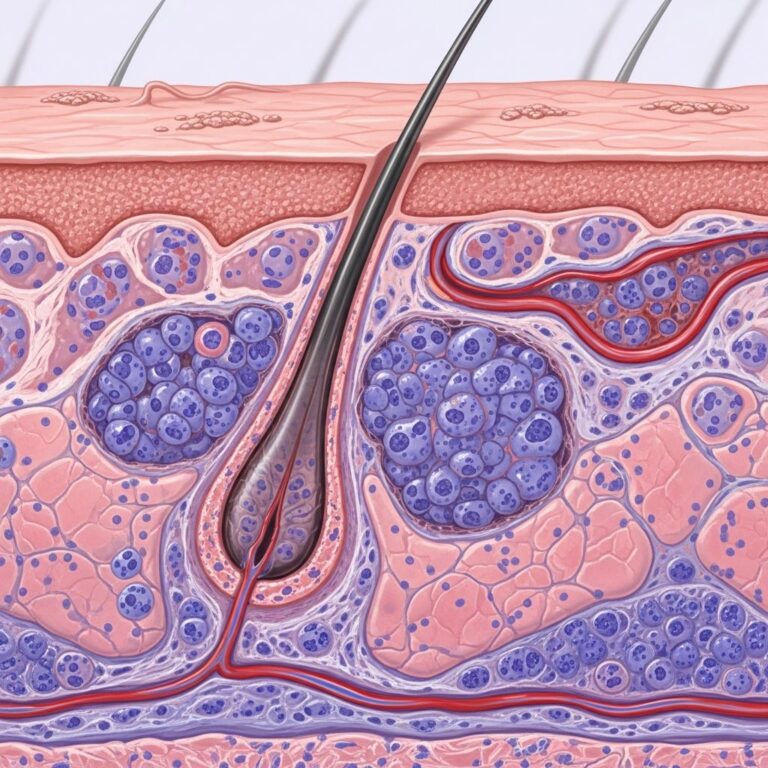
The condition arises in pilosebaceous units—structures comprising hair follicles and sebaceous glands—primarily on the face, upper trunk, and sometimes shoulders.
How common is acne?
Acne affects up to 80-90% of teenagers and many adults, making it one of the most widespread skin disorders. It peaks in puberty for both genders but is more persistent in women. While not usually dangerous, it can cause emotional distress and scarring if untreated.
What are the symptoms of acne?
Symptoms include a mix of non-inflamed and inflamed lesions. Common signs are oily skin, tenderness, and heat in affected areas. Key spot types:
- Blackheads: Small black or yellowish plugs in pores, caused by oxidized sebum.
- Whiteheads: Firm, white bumps that don’t empty easily when squeezed.
- Papules: Small red, tender inflamed bumps.
- Pustules: Pus-filled red spots with a white center.
- Nodules: Large, hard, painful lumps deep under the skin.
- Cysts: Deep, pus-filled sacs resembling boils, prone to scarring.
Spots often cluster on the face (forehead, cheeks, nose, chin), but can spread to the neck, chest, shoulders, and back.
What does acne look like?
Acne presents as a combination of oily sheen, open (blackheads) and closed (whiteheads) comedones, inflammatory papules and pustules, and occasionally deeper nodules or cysts. Skin may appear red, inflamed, and scarred in severe cases. Images typically show clustered spots on oily T-zones of the face.
What are the different types of acne?
Acne is classified by severity and form:
| Type | Description |
|---|---|
| Mild acne | Mostly non-inflamed lesions like blackheads and whiteheads. |
| Moderate acne | More widespread papules and pustules, some inflammation. |
| Severe acne | Widespread papules, pustules, nodules, cysts; often scarring. |
| Acne fulminans | Rare, severe form with painful, bloody nodules, fever, joint pain; mostly in young males. |
Other variants include acne conglobata (severe scarring type) and drug-induced acne, but vulgaris is the focus here.
What causes acne?
Four main factors contribute:
- Excess sebum production: Hormones like androgens stimulate oil glands.
- Clogged follicles: Dead skin cells and sebum block pores.
- Bacteria: Propionibacterium acnes (now Cutibacterium acnes) proliferates in clogged pores, causing inflammation.
- Inflammation: Immune response to bacteria leads to redness and pus.
Hormonal fluctuations (puberty, menstruation, PCOS), genetics, and medications exacerbate it. Diet may play a role, with high glycemic foods and dairy potentially worsening symptoms.
How to get rid of acne
Treatment aims to reduce spots, prevent scarring, and address causes. Start with over-the-counter options; seek medical help for moderate-severe cases. Full effects take 2-4 months; consistency is key.
Related Stories



Non-pharmaceutical steps:
- Use non-comedogenic, oil-free cleansers twice daily.
- Avoid scrubbing or over-washing to prevent irritation.
- Remove makeup daily; skip oil-based products.
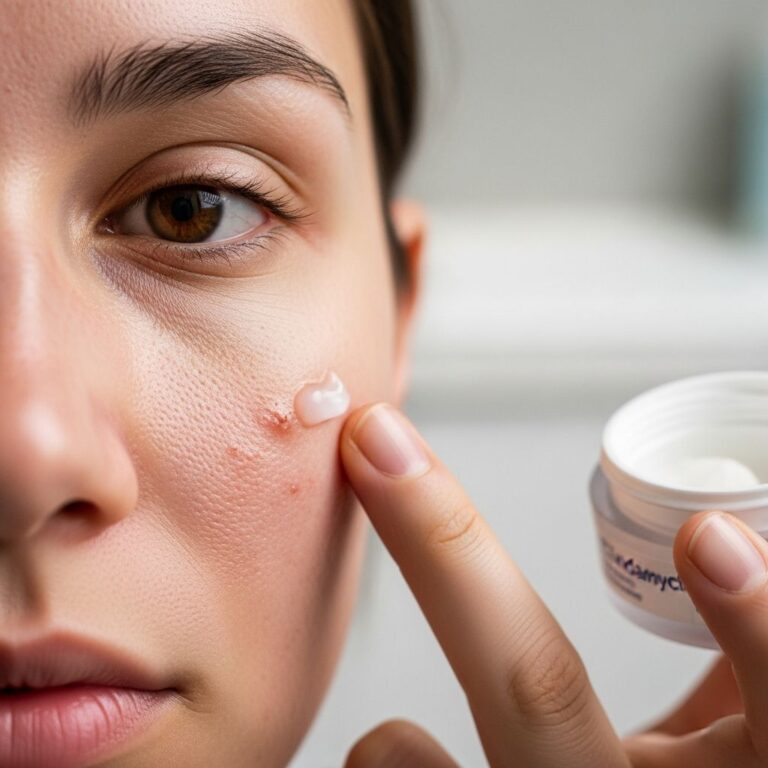
Topical treatments (first-line for mild-moderate):
- Benzoyl peroxide: Kills bacteria, unclogs pores (2.5-10% strengths).
- Topical retinoids: Tretinoin, adapalene, isotretinoin—normalize skin shedding.
- Topical antibiotics: Clindamycin, erythromycin (combine with benzoyl peroxide).
- Azelaic acid/nicotinamide: Reduce inflammation and bacteria.
Apply to entire affected area nightly. Start low to avoid irritation.
Oral treatments (moderate-severe):
- Antibiotics: Tetracyclines (doxycycline, lymecycline) for 3 months max.
- Hormonal therapy: Combined pill for females.
- Isotretinoin: For severe, scarring acne; requires monitoring.
Severe cases may need dermatologist referral.
How to prevent acne
- Maintain gentle skincare routine.
- Use non-comedogenic products.
- Avoid touching face; don’t pick spots.
- Healthy diet: low sugar, omega-3 rich foods.
- Manage stress and hormones.
What makes acne worse?
- Squeezing/picking spots: Increases inflammation, scarring risk.
- Oil-based cosmetics/sunscreens: Clog pores.
- Harsh scrubbing/excess washing: Irritates skin.
- High-sugar/milk-heavy diets: May trigger sebum production.
- Sweat/trapped moisture: From helmets, phones.
Some myths and wrongly held beliefs about acne
- Myth: Poor hygiene causes acne. Fact: It’s hormonal/genetic; over-washing worsens it.
- Myth: Chocolate/greasy foods cause it. Fact: High-GI foods more linked; evidence mixed.
- Myth: Sun/tanning clears acne. Fact: Temporary dry-out, but increases scarring risk.
- Myth: Acne only affects teens. Fact: Common in adults, especially women.
Skincare for acne
Gentle care is crucial:
- Cleanse twice daily with mild, non-alkaline (pH-neutral) cleanser and lukewarm water.
- Moisturize with oil-free products if needed.
- Use sunscreen (non-comedogenic).
- Avoid alcohol-based toners, abrasives.
- Pat dry gently; no scrubbing.
For blemish-prone skin, choose ‘non-comedogenic’ labels.
Frequently Asked Questions (FAQs)
Q: How long does treatment take?
A: 2-4 months for noticeable improvement; 6-12 months for severe cases. Continue to prevent relapse.
Q: Can acne scar permanently?
A: Yes, especially nodules/cysts. Treat early to minimize.
Q: Is acne linked to diet?
A: Some evidence for low-sugar, low-milk diets helping; omega-3s beneficial.
Q: When to see a doctor?
A: If OTC fails after 2-3 months, scarring, severe pain, or emotional impact.
Q: Does benzoyl peroxide bleach clothes?
A: Yes, rinse off properly and use white towels.
References
- Acne – BAD Patient Hub — Skin Health Info (British Association of Dermatologists). 2020-07. https://www.skinhealthinfo.org.uk/condition/acne/
- Acne PIL — Skin Health Info (British Association of Dermatologists). 2020-07. https://www.skinhealthinfo.org.uk/wp-content/uploads/2018/10/Acne-PIL-JULY-2020.pdf
- Acne: Causes, Symptoms, and Treatment — Cedar Practice / Patient.info. 2025. https://www.cedarpractice.co.uk/wp-content/uploads/2025/12/Acne.pdf
- Acne Leaflet — Patient.info (NHS standards). Accessed 2026. https://patient.info/skin-conditions/acne-leaflet
- Acne Treatments — Patient.info. Accessed 2026. https://patient.info/skin-conditions/acne-leaflet/acne-treatments
- Acne Vulgaris (Doctor) — Patient.info. Accessed 2026. https://patient.info/doctor/dermatology/acne-vulgaris
- Acne — NHS.uk. Updated 2023 (authoritative NHS guidance). https://www.nhs.uk/conditions/acne/
Similar Articles








Read full bio of Sneha Tete