Acne: Causes, Treatments, and Management
Comprehensive guide to understanding acne, from causes to effective treatments and prevention strategies.
Understanding Acne: A Comprehensive Guide
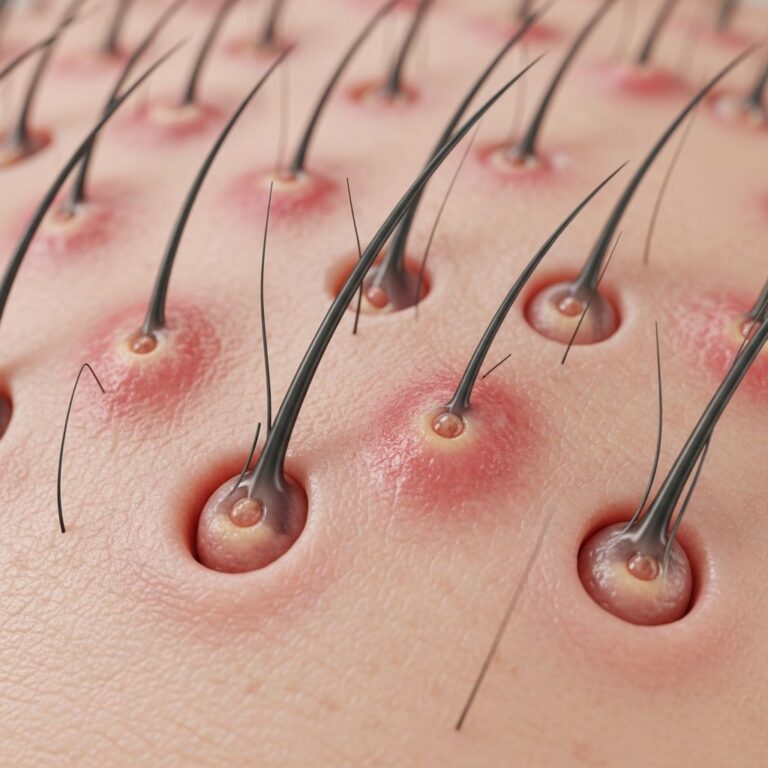
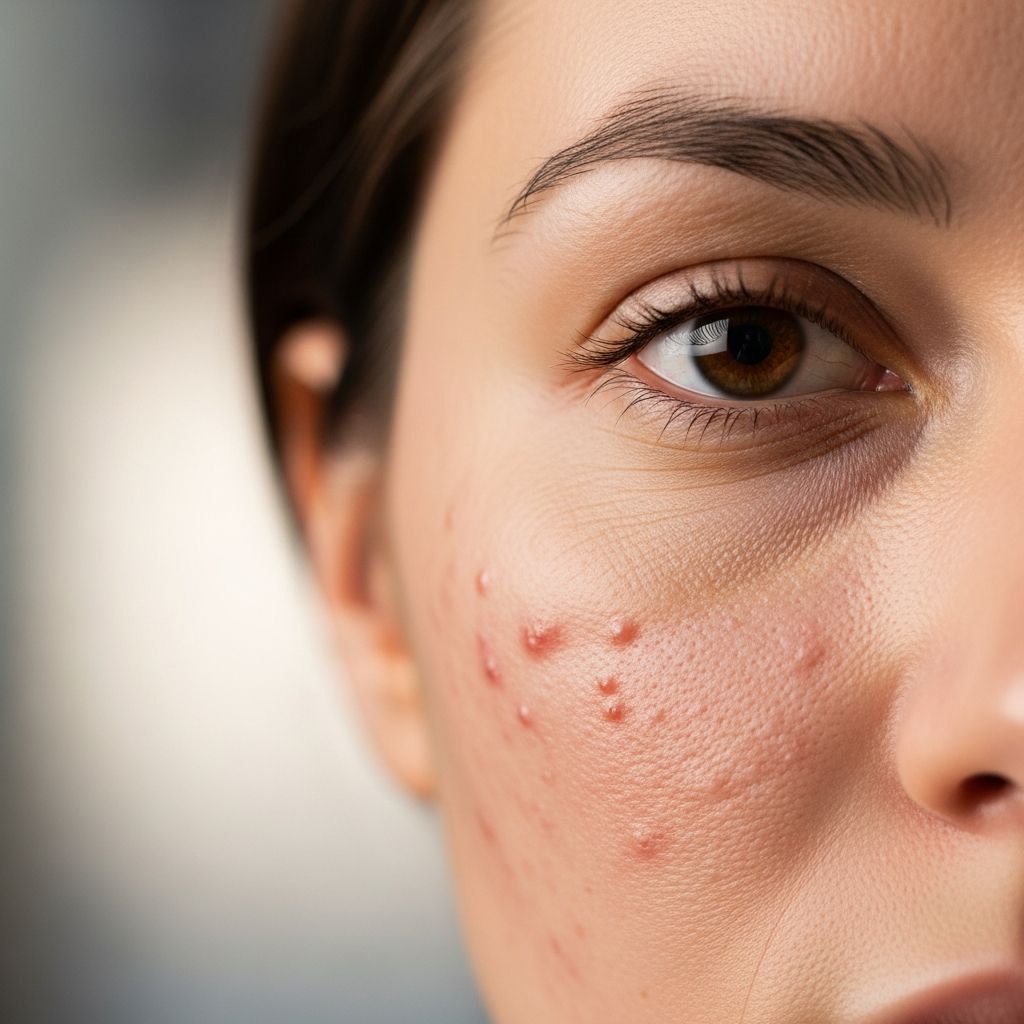
Acne is one of the most common skin conditions affecting millions of people worldwide. It occurs when hair follicles become clogged with dead skin cells and sebum (oil produced by the skin). This condition can develop at any age but is particularly prevalent during adolescence and young adulthood. Acne appears most frequently on the face, but can also occur on the back, chest, neck, and shoulders. Understanding the causes and available treatment options can help you manage this condition effectively and prevent long-term complications like scarring.
What Causes Acne?
Acne development involves multiple factors working together. The primary causes include abnormal follicular keratinization and occlusion, excessive oil (sebum) production, bacterial superinfection, and the release of inflammatory mediators. The bacterium Cutibacterium acnes (formerly known as Propionibacterium acnes) plays a role in acne development, though it is not likely the sole causative factor. The condition is fundamentally a primary inflammatory disorder that combines several contributing factors rather than resulting from a single cause.
Types and Severity of Acne
Acne manifests in different forms and severity levels. The most common types include:
- Comedonal acne – Characterized by blackheads and whiteheads, representing the mildest form
- Inflammatory acne – Includes papules and pustules that appear red and swollen
- Nodular and cystic acne – The most severe forms, featuring large, painful lesions that can cause permanent scarring
Your doctor will assess the severity of your acne to determine the most appropriate treatment approach for your specific situation.
Diagnosis and Assessment
A dermatologist can typically diagnose acne through visual examination of the skin. During your consultation, your healthcare provider will evaluate the type and severity of acne present and discuss your medical history, including any medications you may be taking and your skincare routine. This assessment is crucial because the treatment regimen recommended depends on your age, the type and severity of your acne, and your willingness to commit to a treatment plan. For example, you may need to wash and apply medications to affected skin twice daily for several weeks.
Treatment Options for Acne
Treatment for acne varies based on severity and individual factors. Your doctor will help you choose the most suitable approach, which may involve topical medications, oral medications, professional therapies, or a combination of these options.
Topical Medications
Topical treatments are often the first line of defense, especially for mild to moderate acne. The most common topical prescription medications include:
- Retinoids and retinoid-like drugs – Containing retinoic acids or tretinoin, these medications are particularly useful for moderate acne. They come as creams, gels, and lotions (examples: tretinoin, adapalene, tazarotene). Apply in the evening, beginning with three times per week, then daily as your skin becomes accustomed. These medications prevent plugging of hair follicles and should not be applied simultaneously with benzoyl peroxide.
- Benzoyl Peroxide – Works by killing excess skin bacteria and reducing inflammation. Available in various concentrations and formulations
- Topical Antibiotics – Kill excess skin bacteria and reduce redness and inflammation. During the first few months, you may use both a retinoid and an antibiotic, with the antibiotic applied in the morning and retinoid in the evening. Antibiotics are often combined with benzoyl peroxide to reduce antibiotic resistance. Topical antibiotics alone are not recommended.
- Salicylic Acid and Alpha Hydroxy Acids – Help promote peeling and are available over-the-counter
Oral Medications
For moderate to severe acne, oral medications may be necessary to control the condition. Treatment options include:
- Oral Antibiotics – Usually the first choice for moderate to severe acne. Tetracyclines (minocycline, doxycycline) or macrolides (erythromycin, azithromycin) are commonly prescribed. Macrolides might be an option for people who cannot take tetracyclines, including pregnant women and children under 8 years old. Oral antibiotics should be used for the shortest time possible to prevent antibiotic resistance and should be combined with other drugs such as benzoyl peroxide.
- Hormonal Treatments – For women with acne related to hormonal fluctuations, birth control pills or spironolactone may be beneficial
- Isotretinoin – Reserved for severe, treatment-resistant acne. This is a potent medication requiring careful monitoring and is not recommended during pregnancy
Professional Therapies
Several professional treatments may help manage acne, either alone or in combination with medications:
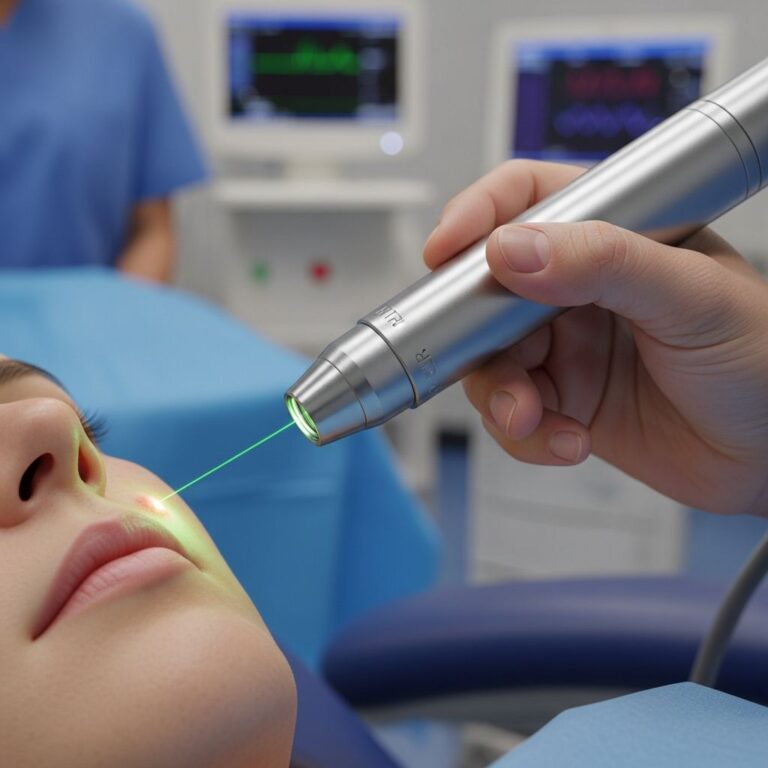
- Light Therapy – A variety of light-based therapies have been tried with some success. These typically require multiple visits to your doctor’s office. Further study is needed to determine the ideal method, light source, and dose.
- Chemical Peels – Use repeated applications of chemical solutions such as salicylic acid, glycolic acid, or retinoic acid. This treatment is suitable for mild acne and might improve skin appearance, though changes are not long-lasting and repeat treatments are usually needed.
- Drainage and Extraction – Your doctor may use special tools to gently remove whiteheads and blackheads that haven’t cleared with topical medications. While this temporarily improves appearance, it might cause scarring.
- Steroid Injection – Nodular and cystic lesions can be treated by injecting steroid drugs directly into them. This therapy has resulted in rapid improvement and decreased pain, though side effects may include skin thinning and discoloration.
Special Considerations for Pregnant Women
Treatment options for pregnant women are limited due to the risk of side effects to the developing fetus. If you are pregnant or planning to become pregnant, discuss your acne treatment with your healthcare provider to determine safe options. Certain medications must be avoided, and your doctor will recommend alternatives that minimize potential risks.
At-Home Acne Management
Combining professional treatment with proper at-home skincare is essential for managing acne effectively. Follow these guidelines:
- Gentle Cleansing – Wash problem areas twice daily with hands using mild soap or gentle cleanser (such as Cetaphil or Vanicream) and warm water. Be gentle when shaving affected skin.
- Avoid Irritating Products – Stay away from facial scrubs, astringents, and masks, as they tend to irritate skin and worsen acne. Too much washing and scrubbing can also irritate the skin.
- Over-the-Counter Products – Look for products containing benzoyl peroxide and adapalene as active ingredients. You might also try products with salicylic acid, glycolic acid, or alpha hydroxy acids. It may take several weeks before seeing improvement. Creams are less irritating than gels or ointments. Initial side effects like redness, dryness, and scaling often improve after the first month.
- Sun Protection – Acne medications can increase sun sensitivity, so use sunscreen daily with an SPF of at least 30
Managing Side Effects
Acne medications may cause initial side effects. Nonprescription acne medications commonly cause redness, dryness, and scaling that typically improve after the first month of use. Oral antibiotics increase skin’s sun sensitivity, making sun protection essential. Severe side effects from using antibiotics to treat acne are uncommon. If you experience concerning side effects, contact your healthcare provider immediately.
Follow-Up Care and Monitoring
Regular follow-up appointments are crucial for successful acne management. Make follow-up appointments with your doctor every three to six months until your skin improves. During these visits, your doctor will assess treatment effectiveness, adjust medications if needed, and address any concerns or side effects you’re experiencing.
Prevention Strategies
While acne cannot always be prevented, certain measures can help reduce breakouts:
- Keep your skin clean but not over-washed
- Avoid touching your face frequently
- Change pillowcases regularly
- Use non-comedogenic skincare and cosmetic products
- Manage stress, which can trigger acne flare-ups
- Maintain a healthy diet rich in antioxidants
- Stay hydrated by drinking adequate water daily
Long-Term Outlook
With appropriate treatment and care, most people can successfully manage acne and prevent permanent scarring. However, acne doesn’t necessarily disappear after adolescence. Adult acne is increasingly common and can persist or develop in people who never experienced acne during their teenage years. This makes understanding and properly treating acne essential at any age.
Frequently Asked Questions
Q: How long does acne treatment typically take to show results?
A: Most acne treatments require several weeks to show visible improvement. Over-the-counter products and topical medications may take 4-8 weeks, while oral medications and professional treatments may show results within 6-8 weeks. Consistency with treatment is key to achieving results.
Q: Can diet affect acne?
A: While research on diet and acne continues, some evidence suggests that high-glycemic foods and dairy products may worsen acne in certain individuals. Maintaining a balanced diet rich in fruits, vegetables, and whole grains supports overall skin health.
Q: Is acne contagious?
A: No, acne is not contagious. While bacteria play a role in acne development, the condition results from a combination of factors including genetics, hormones, and skin type rather than being infectious.
Q: Can acne cause permanent scarring?
A: Yes, severe acne, especially nodular and cystic acne, can cause permanent scarring if not treated properly. Early treatment and avoiding picking or squeezing lesions help minimize scarring risk.
Q: What should I do if acne persists despite treatment?
A: If acne doesn’t improve with standard treatments, consult your dermatologist. They may recommend alternative medications, professional procedures, or investigate underlying causes that may require different treatment approaches.
Q: Are there any natural remedies for acne?
A: While some natural ingredients like tea tree oil and aloe vera have antimicrobial properties, their effectiveness for treating acne has not been conclusively proven. Medical treatments remain the most reliable option. Always consult your healthcare provider before using natural remedies.
References
- Acne – Diagnosis and Treatment — Mayo Clinic. 2024-10-01. https://www.mayoclinic.org/diseases-conditions/acne/diagnosis-treatment/drc-20368048
- Acne Vulgaris — Johns Hopkins ABX Guide, The Johns Hopkins University. 2023-10-08. https://www.hopkinsguides.com/hopkins/view/Johns_Hopkins_ABX_Guide/540004/all/Acne_Vulgaris
- Acne Pathophysiology and Treatment Options — American Academy of Dermatology. 2024. https://www.aad.org/public/diseases/acne-and-rosacea/acne
Similar Articles








Read full bio of Sneha Tete