Acne Face Mapping: What Your Breakouts Reveal
Decode your acne breakouts by location to uncover potential internal health issues, lifestyle triggers, and effective treatment strategies.
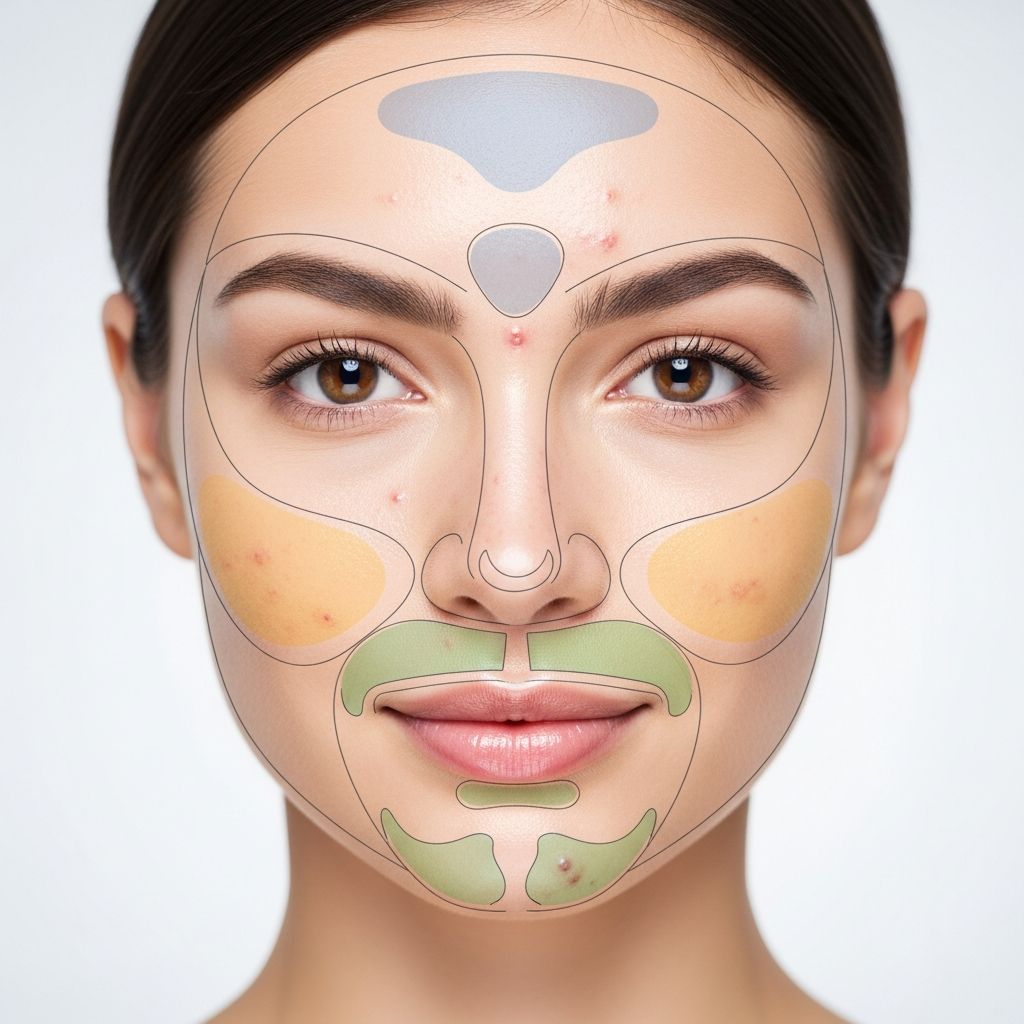
Acne face mapping is an ancient diagnostic tool rooted in traditional Chinese medicine and Ayurveda that links specific breakout locations on the face to internal organ health, lifestyle factors, and environmental triggers. By analyzing where pimples appear, you can identify potential causes like digestive issues, hormonal imbalances, or poor hygiene, guiding targeted treatments for clearer skin.
What Is Acne Face Mapping?
Face mapping posits that the face acts as a mirror to your body’s internal state, with different zones corresponding to specific organs or systems. Developed thousands of years ago without modern diagnostics like X-rays, it allowed healers to spot health problems through skin manifestations. Today, dermatologists like Amanda Doyle, MD, from Russak Dermatology Clinic, use it to tailor skincare, noting variations in skin thickness—such as eyelids being 10 times thinner than other areas—affect breakout types and treatments.
Modern interpretations, like Dermalogica’s version, blend this with dermatology and lifestyle questionnaires to address acne, rosacea, and eczema. While not scientifically proven for direct organ links, it highlights multifactorial acne causes: hormones, bacteria (*Cutibacterium acnes*), clogged pores, genetics, hygiene, and products.
The Science (and Skepticism) Behind Face Mapping
Acne affects up to 50 million Americans annually, per the American Academy of Dermatology, making it the most common skin condition. Face mapping lacks robust clinical trials proving zone-specific organ ties, but observational links to lifestyle persist. For instance, forehead acne correlates with stress or diet, cheeks with phone bacteria, and jawline with hormones—supported by studies showing premenstrual flares in nearly half of women.
Dermatologists emphasize evidence-based factors: excess sebum, inflammation, and *Cutibacterium acnes*. Use mapping as a self-reflection tool, not a diagnosis replacement. Severe, cystic, or scarring acne warrants professional care.
Zone-by-Zone Face Mapping Guide
Divide your face into key zones to decode breakouts. Below is a comprehensive map with causes, modern insights, and remedies.
Forehead (Zones 1 & 3)
Linked to digestion, bladder, stress, sleep, and dehydration. Breakouts here often stem from poor diet, IBS, irregular sleep, or oily hair/products touching the skin. Acne cosmetica from unremoved shampoo or hats is common.
- Causes: Digestive upset, stress hormones, lack of water, fringe/bangs oils.
- Remedies: Hydrate (8+ glasses daily), eat fiber-rich foods, manage stress via meditation, cleanse hairline thoroughly, use non-comedogenic products.
Between Eyebrows (Zone 2)
Associated with the liver. Oiliness or pimples signal dietary excesses like alcohol, rich foods, or late eating. Check for lactose intolerance or allergies.
- Causes: Liver overload from fatty foods/alcohol, food sensitivities.
- Remedies: Cut alcohol/rich foods, test for allergies, incorporate liver-supportive greens like kale.
Temples (Zones Adjacent to Forehead)
Connected to kidneys/bladder. Acne may indicate infections, inflammation, or medication side effects.
- Causes: Kidney strain, dehydration, certain drugs.
- Remedies: Increase water, reduce caffeine/salt, review medications with a doctor.
Nose
Tied to cardiovascular health, blood pressure, and pollution. Oil-rich glands cause blackheads; exposure worsens it.
- Causes: High blood pressure, poor circulation, urban pollution, heavy makeup.
- Remedies: Omega-3-rich diet (fish, nuts), monitor BP, deep cleanse, vitamin B (consult provider), avoid comedogenic products.
Related Stories



Ears (Zones 4 & 10)
Reflect kidney function. Hot ears or irritation suggest dehydration; allergies from jewelry or phone use add risk.
- Causes: Low water intake, caffeine excess, nickel allergies, cellphone grime.
- Remedies: Hydrate, limit salt/alcohol, clean phones, hypoallergenic jewelry.
Cheeks (Zones 5 & 9)
Linked to lungs/respiratory system, stomach, and hygiene. Smokers, allergy sufferers, or phone users see congestion, hyperpigmentation, or breakouts. Bacteria from devices is a key culprit.
- Causes: Smoking, allergies, gum issues, phone bacteria, comedogenic makeup.
- Remedies: Quit smoking, clean pillowcases/phones weekly, treat allergies, use salicylic acid, check dental health.
| Zone | Linked System | Top Triggers | Quick Fixes |
|---|---|---|---|
| Cheeks | Lungs/Stomach | Phone bacteria, smoking | Wipe phone daily, non-comedogenic moisturizer |
| Jawline | Hormones/Ovaries | Menstruation, PCOS | Spearmint tea, hormonal check |
| Chin | Hormones | Stress, dental work | Reduce dairy, benzoyl peroxide |
Jawline & Chin (Zones 11 & 13)
Hormone central: ovaries, menstruation, pregnancy, PCOS (elevated androgens). Dental issues or stress exacerbate.
- Causes: Hormonal fluctuations, PCOS, new makeup, touching face.
- Remedies: Track cycle, spearmint tea for anti-androgens, topical retinoids, see endocrinologist if persistent; proper makeup removal.
Treatment Tips for Each Zone
Tailor your routine:
- Forehead: Salicylic acid cleanser, probiotic foods for gut health.
- Cheeks: Benzoyl peroxide spot treatment, hygiene overhaul.
- Chin/Jaw: Tea tree oil, hormonal birth control if advised.
- General: Non-comedogenic everything, sunscreen daily.
A holistic approach amplifies results: balanced diet (anti-inflammatory), 7-9 hours sleep, exercise, stress reduction.
When to See a Dermatologist
Face mapping guides but doesn’t diagnose. Seek help if:
- Acne persists 8-12 weeks despite OTC treatments.
- Cystic, painful, or scarring breakouts.
- Symptoms like fatigue, digestive pain, or irregular periods.
- Mental health impact (anxiety, low self-esteem).
- Suspected PCOS or allergies.
Professionals may prescribe topicals (retinoids, antibiotics), orals, or isotretinoin.
Frequently Asked Questions (FAQs)
What is the most accurate acne face map?
No single map is ‘most accurate’ scientifically, but combining traditional (Chinese/Ayurvedic) with modern (Dermalogica) offers balanced insights. Track your patterns personally.
Does face mapping really work for acne?
It promotes helpful habits like better diet/hygiene, but acne is multifactorial. Use alongside dermatologist advice.
Why do I keep breaking out in the same spot?
Recurring spots indicate consistent triggers: hormones for chin, bacteria for cheeks, stress for forehead.
Can diet cause forehead acne?
Yes, poor digestion or dehydration links to forehead via gut-skin axis, though evidence is associative.
Is jawline acne always hormonal?
Often, especially cyclical, but hygiene or products contribute. Rule out PCOS if severe.
A Holistic Approach to Clearer Skin
Integrate face mapping with:
- Skincare: Gentle cleanse, actives (benzoyl peroxide, salicylic acid), moisturize.
- Diet: Whole foods, reduce sugar/dairy, add omega-3s/antioxidants.
- Lifestyle: Sleep, hydrate, exercise, stress management (yoga/meditation).
- Hygiene: Clean phones/pillowcases weekly, non-comedogenic products.
Monitor progress 4-6 weeks. Skin reflects overall health—address root causes for lasting clarity.
References
- Why You Break Out on Certain Parts of Your Face — TIME. 2017-06-12. https://time.com/4643342/breakouts-acne-face-map/
- Face Mapping for Acne: Understanding Breakouts — Linia Skin Clinic. 2023-10-01. https://liniaskinclinic.com/acne-face-mapping/
- Face Mapping: Can You Use It to Improve Your Skin’s Health? — Healthline. 2023-05-15. https://www.healthline.com/health/face-mapping
- Acne Vulgaris — American Academy of Dermatology. 2024-01-10. https://www.aad.org/public/diseases/acne
- Guidelines of care for the management of acne vulgaris — Journal of the American Academy of Dermatology (DOI). 2016-09-01. https://doi.org/10.1016/j.jaad.2016.03.009
Similar Articles








Read full bio of medha deb