Acne Fulminans: Expert Guide To Causes, Symptoms & Treatment
Rare, severe form of acne with sudden onset, systemic symptoms, and high fever requiring urgent medical intervention.
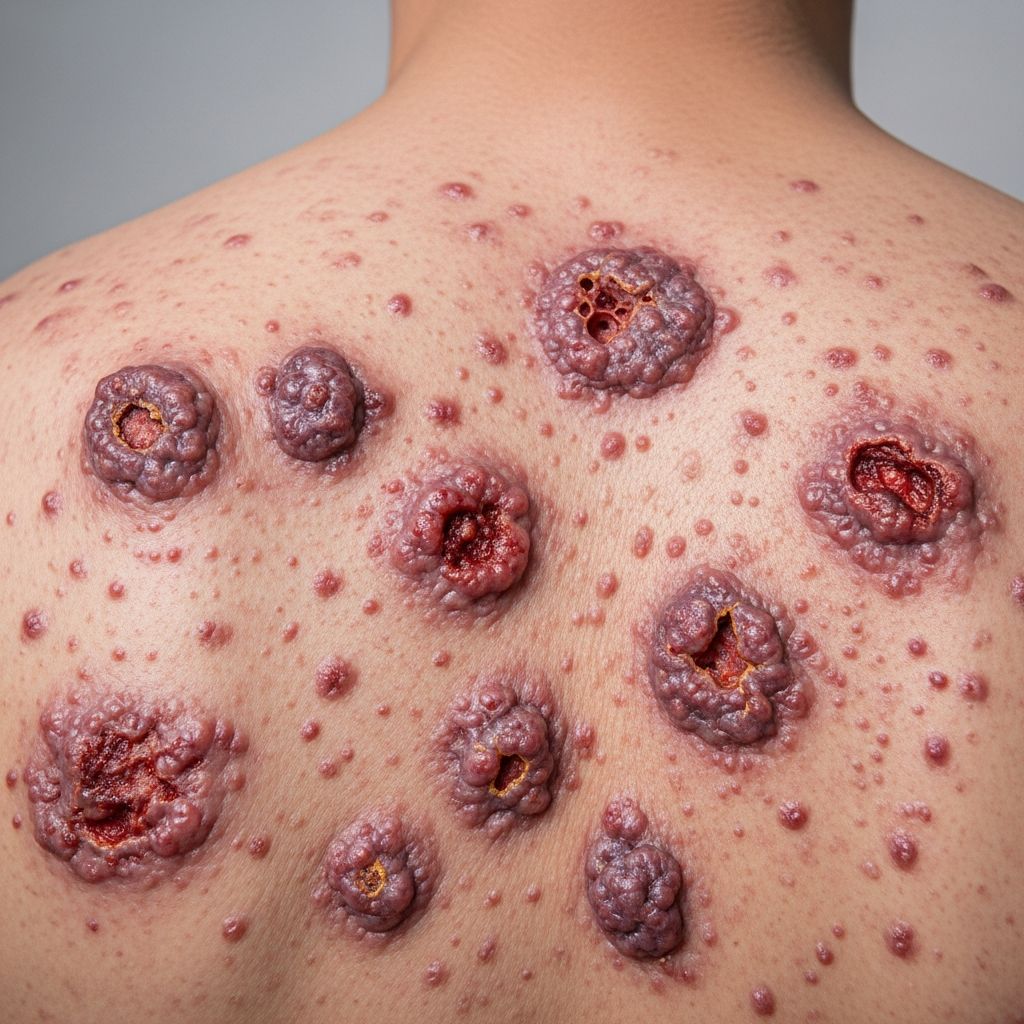
Acne fulminans is a rare, severe variant of acne characterized by sudden onset of ulcerating acne lesions, systemic symptoms including high fever, and polyarthralgia.
What is acne fulminans?
Acne fulminans, also known as acne maligna, is an exceptionally rare and aggressive form of inflammatory acne. It typically affects adolescent males, presenting with a dramatic eruption of widespread, tender nodules and pustules that rapidly progress to ulceration and scarring. Unlike typical acne vulgaris, acne fulminans is accompanied by systemic manifestations such as high fever, chills, malaise, anorexia, weight loss, hepatosplenomegaly, and severe bone and joint pain (polyarthralgia). Laboratory findings often reveal leukocytosis, accelerated erythrocyte sedimentation rate (ESR), and elevated inflammatory markers. Without prompt intervention, it can lead to significant morbidity, including osteolytic bone lesions and permanent disfigurement.
The condition was first described in 1958 and remains a diagnostic and therapeutic challenge due to its rarity—estimated incidence is less than 1% of severe acne cases. It differs from acne conglobata (chronic nodulocystic acne) by its acute onset and systemic involvement, and from pseudo-acne fulminans, which is an isotretinoin-induced flare mimicking the condition.
Who gets acne fulminans?
Acne fulminans predominantly affects young males aged 13–16 years, with a male-to-female ratio of approximately 4:1. It is rare in females and adults. There is a noted association with:
- Previous acne treatment, particularly high-dose isotretinoin initiation.
- HLA-B27 positivity in cases with sacroiliitis.
- Synovitis, acne, pustulosis, hyperostosis, osteitis (SAPHO) syndrome.
- Chromosomal abnormalities such as 46XX or 46XY.
Risk factors include abrupt discontinuation of long-term tetracycline antibiotics or sudden escalation of acne therapy. Genetic predisposition may play a role, as familial cases have been reported.
What causes acne fulminans?
The exact etiology remains unclear, but it is considered a dysregulated immune response triggered by Propionibacterium acnes (now Cutibacterium acnes). Pathogenic mechanisms include:
- Hypersensitivity reaction to bacterial antigens.
- Excessive neutrophil chemotaxis and cytokine release (TNF-α, IL-6, IL-8).
- Lymphocyte transformation to acne antigens.
Associations with:
- SAPHO syndrome (up to 40% of cases).
- Other musculoskeletal disorders.
- Possible links to androgen excess or drug hypersensitivity.
What are the clinical features of acne fulminans?
Symptoms develop acutely over days to weeks:
- Skin: Sudden eruption of tender erythematous macules progressing to pustules, hemorrhagic crusts, and deep ulcerations predominantly on the face, chest, back, and shoulders. Lesions coalesce into plaques with necrosis.
- Systemic: High spiking fever (39–40°C), chills, sweats, fatigue, anorexia, weight loss (up to 20 kg).
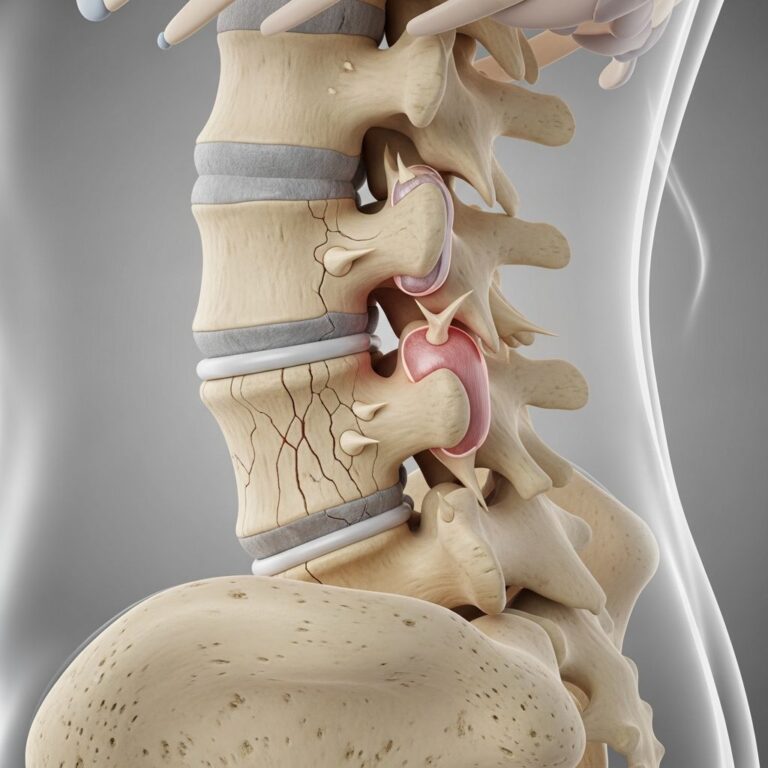
- Musculoskeletal: Severe arthralgia/arthritis (especially hips, knees, ankles), myalgia, bone pain; radiographic osteolysis in 20–40% of cases.
- Other: Hepatosplenomegaly, lymphadenopathy, leukocytosis (WBC >15,000/mm³), thrombocytosis, high ESR/CRP, anemia, hyperglobulinemia, proteinuria, elevated transaminases.
Skin biopsy shows suppurative folliculitis with dermal necrosis and dense neutrophilic infiltrate.
Diagnosis of acne fulminans
Diagnosis is clinical, supported by:
- History of sudden severe acne with systemic symptoms.
- Characteristic lesions and laboratory abnormalities.
- Exclusion of infections (e.g., Gram stain/culture), drug eruptions, pyoderma gangrenosum, Sweet syndrome, Behçet’s disease, PAPA syndrome, or malignancy.
Differential diagnosis table:
| Condition | Key Distinguishing Features |
|---|---|
| Acne conglobata | Chronic, no systemic symptoms, indolent progression. |
| Pseudo-acne fulminans | Occurs 2–3 weeks after starting isotretinoin; resolves with steroids. |
| SAPHO syndrome | Anterior chest wall hyperostosis, palmoplantar pustulosis. |
| Pyoderma gangrenosum | Peripheral pathergy, no follicular involvement. |
Imaging (X-ray, MRI) for osteolytic lesions; bone scan for multifocal involvement.
Related Stories



Treatment of acne fulminans
Treatment is urgent and multifaceted, aiming to control inflammation rapidly while preventing scarring and relapse. Standard protocol:
- Initial phase (inflammation control): Systemic corticosteroids (prednisone 0.5–1 mg/kg/day or 20–60 mg/day PO for 4–6 weeks) ± salicylates (high-dose aspirin). IV methylprednisolone for severe cases.
- Maintenance phase: Introduce low-dose isotretinoin (0.1–0.5 mg/kg/day) after 4 weeks or resolution of crusting; taper steroids gradually while up-titrating isotretinoin to 1 mg/kg/day for 4–6 months.
- Adjuncts: NSAIDs for arthralgia; antibiotics (doxycycline, clindamycin + quinolone) if superinfection; bisphosphonates for osteolysis.
Refractory cases:
- TNF-α inhibitors (adalimumab 40 mg SC q2 weeks, infliximab).
- Cyclosporine, dapsone, colchicine, methotrexate.
- Photodynamic therapy (ALA-PDT) + isotretinoin.
Supportive care: wound care, nutrition, pain management. Multidisciplinary approach (dermatology, rheumatology, endocrinology). Prognosis is good with early treatment; scarring inevitable but minimized.
Complications
- Permanent scarring (ice-pick, hypertrophic).
- Osteomyelitis, pathologic fractures.
- Secondary bacterial infection.
- Recurrence (rare, 10%).
Prevention
Avoid abrupt isotretinoin initiation in high-risk patients; prophylactic low-dose prednisone (0.5 mg/kg) for 2 weeks if starting retinoids in severe acne.
Frequently asked questions (FAQs) about acne fulminans
What is the difference between acne fulminans and regular acne?
Regular acne is mild-moderate without systemic symptoms; acne fulminans is explosive with fever, joint pain, and ulcerations requiring hospitalization.
Can acne fulminans be fatal?
Rarely, due to sepsis or multiorgan failure if untreated, but modern therapy has excellent outcomes.
How long does treatment take?
Acute phase: 4–6 weeks steroids; total course 6–12 months with isotretinoin.
Does acne fulminans come back?
Recurrence is uncommon (<10%) with full isotretinoin course.
Is surgery needed?
No, medical management suffices; debridement only for necrotic superinfection.
References
- Acne vulgaris, Acne conglobata & Acne fulminans — Dermatology Advisor. 2023. https://www.dermatologyadvisor.com/home/decision-support-in-medicine/dermatology/acne-vulgaris-acne-conglobata-acne-fulminans/
- Acne fulminans treatment: case report and literature review — Frontiers in Medicine. 2024-10-11. https://www.frontiersin.org/journals/medicine/articles/10.3389/fmed.2024.1450666/full
- A Novel Treatment of Acne Fulminans with Adalimumab — PMC/NIH. 2020-12-01. https://pmc.ncbi.nlm.nih.gov/articles/PMC7746097/
- Understanding and Treating Pseudo Acne Fulminans — Dermatology Times. 2023. https://www.dermatologytimes.com/view/understanding-and-treating-pseudo-acne-fulminans
- Acne Fulminans: Causes, Symptoms, and Treatment Options — Metro Boston Clinical Partners. 2024. https://metrobostoncp.com/blogs/acne-fulminans/
- Acne fulminans: Overview, Symptoms, and Treatment — DermNet NZ. 2024. https://dermnetnz.org/topics/acne-fulminans
Similar Articles








Read full bio of medha deb