Acne In Pregnancy: Expert Tips For Safe, Effective Relief
Safe management strategies for acne during pregnancy and lactation to protect maternal skin health and fetal safety.
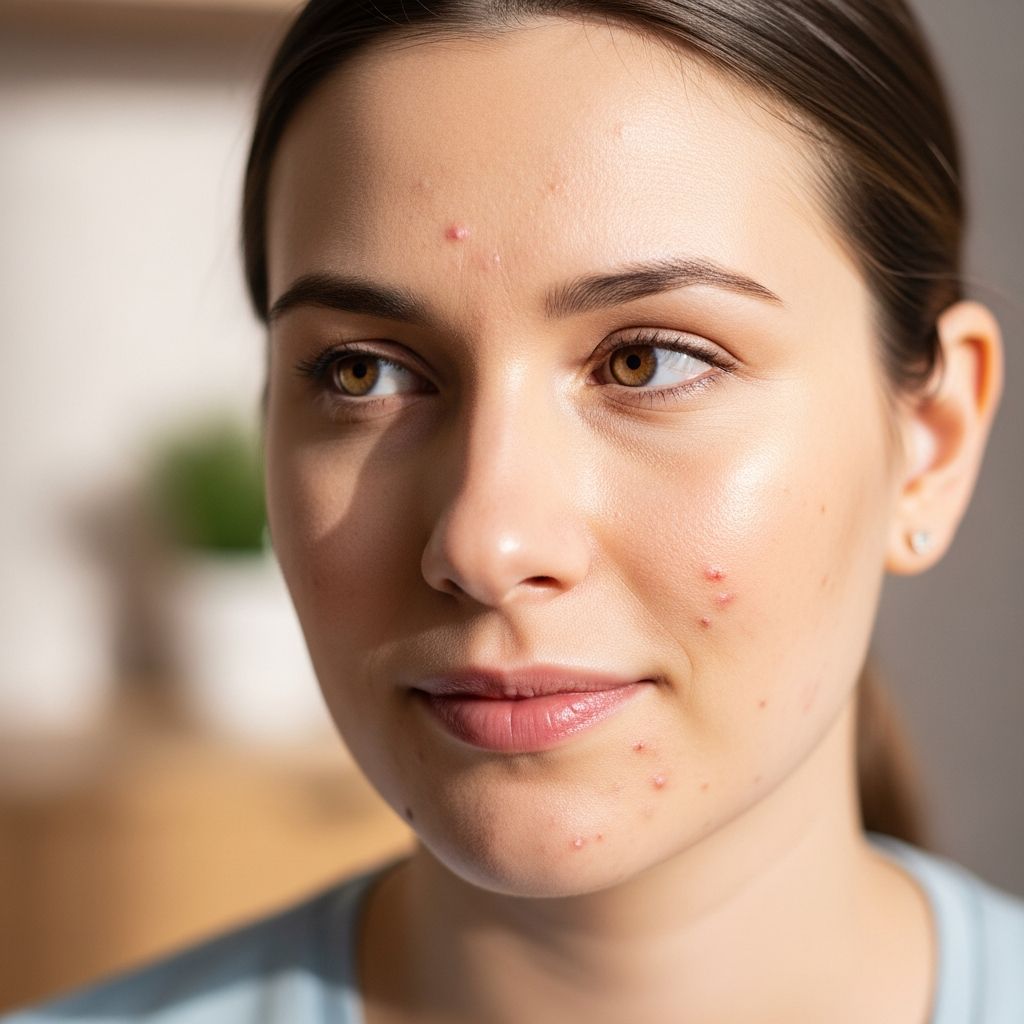
Acne in Pregnancy
Acne vulgaris is a common skin condition that can worsen or appear for the first time during pregnancy due to hormonal changes. Up to 50% of pregnant women experience acne, often in the first trimester, driven by elevated progesterone and androgen levels that increase sebum production and clog pores. This article outlines causes, clinical features, safe management strategies, and treatments to avoid, prioritizing fetal safety while addressing maternal skin health.
What is acne?
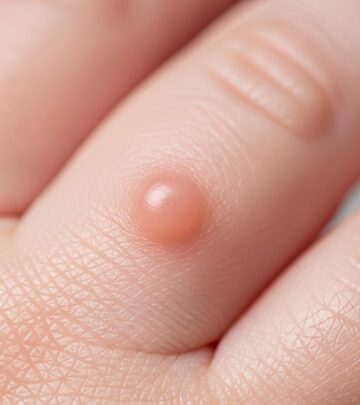
Acne, or acne vulgaris, is a chronic inflammatory disorder of the pilosebaceous unit, characterized by comedones (blackheads and whiteheads), papules, pustules, and nodules/cysts. It primarily affects the face, chest, back, and shoulders. In pregnancy, hormonal surges exacerbate this condition, leading to inflammatory lesions due to increased sebaceous gland activity and altered immune responses.
Who gets acne in pregnancy?
Acne in pregnancy affects women of any age during gestation, but those with a history of acne vulgaris or pre-pregnancy flares (e.g., during menstrual cycles) are at higher risk. It is particularly common in the first trimester when hormone levels peak, though third-trimester flares can occur due to rising androgens preparing for labor. Women with oily skin types or genetic predisposition are more susceptible. Approximately 25-50% of pregnancies involve acne outbreaks, often resolving postpartum.
What causes acne in pregnancy?
The primary cause is hormonal fluctuation: elevated progesterone, estrogen, and androgens stimulate sebaceous glands, increasing sebum production that clogs pores and promotes Propionibacterium acnes (now Cutibacterium acnes) proliferation. Other contributors include:
- Immune system suppression, reducing skin’s ability to fight bacteria.
- Stress-induced cortisol spikes triggering breakouts.
- Pre-existing acne tendencies amplified by pregnancy hormones.
Unlike typical acne, pregnancy acne spares the trunk in many cases and resolves after delivery for most women.
What are the clinical features of acne in pregnancy?
Pregnancy acne mirrors standard acne but is often more inflammatory:
- Comedonal acne: Open (blackheads) and closed (whiteheads) comedones.
- Inflammatory acne: Red papules and pustules.
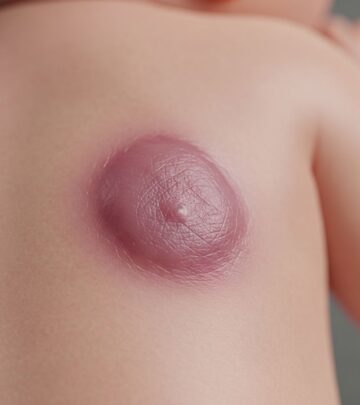
- Severe forms: Nodulocystic lesions, which may scar if untreated.
Lesions predominantly affect the face (chin, jawline), with occasional chest and back involvement. Unlike perioral dermatitis, acne involves comedones. Post-inflammatory hyperpigmentation is common in darker skin tones.
How is acne in pregnancy diagnosed?
Diagnosis is clinical, based on history and examination. Key features include hormonal context (pregnancy confirmation), lesion morphology, and distribution. Differential diagnoses include:
- Polymorphic eruption of pregnancy (itchy, no comedones).
- Pemphigoid gestationis (blistering).
- Impetigo or folliculitis (infectious).
No biopsies are typically needed; severe cases warrant dermatologist referral.
What is the treatment for acne in pregnancy?
Treatment follows a stepwise approach based on severity, prioritizing pregnancy-safe options. Always consult a dermatologist or obstetrician before starting.
Mild acne
For non-inflammatory comedones:
- Gentle cleansing twice daily with non-comedogenic, fragrance-free cleansers.
- Moisturize with oil-free products to maintain barrier function.
- Safe topicals: azelaic acid 15-20% (twice daily), benzoyl peroxide 2.5-5% (limited area, once/twice daily).
Azelaic acid reduces inflammation and bacteria with minimal absorption; benzoyl peroxide has low systemic risk due to rapid breakdown.
Moderate acne
Inflammatory papules/pustules unresponsive to topicals:
- Add topical antibiotics: erythromycin or clindamycin (gel/cream, twice daily).
- Combine with benzoyl peroxide to prevent resistance.
Severe acne
For nodulocystic disease:
- Oral antibiotics (2nd/3rd trimester preferred): Penicillins (e.g., amoxicillin, restricted 1st trimester due to cleft palate risk), cephalexin, erythromycin. Avoid tetracyclines (bone/teeth effects).
- Short courses (4-6 weeks) with topicals.
- Drainage of large cysts.
Refractory acne
- Intralesional corticosteroids (triamcinolone acetonide) for nodules: minimal absorption, low fetal risk.
- Light/laser therapies: narrowband UVB (monitor folate), PDT, Nd:YAG, pulse-dye laser (safe, no teratogenicity).
Lactation considerations: Most topicals and listed orals are safe; pump/discard milk briefly after intralesional steroids if concerned.
Which topical treatments for acne are safe in pregnancy?
| Treatment | Safety | Usage |
|---|---|---|
| Benzoyl peroxide (2.5-5%) | Safe all trimesters | Gel/cream, limited area, 1-2x/day |
| Azelaic acid (15-20%) | Safe | Gel/cream, 1-2x/day |
| Topical erythromycin/clindamycin | Safe | Gel/lotion, 2x/day |
| Glycolic acid (<10%) | Safe | Limited use |
| Low-strength salicylic acid (<2%) | Possibly safe (limited) | Spot treatment |
Which oral treatments for acne are safe in pregnancy?
- Preferred (all trimesters): Penicillin, cephalexin.
- 2nd/3rd trimester: Amoxicillin, erythromycin.
- Avoid monotherapy; combine with topicals.
What acne treatments should be avoided in pregnancy?
Certain treatments pose teratogenic risks and must be discontinued preconception or upon pregnancy confirmation.
Topical to avoid:
- Retinoids: Adapalene, tazarotene, tretinoin (Category C/D; fetal malformations).
- High-strength salicylic acid (>2%): Risk of anomalies.
Oral to avoid:
- Isotretinoin (Roaccutane): Severe defects (Category X).
- Tetracyclines (doxycycline, minocycline): Bone growth inhibition, teeth discoloration.
- Spironolactone, flutamide: Anti-androgens, feminization risks.
- High-dose vitamin A: Teratogenic.
Post-pregnancy acne management
Many cases improve postpartum, but persistent acne may require resuming standard treatments (e.g., retinoids) after lactation ends. Discuss contraception with dermatologist before starting teratogenic therapies.
Frequently Asked Questions
Can I use benzoyl peroxide while pregnant?
Yes, 2.5-5% benzoyl peroxide is safe on limited areas due to minimal absorption.
Is azelaic acid safe during pregnancy?
Yes, it’s first-line for mild-moderate acne with anti-inflammatory and antibacterial effects.
What oral antibiotics are safe?
Penicillins, cephalexin (all trimesters); amoxicillin/erythromycin (2nd/3rd).
Can laser treatments be used?
Yes, certain light/laser therapies like Nd:YAG are safe.
Will pregnancy acne go away after birth?
Often yes, but monitor and treat if persistent.
References
- Treatment of Acne Vulgaris During Pregnancy and Lactation — PMC/NCBI. 2023. https://pmc.ncbi.nlm.nih.gov/articles/PMC9823189/
- Acne During Pregnancy: Causes, Home Remedies, and Treatments — WebMD. Accessed 2026. https://www.webmd.com/skin-problems-and-treatments/acne/acne-during-pregnancy-treatments-causes
- Acne in pregnancy — EADV. 2023. https://eadv.org/wp-content/uploads/2023/09/PREGNANCY-Acne.pdf
- Acne in pregnancy — DermNet NZ. Accessed 2026. https://dermnetnz.org/topics/acne-in-pregnancy
Similar Articles








Read full bio of Sneha Tete