Acne Mimics: 13 Conditions That Look Like Acne
Discover skin conditions that mimic acne, their key differences, and proper treatments to avoid misdiagnosis and ineffective care.
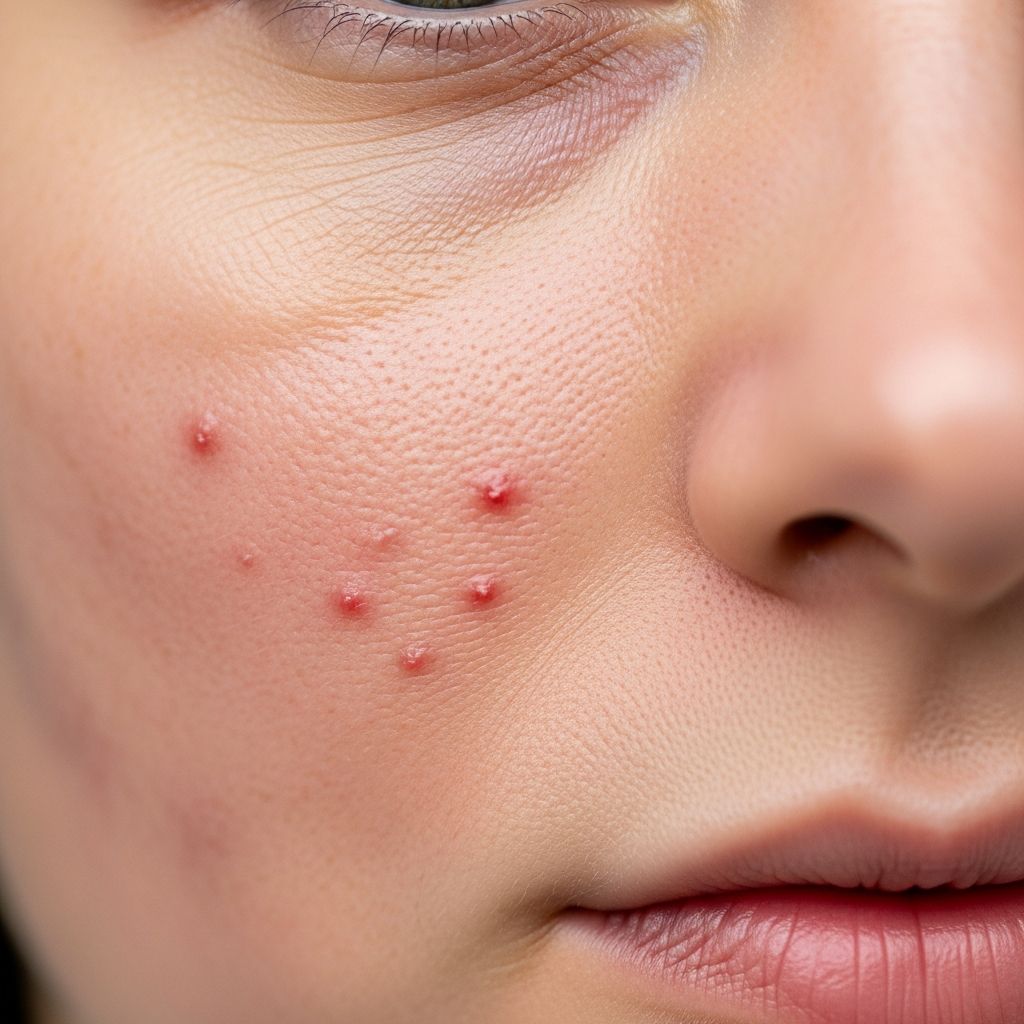
Acne vulgaris is one of the most common skin conditions, affecting millions worldwide, but not every red bump or pustule is acne. Numerous other dermatological disorders can closely resemble acne, leading to misdiagnosis and inappropriate treatment. Accurate identification is crucial because these acne mimics often require different therapeutic approaches. This article explores the most frequent conditions mistaken for acne, their distinguishing features, underlying causes, and management strategies.
Why Misdiagnosis Happens
Skin conditions mimicking acne share features like papules, pustules, comedones, or nodules, primarily on the face, chest, or back. Acne typically involves clogged pores due to excess sebum, hyperkeratinization, Propionibacterium acnes bacteria, and inflammation. However, mimics arise from infections, allergies, hormonal issues, or structural abnormalities. Common pitfalls include self-treatment with acne products, which can worsen conditions like folliculitis or perioral dermatitis. Dermatologists use clinical exams, dermoscopy, biopsies, or cultures for precise diagnosis.
Common Acne Mimics
Rosacea
Rosacea is a chronic inflammatory disorder primarily affecting the central face, often misidentified as acne due to acneiform papules and pustules. Unlike acne, rosacea lacks true comedones and features persistent erythema, telangiectasia, and flushing. Subtypes include erythematotelangiectatic (redness-dominated), papulopustular (acne-like bumps), phymatous (thickened skin, e.g., rhinophyma), and ocular (eye irritation).
- Triggers: Sun, heat, spicy foods, alcohol, stress.
- Key differences from acne: No blackheads/whiteheads; burning/stinging sensation; middle-aged onset; spares perioral/periocular areas.
Treatment focuses on trigger avoidance, gentle skincare, and medications: topical metronidazole/azelaic acid/ivermectin, oral antibiotics (doxycycline), or laser for vessels/rhinophyma.
Folliculitis
Folliculitis involves inflammation of hair follicles, presenting as uniform, itchy pustules around hairs, often on scalp, beard, chest, or thighs—areas acne favors less uniformly. Bacterial (Staphylococcus), fungal (Malassezia), or pseudofolliculitis barbae from shaving can mimic acne. Gram-negative folliculitis may follow long-term acne antibiotics.
- Symptoms: Itchy/perifollicular pustules; no comedones.
- Differentiation: Hair-centered lesions; culture/biopsy confirms pathogen.
Treatments: Antibacterial washes, topical/oral antibiotics (for bacterial), antifungals (for yeast), or laser hair removal. Avoid acne topicals, as they may exacerbate fungal types.
Perioral (Peri-orificial) Dermatitis
Perioral dermatitis features tiny erythematous papules/pustules around the mouth/nose/eyes, sparing the vermilion border. Common in young women using fluorinated steroids or heavy cosmetics. It resembles acne flares but lacks comedones and itches/burns.
| Feature | Perioral Dermatitis | Acne |
|---|---|---|
| Location | Perioral, spares lip | Anywhere on face |
| Lesions | Small papulopustules | Comedones + varied |
| Triggers | Steroids, cosmetics | Hormones, oil |
Management: Zero therapy (discontinue triggers), topical pimecrolimus/tetracycline, or oral tetracyclines. Harsh scrubs worsen it.
Keratosis Pilaris
Keratosis pilaris (KP) causes rough, follicular keratotic plugs on arms, thighs, cheeks—often called “chicken skin.” It mimics acne on the face but is non-inflammatory with no pus. Genetic, linked to atopy/dry skin.
- Treatment: Moisturizers, AHAs/BHAs, topical retinoids, laser.
Milia
Milia are small, white keratin cysts on cheeks/eyelids, not inflamed like acne whiteheads. Common in infants/adults post-trauma.
- Removal: Exfoliation, retinoids, extraction, or laser.
Sebaceous Hyperplasia
Related Stories



Sebaceous hyperplasia appears as yellowish umbilicated papules on forehead/cheeks in older adults, mimicking sebaceous filaments or acne scars.
Treatment: Electrodessication, laser, isotretinoin.
Syringomas
Syringomas are benign eccrine tumors as small flesh-colored papules around eyes, often in clusters, mistaken for milia/acne.
Options: Electrosurgery, laser, cryotherapy.
Truncal Acne Mimics
On chest/back, folliculitis, tinea versicolor, or hidradenitis suppurativa mimic truncal acne. Hidradenitis features deep, painful nodules/scars in flexures. Diagnosis: Wood’s lamp, biopsy.
Less Common Mimics
- Impetigo: Honey-crusted erosions from Staph/Strep; antibiotic-responsive.
- Drug Eruptions: Lithium/steroids cause monomorphic papules.
- Hormonal: Androgen excess (PCOS) flares, but with comedones.
- Demodicosis: Demodex mite infestation with rosacea-like pustules.
Differential Diagnosis Table
| Condition | Key Features | Treatment Difference |
|---|---|---|
| Rosacea | Flushing, no comedones | No BPO; use azelaic acid |
| Folliculitis | Hair-centered pustules | Antibiotics/antifungals |
| Perioral Derm | Perioral scaling | Stop steroids; tetracyclines |
| KP | Non-inflammatory plugs | Exfoliants, not antibiotics |
Diagnostic Approach
History (triggers, products), exam (lesion type/location), dermoscopy (follicle vs. non), swab/biopsy/culture if needed. Consult dermatology for persistence.
Treatment Pitfalls
Acne topicals (BPO, retinoids) irritate rosacea/perioral dermatitis; antibiotics foster resistance/gram-negative folliculitis. Tailor to diagnosis.
Frequently Asked Questions (FAQs)
Q: How do I know if my “acne” is actually rosacea?
A: Rosacea shows redness/flushing without blackheads; acne has comedones. See a dermatologist for confirmation.
Q: Can folliculitis turn into acne?
A: No, but untreated bacterial folliculitis may scar like acne. Culture distinguishes them.
Q: Is perioral dermatitis caused by acne creams?
A: Often by topical steroids or fluoridated toothpaste, not acne creams directly.
Q: Do milia need popping like pimples?
A: No, professional extraction prevents scarring; OTC popping risks infection.
Q: When should I see a doctor for acne-like bumps?
A: If no improvement in 4-6 weeks, worsening, fever, or unusual distribution.
This guide empowers informed skincare. Always seek professional evaluation for persistent eruptions.
References
- These Skin Bumps Are Not Pimples: Acne Mimicking Skin Conditions — Westlake Dermatology. 2023. https://www.westlakedermatology.com/blog/acne-mimicking-skin-conditions/
- Diagnosis and Treatment of Acne — American Academy of Family Physicians (AAFP). 2012-10-15. https://www.aafp.org/pubs/afp/issues/2012/1015/p734.html
- Truncal Acne: A Practical Guide to Diagnosis and Management — Skin Therapy Letter. 2023. https://www.skintherapyletter.com/family-practice/truncal-diagnosis-management/
- Folliculitis: Why You Might Mistake It for Acne — Dermatology of Seattle. 2023. https://dermatologyseattle.com/folliculitis-why-you-might-mistake-it-for-acne/
- Acne-like breakouts could be folliculitis — American Academy of Dermatology (AAD). 2023. https://www.aad.org/public/diseases/a-z/folliculitis
Similar Articles








Read full bio of medha deb