Acne Scars: Causes, Diagnosis, Types & Treatment
Comprehensive guide to understanding acne scars, their causes, types, and effective treatment options.
Understanding Acne Scars: A Comprehensive Guide
Acne scars are a common concern for many people who have struggled with acne breakouts. These permanent marks develop as a result of inflammation from acne blemishes, where the acne pore swells and causes a breakdown in the wall of the pore. Understanding the causes, types, and treatment options available can help you make informed decisions about managing this skin condition and restoring your confidence.
What Are Acne Scars?
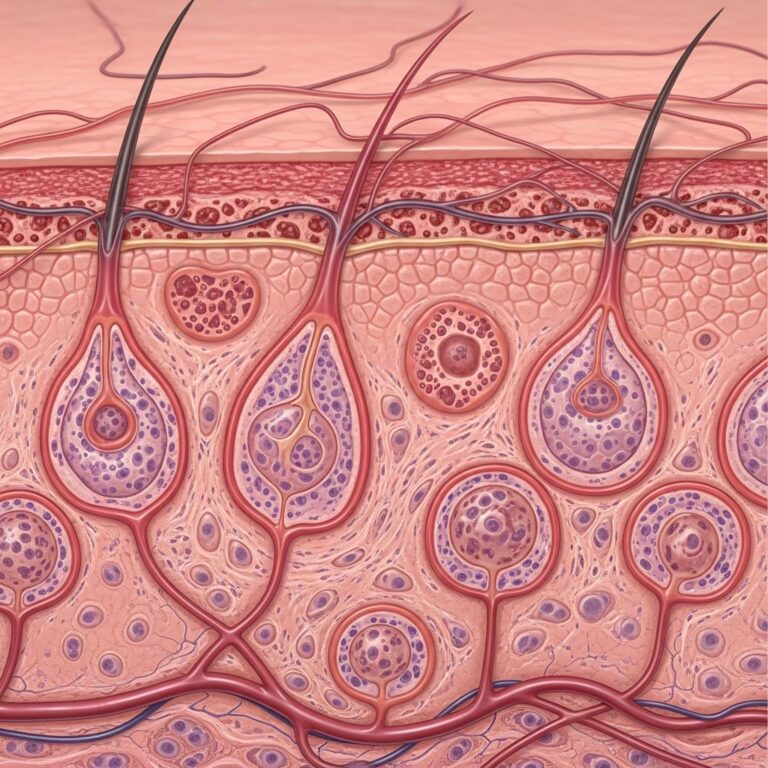
Acne scars are lesions or indentations left on the skin when a pimple, including papules, pustules, nodules, or cysts, becomes inflamed. When acne develops, the bacteria, oil, and dead skin cells cause inflammation beneath the skin’s surface. This inflammatory response triggers the skin’s natural healing process, but sometimes the healing doesn’t restore the skin to its original appearance, leaving behind scars that can persist for years or even permanently.
The severity of acne scarring depends on several factors, including the depth of the acne, your skin type, genetics, and how well the acne was treated during the active phase. Some individuals are more prone to scarring than others, particularly those with deeper cystic acne or those who pick at their blemishes.
Types of Acne Scars
Acne scars come in different forms, each requiring different treatment approaches. Understanding which type of scar you have is essential for determining the most effective treatment plan.
Atrophic Scars (Depressed Scars)
Atrophic scars are the most common type of acne scarring, appearing as indented or sunken areas below the skin’s surface. These scars result from a loss of collagen and elastin, the structural proteins that support and maintain skin elasticity. When the skin heals after severe inflammation, it doesn’t always regenerate enough collagen to fill in the damaged area, leaving behind a depression. Atrophic scars include several subtypes:
Ice Pick Scars: These are narrow, deep indentations that resemble small holes punctured into the skin. They typically have steep, defined edges and penetrate deep into the dermis.
Boxcar Scars: Boxcar scars are wider, rectangular or angular depressions with more defined edges than ice pick scars. They appear more like small pockmarks across the skin.
Rolling Scars: These scars have sloping edges and give the skin a wave-like or undulating appearance, creating a more diffuse depressed area rather than a distinct indentation.
Hypertrophic and Keloid Scars (Raised Scars)
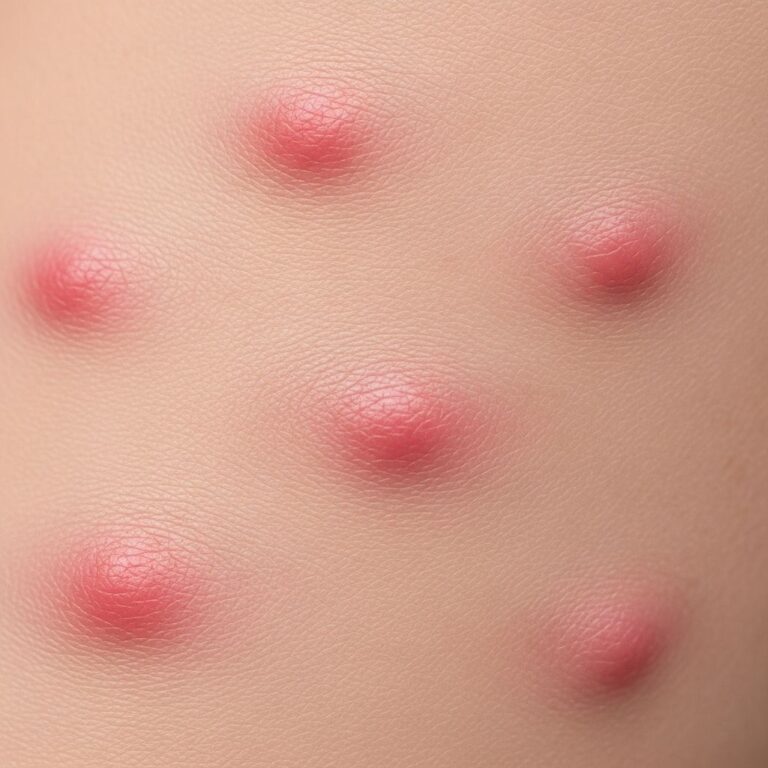
Unlike atrophic scars, hypertrophic and keloid scars are raised and thickened, often appearing as red or pink bumps on the skin’s surface. These scars result from excessive collagen production during the healing process. The body produces too much collagen, which extends beyond the original wound site, creating a raised appearance. Keloid scars are a more severe form of hypertrophic scarring that can grow beyond the boundaries of the original acne lesion.
Related Stories



Post-Inflammatory Hyperpigmentation (PIH)
Post-inflammatory hyperpigmentation refers to dark spots or discoloration that remain after acne has healed. Rather than physical scarring, PIH is a temporary darkening of the skin caused by increased melanin production in response to inflammation. While PIH typically fades over time without treatment, it can persist for months or years, particularly in individuals with darker skin tones.
Diagnosis of Acne Scars
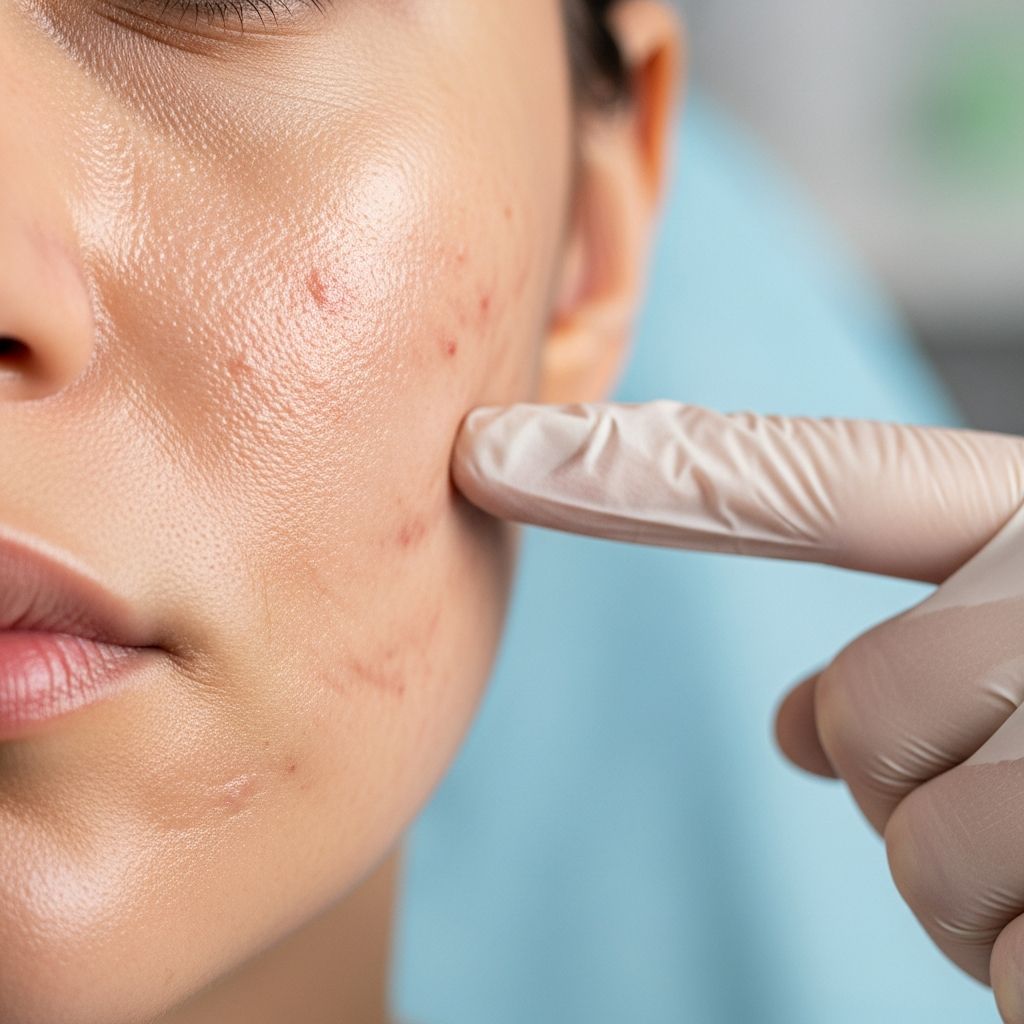
Diagnosing acne scars typically involves a visual examination by a dermatologist. Your healthcare provider will assess the type, depth, and extent of scarring to determine the most appropriate treatment plan. During the evaluation, your doctor may ask about your acne history, previous treatments, skin type, and any family history of scarring tendencies. They may also take photographs for comparison purposes and discuss your expectations for treatment outcomes.
Risk Factors for Acne Scarring
Certain factors increase the likelihood of developing acne scars. These include:
- Severe or cystic acne that penetrates deep into the skin
- Delayed or inadequate acne treatment
- Picking or squeezing acne lesions
- Genetics and family history of scarring
- Certain skin types that are more prone to abnormal healing
- Inflammatory skin conditions
- Age and skin elasticity
Prevention Strategies
While not all acne scarring can be prevented, taking steps to minimize severe acne breakouts can reduce the risk of permanent scarring. Seeking early treatment for acne, avoiding picking or squeezing blemishes, using non-comedogenic skincare products, and maintaining a consistent skincare routine can all help prevent or minimize acne scarring. Additionally, protecting your skin from sun exposure and managing inflammation through proper acne treatment can support better healing outcomes.
Treatment Options for Acne Scars
Numerous effective treatments are available to reduce the appearance of acne scars, ranging from topical solutions to advanced surgical procedures. The best treatment depends on the type of scars, their severity, your skin type, and your personal preferences.
Topical Treatments
For mild acne scarring or post-inflammatory hyperpigmentation, topical treatments can be effective. These products are applied directly to the skin and may contain ingredients such as retinoids, vitamin C, erythromycin, clindamycin, sulfacetamide, or retinoic acid. Retinoids promote skin cell turnover, leading to smoother skin and reduced appearance of uneven surfaces. Vitamin C targets hyperpigmentation, fading dark spots and discoloration associated with acne scars.
Laser Resurfacing
Laser resurfacing is one of the most effective treatments for acne scars. Doctors often use fractional or carbon dioxide (CO2) ablative lasers to treat acne scars. These lasers work by removing layers of skin and stimulating collagen production. Vascular-specific lasers target blood vessels and can help lighten flat or raised scars that are pink or purple and help flatten raised scars. After laser treatment, the skin is swollen and red and may bleed for up to five days. Most patients require between three and five treatment sessions for optimal results. Fractional laser technology allows for precise targeting of scar tissue while minimizing damage to surrounding healthy skin.
Chemical Peels
Chemical peels use acids to remove the top layers of skin, promoting the regeneration and improving the appearance of scars. They work by exfoliating the outer skin layers and encouraging the growth of new, healthier skin cells. Chemical peels can stimulate collagen production, which helps to fill in depressed or atrophic acne scars, making them less noticeable. Different strengths of chemical peels are available, from superficial to deep peels, depending on the severity of scarring.
Microneedling
Microneedling uses tiny needles to create controlled micro-injuries in the skin, stimulating collagen production and improving the appearance of scars. This technique is highly effective for reducing the appearance of acne scars by boosting collagen production and enhancing skin texture. The micro-injuries trigger the body’s natural healing response, leading to increased collagen production. Microneedling is less invasive than laser resurfacing and offers minimal downtime with limited side effects and lower cost than more invasive treatments. However, multiple treatments may be required for optimal results.
Punch Excision
Punch excision is a surgical technique used for deep, narrow scars like ice pick scars. During this procedure, a small circular punch tool removes the scarred tissue, and the wound is closed with stitches. This technique can significantly improve the appearance of deep, distinct scars, though it may result in a small linear scar that is often less noticeable than the original acne scar.
Subcision
Subcision is a procedure particularly effective for rolling scars and some types of atrophic scars. A needle or small blade is inserted under the scar tissue to break up the collagen bundles that create the scarring, effectively releasing the depressed scar and allowing it to rise to the level of surrounding skin. This technique can be combined with other treatments for enhanced results.
Dermal Fillers
Dermal fillers can temporarily improve the appearance of depressed acne scars by filling in the indentations. Common fillers include hyaluronic acid-based products and Sculptra®, which is a poly-L-lactic acid filler that works over time by stimulating collagen production to raise recessed acne scars. Your doctor may also suggest an autologous fat transfer, in which fat from another part of your body is harvested and injected into the acne scar area. For all varieties of filler, you may experience swelling, redness, and discoloration, and depending on the type used, you may need multiple treatments.
Dermabrasion
Dermabrasion is a good acne scar treatment that may lighten dark or red scars. This technique involves using a rotating instrument to mechanically abrade the outer layers of skin, removing damaged tissue and promoting new skin growth. Dermabrasion can reveal more smooth and youthful skin and is particularly effective for surface-level scars and discoloration.
Steroid Injections
For raised scars such as hypertrophic or keloid scars, steroid injections can be effective in reducing their appearance and size. These injections help flatten raised scars and reduce inflammation associated with hypertrophic scarring.
Combination Treatment Approaches
Often, the most effective approach to treating acne scars involves combining multiple treatments. For example, a combination of laser resurfacing followed by microneedling or chemical peels can enhance results. Your dermatologist can recommend a personalized treatment plan tailored to your specific scar types and skin characteristics.
Recovery and Aftercare
Recovery time varies depending on the treatment chosen. Topical treatments and microneedling typically have minimal downtime, while laser resurfacing and chemical peels may require several days to a week of recovery. It’s important to follow post-treatment instructions carefully, which may include avoiding sun exposure, using gentle skincare products, keeping the area clean, and applying prescribed medications or moisturizers. Most treatments require multiple sessions spaced several weeks apart for optimal results.
Frequently Asked Questions
Q: How long does it take to see results from acne scar treatments?
A: Results vary depending on the treatment used. Some topical treatments may show improvement within weeks, while laser treatments and microneedling typically require multiple sessions over several months. Results continue to improve as collagen production increases over time.
Q: Can acne scars be completely removed?
A: While acne scars cannot always be completely removed, modern treatments can significantly reduce their appearance. Most people see substantial improvement after appropriate treatment, though complete elimination depends on scar depth and type.
Q: Are acne scar treatments painful?
A: Most acne scar treatments are performed with topical numbing agents or local anesthesia to minimize discomfort. While you may experience mild discomfort during treatment, most procedures are well-tolerated by patients.
Q: How much do acne scar treatments cost?
A: Treatment costs vary widely depending on the type of procedure, severity of scarring, and number of sessions required. Topical treatments are generally the least expensive, while laser resurfacing and surgical procedures are more costly. Many insurance plans do not cover cosmetic scar treatments.
Q: Can acne scars recur after treatment?
A: Acne scars do not recur if properly treated, as the damaged tissue has been addressed. However, new acne breakouts can create new scars, so ongoing acne prevention is important.
Q: Which treatment is best for my type of acne scars?
A: The best treatment depends on your specific scar type, depth, skin type, and goals. A dermatologist can evaluate your scars and recommend the most appropriate treatment or combination of treatments for your situation.
References
- Acne Scars: Causes, Diagnosis, Types & Treatment — Cleveland Clinic. 2024. https://my.clevelandclinic.org/health/diseases/21222-acne-scars
- The Best Treatments To Get Rid of Acne Scars — Cleveland Clinic Health. 2024. https://health.clevelandclinic.org/how-to-get-rid-of-acne-scars
- What Are the Recommended Treatments for Acne Scars? — Radiance Skin Clinic. 2024. https://radianceskinclinic.com/what-are-the-recommended-treatments-for-acne-scars/
- Scar Revision: What It Is, Who Is a Candidate and Treatment Options — Cleveland Clinic. 2024. https://my.clevelandclinic.org/health/treatments/24670-scar-revision
- Dermabrasion: What Is It, Side Effects, Procedure & Benefits — Cleveland Clinic. 2024. https://my.clevelandclinic.org/health/treatments/8309-dermabrasion
Similar Articles








Read full bio of Sneha Tete