Acne Scars: Complete Guide To Prevention, Types, And Treatments
Comprehensive guide to understanding acne scars, their types, causes, and proven treatments for smoother skin.
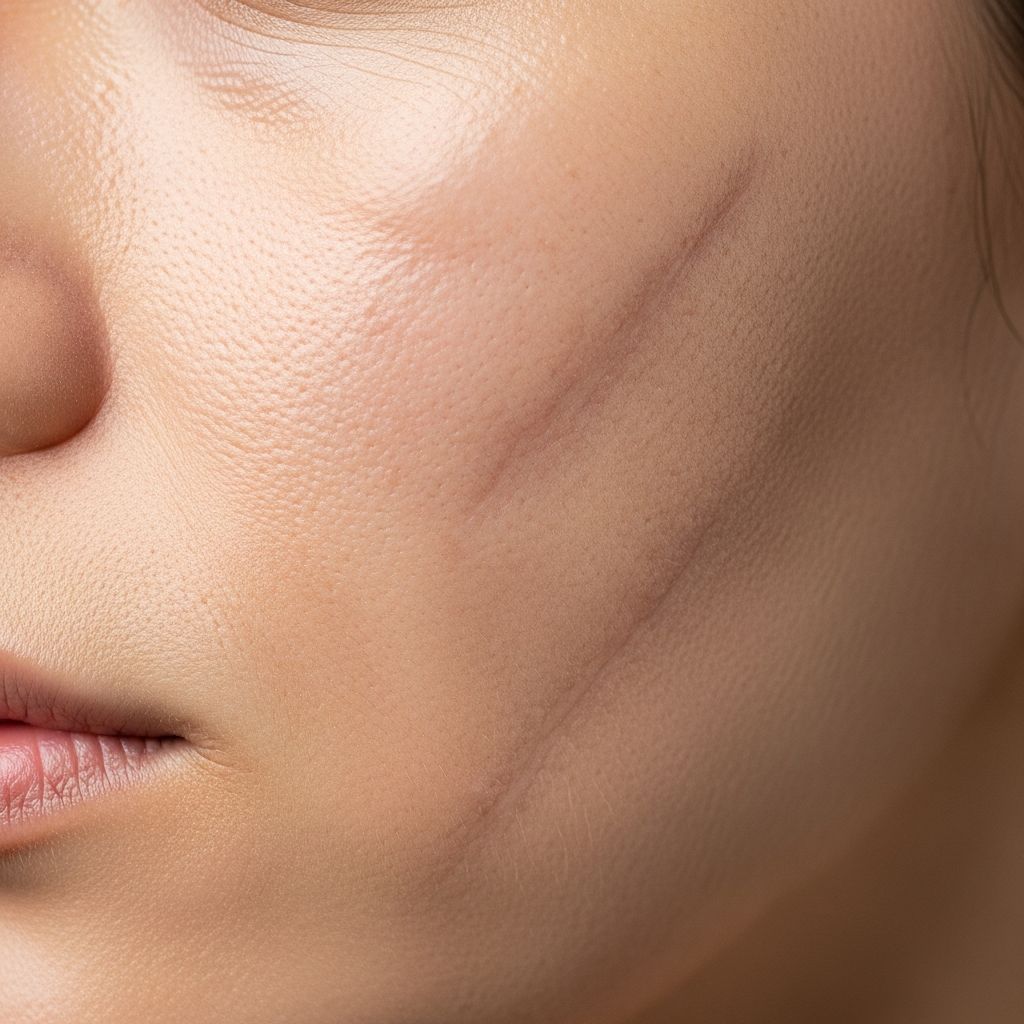
Acne scars are a common consequence of acne vulgaris, affecting millions worldwide and often causing significant emotional distress. These permanent skin lesions result from the skin’s healing response to inflammation, leading to textural changes and discoloration. While acne scars may fade slightly over time, effective treatments can dramatically improve their appearance. This article explores the types, causes, prevention, and a full spectrum of treatment options, drawing from dermatological best practices.
What are acne scars?
Acne scars form when severe acne damages the skin’s collagen structure during the healing process. Unlike temporary post-inflammatory hyperpigmentation (PIH), which is flat reddish-brown discoloration, true scars involve textural alterations such as depressions or elevations. They are classified by morphology into atrophic (indented) and hypertrophic (raised) types. Atrophic scars, comprising 80-90% of cases, result from collagen loss, while hypertrophic and keloid scars arise from excess collagen deposition.
Scar formation is more likely with picking, squeezing, or delaying treatment of inflammatory acne lesions like nodules and cysts. Factors influencing scarring include acne severity, duration, and individual healing responses.
Types of acne scars
Acne scars vary in shape, depth, and size. Accurate identification by a dermatologist is crucial for selecting the optimal treatment.
- Atrophic scars: Depressed scars due to insufficient collagen. Subtypes include:
- Ice pick scars: Narrow, deep pits (1-2 mm wide), often on cheeks.
- Boxcar scars: Broad, box-like depressions with sharp edges (1.5-4.0 mm wide).
- Rolling scars: Wavy, shallow depressions from fibrous bands tethering skin to subcutaneous tissue.
- Hypertrophic scars: Thickened, raised scars confined to the original lesion site, common on the jawline and chest.
- Keloid scars: Firm, rubbery overgrowths extending beyond the lesion, more prevalent in darker skin tones and on the trunk.
Post-inflammatory erythema (red marks) and hyperpigmentation are not true scars but can mimic them and respond to different therapies.
Who gets acne scars?
Up to 95% of those with acne experience some scarring, but severe scarring affects 1% of the general population. Risk is higher in males with severe inflammatory acne, delayed treatment seekers, and those who manipulate lesions. Genetic predisposition plays a role, particularly for keloids in individuals of African, Asian, or Hispanic descent.
Prevention of acne scarring
The best approach is preventing scars by managing active acne promptly. Key strategies include:
- Early intervention with topical retinoids, benzoyl peroxide, or antibiotics for mild acne.
- Oral isotretinoin for moderate-to-severe nodular acne to halt inflammation.
- Avoiding picking or popping pimples to minimize trauma.
- Daily broad-spectrum sunscreen (SPF 30+) to prevent PIH darkening.
Treating active acne reduces scarring risk by 50-80%.
Treatment of acne scars
Treatment selection depends on scar type, skin type, age, downtime tolerance, and budget. Monotherapy often suffices for mild scars, but combinations yield superior results for moderate-severe cases. Expect 50-75% improvement after 3-6 sessions; full remodeling takes 6-12 months.
Camouflage
Silicone-based primers and color-correcting makeup (green for redness, peach for dark spots) instantly disguise scars. Medical tattoos offer semi-permanent camouflage for stable hypopigmented scars.
Topical treatments
Suitable for mild scars and PIH:
- Retinoids (tretinoin 0.05-0.1%) promote collagen and epidermopoiesis.
- Hydroquinone 4% or azelaic acid 20% for hyperpigmentation.
- Silicone gels reduce hypertrophic scars.
Results appear in 3-6 months with consistent use.
Related Stories



Chemical peels
Peels exfoliate damaged skin:
| Peel Type | Depth | Best For | Downtime |
|---|---|---|---|
| Glycolic acid 30-70% | Superficial | Superficial scars, PIH | 1-3 days |
| Salicylic acid 20-30% | Superficial | Inflammatory acne scars | 1-2 days |
| Trichloroacetic acid (TCA) 35-50% | Medium | Boxcar, rolling scars | 7-10 days |
TCA CROSS (90-100% TCA focally applied) excels for ice pick scars, achieving 1-2 grade improvement.
Microneedling
Fine needles (0.5-2.5 mm) induce collagen via controlled injury. Effective for atrophic scars; 3-6 sessions spaced 4-6 weeks. Safe for all skin types. Combine with PRP or vitamin C for enhanced results.
Laser and light therapies
- Ablative lasers (CO2, Erbium:YAG): Vaporize epidermis for resurfacing. Ideal for moderate scars; 50-80% improvement but 1-2 weeks downtime.
- Non-ablative lasers (Nd:YAG, fractional): Minimal downtime, suitable for darker skin.
- Pulsed dye laser: Targets vascular hypertrophic scars.
- Photodynamic therapy: Aminolevulinic acid + light reduces active acne and early scars.
Dermabrasion and microdermabrasion
Dermabrasion mechanically planes skin for boxcar/rolling scars. Microdermabrasion offers gentle exfoliation for superficial scars; 6-10 sessions needed.
Fillers
Hyaluronic acid (Juvederm, Restylane) or collagen fillers plump rolling scars. Lasts 6-12 months; subcision often precedes.
Surgery
- Punch excision: Removes ice pick scars, closed with sutures.
- Punch elevation: Detaches base of boxcar scars for leveling.
- Subcision: Breaks fibrous tethers in rolling scars using a needle.
Treatments for hypertrophic and keloid scars
Raised scars require:
- Intralesional corticosteroids (triamcinolone 10-40 mg/mL) every 4-6 weeks.
- Cryotherapy + steroids for keloids.
- Silicone sheets or 5-FU injections.
- Radiation or excision for recalcitrant keloids (recurrence risk high).
What is the best treatment for acne scars?
No universal “best” exists; a dermatologist tailors based on:
- Scar type/depth (e.g., TCA CROSS for ice pick, lasers for boxcar).
- Skin phototype (non-ablative for Fitzpatrick IV-VI).
- Scar age (fresher respond better).
- Patient factors (pain tolerance, budget).
Combination therapy (e.g., subcision + laser + fillers) achieves 75%+ improvement.
Advanced treatments for severe scarring
For deep, extensive scars:
- Fractional radiofrequency (e.g., Morpheus8) tightens skin deeply.
- Autologous fat transfer for volume loss.
- Stem cell therapy (emerging).
Are there home remedies for acne scars?
Limited evidence supports:
- Aloe vera or rosehip oil for mild PIH.
- Vitamin C serums (10-20%) for collagen boost.
Harsh remedies like lemon juice risk irritation. Professional treatments outperform topicals.
FAQs
Do acne scars go away?
Acne scars are permanent but improve 50-90% with treatment. Spontaneous fading is minimal.
How long do acne scars last?
Indefinitely without intervention; treatments accelerate remodeling over 6-12 months.
Can acne scars be removed completely?
Not always 100%, but significant fading is achievable.
Is microneedling good for acne scars?
Yes, especially atrophic; 3-6 sessions yield visible smoothing.
What is the fastest way to get rid of acne scars?
Ablative lasers offer quickest results but with downtime; consult a specialist.
References
- Acne Scar Treatments that Actually Work — Caci. 2023. https://caci.co.nz/blogs/skin-101/acne-scar-treatments-that-actually-work
- Microneedling for Acne Scars: Effectiveness, Side Effects, and Costs — Healthline. 2023-10-10. https://www.healthline.com/health/microneedling-for-acne-scars
- TCA CROSS — DermNet NZ. 2024. https://dermnetnz.org/topics/tca-cross
- Acne Scarring — DermNet NZ. 2024. https://dermnetnz.org/topics/acne-scarring
- Lasers, lights and acne — DermNet NZ. 2024. https://dermnetnz.org/topics/lasers-lights-and-acne
- Acne Scars And How To Get Rid Of Them — DermNet NZ. 2024. https://dermnetnz.org/topics/acne/acne-scars-how-to-get-rid-of-them
Similar Articles








Read full bio of medha deb