Acne Treatment Guide: 3 Severity-Based Plans To Clear Skin
Comprehensive strategies for managing acne from mild breakouts to severe cases with proven therapies and expert tips.
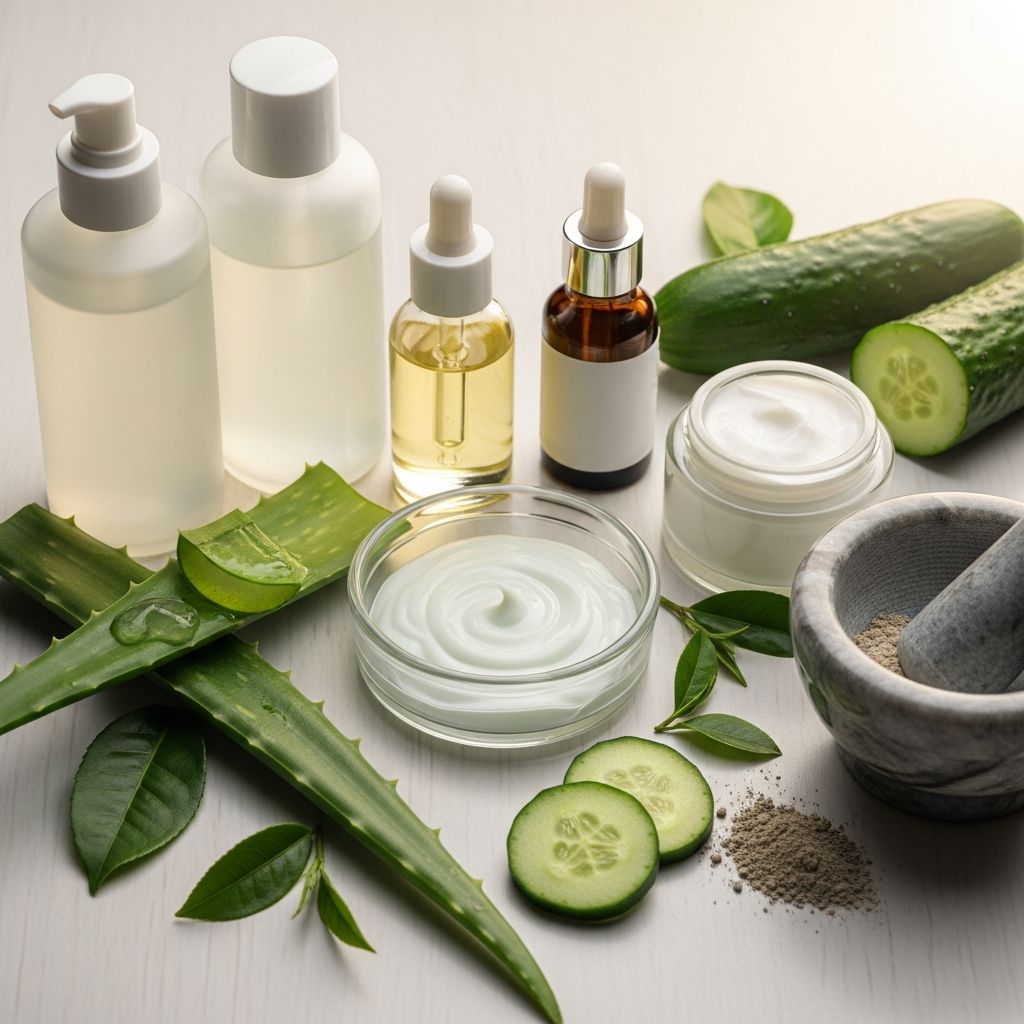
Acne affects millions worldwide, manifesting as pimples, blackheads, whiteheads, and cysts due to clogged pores, excess oil, bacteria, and inflammation. Effective management requires a tailored approach based on severity, from mild over-the-counter remedies to prescription systemic therapies.
Understanding Acne Severity Levels
Acne is classified by lesion type and extent: mild involves few non-inflammatory comedones; moderate includes papules and pustules; severe features nodules and cysts risking scarring. Treatment escalates accordingly, prioritizing prevention of long-term damage.
- Mild acne: Primarily comedonal, responsive to topicals.
- Moderate acne: Inflammatory lesions needing combined therapies.
- Severe acne: Deep nodules requiring systemic intervention.
Foundational Skincare Practices
Gentle cleansing twice daily with mild, non-comedogenic soap removes excess oil without stripping the skin barrier. Avoid harsh scrubs, astringents, or frequent washing, which exacerbate irritation.
Incorporate non-comedogenic moisturizers and broad-spectrum sunscreen daily, as treatments like retinoids increase sun sensitivity.
Over-the-Counter Topical Options
Initial therapy often starts with accessible products targeting oil, bacteria, and dead skin.
| Ingredient | Mechanism | Common Forms | Potential Side Effects |
|---|---|---|---|
| Benzoyl Peroxide | Kills Propionibacterium acnes bacteria, reduces inflammation | Gels, washes (2.5-10%) | Dryness, redness, bleaching fabrics |
| Salicylic Acid | Exfoliates pores, unclogs comedones | Cleansers, pads (0.5-2%) | Mild stinging, peeling |
| Adapalene (OTC strength) | Retinoid-like, promotes cell turnover | Gel (0.1%) | Initial irritation |
Consistency yields results in 4-8 weeks; start low to build tolerance.
Prescription Topical Therapies
For persistent cases, dermatologists prescribe stronger agents.
- Retinoids: Tretinoin, adapalene, tazarotene normalize keratinization, prevent follicle clogging. Apply evenings, 3x/week initially.
- Topical Antibiotics: Clindamycin, erythromycin reduce bacteria and inflammation; pair with benzoyl peroxide to curb resistance. Not for solo use.
- Other Agents: Azelaic acid kills bacteria and fades hyperpigmentation; dapsone targets inflammation; clascoterone blocks hormones.
Combinations enhance efficacy: e.g., retinoid + benzoyl peroxide mornings/evenings.
Oral Medications for Moderate to Severe Acne
Systemic drugs address widespread or deep inflammation.
- Antibiotics: Tetracyclines (doxycycline, minocycline) preferred for 3 months max, combined with topicals.
- Hormonal Therapies (Females): Combined oral contraceptives or spironolactone regulate androgens.
- Isotretinoin: For recalcitrant severe acne, reduces oil production dramatically. Requires monitoring for side effects like dry skin, lipids, mood.
Advanced Procedural Interventions
Adjunct procedures complement medications.
- Chemical Peels: Salicylic or glycolic acid exfoliate for mild acne.
- Light and Laser Therapy: Target bacteria and oil glands; multiple sessions needed.
- Extraction/Drainage: Removes stubborn comedones or cysts.
- Steroid Injections: Rapidly shrink nodules.
Treatment Strategies by Severity
| Severity | First-Line Therapy | Alternatives |
|---|---|---|
| Mild | Benzoyl peroxide or topical retinoid | Add topical antibiotic |
| Moderate | Topical retinoid + benzoyl peroxide + antibiotic | Oral antibiotic + topicals |
| Severe | Oral isotretinoin or oral antibiotic + topicals | Hormonal agents |
Side Effects and Management
Common issues include dryness, redness, peeling. Mitigate with moisturizers, gradual introduction, and short-contact application. Monitor for antibiotic resistance or isotretinoin risks like teratogenicity.
Related Stories



Lifestyle Factors Influencing Acne
Diet high in dairy/glycemic foods may worsen; low-glycemic diets help some. Stress management and hygiene reduce flares.
When to Consult a Dermatologist
Seek professional care for scarring, cysts, or no improvement after 8-12 weeks of OTC use.
FAQs
How long until acne treatments work?
Typically 4-12 weeks; full clearance may take 6 months.
Can I use multiple treatments together?
Yes, but follow guidance to avoid irritation; e.g., separate retinoids and benzoyl peroxide.
Is acne treatment safe during pregnancy?
Avoid retinoids and isotretinoin; use azelaic acid or erythromycin.
Does acne always scar?
Not if treated early; severe nodules pose higher risk.
Patient Expectations and Adherence
Acne therapy demands patience; initial worsening (purging) with retinoids is common. Track progress with photos and adhere to regimens for best outcomes.
References
- Acne – Diagnosis and treatment – Mayo Clinic — Mayo Clinic. 2023-10-15. https://www.mayoclinic.org/diseases-conditions/acne/diagnosis-treatment/drc-20368048
- Acne clinical guideline — American Academy of Dermatology. 2024-02-01. https://www.aad.org/member/clinical-quality/guidelines/acne
- Acne Vulgaris: Treatment Guidelines from the AAD — AAFP. 2017-06-01. https://www.aafp.org/pubs/afp/issues/2017/0601/p740.html
- Acne Vulgaris — NCBI Bookshelf. 2023-07-17. https://www.ncbi.nlm.nih.gov/books/NBK459173/
- Acne – Treatment — NHS. 2023-11-20. https://www.nhs.uk/conditions/acne/treatment/
Similar Articles








Read full bio of medha deb