Acne Management: Treatment Options by Severity
Complete guide to treating acne: from mild topical solutions to severe systemic treatments.
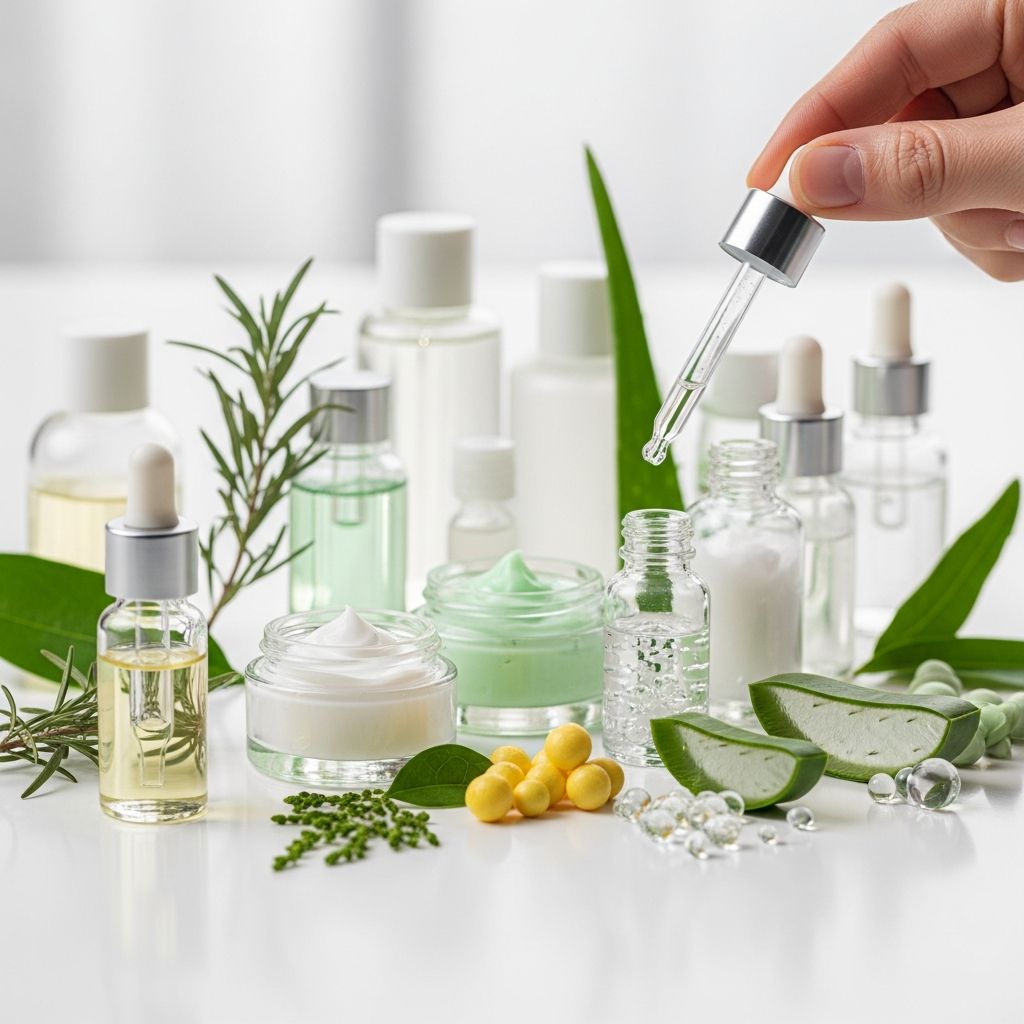
Acne is one of the most common skin conditions, affecting millions of individuals worldwide. The approach to treating acne varies significantly depending on its severity and extent. Treatment selection should be guided by the severity classification—mild, moderate, or severe—with most patients responding well to appropriate therapy when selected correctly. Most treatments require at least 4–6 weeks to demonstrate noticeable improvement, and consistency is essential for achieving optimal outcomes.
General Principles of Acne Treatment
Successful acne management begins with understanding fundamental treatment principles that apply across all severity levels. Proper skin care forms the foundation of any acne treatment regimen and should be maintained alongside pharmacological interventions.
- Wash affected areas twice daily with a mild cleanser and water or an antiseptic wash
- Avoid scrubbing or aggressive cleansing, which can irritate and inflame acne lesions
- Apply acne products to all areas prone to acne, not just visible lesions
- Use oil-free cosmetics and skincare products to minimize pore occlusion
- Maintain consistency with treatment regimens as most improvements take several weeks to manifest
- Consult a healthcare provider if pimples fail to clear within six weeks or if acne is severe
Treatment of Mild Acne
Mild acne typically responds well to topical therapies alone. Most patients with mild acne can be treated with over-the-counter topical treatments available without prescription. These agents are applied directly to the skin as gels, solutions, lotions, or creams and work through various mechanisms to reduce acne lesions.
First-Line Topical Agents
Benzoyl peroxide and topical retinoids (adapalene, tretinoin, and isotretinoin) are usually considered first-line treatments for mild acne. These agents effectively reduce both comedonal and inflammatory acne lesions.
Benzoyl Peroxide
Benzoyl peroxide remains one of the most effective and widely used topical acne treatments. It works by reducing bacterial populations and exerting anti-inflammatory effects. Lower strength products (2.5–5%) are effective and cause less irritation than higher strength formulations (10%). Patients should be advised that benzoyl peroxide can bleach clothes, towels, bedding, and hair due to its oxidative properties. Common side effects include skin irritation, dryness, and sometimes redness, which can be minimized by starting with lower strength products and increasing gradually. Available formulations include:
- 2.5% – Brevoxyl cream
- 5% – Benzac AC gel, Benzac AC wash, Clean and Clear Continuous Control Acne Cleanser, Clearasil Ultra Acne Treatment cream, PanOxyl Acne gel
- 10% – Benzac AC gel, PanOxyl Acne gel
Topical Retinoids
Topical retinoids, derived from Vitamin A, are highly effective for treating comedonal acne and preventing lesion formation. Available topical retinoids include adapalene, isotretinoin, and tretinoin. These medications work by normalizing skin cell turnover and preventing follicle occlusion. Retinoids can cause irritation, scaling, and dryness, particularly when first initiated. Patients may begin with application two nights per week and increase to every night over a period of three weeks. Initially applying topical retinoids for shorter durations—such as washing the application off after 20 minutes or more—may also minimize skin irritation. Irritation may be exacerbated by applying excessive product. Available formulations include:
- Adapalene 0.1% – Differin gel, Differin cream
- Isotretinoin 0.05% – Isotrex gel
- Tretinoin 0.05% – Retin-A cream, Retinova cream
Azelaic Acid
Azelaic acid is an alternative topical agent suitable for mild acne. This naturally occurring compound has antimicrobial and anti-inflammatory properties. The formulation available includes:
- Azelaic Acid 20% – Acnederm Lotion, Skinoren cream
Topical Antibiotics
Topical antibiotics such as clindamycin and erythromycin are effective for mild acne and usually cause less irritation than benzoyl peroxide and topical retinoids. However, they may occasionally cause mild irritation and burning. Importantly, topical antibiotics should not be used for extended periods as bacterial resistance is more likely to develop with prolonged use. Generally, topical antibiotics should be discontinued after approximately six to twelve weeks of treatment, with benzoyl peroxide or topical retinoids continued alone. Available formulations include:
- Erythromycin 2% – Stiemycin topical solution
- Erythromycin 4% – Eryacne gel
- Clindamycin 1% – Topicil solution
- Clindamycin 1% with 5% benzoyl peroxide – Duac Once Daily gel
Combination Topical Therapy
Combining different topical agents enhances efficacy and reduces bacterial resistance. One product combining clindamycin and benzoyl peroxide (Duac Once Daily) can be applied once daily at night. Alternatively, separate products can be combined by using one in the morning and one at night. If treatment includes a topical retinoid, this should usually be used at night. The combination of benzoyl peroxide with topical or oral antibiotics minimizes the emergence of antibiotic resistance.
Treatment of Moderately Severe Acne
Moderately severe acne presents with multiple comedones, inflammatory papules, and pustules affecting larger skin areas. Treatment typically includes topical agents combined with oral medication, usually prescribed for at least 3–6 months. This combination approach addresses both the local skin bacteria and systemic factors contributing to acne development.
Oral Antibiotics
When topical treatments prove insufficient, oral antibiotics provide systemic anti-inflammatory and antibacterial effects. Doxycycline and minocycline are commonly used tetracycline antibiotics, typically taken at doses of 50–200 mg daily for approximately six months. Tetracyclines may be tapered and discontinued once acne improves. Erythromycin or trimethoprim may be used as alternatives if doxycycline is contraindicated or poorly tolerated. During oral antibiotic therapy, benzoyl peroxide or topical retinoids should be continued to help maintain improvements once oral antibiotics are stopped. If acne relapses, treatment with the same antibiotic as previously used is often effective.
Hormonal Medications
For women with moderately severe acne, hormonal medications can be remarkably effective. The combined oral contraceptive pill (COCP) is a type of birth control pill that helps control acne by lowering testosterone, a hormone that increases the amount of oil the skin produces. Hormonal treatments address the underlying endocrine factors contributing to acne development and can be used long-term.
Treatment of Severe Acne
Severe acne, characterized by extensive scarring or widespread lesions unresponsive to conventional treatments, may require specialized interventions. A referral to see a dermatologist (skin specialist) is recommended for severe cases. Dermatologists can assess whether systemic medications or advanced physical treatments are appropriate.
Isotretinoin
Isotretinoin (also known as Accutane) is a potent vitamin A derivative reserved for severe acne cases. This medication can produce long-term remission or permanent clearance of acne but requires careful medical monitoring due to potential side effects. Isotretinoin is typically prescribed only by dermatologists and requires regular laboratory testing and follow-up appointments. Women of childbearing age must use effective contraception while taking isotretinoin due to its teratogenic effects.
Physical Treatments for Acne
Beyond topical and systemic medications, physical treatments offer alternative or complementary approaches to acne management. Laser and light therapies are sometimes used to treat acne, particularly when conventional treatments are ineffective or contraindicated. These treatments work through various mechanisms including reduction of sebaceous gland activity, bacterial suppression, and anti-inflammatory effects. Consultation with a dermatologist is necessary to determine whether physical treatments are suitable for individual cases.
Treatment Principles by Severity
| Acne Severity | Primary Treatment Approach | Additional Considerations |
|---|---|---|
| Mild | Topical therapies (benzoyl peroxide, topical retinoids, or topical antibiotics) | Often available over-the-counter; requires 4–6 weeks for noticeable results |
| Moderate | Topical agents combined with oral antibiotics or hormonal treatments | Usually requires 3–6 months of oral medication; continue topical therapy long-term |
| Severe | Specialist referral; may include isotretinoin or advanced physical treatments | Requires dermatological supervision; potential for long-term remission |
Important Considerations and Side Effects
All acne medications, particularly those requiring prescription, should be discussed with a healthcare professional to ensure they are safe for individual use and to discuss possible side effects. Antibiotics and isotretinoin require prescriptions from a doctor or qualified healthcare professional. Some patients may experience skin sensitivity and dryness, especially those with atopic skin conditions. The use of topically applied products such as cosmetics, cleansers, sunscreens, hair products, and moisturizers should be carefully selected, as some may be irritant or occlusive and worsen acne.
Frequently Asked Questions (FAQs)
Q: How long does it take for acne treatments to work?
A: Most acne treatments require at least 4–6 weeks to demonstrate noticeable improvement. Consistency and patience are essential, as skin cell turnover and bacterial population reduction take time to manifest clinically.
Q: Can I purchase acne treatments without a prescription?
A: Many anti-acne skincare products containing benzoyl peroxide, azelaic acid, or salicylic acid are available to purchase at a pharmacy without a prescription. However, topical retinoids like tretinoin or adapalene, antibiotics, hormonal medications, and isotretinoin generally require a doctor’s prescription.
Q: Is combining multiple acne treatments safe?
A: Yes, combining topical treatments can enhance efficacy when done appropriately. For example, using benzoyl peroxide in combination with topical or oral antibiotics minimizes antibiotic resistance. However, combinations should be discussed with a healthcare provider to avoid excessive irritation or adverse interactions.
Q: What should I do if my acne doesn’t improve after six weeks?
A: If pimples fail to clear within six weeks or if acne is severe, consult your doctor or dermatologist for assessment and potential adjustment to your treatment plan. They may recommend oral medications, hormonal treatments, or specialist physical therapies.
Q: Can topical antibiotics be used long-term?
A: No, topical antibiotics should not be used for extended periods as bacterial resistance is more likely to develop. Generally, discontinue topical antibiotics after approximately six to twelve weeks of treatment and continue benzoyl peroxide or topical retinoids alone.
Q: Are there lifestyle changes that help manage acne?
A: Yes, certain lifestyle modifications can support acne management. Stop smoking if applicable, maintain a diet low in sugar, fat, and dairy products, choose oil-free cosmetics, and ensure twice-daily cleansing with mild soap and water. However, medication remains the primary treatment approach for clinically significant acne.
References
- How to treat acne — Best Practice Advocacy Centre New Zealand (BPAC). 2009-04. https://bpac.org.nz/bpj/2009/april/docs/bpj20_acne_pages_7-16.pdf
- Acne Management – DermNet — DermNet New Zealand. 2024. https://dermnetnz.org/topics/acne-treatment
- How To Get Rid Of Acne — DermNet New Zealand. 2024. https://dermnetnz.org/topics/acne/how-to-get-rid-of-acne
- General Treatment Guidelines for Acne — McGill University Department of Pediatrics. 2020. https://www.mcgill.ca/peds/files/peds/acne.pdf
- Topical Treatment for Acne — DermNet New Zealand. 2024. https://dermnetnz.org/topics/topical-treatment-for-acne
Similar Articles



Read full bio of Sneha Tete