Acne: Types, Causes, Treatment & Prevention
Complete guide to understanding acne: types, causes, and effective treatments for clearer skin.
Understanding Acne: A Comprehensive Guide
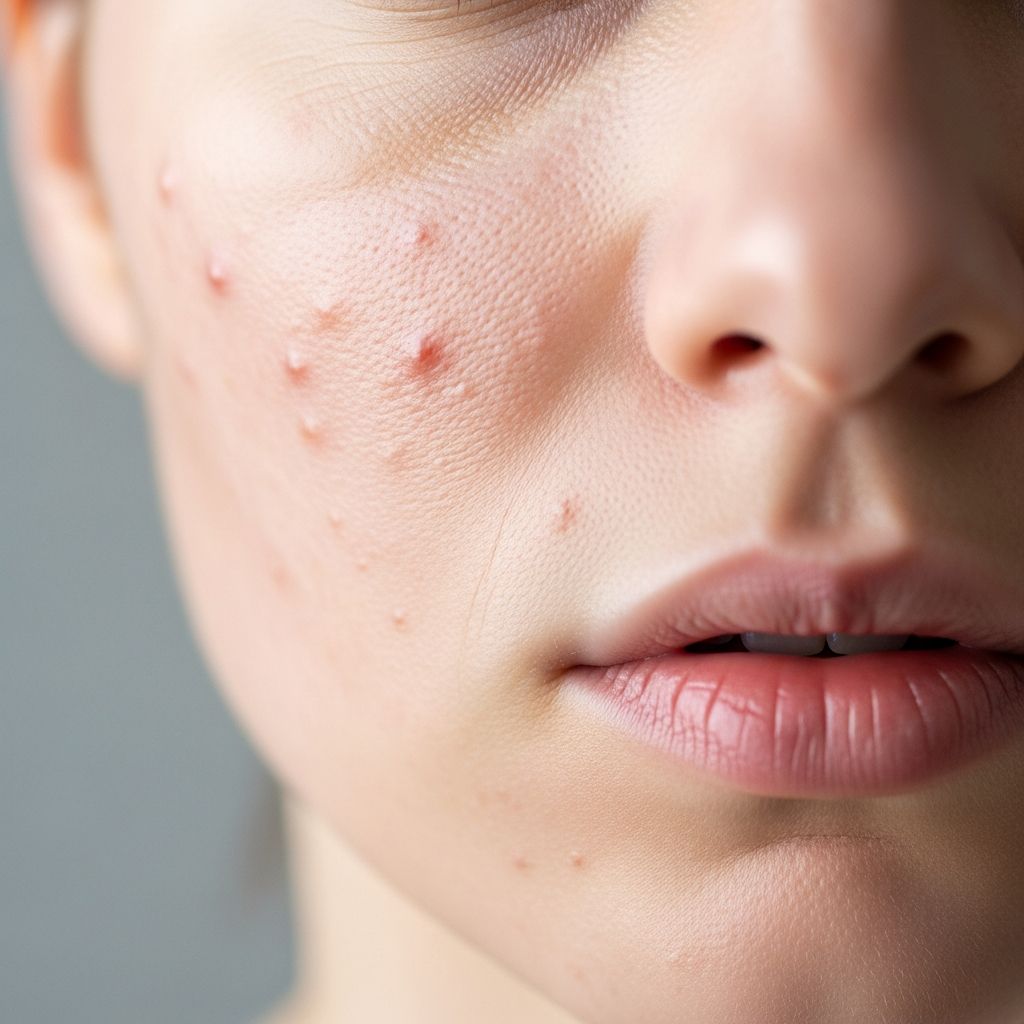
Acne is one of the most common skin conditions affecting millions of people worldwide. It typically appears as pimples, blackheads, whiteheads, or more severe lesions on the face, chest, and back. While acne is often associated with adolescence, it can develop at any age and affects people across all skin types. Understanding the underlying causes, recognizing different types, and knowing available treatment options are essential steps toward achieving clearer, healthier skin.
Acne develops when bacteria, excess oil (sebum), and dead skin cells clog pores in the skin. The condition can range from mild with occasional breakouts to severe with deep, painful nodules and cysts that may leave lasting scars. The good news is that effective treatments are available, and early intervention can prevent complications and improve your skin’s appearance and health.
What Causes Acne?
Acne forms through a specific biological process. Every hour, approximately 40,000 skin cells naturally shed from your body. Sometimes, these dead cells fail to shed properly and accumulate within pores. When dead skin cells combine with excess oil production and bacteria, they create the perfect environment for acne to develop.
An acne lesion or pimple grows when bacteria, oils, and dead skin cells fill up and inflame pores—the tiny openings in your skin through which oil and sweat rise to the surface. Several factors contribute to this process:
– Excess sebum production, often triggered by hormonal changes- Bacterial colonization, particularly Cutibacterium acnes- Dead skin cell accumulation within pores- Inflammation triggered by the immune system’s response- Genetic predisposition to acne susceptibility- Hormonal fluctuations, particularly in women during menstrual cycles
Acne Severity Levels
Healthcare providers and dermatologists classify acne into distinct severity categories to guide treatment decisions. Understanding your acne’s severity helps determine which treatments will be most effective for your specific situation.
Mild Acne
Mild acne typically consists of occasional pimples, blackheads, or whiteheads with minimal inflammation. These lesions are usually small and localized to specific areas of the face or body. Over-the-counter cleansers and topical medications containing active ingredients like salicylic acid or benzoyl peroxide often effectively manage mild acne.
Moderate Acne
Moderate acne involves more numerous lesions with increased inflammation and redness. This category may include a combination of comedones (blackheads and whiteheads), pustules (pimples with pus), and some papules (red bumps). Moderate acne typically requires prescription-strength topical treatments or oral medications to achieve clear results.
Severe Acne
Severe acne consists of extensive nodulocystic lesions—large, painful, deep bumps beneath the skin that can cause significant scarring. Nodules and cysts are inflammatory lesions that extend deep into the skin layers. Severe acne requires immediate professional treatment, often including oral antibiotics, hormonal medications, or isotretinoin (Accutane), a powerful medication for treatment-resistant cases.
Related Stories



Types of Acne
Acne manifests in different forms, each requiring specific treatment approaches. Dermatologists typically categorize acne into three main types based on lesion characteristics.
Comedonal Acne
Comedonal acne consists primarily of blackheads and whiteheads without significant inflammation. Blackheads form when pores become clogged with dead skin cells and oil, which oxidize and turn dark. Whiteheads occur when the same debris gets trapped beneath the skin surface. This type responds well to topical keratolytics and topical retinoids that help skin cells turn over and unclog pores.
Inflammatory Acne
Inflammatory acne produces red, swollen, and sore bumps filled with pus, dead skin cells, and excess oil. These pustules and papules result from immune system inflammation triggered by acne-causing bacteria. Inflammatory acne usually requires both topical and oral therapy, including antibiotics and anti-inflammatory medications.
Nodulocystic Acne
Nodulocystic acne represents the most severe form, featuring large, painful, deep lesions called nodules and cysts. These lesions extend deep into skin layers and are significantly more likely to cause permanent scarring. Nodulocystic acne may respond to oral antibiotics but often requires systemic treatments like isotretinoin for effective resolution.
Where Acne Appears on Your Face
The location of acne breakouts on your face can provide valuable clues about underlying causes. This concept, known as acne face mapping, helps dermatologists understand what’s causing your breakouts and how to treat them most effectively.
T-Zone (Forehead and Nose)
The T-zone is particularly prone to blackheads and whiteheads because this area contains larger pores and more sebaceous glands than other facial regions. Treating T-zone acne focuses on unclogging these pores using medications that help skin cells shed and turn over properly.
Chin and Jawline
Adult acne, also called hormonal acne, frequently appears on the chin and jawline. Hormonal fluctuations, particularly in women aged 20 to 50, trigger breakouts in these locations. Hormonal acne often requires specific treatments targeting sebum production and hormonal changes.
Cheeks
Acne on the cheeks may result from genetic factors, contact with bacteria, or skin irritation. Dirty makeup brushes, bacteria-laden cell phones, and unwashed pillowcases commonly cause cheek acne through bacterial contact. Since cheek skin tends to be drier and more irritation-prone than other facial areas, gentler treatment approaches work best.
Back and Chest
Back acne, sometimes called “bacne,” develops similarly to facial acne but may persist longer due to friction from clothing, sweat accumulation, and difficulty applying treatment products. The warm, moist environment on the back creates ideal conditions for acne development.
Treatment Options for Acne
Multiple effective treatment options exist for acne, with the approach varying based on your age, acne type, and severity level. The primary goal of acne treatment is stopping new pimples from forming while healing existing blemishes.
Topical Medications
Topical acne medications are applied directly to your skin like lotions or moisturizers. These first-line treatments work well for mild-to-moderate acne and include:
– Benzoyl peroxide products, which kill acne-causing bacteria- Salicylic acid, which helps unclog pores and remove dead skin cells- Topical retinoids (adapalene, tretinoin, tazarotene), which promote skin cell turnover- Azelaic acid, which reduces inflammation and bacteria- Topical antibiotics like clindamycin, which target bacteria
When using topical retinoids, expect your acne to potentially worsen during the first 3 to 4 weeks before improving. Patients with sensitive skin should apply retinoids on alternate nights initially and gradually increase frequency as skin builds tolerance.
Oral Medications
Oral acne medications are pills taken by mouth to clear acne from within. These systemic treatments are indicated for moderate-to-severe acne or mild acne resistant to topical regimens. Common oral medications include:
– Tetracycline antibiotics (tetracycline, doxycycline, minocycline, erythromycin)- Oral contraceptive pills for hormonal acne management- Spironolactone, an anti-androgen medication reducing sebum production- Isotretinoin (Accutane), a powerful medication for severe, treatment-resistant acne
Antibiotics should be used only when necessary and for limited durations to prevent antibiotic-resistant bacteria from developing. Many dermatologists recommend using benzoyl peroxide products alongside antibiotics to reduce resistance.
Professional Treatments and Procedures
When topical or oral medications don’t produce adequate results, dermatologists may recommend professional therapies including:
– Chemical peels to exfoliate and unclog pores- Extraction procedures to remove comedones professionally- Light therapies targeting acne-causing bacteria- Laser treatments reducing sebum production and bacteria- Steroid injections for painful nodules and cysts
Professional procedures should only be performed by qualified healthcare providers to avoid damaging pores and causing additional acne.
Combination Therapy Approach
Most effective acne treatment involves combining multiple medications addressing different aspects of acne formation. A typical combination includes benzoyl peroxide products, topical or oral antibiotics, and topical retinoids. This multi-pronged approach addresses bacteria, inflammation, and skin cell turnover simultaneously, providing superior results compared to single-agent therapy.
Managing Acne at Home
While professional treatment is often necessary, specific home care practices support acne management:
– Use gentle cleansers containing alpha or beta hydroxy acids like glycolic acid or salicylic acid- Avoid overwashing or using harsh scrubs, which can irritate skin- Moisturize regularly with non-comedogenic products- Apply sunscreen daily, as many acne medications increase sun sensitivity- Keep makeup brushes clean and replace regularly- Wash pillowcases frequently- Avoid touching your face throughout the day- Maintain consistent sleep schedules supporting skin health
Preventing Acne Breakouts
Preventing new acne formation is crucial for long-term skin health. Early treatment when acne begins prevents breakouts from continuing, which could lead to permanent scarring and self-esteem issues if left untreated. Prevention strategies include:
– Maintaining consistent skincare routines with appropriate cleansers and moisturizers- Using non-comedogenic makeup and skincare products- Managing stress through exercise, meditation, or counseling- Eating a balanced diet with limited refined sugars and dairy- Staying hydrated by drinking adequate water- Getting adequate sleep supporting skin repair- Avoiding smoking and excessive alcohol consumption
Acne Scars and Long-Term Consequences
Acne scars result from inflammation of acne blemishes. When the acne pore swells, a breakdown occurs in the pore wall, and collagen damage leads to permanent scarring. Moderate-to-severe acne and untreated acne substantially increase scarring risk. Professional treatments for existing acne scars include microdermabrasion, laser resurfacing, dermal fillers, and surgical techniques performed by dermatologists.
When to See a Dermatologist
While mild acne often responds to over-the-counter treatments, certain situations warrant professional dermatological care:
– Over-the-counter products aren’t working after consistent use- Acne is severe, painful, or rapidly worsening- Multiple breakouts persist despite home care efforts- You’re concerned about potential scarring- You have cystic or nodular acne- Acne significantly impacts your self-esteem or mental health- You’re considering isotretinoin therapy
A dermatologist will assess your acne to identify underlying causes and develop targeted treatment addressing your specific issues. They can prescribe prescription-strength medications, perform professional procedures, and monitor your progress throughout treatment.
How Treatment Severity Matches Acne Type
| Acne Type | Characteristics | Best Treatment Options |
|---|---|---|
| Comedonal | Blackheads and whiteheads without significant inflammation | Topical keratolytics, topical retinoids |
| Inflammatory | Red, swollen pustules and papules with pus | Topical and oral antibiotics, topical retinoids, anti-inflammatory products |
| Nodulocystic | Large, deep, painful nodules and cysts prone to scarring | Oral antibiotics, isotretinoin, intralesional steroid injections |
Frequently Asked Questions About Acne
Q: At what age does acne typically start?
A: While acne commonly appears during adolescence due to hormonal changes, it can develop at any age. Hormonal acne frequently begins in adulthood, particularly affecting women aged 20 to 50.
Q: Does diet affect acne development?
A: While the relationship between diet and acne is complex, some research suggests that high-glycemic foods and excessive dairy consumption may trigger or worsen acne in susceptible individuals. A balanced diet with adequate hydration generally supports skin health.
Q: Can acne be completely cured?
A: While acne can’t always be completely prevented, it can be effectively managed with appropriate treatment. Many people experience significant improvement or complete clearance with proper skincare, topical treatments, and when necessary, oral medications.
Q: How long does acne treatment take to work?
A: Most acne treatments require consistent use for 6-8 weeks before noticeable improvement occurs. Topical retinoids may cause initial worsening before improvement, typically within 3-4 weeks of starting treatment.
Q: Is acne contagious?
A: No, acne is not contagious. While bacteria play a role in acne development, the condition results from internal factors like hormones, genetics, and skin chemistry rather than external transmission.
Q: Can stress cause acne?
A: Yes, stress can trigger or worsen acne by increasing cortisol and other hormones that stimulate sebum production. Managing stress through exercise, adequate sleep, and relaxation techniques supports clearer skin.
Q: What’s the difference between acne and rosacea?
A: Acne causes comedones (blackheads and whiteheads) and inflammatory pustules, while rosacea causes persistent facial redness, flushing, and visible blood vessels without comedones. Both conditions require different treatment approaches.
References
- Adult Acne: Causes and Treatments — Cleveland Clinic. 2024. https://health.clevelandclinic.org/adult-acne-blackheads
- How To Deal With Acne — Cleveland Clinic YouTube Channel. 2024. https://www.youtube.com/watch?v=TFQWkKnqHqQ
- Acne Vulgaris: One Treatment Does Not Fit All — Cleveland Clinic Journal of Medicine. 2003. https://www.ccjm.org/content/ccjom/70/8/670.full.pdf
- Inflammatory Acne: Symptoms, Types, Causes, Treatment — Cleveland Clinic. 2024. https://my.clevelandclinic.org/health/diseases/22765-inflammatory-acne
- Acne Face Map: The Cause of These Breakouts — Cleveland Clinic. 2024. https://health.clevelandclinic.org/acne-face-map
- Acne: Types, Causes, Treatment & Prevention — Cleveland Clinic. 2024. https://my.clevelandclinic.org/health/diseases/12233-acne
- Back Acne (“Bacne”): Symptoms, Causes & Treatment — Cleveland Clinic. 2024. https://my.clevelandclinic.org/health/diseases/22756-back-acne
Similar Articles








Read full bio of medha deb