Acne Urticata: Symptoms, Causes, And Treatment Guide
Understanding the intensely itchy papules mimicking acne on face, neck, and upper body in stressed individuals.
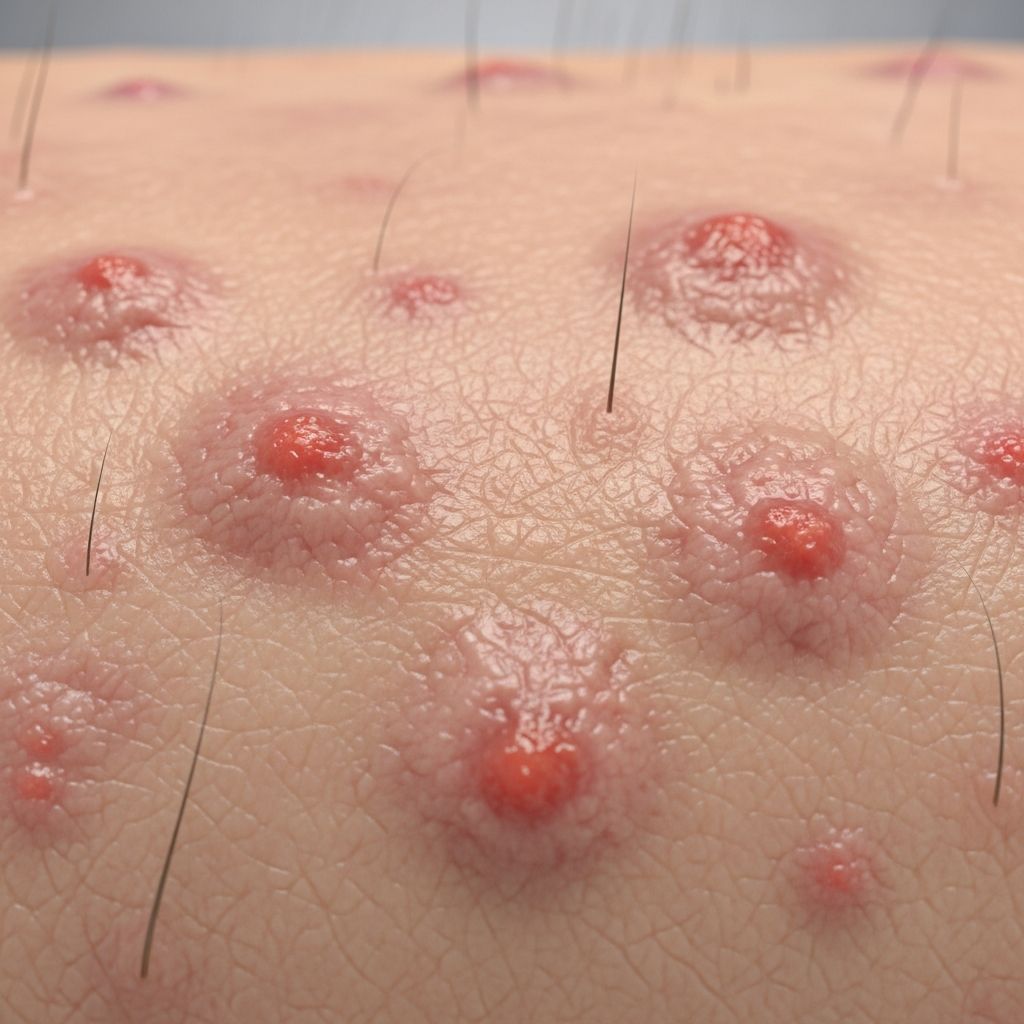
Acne urticata is a rarely used term today to describe intensely itchy papules or prurigo affecting the face, neck, and cape area (upper trunk and upper arms). Despite its name, it is not true acne but a distinct dermatological condition characterized by severe pruritus leading to excoriations and potential scarring.
What is acne urticata?
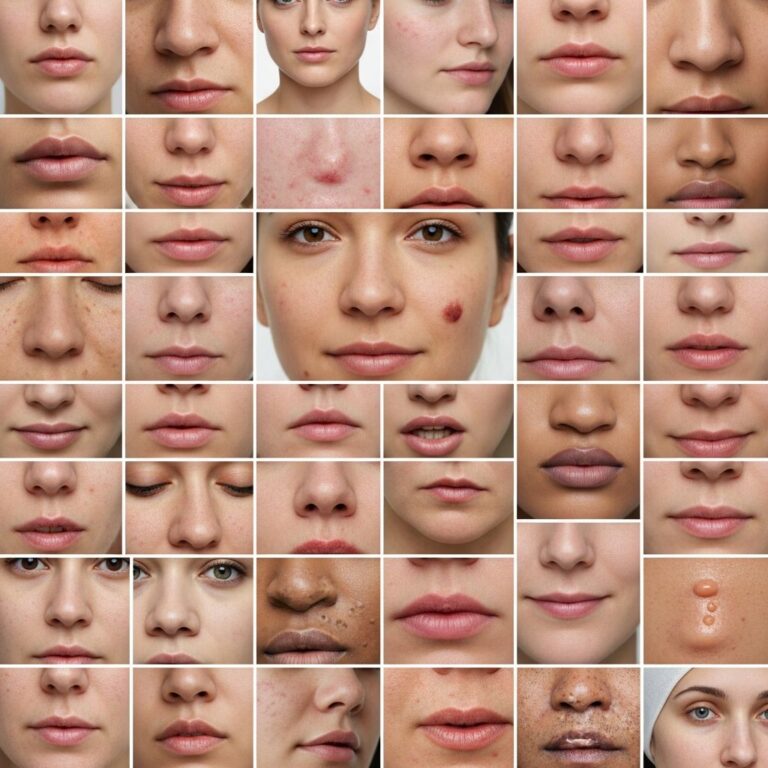
**Acne urticata** refers to a condition marked by very itchy papules or prurigo (itchy spots) primarily localized to the face, scalp, neck, upper arms, and upper trunk, known as the ‘cape’ distribution. It predominantly affects middle-aged women under stress or anxiety. The term is infrequently used in modern dermatology, as its lesions may represent variants of other disorders.
Lesions arise as small bumps (papules), vesicles, or pustules that are intensely pruritic, prompting immediate scratching or picking. This results in crusted erosions and, in some cases, permanent small white scars. The intense itch drives compulsive behaviour, exacerbating skin damage.
Who gets acne urticata?
Acne urticata most commonly presents in
middle-aged women
experiencingstress and anxiety
. While not exclusive, this demographic is repeatedly noted in clinical descriptions. The condition’s rarity limits extensive epidemiological data, but its association with psychological factors suggests a psychodermatological component.- Primarily middle-aged females
- Associated with stress/anxiety
- Rare overall occurrence
Causes of acne urticata
The aetiology of acne urticata remains unclear. Proposed mechanisms include:
- An
innate immune reaction
within the hair follicle, producing pruritogenic (itch-inducing) substances. - **Neuropathic pruritus**, involving nerve-mediated itch without clear skin pathology.
- **Psychogenic origin**, where stress or anxiety manifests somatically as itch.
Stress may precede or result from the itch, creating a vicious cycle. Some cases confined to sun-exposed areas suggest
polymorphous light eruption
(PMLE), a photosensitive disorder. Others may representlocalised compulsive skin picking
(dermatillomania), a body-focused repetitive behaviour disorder.Historical literature links ‘acne urticata polycythaemica’ to polycythaemia vera, a myeloproliferative neoplasm causing elevated red blood cell counts and skin plethora. In such cases, pruritic papules accompany cyanotic skin changes, though this is exceptionally rare today.
Clinical features of acne urticata
Skin lesions in acne urticata develop acutely in the cape distribution:
- **Small papules** (1-3 mm), vesicles, or pustules.
- **Intense pruritus** leading to rapid excoriation.
- Crusted, eroded lesions from scratching/picking.
- Potential for
small white scars
post-resolution.
Symptoms mimic urticaria (hives) due to itchiness but lack transient wheals; instead, persistent papules dominate. Unlike acne vulgaris, no comedones or cysts form.
| Feature | Description |
|---|---|
| Location | Face, scalp, neck, upper trunk, upper arms (cape area) |
| Primary Lesions | Papules, vesicles, pustules |
| Key Symptom | Severe itch prompting excoriation |
| Secondary Changes | Crusts, scars |
| Demographics | Middle-aged women, stressed |
Diagnosis of acne urticata
Diagnosis relies on clinical presentation: itchy papules in cape distribution with excoriations in at-risk individuals. No specific tests confirm it; differentials must be excluded.
Related Stories



Differential diagnosis
- **Prurigo nodularis**: Larger, hardened nodules from chronic rubbing.
- **Polymorphous light eruption**: Sun-exposed itchy papules/vesicles.
- **Compulsive skin picking**: Self-induced lesions from psychological urge.
- **Folliculitis**: Bacterial/fungal hair follicle infection.
- **Urticaria**: Transient wheals, often allergic.
- **Acne vulgaris**: Comedonal lesions, not primarily pruritic.
Biopsy may show non-specific spongiosis, acanthosis, or hyperkeratosis. Rule out systemic causes like polycythaemia via blood counts if purpura present. Patch testing or phototesting for inducible forms.
Management of acne urticata
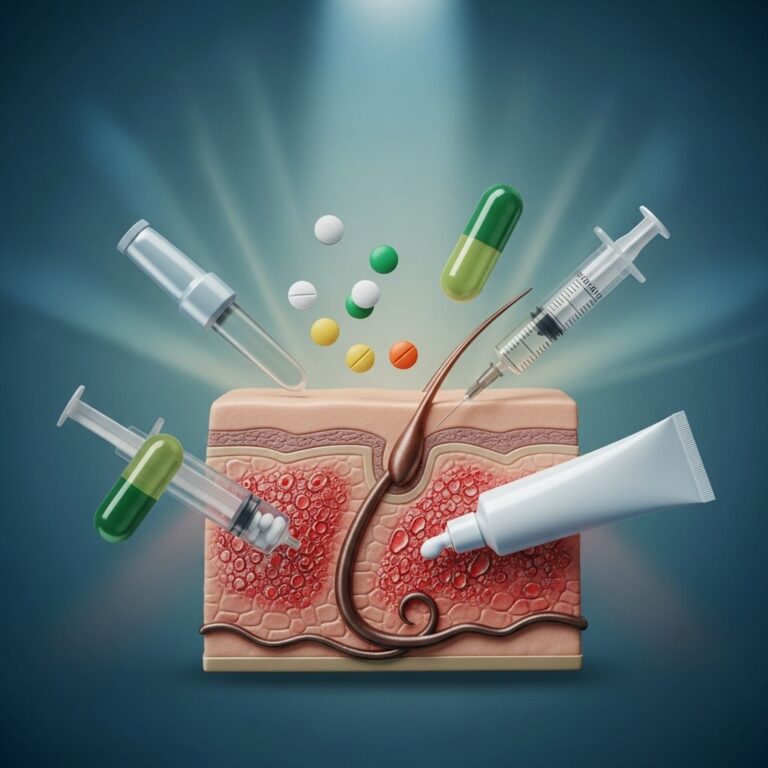
Treatment targets pruritus control and breaking the itch-scratch cycle. Multidisciplinary approach involving dermatology and psychology often needed.
Topical therapies
- High-potency
topical corticosteroids
(e.g., clobetasol) for inflammation. - **Topical antipruritics** like doxepin or capsaicin.
- Emollients to restore barrier and reduce irritation.
Systemic therapies
- **Antihistamines**: Non-sedating (cetirizine, fexofenadine) or sedating (hydroxyzine) for itch[10].
- **Gabapentinoids** (gabapentin, pregabalin) for neuropathic itch.
- **Low-dose antidepressants** (doxepin, SSRIs) for psychogenic component.
- Oral corticosteroids short-term for severe flares.
Psychological interventions
- **Cognitive behavioural therapy (CBT)** for skin picking/stress.
- Habit reversal training to interrupt scratching.
- Stress management: mindfulness, relaxation techniques.
Avoid triggers like heat, friction. Photoprotection if PMLE suspected. Monitor for infection in excoriated sites.
Urticaria vs acne urticata
Though named ‘urticata’, acne urticata differs from standard urticaria:
| Aspect | Urticaria (Hives) | Acne Urticata |
|---|---|---|
| Onset | Rapid, transient wheals (<24h) | Persistent papules |
| Itch | Moderate-severe | Intense, compulsive |
| Location | Anywhere | Cape area |
| Cause | Mast cell degranulation, allergens | Immune/neuropathic/psychogenic |
| Scarring | Rare | Common from picking |
Urticaria involves histamine-mediated wheals from mast cells; acne urticata features fixed papules with possible follicular involvement.
Complications
- **Scarring**: Hypopigmented atrophic scars from excoriations.
- **Secondary infection**: Bacterial superinfection of eroded skin.
- **Psychological distress**: Anxiety, depression from chronic itch/appearance.
- **Sleep disturbance**: Nocturnal pruritus exacerbating fatigue.
Prevention
- Early itch recognition and intervention.
- Stress reduction strategies.
- Avoid scratching: keep nails short, use gloves at night.
- Regular moisturizing to maintain skin barrier.
- Psychotherapy for underlying anxiety.
FAQ
Is acne urticata real acne?
No, despite the name, it lacks acne’s comedones/cysts; it’s prurigo-like papules.
Does stress cause acne urticata?
Stress is strongly associated, possibly triggering or worsening itch in susceptible individuals.
How long does acne urticata last?
Varies; chronic without treatment due to itch-scratch cycle, but controllable with therapy.
Can acne urticata scar?
Yes, picking leads to permanent small white scars.
What doctor treats acne urticata?
Dermatologist; may refer to psychologist for behavioural aspects.
References
- Hives (Urticaria) | Causes, Symptoms & Treatment — American College of Allergy, Asthma & Immunology (ACAAI). 2023. https://acaai.org/allergies/allergic-conditions/skin-allergy/hives/
- Urticaria: Causes, Symptoms, and Treatment — Celestee Clinics. 2024. https://www.celesteeclinics.com/blogs/urticaria-causes-symptoms-and-treatment
- Acne urticata — DermNet NZ. 2023-10-01. https://dermnetnz.org/topics/acne-urticata
- Chronic Spontaneous Urticaria: What to Know — WebMD. 2024. https://www.webmd.com/skin-problems-and-treatments/features/urticaria-chronic-spontaneous
- Urticaria and angioedema — Primary Care Dermatology Society (PCDS). 2023. https://www.pcds.org.uk/patient-info-leaflets/urticaria-and-angioedema
- ACNE URTICATA POLYCYTHAEMICA — JAMA Dermatology. 1936-11-01. https://jamanetwork.com/journals/jamadermatology/fullarticle/519171
- Hives: Diagnosis and treatment — American Academy of Dermatology (AAD). 2024. https://www.aad.org/public/diseases/a-z/hives-treatment
Similar Articles








Read full bio of medha deb