Can You Put Vaseline On Acne? Dermatologists’ Guide
Dermatologists weigh in on whether Vaseline is safe and effective for acne-prone skin, slugging, and healing breakouts.
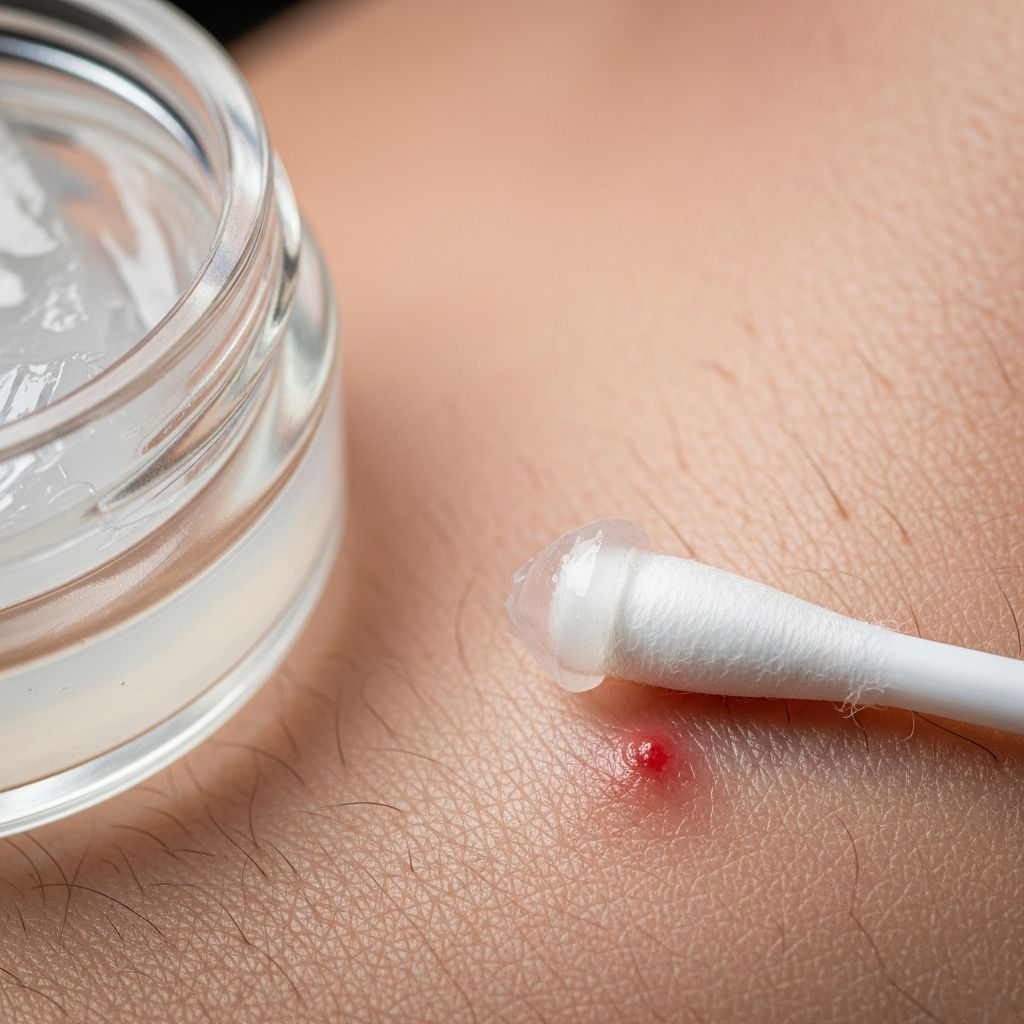
A popular skincare hack involves applying Vaseline, or petroleum jelly, directly on pimples or as part of “slugging” routines. But for those battling acne, questions arise: Does Vaseline clog pores? Can it worsen breakouts? Or does it aid healing? Dermatologists offer nuanced views, emphasizing that while Vaseline is
non-comedogenic
and beneficial for barrier protection, it’s not ideal for everyone with acne-prone skin.What Is Vaseline, and How Does It Work on Skin?
Vaseline is a purified form of
petroleum jelly
, an occlusive agent that forms a protective barrier on the skin’s surface. Unlike moisturizers that add hydration, Vaseline seals in existing moisture, prevents water loss (transepidermal water loss), and shields against irritants, bacteria, and environmental damage.Key properties include:
- Non-comedogenic: Does not clog pores, as confirmed by studies in the Journal of Cosmetic Science.
- Occlusive barrier: Locks in moisture better than lanolin, olive oil, or mineral oils, promoting skin regeneration.
- Hypoallergenic: Rare allergic reactions, safe for sensitive skin when purified properly.
For acne, this barrier can protect healing pimples from bacteria reinfection and accelerate recovery by maintaining hydration, but application matters greatly.
Does Vaseline Clog Pores or Cause Acne?
The short answer: No, Vaseline itself does not clog pores or cause acne. Manufacturer claims and scientific evidence support its
non-comedogenic
status, meaning it won’t block pores like some oils or comedogenic ingredients.Acne stems from bacteria (like Propionibacterium acnes), excess oil, dead skin cells, and inflammation trapped in pores—not from petroleum jelly. However, the
American Academy of Dermatology (AAD)
cautions that acne-prone individuals may experience breakouts if Vaseline traps existing oil, dirt, or bacteria beneath its barrier.Dermatologist insights:
- Dr. Michelle Henry notes it’s safe for combination skin if applied selectively to dry areas, avoiding oily T-zones.
- AAD recommends skipping facial use for active acne to prevent trapping impurities.
A common myth debunked: Pure Vaseline won’t “cause” acne, but improper use (e.g., on unclean skin) can exacerbate it.
Does Vaseline Help Heal Acne or Pimples?
Yes, indirectly. Vaseline doesn’t treat acne’s root causes like bacteria or hormones but excels at
post-treatment care
.After cleansing and applying acne meds (e.g., benzoyl peroxide, salicylic acid), Vaseline:
- Forms a shield to prevent germs from re-entering pores.
- Keeps skin moisturized, speeding cell turnover and reducing scarring risk.
- Reduces inflammation by locking in moisture, aiding faster breakout resolution.
For picked pimples or open wounds, it promotes healing like minor cuts, minimizing scabs and hyperpigmentation. Studies show occlusives like petroleum jelly enhance wound healing by 50% in some cases.
Slugging with Vaseline for Acne-Prone Skin
**Slugging**—applying a thick layer of petroleum jelly overnight—originated in K-beauty and gained traction for hydration. For acne-prone skin, it’s controversial but viable with precautions.
Related Stories



Benefits for acne:
- Prevents dryness-induced overproduction of oil, which clogs pores.
- Enhances absorption of acne treatments by sealing them in.
- Non-comedogenic Vaseline won’t block pores if skin is prepped.
How to slug safely:
- Cleanse thoroughly with a gentle, non-stripping cleanser.
- Apply acne actives (retinoids, acids) and lightweight moisturizer.
- Dab thin layer of Vaseline on dry or breakout areas only—not entire face if oily.
- Start 1-2 nights/week; monitor for milia or congestion.
Risks: Pore-clogging if unclean or over-applied on oily skin. Sensitive types should patch-test.
| Pros of Slugging for Acne | Cons/Risks |
|---|---|
| Boosts hydration, reduces oil overproduction | May trap bacteria if not cleansed first |
| Amplifies treatment efficacy | Greasy feel; potential milia |
| Protects barrier, speeds healing | Not for very oily/acne-active skin |
Dermatologist Opinions on Vaseline for Acne
Experts are divided but lean positive for targeted use:
- Pro-Vaseline: Vaseline’s site and Dr. Henry endorse it for healing and slugging on non-oily areas, citing non-comedogenic proof.
- Cautious: AAD advises against routine facial use for acne-prone skin due to breakout risk.
- Consensus: Ideal as an occlusive over treatments, not solo on active acne. For chronic conditions like rosacea or eczema with acne, it’s beneficial.
Quote from AAD: “Avoid putting petroleum jelly on your face if you are acne-prone, as this may cause breakouts in some people.” Counter: Clean prep mitigates this.
Benefits of Vaseline on Face (Beyond Acne)
Vaseline shines for general facial care:
- Dry skin relief: Seals moisture on lips, eyelids; AAD-recommended.
- Itch soothing: Eases atopic dermatitis by reducing flakiness.
- Makeup removal: Gently dissolves without irritation.
- Rosacea aid: Calms inflamed skin.
For acne overlays, it prevents dryness from harsh treatments.
Risks and Side Effects of Using Vaseline on Acne-Prone Skin
Minimal, but watch for:
- Breakouts: If trapping sebum/dirt; cleanse first.
- Irritation: Rare redness/itching—discontinue if occurs.
- Milia: Small cysts from over-occlusion.
- Allergies: Exceptionally rare in purified forms.
Apply to damp skin post-shower for best results. Not for fungal acne (malassezia), as occlusives can feed yeast.
How to Use Vaseline on Pimples or Acne Safely
Step-by-step guide:
- Cleanse: Use salicylic acid or benzoyl peroxide wash.
- Treat: Spot-treat pimples.
- Moisturize: Lightweight, non-comedogenic formula.
- Occlude: Pea-sized Vaseline on affected spots or dry patches.
- Morning routine: Gentle cleanse to remove residue.
Tips: Use original pure Vaseline; avoid scented versions. Frequency: Nightly on healed spots, sparingly on active ones.
Frequently Asked Questions (FAQs)
Is Vaseline non-comedogenic for acne-prone skin?
Yes, studies confirm it doesn’t clog pores, but AAD notes breakout risk if skin isn’t clean.
Can I slug with Vaseline if I have acne?
Yes, with thorough cleansing and targeted application—great for dryness but skip oily areas.
Does Vaseline help fade acne scars?
Indirectly, by hydrating and protecting during healing, reducing pigmentation risk.
Is Vaseline safe around eyes or lips with acne?
Absolutely; AAD recommends for dry, thin skin there.
What if Vaseline causes breakouts?
Stop use, ensure deep cleansing, or switch to lighter occlusives like squalane.
References
- Why Vaseline® Jelly is Good for Healthy Skin — Vaseline. Accessed 2026. https://www.vaseline.com/us/en/articles/ingredients/will-vaseline-healing-jelly-clog-my-pores.html
- Using Vaseline on your face: Benefits and risks — Medical News Today. 2023-10-12. https://www.medicalnewstoday.com/articles/vaseline-on-face
- Slugging and Acne: A Complete Guide — Vaseline. Accessed 2026. https://www.vaseline.com/us/en/articles/skin-concern/slugging-and-acne-a-complete-guide.html
- Vaseline on Your Face: What to Know, How to Use It, Pros & Cons — Healthline. 2023-11-05. https://www.healthline.com/health/vaseline-on-face
- 5 ways to use petroleum jelly for skin care — American Academy of Dermatology (AAD). Accessed 2026. https://www.aad.org/public/everyday-care/skin-care-secrets/routine/petroleum-jelly
Similar Articles








Read full bio of medha deb