Acoustic Neuroma: Symptoms, Diagnosis & Treatment
Complete guide to acoustic neuroma: understanding symptoms, diagnosis, and treatment options.
Acoustic Neuroma: A Complete Overview
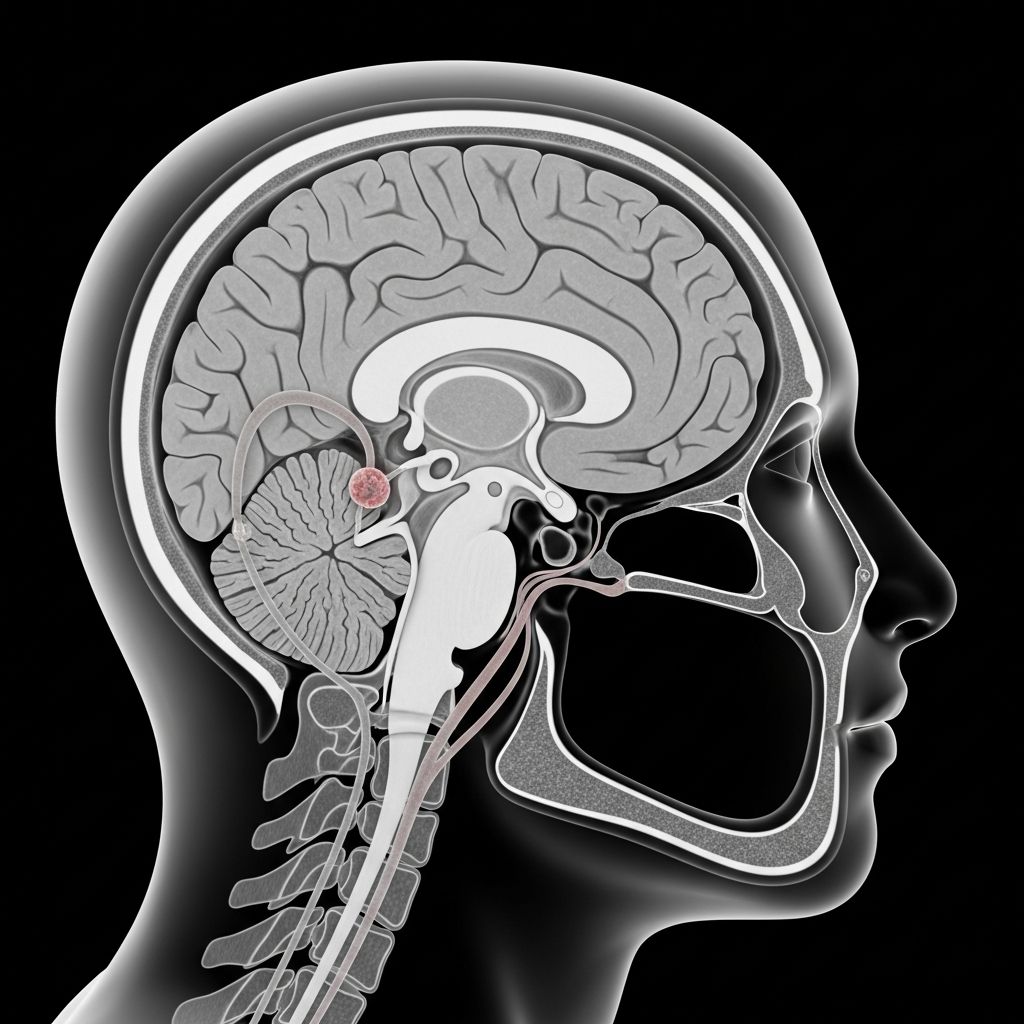
An acoustic neuroma, also known as a vestibular schwannoma, is a benign (non-cancerous) tumor that develops on the vestibulocochlear nerve, which connects the inner ear to the brain. This slow-growing tumor arises from an overgrowth of Schwann cells, which normally protect and support nerve fibers. While acoustic neuromas are relatively rare, they can significantly affect hearing and balance when they grow, making early detection and management crucial for maintaining quality of life.
The tumor develops near the vestibular and cochlear nerves, structures essential for maintaining balance and hearing. Most acoustic neuromas grow slowly over many years and do not spread to other parts of the body. Although they are typically not life-threatening, left untreated, even a non-cancerous acoustic neuroma can grow and cause progressive nerve damage and permanent hearing loss. Most cases develop randomly without a clear cause and can affect people of all ages, though they are most commonly diagnosed in adults between 30 and 60 years old.
What Causes Acoustic Neuromas?
The exact cause of acoustic neuroma remains not fully understood, but researchers have identified several risk factors that may increase the likelihood of developing this condition. Most cases occur randomly without any identifiable trigger.
Genetic factors play a significant role in some cases. About 5% of acoustic neuromas are associated with neurofibromatosis type 2 (NF2), a rare inherited genetic disorder that substantially increases the risk of developing tumors on the vestibulocochlear nerve. Individuals with NF2 often develop bilateral acoustic neuromas, affecting the hearing nerves on both sides of the brain, and may have other tumors around the brain or spine.
Radiation exposure to the head is the only environmental factor definitively linked to an increased incidence of acoustic neuromas. This risk may arise from radiation treatment for other head or neck conditions. Conversely, there is currently no scientific evidence for an association between cell phone use and the development of these tumors.
Symptoms of Acoustic Neuroma
An acoustic neuroma may not cause any obvious symptoms at first, particularly when small. However, symptoms tend to develop gradually as the tumor grows and presses on nearby nerves and brain structures.
Early Symptoms
The most common early symptoms relate to hearing and balance functions:
- Hearing loss in one ear — A gradual loss of hearing that usually affects only one ear is often the first sign. This hearing loss can range from mild to severe and may be accompanied by a sensation of fullness in the affected ear.
- Tinnitus — Many people experience ringing, buzzing, or hissing sounds in the ear that seem to come from inside the body. This symptom can be constant and may worsen as the tumor grows.
- Balance problems and vertigo — Since the vestibulocochlear nerve also controls balance, individuals may struggle with coordination, feel unsteady, experience frequent falls, or have a spinning sensation (vertigo).
- Sensation of fullness — A feeling that the ear is blocked or full without any obvious external cause.
Related Stories



Symptoms as the Tumor Grows
As an acoustic neuroma enlarges, it can affect other facial nerves and brain structures, potentially causing additional symptoms:
- Facial weakness or numbness — The tumor can compress the facial nerve, leading to weakness or numbness on one side of the face. This symptom may start subtly but become more noticeable over time.
- Persistent headaches — Ongoing headaches that feel different from regular headaches may occur due to increased pressure in the skull as the tumor grows.
- Vision changes — Blurred or double vision may occur if the tumor impacts areas near the optic nerve.
- Nausea and vomiting — These symptoms can result from pressure on brain structures.
- Weakness on one side of the body — Limb weakness or coordination problems (ataxia) may develop on one side of the body.
- Voice changes or difficulty swallowing — As the tumor grows larger, it may affect structures controlling speech and swallowing (dysphagia).
Diagnosing Acoustic Neuroma
Early diagnosis of acoustic neuroma is essential for managing symptoms and preventing complications. A combination of medical history assessment, physical examination, and specialized tests helps doctors confirm the diagnosis.
Diagnostic Approach
The diagnostic process typically involves:
- Medical history and physical examination — Your doctor will ask detailed questions about symptoms like hearing loss, ear ringing, and balance issues, and perform a thorough physical examination.
- MRI scan — Magnetic resonance imaging provides clear, detailed pictures of the brain and inner ear, making it the best method for diagnosing acoustic neuromas. MRI can detect even small tumors and assess their size and location.
- CT scan — Computed tomography may be used as an alternative if MRI is not available or suitable for the patient.
- Hearing test (audiogram) — A hearing test can detect and measure hearing loss in each ear, often revealing asymmetrical hearing loss that suggests an acoustic neuroma. Hearing loss is frequently one of the first detectable signs of the condition.
Because acoustic neuroma symptoms can appear with other conditions, it is important to be seen by an ear, nose, and throat specialist (otolaryngologist) or neurologist for proper diagnosis and treatment.
Treatment Options for Acoustic Neuroma
Treatment approaches for acoustic neuromas vary depending on factors such as tumor size, growth rate, patient age, overall health, and symptom severity. The main treatment options include monitoring, surgery, and radiation therapy.
Active Monitoring (Watchful Waiting)
Many acoustic neuromas grow very slowly or not at all, making active monitoring an appropriate first-line approach for asymptomatic or slowly growing tumors. Regular MRI scans and hearing tests track any changes in tumor size and symptoms.
Surgical Removal
Surgery may be recommended if the tumor is growing, causing significant symptoms, or compressing vital brain structures. Surgical approaches depend on tumor size and location. However, acoustic neuromas can occasionally return after treatment, occurring in approximately 1 in every 20 people who have had surgical removal.
Radiation Therapy
Radiation therapy, including stereotactic radiosurgery, may be used as an alternative to traditional surgery or for tumors that cannot be surgically removed. This targeted approach delivers high doses of radiation directly to the tumor.
Living with Acoustic Neuroma
Even with treatment, symptoms such as hearing loss and tinnitus can persist and significantly affect the ability to work, communicate, and drive safely. These ongoing symptoms may require additional management and support.
Managing Persistent Symptoms
- Hearing aids can amplify sound for those with hearing loss in one ear
- Tinnitus management strategies include sound therapy, habituation techniques, and cognitive behavioral therapy
- Balance therapy and vestibular rehabilitation can improve coordination and reduce vertigo
- Regular follow-up care with otolaryngology and neurology specialists ensures optimal outcomes
Frequently Asked Questions
Q: Can acoustic neuroma turn into cancer?
A: No. Acoustic neuromas are benign (non-cancerous) tumors that do not spread to other parts of the body or transform into cancer. However, if left untreated, they can continue to grow and cause complications.
Q: Is hearing loss from acoustic neuroma permanent?
A: Hearing loss caused by acoustic neuroma can be permanent, especially if the tumor has significantly damaged the hearing nerve. Even with treatment, hearing loss may persist and require hearing aids or other management strategies.
Q: How fast do acoustic neuromas typically grow?
A: Most acoustic neuromas grow very slowly over many years. However, growth rates vary significantly between individuals—some may remain stable for years, while others grow more rapidly.
Q: Does acoustic neuroma always require treatment?
A: Not necessarily. Small, asymptomatic, or slowly growing acoustic neuromas may be monitored with regular MRI scans and hearing tests rather than immediately treated. Treatment becomes necessary if the tumor grows, causes significant symptoms, or threatens brain structures.
Q: Is it safe to use cell phones if I have acoustic neuroma?
A: Yes. Current scientific evidence shows no association between cell phone use and acoustic neuroma development. Cell phone use is considered safe for people with this condition.
Q: Can acoustic neuroma recur after surgery?
A: Yes, though recurrence is relatively uncommon. Acoustic neuromas recur after surgical removal in approximately 1 in every 20 people. Regular follow-up imaging is recommended to monitor for any recurrence.
Q: Who is most likely to develop acoustic neuroma?
A: Acoustic neuromas most commonly affect adults between 30 and 60 years old, though they can develop at any age. People with neurofibromatosis type 2 have a significantly increased risk. Most cases develop randomly without a clear hereditary pattern.
References
- Symptoms of an Acoustic Neuroma — Weill Cornell Medicine Neurological Surgery. https://neurosurgery.weillcornell.org/condition/acoustic-neuromas-vestibular-schwannomas/symptoms-acoustic-neuroma
- Recognizing the Signs of Acoustic Neuroma — ENT Care Centers. https://www.entcarecenters.com/blog/recognizing-the-signs-of-acoustic-neuroma
- Acoustic Neuroma Symptoms & Causes (Vestibular Schwannoma) — UC San Diego Health. https://health.ucsd.edu/care/ent/acoustic-neuroma/causes-and-symptoms/
- Acoustic Neuroma (Vestibular Schwannoma) — National Health Service. https://www.nhs.uk/conditions/acoustic-neuroma/
Similar Articles








Read full bio of medha deb