ACP Clinical Practice Guidelines on Nonpharmacologic Treatment for Low Back Pain
Evidence-based nonpharmacologic approaches for managing low back pain recommended by the American College of Physicians.
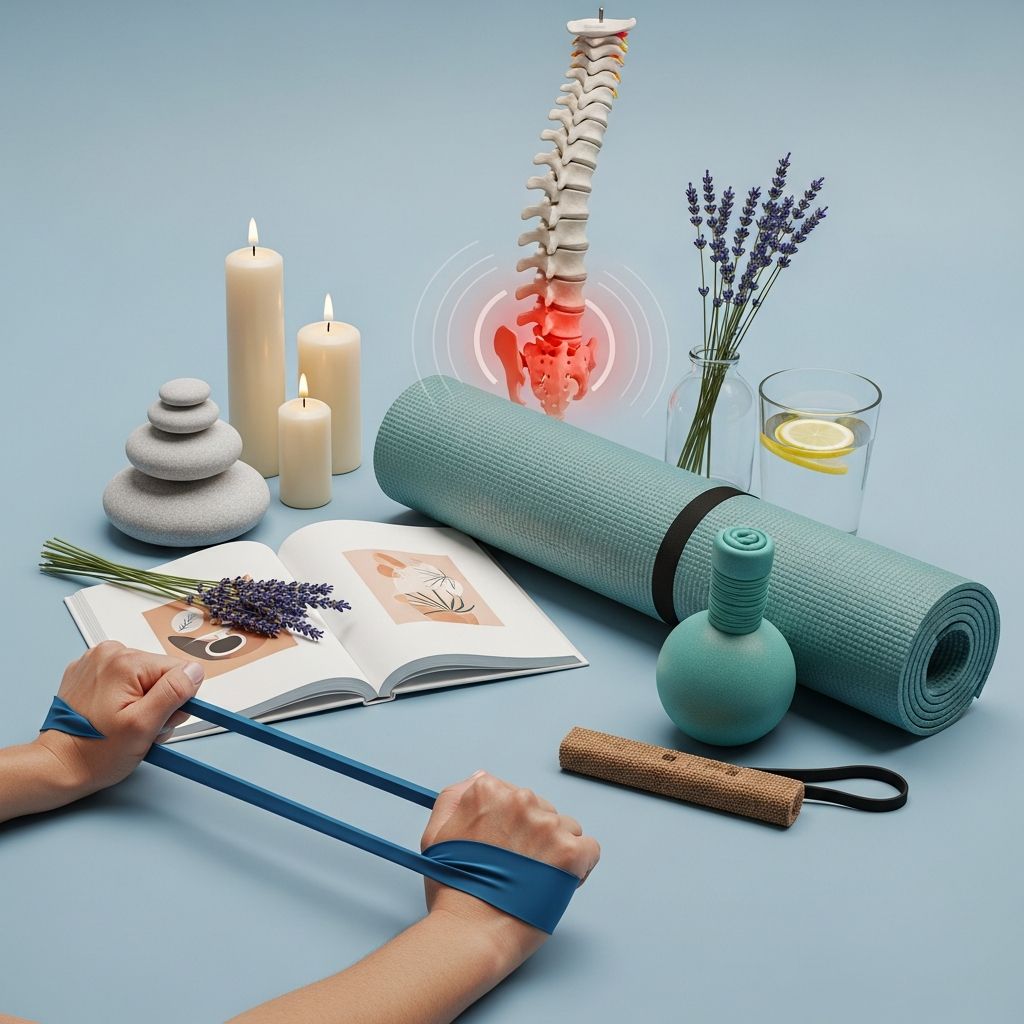
Understanding the ACP Clinical Practice Guidelines on Nonpharmacologic Treatment for Low Back Pain
Low back pain represents one of the most common musculoskeletal conditions affecting millions of people worldwide, causing significant disability and healthcare costs. The American College of Physicians (ACP) has developed comprehensive clinical practice guidelines that emphasize nonpharmacologic interventions as the cornerstone of effective low back pain management. These evidence-based recommendations represent a significant shift in clinical practice, prioritizing conservative, non-medication approaches before resorting to pharmaceutical interventions. The guidelines recognize that effective pain management requires a multifaceted approach tailored to individual patient needs and preferences.
The Shift Toward Nonpharmacologic Interventions
Recent clinical practice guidelines have increasingly emphasized the importance of nonpharmacologic treatments for low back pain management. The ACP guidelines recommend that clinicians prioritize nonpharmacologic interventions as first-line treatment options for patients with low back pain. This approach is supported by substantial clinical evidence demonstrating that nonpharmacologic therapies can effectively reduce pain, improve functional capacity, and enhance overall quality of life without the adverse effects associated with many medications.
The emphasis on nonpharmacologic treatment reflects a growing recognition of the limitations and risks associated with pharmaceutical approaches, particularly regarding opioid use and dependency. By recommending evidence-based nonpharmacologic strategies, the ACP guidelines help clinicians provide safer, more effective care while reducing the potential for medication-related complications. This patient-centered approach encourages active participation in pain management and promotes long-term health benefits.
Key Nonpharmacologic Treatment Recommendations
Therapeutic Exercise and Physical Activity
Therapeutic exercise represents one of the most consistently recommended nonpharmacologic interventions across clinical practice guidelines for low back pain management. Both the ACP guidelines and complementary guidelines consistently endorse structured exercise programs as a primary treatment modality. Regular physical activity and therapeutic exercise programs help strengthen core muscles, improve spinal stability, enhance flexibility, and reduce pain symptoms. These programs should be individualized based on patient presentation, functional capacity, and preferences.
The guidelines emphasize staying active as a critical component of low back pain management. Prolonged immobility and bed rest can actually worsen outcomes by leading to muscle deconditioning and functional decline. Evidence demonstrates that patients who maintain appropriate physical activity levels experience better long-term outcomes compared to those who avoid movement. Physical therapists play a crucial role in designing and implementing safe, effective exercise programs tailored to each patient’s specific needs and limitations.
Spinal Manipulation and Mobilization
Spinal manipulation therapy represents another evidence-supported nonpharmacologic intervention for low back pain. Clinical guidelines recommend spinal manipulative therapies as a potential treatment option for patients with chronic low back pain. These techniques, performed by qualified practitioners such as chiropractors, osteopathic physicians, or physical therapists, can help improve spinal mobility, reduce muscle tension, and alleviate pain symptoms. The mechanism of action involves restoring normal joint function and reducing nerve irritation.
Guidelines recommend spinal manipulation as a conditional recommendation for patients with chronic low back pain, with particular benefit noted when combined with other therapeutic approaches. The evidence supporting spinal manipulation is particularly strong when used as part of a comprehensive, multimodal treatment plan rather than as an isolated intervention.
Acupuncture and Dry Needling
Acupuncture has emerged as a recognized nonpharmacologic treatment option for chronic low back pain management. Current clinical guidelines conditionally recommend acupuncture and dry needling therapies for patients with chronic primary low back pain. These traditional and contemporary needle-based techniques can help modulate pain perception, reduce inflammation, and improve functional outcomes. Acupuncture, rooted in traditional Chinese medicine, involves inserting fine needles at specific body points to promote healing and pain relief.
Dry needling, a more contemporary technique often used by physical therapists and other musculoskeletal specialists, targets myofascial trigger points to relieve muscular tension and referred pain. Both interventions show promise in clinical research and can be valuable components of a comprehensive treatment strategy. The WHO guidelines specifically recommend dry needling therapies for adults with chronic primary low back pain.
Massage Therapy
Massage therapy represents another nonpharmacologic option that may be offered to patients with low back pain, according to current clinical guidelines. Therapeutic massage can help reduce muscle tension, improve circulation, promote relaxation, and alleviate pain symptoms. When delivered by qualified massage therapists as part of a coordinated care plan, massage therapy can complement other nonpharmacologic interventions and contribute to overall treatment effectiveness.
The Importance of Patient Education and Self-Management
Patient education forms a fundamental component of effective low back pain management. The ACP guidelines emphasize providing structured, standardized education to patients with chronic low back pain, helping them understand their condition and actively participate in treatment decisions. Comprehensive patient education should address pain mechanisms, the natural history of low back pain, the benefits of physical activity, proper body mechanics, ergonomics, and stress management techniques.
Educational interventions empower patients to take control of their pain management and make informed decisions about treatment options. When patients understand their condition and the rationale behind specific treatments, they demonstrate improved adherence and better long-term outcomes. Self-care strategies, including lifestyle modifications, stress reduction techniques, and healthy behaviors like smoking cessation, significantly contribute to pain management success.
Multimodal and Biopsychosocial Approaches
Contemporary clinical guidelines emphasize the importance of multimodal, biopsychosocial approaches to low back pain management. Rather than relying on single interventions in isolation, evidence supports combining multiple therapeutic modalities tailored to individual patient needs. This comprehensive approach recognizes that low back pain involves not only mechanical/biomechanical factors but also psychological, social, and behavioral components that influence pain perception and outcomes.
A multimodal approach may include combining therapeutic exercise, manual therapy, cognitive-behavioral therapy, pain management education, and appropriate medical interventions when necessary. The biopsychosocial model acknowledges that successful pain management requires addressing physical impairments, psychological factors such as pain catastrophizing or depression, and social/occupational stressors that may contribute to pain persistence.
Cognitive-behavioral therapy (CBT) and other psychological interventions are increasingly recognized as important components of comprehensive low back pain management. These approaches help patients develop effective coping strategies, address maladaptive thought patterns related to pain, and improve overall psychological well-being. The combination of physical and psychological interventions typically produces superior outcomes compared to either approach alone.
Distinguishing Between Acute, Subacute, and Chronic Low Back Pain
Clinical guidelines recognize important distinctions in how low back pain should be managed depending on its duration. The VA/DoD guidelines define acute low back pain as pain lasting less than four weeks, subacute pain lasting four to twelve weeks, and chronic pain lasting more than twelve weeks. These temporal distinctions are important because treatment recommendations may vary based on pain duration.
For subacute low back pain, guidelines recommend NSAIDs, therapeutic exercise, maintaining activity, and spinal manipulation as primary interventions. For chronic low back pain, the recommended approaches include therapeutic exercise, NSAIDs when appropriate, spinal manipulation, and acupuncture. Understanding these distinctions helps clinicians apply appropriate interventions at the right stage of the condition’s progression.
Recommendations Against Certain Interventions
Clinical practice guidelines also provide clear recommendations against several interventions that lack sufficient evidence or carry higher risks. The ACP guidelines recommend against the routine use of steroids, opioids, and skeletal muscle relaxants for chronic low back pain. These recommendations reflect growing evidence of limited effectiveness and significant safety concerns associated with these medication classes, particularly regarding opioid-related dependency and adverse effects.
Similarly, guidelines provide conditional recommendations against certain physical modalities with limited evidence, including TENS (transcutaneous electrical nerve stimulation), traction, and therapeutic ultrasound. While these interventions may have limited application in specific cases, they should not be considered routine first-line treatments for low back pain management.
The Role of Collaborative, Multidisciplinary Care
Effective low back pain management often requires collaboration among multiple healthcare providers with expertise in musculoskeletal conditions. The ACP guidelines support roadmaps for multidisciplinary collaborative care that include well-trained primary contact clinicians with specific expertise in treating musculoskeletal conditions, such as physical therapists and doctors of chiropractic, as first-line providers. This collaborative approach ensures patients receive comprehensive, coordinated care addressing all dimensions of their condition.
Multidisciplinary care teams may include primary care physicians, physical therapists, chiropractors, massage therapists, mental health professionals, and occupational health specialists. Regular communication and coordination among team members ensures consistent messaging to patients and optimal treatment outcomes. This integrated approach represents a significant departure from traditional siloed healthcare delivery and reflects modern understanding of complex pain conditions.
Evidence-Based Practice and Shared Decision-Making
A cornerstone of the ACP guidelines is the emphasis on shared decision-making between healthcare providers and patients. Both the WHO and VA/DoD guidelines emphasize shared decision-making, which can lead to better adherence and improved outcomes. When clinicians and patients collaboratively develop treatment plans considering individual preferences, values, and circumstances, patients become engaged partners in their care rather than passive recipients of treatment.
Shared decision-making involves transparent discussion of available treatment options, their respective benefits and risks, evidence quality supporting each option, and alignment with patient preferences. This approach respects patient autonomy while ensuring treatment decisions are grounded in best available evidence. Research consistently demonstrates that patients who actively participate in treatment planning demonstrate improved adherence and satisfaction.
Practical Implementation Considerations
Implementing the ACP guidelines requires addressing practical barriers that may exist in various healthcare settings and regions. One important consideration is the accessibility and insurance coverage of nonpharmacologic treatments. The WHO guidelines note that many nonpharmacologic recommendations, particularly acupuncture, spinal manipulation, and massage therapy, are often not covered in countries requiring private third-party insurance, even though strong recommendations support their use. This coverage gap may limit patient access to evidence-based treatments and contribute to disparities in pain management quality.
Healthcare systems and insurers should consider adjusting coverage policies to align with current clinical evidence supporting nonpharmacologic interventions. Improving access to these treatments can reduce overall healthcare costs by preventing unnecessary medication use, reducing opioid-related complications, and promoting better long-term functional outcomes.
Frequently Asked Questions About Nonpharmacologic Low Back Pain Treatment
Q: Why do current guidelines recommend nonpharmacologic treatments first?
A: Nonpharmacologic treatments address the underlying mechanical and functional impairments causing low back pain while avoiding medication-related side effects and risks. They promote active participation, improve overall health, and produce durable long-term benefits compared to medication-based approaches alone.
Q: How long does it typically take to see improvement with nonpharmacologic treatment?
A: The timeline varies depending on the specific intervention and individual factors. Some patients notice improvement within days or weeks, while others require several weeks of consistent treatment before experiencing significant relief. Patience and consistent engagement with prescribed interventions are important for optimal outcomes.
Q: Can nonpharmacologic treatments be combined with medications if needed?
A: Yes, nonpharmacologic and pharmacologic approaches can be appropriately combined when clinically indicated. However, current guidelines recommend starting with nonpharmacologic interventions and using medications selectively and judiciously, rather than medication as a first-line approach.
Q: What if nonpharmacologic treatments don’t provide sufficient relief?
A: If conservative treatment is unsuccessful after appropriate duration, healthcare providers may consider additional interventions, potentially including appropriate medications, interventional procedures, or referral to specialists. However, most patients experience significant benefit from comprehensive nonpharmacologic approaches when properly implemented.
Q: Are there specific exercises recommended for low back pain?
A: Rather than specific universal exercises, treatment should be individualized based on clinical assessment findings and patient response. Physical therapists can design personalized exercise programs targeting specific impairments and functional limitations identified through comprehensive evaluation.
Conclusion
The ACP clinical practice guidelines represent a comprehensive, evidence-based approach to low back pain management that prioritizes nonpharmacologic interventions as first-line treatments. By emphasizing therapeutic exercise, spinal manipulation, acupuncture, patient education, multimodal approaches, and collaborative multidisciplinary care, these guidelines provide clinicians with clear direction for delivering effective, safe care. The shift toward nonpharmacologic management reflects growing evidence supporting these approaches while acknowledging the limitations and risks associated with medication-based strategies, particularly opioid therapy. Implementation of these guidelines can improve patient outcomes, enhance safety, reduce healthcare costs, and empower patients to actively participate in their pain management journey. As healthcare systems continue evolving, aligning clinical practice with evidence-based guidelines while improving access to nonpharmacologic treatments represents a crucial step toward more effective, sustainable low back pain management.
References
- Management of Low Back Pain: Guidelines From the VA/DoD — American Academy of Family Physicians. 2023-04-01. https://www.aafp.org/pubs/afp/issues/2023/0400/practice-guidelines-low-back-pain.html
- Latest Practice Guidelines for Managing Low Back Pain — MedCentral. 2023-11-15. https://www.medcentral.com/pain/spine/latest-practice-guidelines-on-the-management-of-low-back-pain
- Nonpharmacologic and Pharmacologic Management of Acute Pain — American College of Physicians. 2020-03-03. https://www.acpjournals.org/doi/10.7326/M19-3602
- College of Physicians Guideline for Low Back Pain (IMPACt-LBP) — National Center for Biotechnology Information. 2024-12-01. https://pmc.ncbi.nlm.nih.gov/articles/PMC11950946/
- Recent Clinical Practice Guidelines for the Management of Low Back Pain — National Center for Biotechnology Information. 2024-07-15. https://pmc.ncbi.nlm.nih.gov/articles/PMC11061926/
- Interventions for the Management of Acute and Chronic Low Back Pain — American Physical Therapy Association. 2023-12-07. https://www.apta.org/patient-care/evidence-based-practice-resources/cpgs/acute-chronic-lbp
- Diagnosis and Treatment of Low Back Pain – Clinical Guideline — North American Spine Society. 2019-07-01. https://www.spine.org/portals/0/assets/downloads/researchclinicalcare/guidelines/lowbackpain.pdf
Similar Articles








Read full bio of Sneha Tete