Acquired Lymphangiectasia
Understanding acquired lymphangiectasia: causes, symptoms, diagnosis, and effective treatment strategies for this lymphatic skin condition.
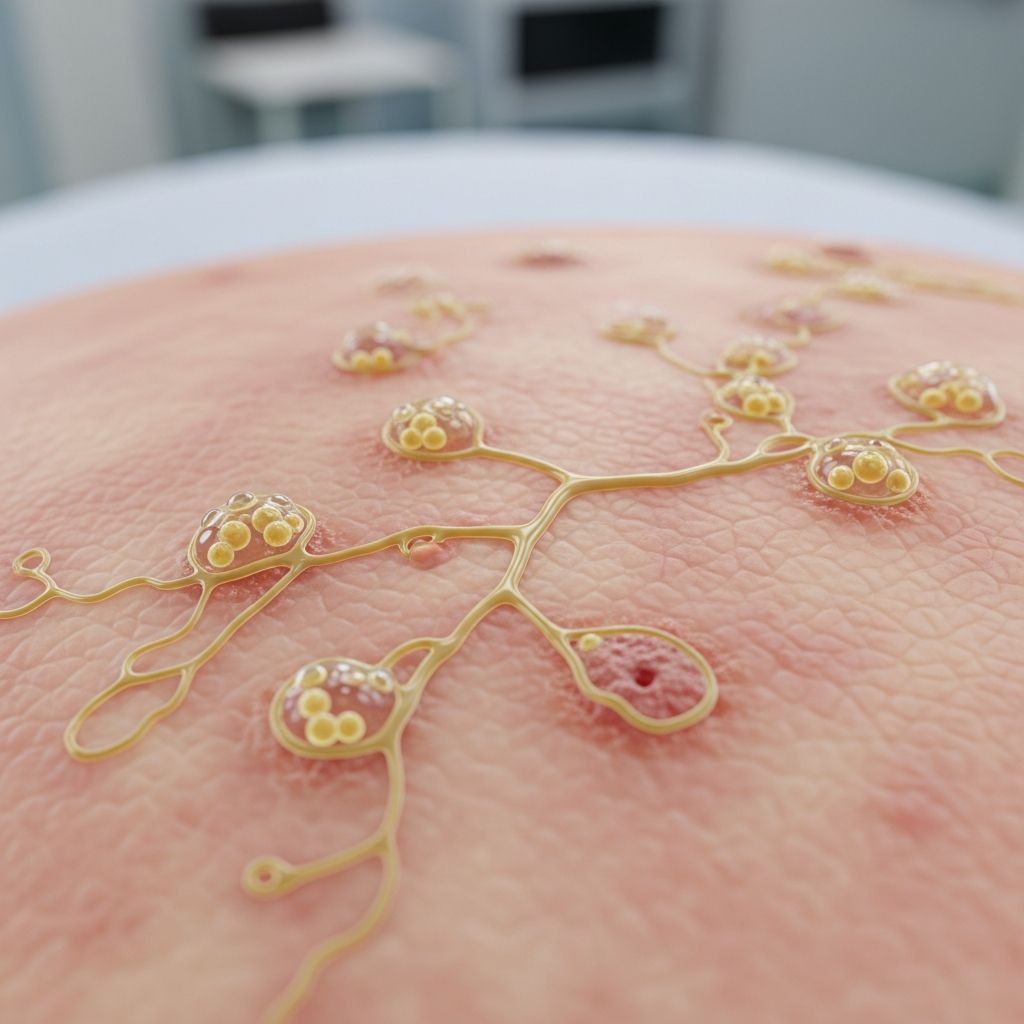
Acquired lymphangiectasia is a condition characterised by permanent dilation of superficial lymphatic vessels of the skin following damage to previously normal lymphatic channels, resulting in obstruction of lymph flow and back pressure. Unlike congenital forms, it develops after trauma, surgery, or radiation that disrupts lymphatic drainage.
What is acquired lymphangiectasia?
Acquired lymphangiectasia arises when lymphatic vessels are damaged or obstructed, leading to dilation and formation of fluid-filled vesicles on the skin surface. This differs from congenital lymphatic malformations, sometimes termed lymphangioma, which are present from birth. The condition involves ectatic (dilated) lymphatic channels in the dermis due to increased intralymphatic pressure from upstream blockage.
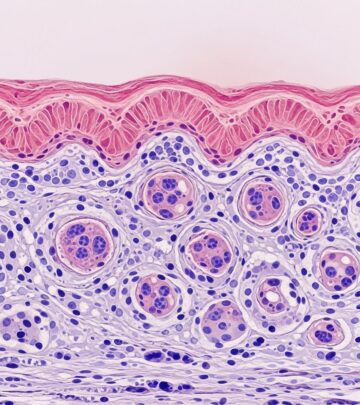
Histologically, it shows numerous dilated channels lined by a single layer of flat endothelial cells within the dermis, with papillomatous and acanthotic overlying epidermis. These channels are positive for D2-40 immunostaining and may contain amorphous pink material and red blood cells, with surrounding lymphocytic infiltrate.
Who gets acquired lymphangiectasia?
Acquired lymphangiectasia typically affects adults who have undergone procedures or experienced trauma that compromises lymphatic integrity. It is uncommon and often follows:
- Surgical excision of tumours, particularly in the genital or perineal area (e.g., after hysterectomy or vulvectomy).
- Radiotherapy for pelvic or genital malignancies.
- Recurrent erysipelas (cellulitis).
- Chronic lymphedema from any cause.
Patients with a history of malignancy treatment in lymphatic-rich areas, such as the vulva, scrotum, or limbs, are at higher risk.
What causes acquired lymphangiectasia?
The primary cause is damage to deep lymphatic channels, leading to obstruction, increased lymph pressure, and dilation of superficial lymphatics with backflow. Common triggers include:
- Surgery: Radical operations like penectomy, vulvectomy, or lymph node dissection.
- Radiation therapy: Especially to the pelvis, causing fibrosis and lymphatic blockage.
- Infection: Repeated episodes of bacterial cellulitis scarring lymphatics.
- Other: Tuberculosis, filariasis, or iatrogenic injury.
This results in poor lymphatic drainage, predisposing to secondary infections and chronic swelling.
What are the clinical features of acquired lymphangiectasia?
Lesions present as multiple small, translucent or haemorrhagic papules or vesicles, often described as resembling frogspawn or frog eggs due to their clustered, fluid-filled appearance. They may ooze clear, milky, or blood-tinged lymph fluid after minor trauma.
Key characteristics:
- Size: 2–10 mm diameter vesicles on an oedematous base.
- Colour: Clear, white, yellow, red, or dark purple if haemorrhagic.
- Surface: Thin-walled, tense, prone to rupture.
- Symptoms: Painful, especially if infected; may cause itching or discomfort.
Complications include recurrent cellulitis from poor drainage and chronic lymphedema.
Sites affected
Lymphangiectasia commonly occurs in areas with rich superficial lymphatics or prior intervention:
- Genital region: Vulva, scrotum, penis (most frequent post-surgery/radiation).
- Perianal and perineal skin.
- Limbs: Especially legs after saphenous vein stripping or chronic cellulitis.
- Other: Chest wall post-mastectomy, oral mucosa rarely.
Diagnosis
Diagnosis is primarily clinical based on history of lymphatic insult and characteristic frogspawn-like vesicles. Dermoscopy may reveal translucent lacunae with red blood cells.
Confirmatory tests:
- Skin biopsy: Essential if uncertain; shows dilated dermal lymphatics lined by D2-40 positive endothelium, confirming lymphatic nature.
- Imaging: Lymphoscintigraphy or MRI to assess deep lymphatic blockage or leaks.
Differential diagnoses include lymphangioma circumscriptum (congenital, histologically similar but denotes a hamartoma/tumour), molluscum contagiosum, warts, or condyloma.
Treatment of acquired lymphangiectasia
Treatment focuses on symptom relief, infection prevention, lymphedema management, and lesion destruction. No curative therapy exists, but options include:
| Treatment | Description | Efficacy/Notes |
|---|---|---|
| Surgical excision | Complete removal of affected skin, ideal for localised lesions (e.g., vulva, legs). | High success; no recurrence in 4 years in cases. |
| Compression therapy | Bandages/stockings to reduce lymphatic pressure and swelling. | First-line for lymphedema. |
| Laser (CO2) | Ablation of vesicles. | Good outcomes, less invasive. |
| Cryotherapy | Freezing lesions. | Effective for superficial vesicles. |
| Sclerotherapy | Injection to obliterate channels. | Useful alternative. |
| Electrosurgery/cauterization | Targeted destruction. | For small areas. |
Hygiene is crucial to prevent bacterial superinfection. Antibiotics treat cellulitis promptly.
What is the outcome for acquired lymphangiectasia?
Prognosis is good with intervention; surgical excision often curative for localised disease with low recurrence. Untreated, it leads to recurrent infections and progressive lymphedema. Regular follow-up monitors for malignancy (rare association) and lymphatic complications.
Frequently Asked Questions
Is acquired lymphangiectasia the same as lymphangioma?
No. Lymphangioma (circumscriptum) is congenital; acquired form follows damage to normal lymphatics, though clinically/histologically similar.
Can acquired lymphangiectasia be cured?
Not always curable, but excision provides long-term remission. Other therapies manage symptoms effectively.
Does it increase cancer risk?
Not directly, but often follows cancer treatments; monitor for recurrence of underlying malignancy.
How do you prevent infections?
Keep area clean, use compression, treat cellulitis early with antibiotics.
Is it painful?
Yes, lesions can be tender, especially if ruptured or infected.
Related topics
- Congenital lymphatic malformation (lymphangioma)
- Lymphedema
- Cellulitis
- Lymphangioma circumscriptum
References
- What Is Your Diagnosis? Acquired Lymphangiectasia — The Hospitalist. 2019-07-01. https://blogs.the-hospitalist.org/content/what-your-diagnosis-acquired-lymphangiectasia
- Acquired lymphangiectasia — DermNet NZ. 2023-05-15. https://dermnetnz.org/topics/acquired-lymphangiectasia
- Intestinal lymphangiectasia in adults — National Center for Biotechnology Information (PMC). 2010-12-21. https://pmc.ncbi.nlm.nih.gov/articles/PMC3046182/
- Intestinal Lymphangiectasia — Merck Manuals (Professional). 2024-01-01. https://www.merckmanuals.com/professional/gastrointestinal-disorders/malabsorption-syndromes/intestinal-lymphangiectasia
- Primary Intestinal Lymphangiectasia: Symptoms & Treatments — Cleveland Clinic. 2023-11-20. https://my.clevelandclinic.org/health/diseases/primary-intestinal-lymphangiectasia
Similar Articles




Read full bio of Sneha Tete