Acrivastine for Allergies (Benadryl Allergy Relief)
Effective relief from hay fever, skin allergies, and insect bites with fast-acting acrivastine in Benadryl Allergy Relief capsules.
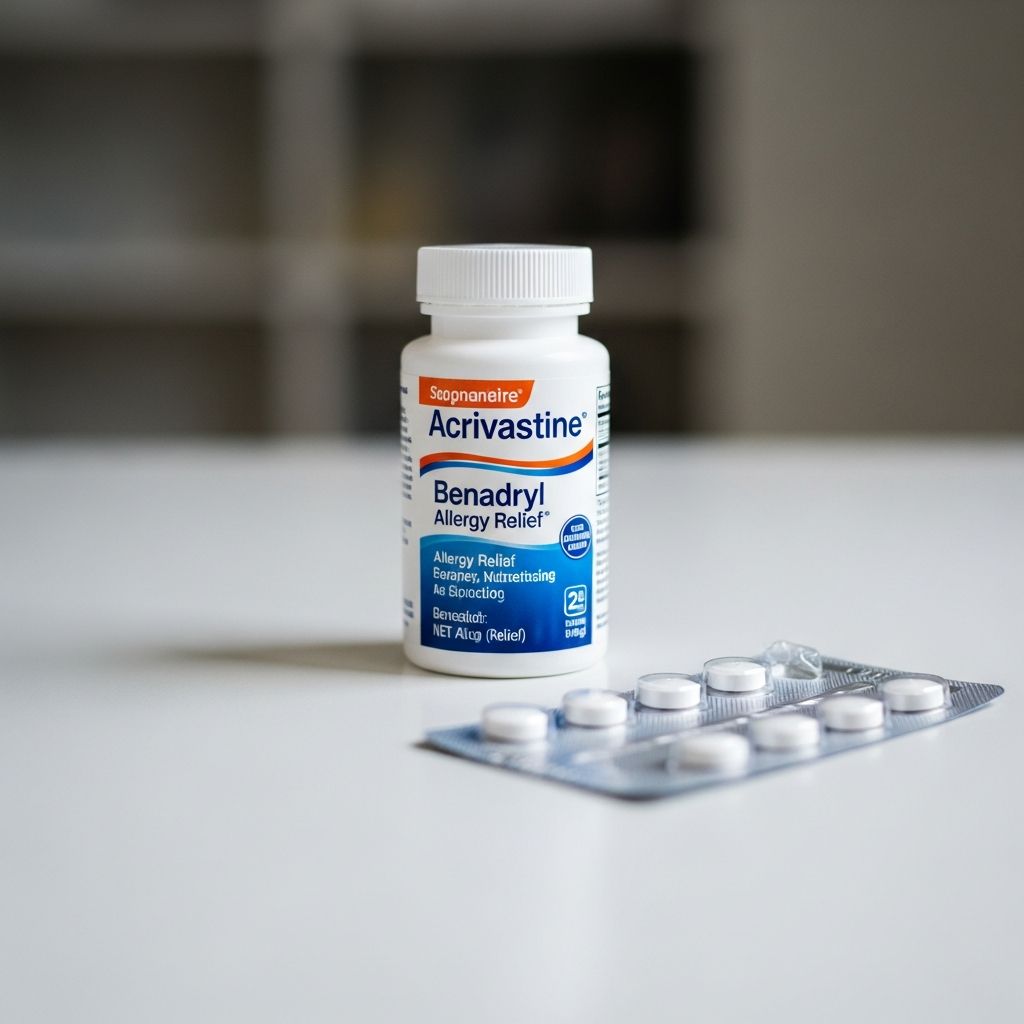
Acrivastine, sold as Benadryl Allergy Relief, is a second-generation antihistamine that provides rapid relief from common allergy symptoms such as hay fever, skin allergies, itchy watery eyes, runny nose, and sneezing. Unlike first-generation options like diphenhydramine (traditional Benadryl), acrivastine is designed to be less sedating while acting quickly, often within 15 minutes, making it suitable for on-demand use up to three times daily.
About acrivastine
Acrivastine belongs to the class of second-generation H1-receptor antagonist antihistamines, which block histamine—a chemical released during allergic reactions—to alleviate symptoms like itching, sneezing, and nasal congestion. Marketed in the UK as Benadryl Allergy Relief capsules (8 mg acrivastine each), it is available over-the-counter and targets seasonal allergies (hay fever), perennial allergies (dust mites, pets), and reactions to insect bites or stings. Its unique profile allows flexible dosing, ideal for variable symptom intensity, unlike once-daily competitors.
Developed as a derivative of triprolidine, acrivastine minimally crosses the blood-brain barrier, reducing drowsiness compared to first-generation antihistamines. Clinical use shows it effectively treats allergic rhinitis, urticaria (hives), and atopic dermatitis flare-ups. In the US, it appears in combinations like Semprex-D with pseudoephedrine for enhanced decongestant effects, though standalone acrivastine is primarily UK-available.
Key facts about acrivastine
- Fast-acting: Starts working in 15 minutes, faster than many second-generation alternatives like cetirizine (Zyrtec).
- Short duration: Effects last 4-6 hours per dose; take up to 3 times daily as needed.
- Non-sedating profile: Less drowsy than diphenhydramine but may cause mild sedation in some at higher doses.
- Age range: Suitable for adults and children aged 12-65 years.
- Brand distinction: UK Benadryl Allergy Relief (acrivastine) differs from US Benadryl (diphenhydramine) or Benadryl One-a-Day (cetirizine).
About allergic symptoms treated by acrivastine
Allergies occur when the immune system overreacts to harmless triggers like pollen, pet dander, or insect venom, releasing histamine that causes inflammation. Acrivastine targets these by inhibiting H1 receptors, reducing:
- Itchy, watery eyes and conjunctivitis symptoms.
- Runny or blocked nose, sneezing from hay fever or dust allergies.
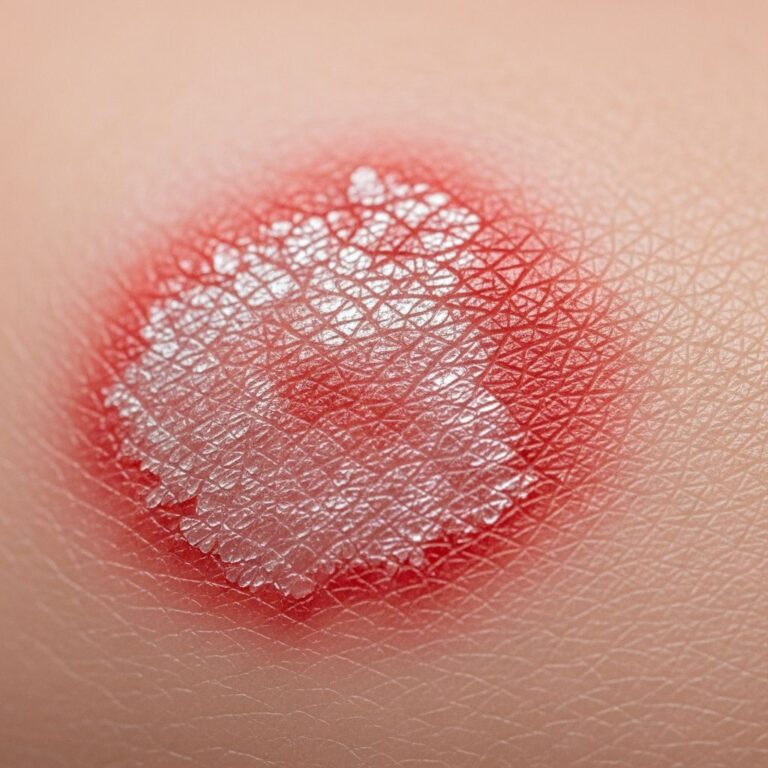
- Skin reactions like hives, rashes, or itching from insect bites/stings.
- Mild urticaria or angioedema swelling.
It is particularly useful for acute episodes rather than chronic daily use, complementing avoidance strategies and nasal sprays.
How and when to take acrivastine
Take Benadryl Allergy Relief capsules orally with water, with or without food. Flexible dosing suits fluctuating symptoms:
| Age Group | Dosage | Frequency |
|---|---|---|
| Adults and children 12-65 years | 1 capsule (8 mg) | Up to 3 times daily; max 3 doses/24 hours |
| Under 12 years or over 65 | Not recommended | Consult doctor |
Start at symptom onset for fastest relief. For hay fever, dose in morning/evening during peak pollen. Swallow whole; do not crush. If symptoms persist beyond 3 days or worsen, see a doctor.
Dosage information
Standard adult dose is 8 mg (one capsule) 2-3 times daily, adjusted based on response. Each capsule contains lactose and sodium—check for intolerances. Avoid exceeding 24 mg/day. For combination products like Semprex-D, follow specific instructions including decongestant limits.
Who can and cannot take acrivastine
Who can take acrivastine
Related Stories



- Adults (18-65 years) with hay fever, pet/dust allergies, or skin reactions.
- Children aged 12-17 years under supervision.
- Those needing quick, intermittent relief without strong sedation.
Who cannot take acrivastine
- Children under 12 years.
- Adults over 65 (increased side effect risk).
- People with severe kidney/liver impairment.
- Those with glaucoma, urinary retention, or prostate issues (may worsen).
Who may need a lower dose
- Elderly patients near 65.
- Individuals with mild kidney issues.
- Those on interacting medications—consult pharmacist.
Common questions about acrivastine
How long does it take to work?
Acrivastine acts within 15 minutes, faster than Zyrtec (30 minutes) but similar to diphenhydramine for acute needs.
Is it OK to take acrivastine every day?
Short-term use is fine; for chronic allergies, prefer once-daily options like loratadine due to acrivastine’s shorter action and potential mild sedation with repeated dosing.
Is acrivastine a steroid?
No, it’s an antihistamine, not a corticosteroid; no systemic anti-inflammatory effects beyond histamine blockade.
Can I take acrivastine with other hay fever treatments?
Yes, combine with nasal steroids or eye drops; avoid other sedating antihistamines.
Can I take it with painkillers?
Generally safe with paracetamol or ibuprofen; check with pharmacist for combinations.
Can I drive while taking acrivastine?
Usually yes, as it’s less sedating, but avoid if you feel drowsy. UK law requires fitness to drive.
Can I drink alcohol with it?
Avoid alcohol, as it may enhance drowsiness or side effects.
Pregnancy, breastfeeding, and fertility while taking acrivastine
Pregnancy: Limited data; consult doctor before use, as medicines may affect the unborn baby.
Breastfeeding: Avoid or seek advice—may pass into milk.
Fertility: No known impact on male/female fertility.
Taking acrivastine with other medicines and herbal supplements
Acrivastine has few interactions but:
- Avoid with other antihistamines or sedatives.
- Caution with beta-blockers or antidepressants.
- Inform doctor/pharmacist of all medications.
Always read the leaflet.
Side effects of acrivastine
Generally well-tolerated; common effects (affecting >1 in 100):
- Dry mouth/throat.
- Headache.
- Mild drowsiness or fatigue.
- Blurred vision, nausea.
Rare/serious: Palpitations, tachycardia, rash, or urinary issues—stop and seek medical help. No liver toxicity reported.
What to do if you’re allergic to acrivastine
Symptoms like swelling or breathing difficulty require immediate emergency care (999/112). Switch to alternatives like fexofenadine.
Comparison: Acrivastine vs. Other Antihistamines
| Antihistamine | Onset | Duration | Sedation Risk | Best For |
|---|---|---|---|---|
| Acrivastine (Benadryl Relief) | 15 min | 4-6 hrs | Low-mild | Fast, flexible relief |
| Diphenhydramine (Benadryl US) | 10-15 min | 4-6 hrs | High | Acute emergencies |
| Cetirizine (Zyrtec) | 30 min | 24 hrs | Low-moderate | Daily use |
| Loratadine (Claritin) | 1-3 hrs | 24 hrs | Very low | Mild seasonal allergies |
| Fexofenadine (Allegra) | 1 hr | 24 hrs | Minimal | Non-sedating daily |
Acrivastine excels in speed for intermittent needs but requires more frequent dosing than 24-hour options.
Frequently asked questions (FAQs)
Q: Is Benadryl Allergy Relief the same as regular Benadryl?
A: No, UK Benadryl Allergy Relief contains acrivastine; US Benadryl uses sedating diphenhydramine.
Q: Does acrivastine cause drowsiness?
A: Less than first-generation types, but mild effects possible; monitor individual response.
Q: Can children under 12 take it?
A: No, not recommended; consult a pediatrician for alternatives.
Q: How does it compare to Zyrtec or Claritin?
A: Faster onset than both, but shorter duration; ideal for as-needed use vs. their daily convenience.
Q: Is it safe for long-term use?
A: Best for short-term; for ongoing allergies, consider less frequent options.
References
- Is Benadryl Still the Best Choice for Allergy Relief? — Dartmouth Health. 2023. https://www.dartmouth-health.org/articles/benadryl-still-best-choice-allergy-relief
- BENADRYL® Allergy Relief Capsule — Benadryl.co.uk. Accessed 2026. https://www.benadryl.co.uk/allergy-relief-products/benadryl-allergy-relief
- Acrivastine — Wikipedia. Accessed 2026. https://en.wikipedia.org/wiki/Acrivastine
- Acrivastine (Benadryl): Allergy Medicine — NHS.uk. 2024-01-15. https://www.nhs.uk/medicines/acrivastine/
- Acrivastine — LiverTox, NCBI Bookshelf, NIH. 2023-05-01. https://www.ncbi.nlm.nih.gov/books/NBK548605/
- Over-the-Counter Antihistamines: Brands and Side Effects — Healthline. 2024. https://www.healthline.com/health/allergies/antihistamine-brands
- Antihistamines — American Academy of Allergy, Asthma & Immunology. 2024. https://www.aaaai.org/tools-for-the-public/drug-guide/allergy-medications
Similar Articles








Read full bio of Sneha Tete