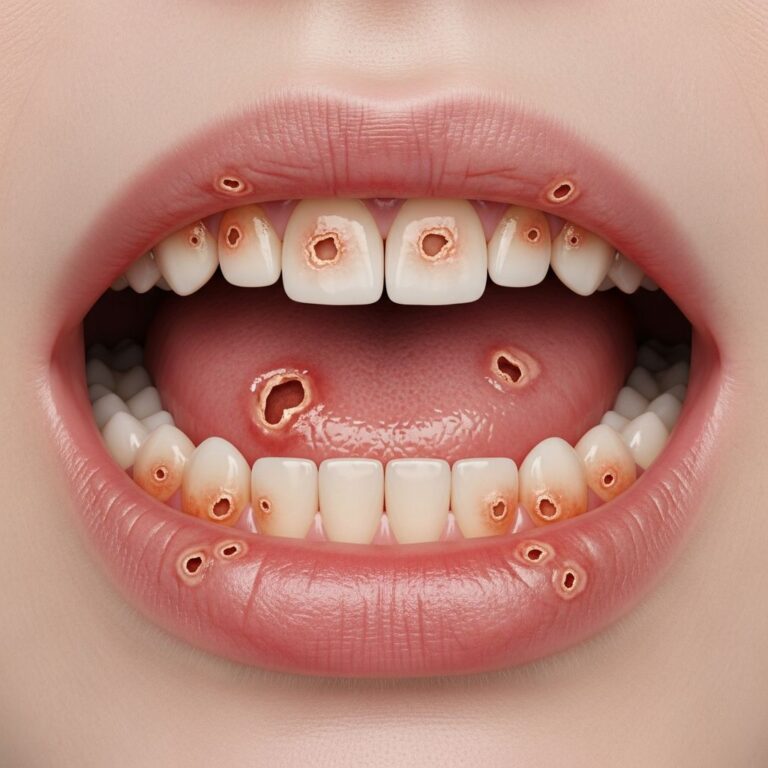
Acrodermatitis Enteropathica-Like Conditions
Explore acrodermatitis enteropathica-like conditions: causes, symptoms, diagnosis, and treatments for these zinc-related and metabolic skin disorders.
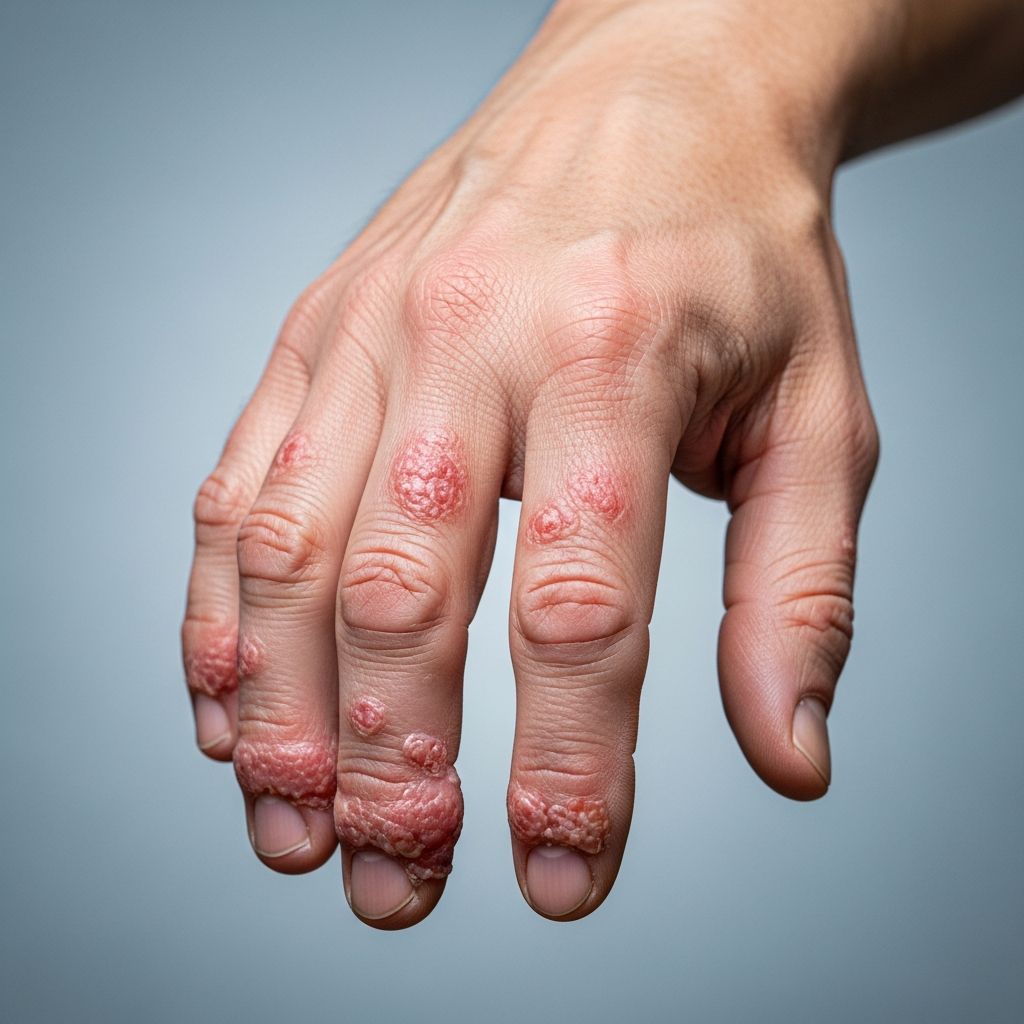
Acrodermatitis enteropathica-like conditions are dermatological syndromes that clinically resemble acrodermatitis enteropathica, a rare autosomal recessive disorder of zinc metabolism characterised by the classic triad of dermatitis, diarrhoea, and alopecia. These conditions arise either from acquired zinc deficiency or metabolic disturbances unrelated to zinc levels, presenting significant diagnostic and therapeutic challenges in clinical practice.
What is acrodermatitis enteropathica?
Acrodermatitis enteropathica (AE) is a genetic disorder caused by mutations in the SLC39A4 gene, which encodes a zinc transporter protein essential for intestinal zinc absorption. This leads to severe zinc malabsorption, typically manifesting in infancy around the time of weaning from breast milk, which naturally contains bioavailable zinc. Without lifelong zinc supplementation, AE proves fatal due to unrelenting infections, malnutrition, and failure to thrive. The condition affects approximately 1 in 500,000 live births and impacts males and females equally.
Who gets acrodermatitis enteropathica-like conditions?
Acrodermatitis enteropathica-like conditions can affect individuals of any age, but are most commonly observed in infants, children, and adults with predisposing risk factors. Neonates and infants are particularly vulnerable due to rapid growth demands for zinc and immature metabolic pathways. Acquired forms predominate in regions with high malnutrition rates, such as sub-Saharan Africa and Southeast Asia, where gastrointestinal malabsorption syndromes are prevalent. Immunocompromised patients, those on total parenteral nutrition (TPN), or individuals with chronic diarrhoea are also at elevated risk.
Causes
Acrodermatitis enteropathica-like conditions are categorised into two main groups: those secondary to acquired zinc deficiency and those due to metabolic disorders independent of zinc status.
Acquired zinc deficiency
Acquired zinc deficiency results from inadequate dietary intake, malabsorption, or increased losses, disrupting keratinocyte proliferation, immune function, and wound healing. Key causes include:
- Nutritional factors: Exclusive reliance on zinc-poor formulas, vegetarian/vegan diets without supplementation, or starvation/malnutrition.
- Gastrointestinal disorders: Celiac disease, inflammatory bowel disease (Crohn disease, ulcerative colitis), short bowel syndrome, cystic fibrosis, and chronic diarrhoea.
- Iatrogenic causes: Prolonged total parenteral nutrition lacking adequate zinc, post-bariatric surgery, or excessive chelation therapy.
- Increased requirements: Pregnancy, burns, sepsis, sickle cell disease, or malignancy.
Zinc deficiency impairs DNA synthesis and enzyme function, particularly alkaline phosphatase, leading to characteristic skin changes.
Metabolic disorders
These conditions stem from inborn errors of metabolism affecting amino acid or fatty acid pathways, often involving urea cycle disruptions or cofactor deficiencies like biotin. Unlike true zinc deficiency, serum zinc levels remain normal. Responsible disorders include:
- Multiple carboxylase deficiency (holocarboxylase synthetase or biotinidase deficiency): Biotin shortage impairs fatty acid metabolism.
- Maple syrup urine disease: Branched-chain amino acid accumulation.
- Prolidase deficiency: Impaired collagen recycling.
- Urea cycle disorders (e.g., ornithine transcarbamylase deficiency): Hyperammonaemia.
- Organic acidaemias (e.g., propionic, methylmalonic aciduria): Toxic metabolite buildup.
- Fatty acid oxidation defects: Energy metabolism failure.
Related Stories



Necrolytic migratory erythema, linked to glucagonoma in adults, presents similarly and arises from amino acid deficiencies.
Clinical features
Like AE, these conditions feature the triad of periorificial and acral dermatitis, diarrhoea, and alopecia, though the full triad occurs in only 20-46% of cases.
Cutaneous features
Skin lesions are symmetrically distributed in periorificial (mouth, eyes, nose, anus, genitals), acral (hands, feet, elbows, knees), and intertriginous areas. Morphological variants include:
- Erythematous, scaly plaques resembling psoriasis or seborrhoeic dermatitis.
- Vesicobullous or pustular eruptions that erode into weeping, crusted erosions.
- Xerosis, angular cheilitis, and nail dystrophy (paronychia, Beau lines).
Lesions evolve from eczematous to hyperkeratotic if untreated.
Other features
- Gastrointestinal: Profuse, watery diarrhoea with steatorrhea.
- Systemic: Failure to thrive, irritability, anorexia, lethargy.
- Neurological: Hypotonia, seizures, developmental delay (especially in metabolic cases).
- Ocular: Conjunctivitis, photophobia, blepharitis.
- Mucocutaneous: Total alopecia, glossitis.
Complications
Secondary bacterial (Staphylococcus, Streptococcus) or candidal superinfections cause cellulitis or sepsis. Metabolic decompensation during stress leads to life-threatening acidosis, hyperammonaemia, or coma. Chronic cases risk neurodevelopmental impairment, growth stunting, and cytopenias. Delayed diagnosis (>4 weeks) heightens growth retardation risk.
Diagnosis
Diagnosis hinges on clinical triad, low serum zinc (<70 mcg/dL) and alkaline phosphatase in acquired deficiency, with normal levels in metabolic cases. Supportive findings:
- Labs: Low albumin, cytopenias, metabolic acidosis, elevated ammonia/amino acids.
- Histopathology: Non-specific pallor, parakeratosis, sparse inflammation.
- Special tests: Genetic sequencing for AE (SLC39A4), enzyme assays/metabolite profiling for inborn errors.
| Parameter | Acquired Zn Deficiency | Metabolic Disorder |
|---|---|---|
| Serum Zinc | Low | Normal |
| Alkaline Phosphatase | Low | Normal |
| Metabolic Screen | Normal | Abnormal |
Differential diagnosis
- Immunodeficiency: Langerhans cell histiocytosis, Omenn syndrome, severe combined immunodeficiency.
- Nutritional: Biotin deficiency, essential fatty acid deficiency.
- Infectious: Candidiasis, herpes simplex.
- Genetic: True AE, papillon-lefèvre syndrome.
- Other: Psoriasis, eczema, glucagonoma rash.
Treatment
Treatment targets the underlying cause:
- Zinc deficiency: Oral elemental zinc 0.5–1 mg/kg/day (e.g., zinc sulfate); monitor levels and adjust. IV zinc for malabsorption. Address precipitants (e.g., gluten-free diet for celiac).
- Metabolic: Specific therapies like biotin (multiple carboxylase deficiency), low-protein diets, haemodialysis for urea cycle defects.
- Symptomatic: Emollients, topical steroids/antibiotics for infections; diarrhoea control.
Response is rapid with correct therapy, but metabolic cases require multidisciplinary care.
Outcome
Zinc-replete patients enjoy excellent prognosis with supplementation. Untreated, mortality reaches 50% from infections/malnutrition. Metabolic disorders carry risks of relapse during catabolism, neurological sequelae. Early diagnosis via newborn screening improves outcomes.
Frequently asked questions
What causes acrodermatitis enteropathica-like conditions?
They result from acquired zinc deficiency (malnutrition, malabsorption, TPN) or metabolic disorders (biotinidase deficiency, urea cycle defects).
How is zinc deficiency diagnosed?
Low serum zinc and alkaline phosphatase, plus clinical triad; exclude metabolic causes.
Is lifelong treatment needed?
Yes for genetic AE; acquired cases depend on resolving the cause.
Can it be fatal?
Yes, if untreated, due to sepsis, acidosis, or malnutrition.
What is the rash like?
Periorificial/acral erythematous, scaly, erosive plaques; pustular in severe cases.
References
- Acrodermatitis enteropathica-like conditions — DermNet NZ. 2023. https://dermnetnz.org/topics/acrodermatitis-enteropathica-like-conditions
- Acrodermatitis Enteropathica — National Organization for Rare Disorders (NORD). 2023. https://rarediseases.org/rare-diseases/acrodermatitis-enteropathica/
- Acquired acrodermatitis enteropathica — VisualDx. 2023. https://www.visualdx.com/visualdx/diagnosis/acquired+acrodermatitis+enteropathica
- Acrodermatitis enteropathica in the pediatric population — Frontiers in Nutrition. 2025-01-28. https://www.frontiersin.org/journals/nutrition/articles/10.3389/fnut.2025.1590075/full
- Acrodermatitis Enteropathica – StatPearls — NCBI Bookshelf. 2023-07-17. https://www.ncbi.nlm.nih.gov/books/NBK441835/
- The Acrodermatitis Enteropathica-like Syndrome — JAMA Dermatology. 1979. https://jamanetwork.com/journals/jamadermatology/fullarticle/540150
Similar Articles








Read full bio of Sneha Tete