Acrokeratosis Neoplastica: 3 Stages, Signs, And Next Steps
Rare paraneoplastic skin disorder linked to internal malignancies, featuring acral psoriasiform lesions on ears, nose, hands, and feet.
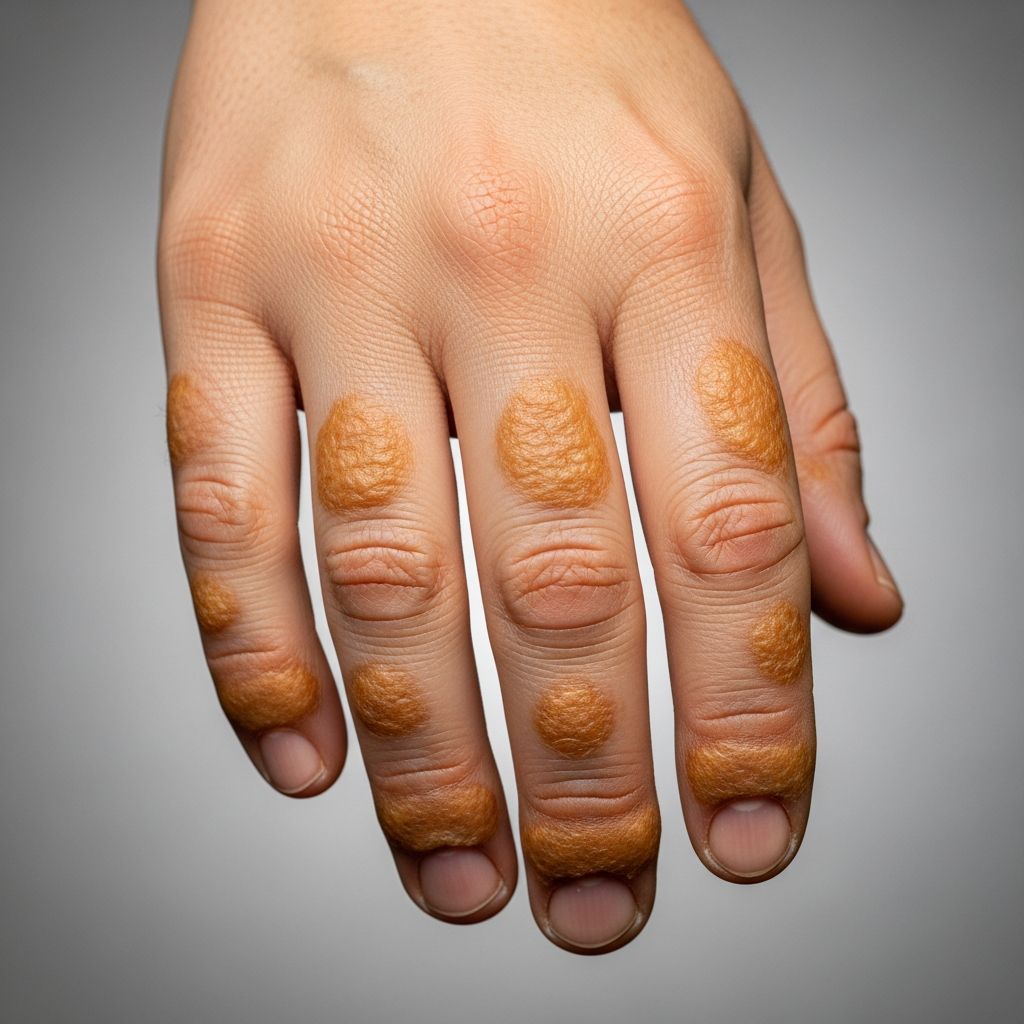
Acrokeratosis neoplastica, also known as Bazex syndrome or acrokeratosis paraneoplastica, is a rare paraneoplastic dermatosis characterized by distinctive psoriasiform eruptions predominantly affecting acral sites such as the ears, nose, fingers, toes, palms, and soles. This condition serves as a critical cutaneous warning sign for underlying internal malignancies, most commonly squamous cell carcinomas (SCC) of the upper aerodigestive tract.
What is acrokeratosis neoplastica?
Acrokeratosis neoplastica is a paraneoplastic syndrome where skin manifestations precede or coincide with the detection of an associated neoplasm. First described by André Bazex in 1965, it arises due to immune-mediated mechanisms triggered by the tumour, leading to hyperproliferation of keratinocytes and inflammatory changes in acral regions. The lesions are typically refractory to standard dermatological therapies, underscoring the need for systemic malignancy workup.
Unlike common inflammatory dermatoses like psoriasis or eczema, acrokeratosis neoplastica evolves in stages, starting subtly on acral prominences and progressing to more widespread involvement if the underlying cancer advances. Its recognition is pivotal, as skin changes often manifest 6–12 months before tumour diagnosis, offering a window for early intervention.
Who gets acrokeratosis neoplastica?
This condition predominantly affects middle-aged to older adults, with a strong male predominance (male-to-female ratio approximately 4:1). It is exceedingly rare, with fewer than 200 cases reported in medical literature. Risk factors align closely with those of the associated malignancies, including chronic tobacco and alcohol use, which predispose to upper aerodigestive SCC.
- Demographics: Men over 40 years; rare in women and children.
- Associations: Heavy smokers and drinkers (90% of cases).
- Incidence: Estimated <1 per 100,000; higher in oncology cohorts.
What causes acrokeratosis neoplastica?
The precise pathogenesis remains incompletely understood but involves tumour-induced autoimmunity. Neoplastic cells in SCC release cytokines (e.g., TNF-α, IL-6) and antigens that provoke a T-cell mediated response targeting epidermal structures, particularly in acral areas due to higher keratinocyte turnover. Genetic factors such as mutations in U2AF1 and TP53, common in aerodigestive SCC, may contribute indirectly.
Histologically, biopsies reveal psoriasiform hyperplasia, parakeratosis, spongiosis, and a mixed inflammatory infiltrate without viral inclusions or fungal elements, distinguishing it from infections or psoriasis.
What are the clinical features of acrokeratosis neoplastica?
The eruption follows a characteristic triphasic progression:
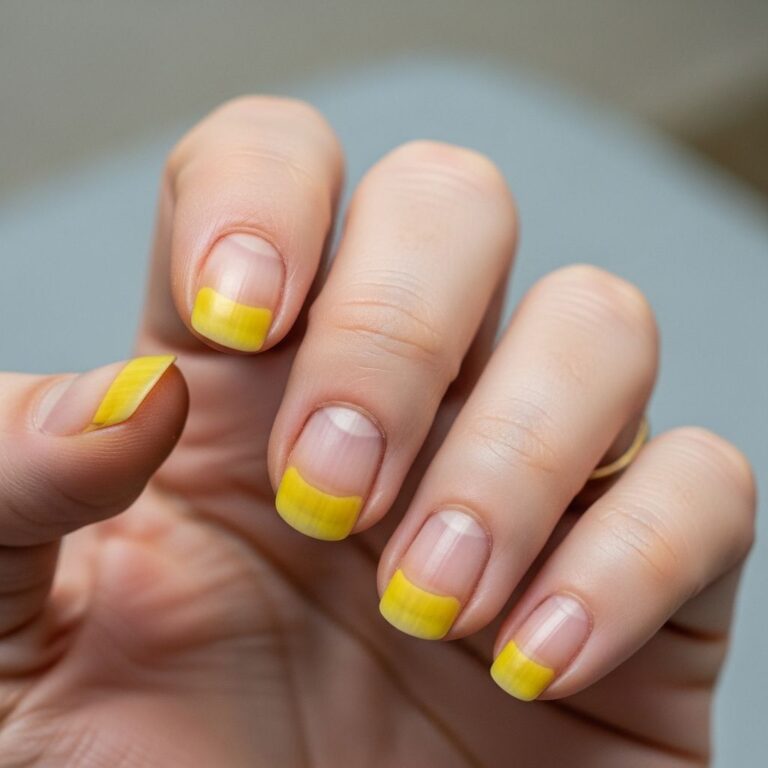
- Stage 1 (Acral onset): Erythematous, scaly plaques on ears (helix/lobule), nose tip, fingertips, and toenails. Nails show dystrophy: onycholysis, ridging, yellow-brown discoloration, subungual hyperkeratosis resembling onychomycosis (but fungal cultures negative).
- Stage 2 (Extension): Involvement of palms, soles, elbows, knees with hyperkeratotic, fissured plaques. Periungual erythema, swelling, and tenderness emerge.
- Stage 3 (Generalized): Widespread ichthyosiform scaling, bullae, and umbilicus nodules (Sister Mary Joseph-like); constitutional symptoms like weight loss, fatigue, anorexia.
Lesions are often tender rather than pruritic, violaceous to hyperpigmented, with acral predilection. Associated findings include moniliasis (oral candidiasis) in 20–30% and lymph node enlargement.
Related Stories



| Site | Common Features | Frequency |
|---|---|---|
| Ears/Nose | Scaly plaques, crusting | 90% |
| Hands/Feet | Psoriasiform keratoderma, fissuring | 85% |
| Nails | Dystrophy, periungual inflammation | 75% |
| Other | Oral erosions, umbilicus nodules | 30% |
Diagnosis of acrokeratosis neoplastica
Diagnosis is clinical, supported by biopsy and exclusion of mimics. Key is high suspicion in refractory acral dermatosis with constitutional ‘B’ symptoms (fever, sweats, weight loss).
- Histopathology: Regular acanthosis, confluent parakeratosis, Munro microabscesses, dilated capillaries; no atypia.
- Differential: Psoriasis, eczema, tinea, pellagra, necrolytic migratory erythema, pityriasis rubra pilaris.
- Investigations: Nail clippings (fungal KOH negative), ANA/ENA serology (negative), full malignancy screen: ENT exam, CT/PET neck/chest/abdomen, bronchoscopy, upper GI endoscopy, tumour markers (SCC-Ag).
What is the treatment for acrokeratosis neoplastica?
Treatment hinges on addressing the underlying malignancy; skin lesions regress with successful tumour therapy but persist or recur with progression. Topical agents offer symptomatic relief only.
- Primary: Tumour resection, radiotherapy, chemotherapy (e.g., cisplatin/5-FU for SCC).
- Symptomatic: Potent steroids (clobetasol 0.05%), keratolytics (salicylic acid 10%, urea), emollients (ammonium lactate).
- Adjunctive: Retinoids (acitretin 0.5–1 mg/kg/day), PUVA, vitamin D analogues; limited efficacy.
- Prognosis: Skin mirrors tumour response; nail changes often permanent. Overall survival poor if lymph nodes involved at diagnosis (median <12 months).
What is the outcome for acrokeratosis neoplastica?
Prognosis correlates directly with the underlying cancer stage. Early detection via skin signs can improve outcomes, but most present with advanced disease (nodal metastases in 80%). Post-tumour control, 60–70% achieve skin remission, though relapse signals recurrence. Multidisciplinary care (dermatology-oncology) is essential.
Clinical images
(Descriptions based on typical presentations): Erythematous scaly plaques on ear helix and nose; hyperkeratotic palmar keratoderma with fissuring; dystrophic yellow nails with periungual erythema.
Frequently Asked Questions
Is acrokeratosis neoplastica curable?
Skin lesions improve with successful cancer treatment, but cure depends on eradicating the malignancy. Persistent nails common.
Does it always indicate cancer?
>95% associated with neoplasm; idiopathic rare.
How soon before cancer diagnosis?
Average 8–12 months; Stage 1 lesions key early clue.
Can topicals alone treat it?
No; unresponsive without tumour therapy.
What cancers are linked?
Primarily SCC larynx/pharynx/oesophagus; also lung, GI adenocarcinoma, lymphoma.
References
- Acrokeratosis paraneoplastica (Bazex syndrome) as the presenting sign of squamous cell carcinoma of the lung — Gropper CA et al. PMC. 2020-12-07. https://pmc.ncbi.nlm.nih.gov/articles/PMC7737062/
- Acrokeratosis Can Be a Warning Sign of an Underlying Malignancy — European Journal of Case Reports in Internal Medicine. 2021-01-15. https://www.ejcrim.com/index.php/EJCRIM/article/download/1108/1689?inline=1
- Acrokeratosis neoplastica (Bazex syndrome) — DermNet NZ. 2023-05-20. https://dermnetnz.org/topics/acrokeratosis-neoplastica
- Acrokeratosis Paraneoplastica — MD Searchlight. 2024-02-14. https://mdsearchlight.com/cancer/acrokeratosis-paraneoplastica/
- Acrokeratosis paraneoplastica — VisualDx. 2025-08-10. https://www.visualdx.com/visualdx/diagnosis/acrokeratosis+paraneoplastica?diagnosisId=51170&moduleId=19
- Acrokeratosis Paraneoplastica — StatPearls, NCBI Bookshelf. 2023-11-03. https://www.ncbi.nlm.nih.gov/books/NBK459391/
Similar Articles








Read full bio of Sneha Tete