Acrophobia: Symptoms, Causes, and Treatment
Understand acrophobia, the intense fear of heights, its symptoms, causes, diagnosis, and effective treatments including therapy options.
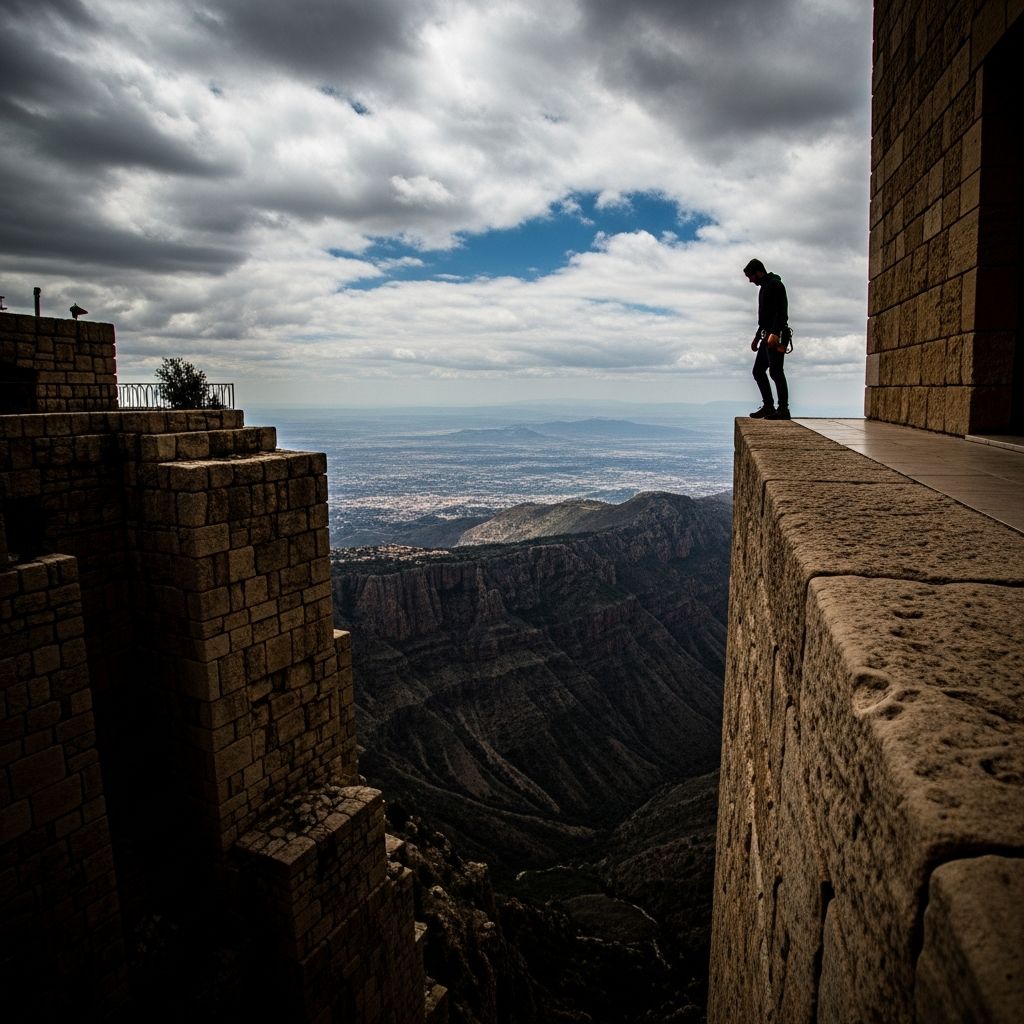
Acrophobia, or the fear of heights, affects millions worldwide, triggering intense anxiety even at modest elevations. This specific phobia disrupts daily life through avoidance behaviors and physical symptoms like dizziness and panic.
What Is Acrophobia?
Acrophobia is an extreme, irrational fear of heights that goes beyond normal caution. Unlike mild discomfort, it provokes panic attacks at the sight or thought of high places, such as balconies, ladders, or bridges. The DSM-5 classifies it as a specific phobia, where fear persists for over six months and significantly impairs functioning.
Distinguished from visual height intolerance, acrophobia involves severe avoidance and distress. About one-third of people experience height susceptibility, but acrophobia represents the most intense form, often starting in childhood with a mean onset age of 5.9 years.
Symptoms of Acrophobia
Symptoms manifest physically, emotionally, and behaviorally when facing heights or anticipating them. Core signs include intense fear marked by panic and anxiety.
Physical Symptoms
- Increased heart rate, palpitations, and chest tightness
- Sweating, trembling, shaking, or chills
- Shortness of breath, dry mouth, nausea, or lightheadedness
- Dizziness, vertigo, or sensation of falling/losing balance
- Muscle tension and stiffening, especially in posture
These arise from anxiety-driven musculoskeletal changes, like co-contraction and reduced visual exploration.
Psychological and Behavioral Symptoms
- Panic attacks at the thought or sight of heights
- Excessive worry about encountering heights
- Avoidance of elevators, planes, bridges, or high windows
- Fear of entrapment in high places
- Reduced quality of life due to activity restrictions
Gait alterations include cautious slow walking with shorter strides and increased support phases, resembling a ‘feigning death’ reflex. Anxiety peaks around 40 meters in acrophobics.
Causes and Risk Factors of Acrophobia
Acrophobia arises from a mix of genetic, environmental, and experiential factors, without a single cause.
Traumatic Experiences
Often linked to events like falling from height, witnessing a fall, or panic in elevated spots. These condition fear responses.
Genetics and Family History
Higher risk if relatives have phobias; heritability influences anxiety sensitivity. Personality traits like high neuroticism correlate with susceptibility.
Learned Behavior and Visual Factors
Children may mimic caregivers’ fear. Visual height intolerance involves altered balance control from anxiety, not just perception. Triggers include towers, ladders, bridges.
Other Factors
- Childhood onset with 48% remission by age 10
- Balance control issues; poorer postural performance in phobics
- Anxiety lowers reflex thresholds, causing stiffening
How Is Acrophobia Diagnosed?
Diagnosis uses DSM-5 criteria: marked fear/anxiety about heights, active avoidance, immediate reactions lasting over six months, impacting life, and not better explained by another disorder.
Clinicians use tools like:
- Acrophobia Questionnaire (AQ): 40 items rating anxiety (0-6) and avoidance (0-2)
- Attitude Towards Heights Questionnaire (ATHQ) and Behavioral Avoidance Tests (BAT)
- ICD-10 and clinical interviews
Differentiate from specific phobias like claustrophobia; rule out vestibular issues.
Treatments for Acrophobia
Effective treatments target fear extinction; exposure therapy is gold standard.
Related Stories



Exposure Therapy
Gradual exposure desensitizes fear. Start with images/videos of heights, progress to real scenarios like balconies or ladders. Relaxation techniques aid coping. Highly effective; VR versions need 3-4 sessions.
Cognitive Behavioral Therapy (CBT)
Challenges irrational thoughts; combines with exposure. Builds self-efficacy.
Virtual Reality Exposure Therapy (VRET)
Immersive simulations mimic heights safely. Studies show strong efficacy.
Medications
Benzodiazepines for acute anxiety; SSRIs for comorbid anxiety. Not first-line; used short-term.
Other Approaches
- Systematic Desensitization: Paired relaxation with imagined heights
- Reinforced Practice: Rewards facing fears
For children, symptoms often remit spontaneously.
Coping Strategies and Prevention
Non-therapy strategies manage mild cases.
- Visual Techniques: Fixate horizon; avoid looking down
- Posture Control: Widen stance, bend knees slightly
- Gait Advice: Walk slowly with small steps initially
- Cognitive Reframing: Focus on facts, not catastrophe
- Avoidance for prevention, but therapy for severe impairment
Behavioral therapy uses real/virtual heights; anxiety scales with height up to saturation.
When to See a Doctor
Seek help if fear disrupts work, travel, or relationships; causes distress for months; or leads to isolation. Early intervention prevents chronicity.
Acrophobia vs. Visual Height Intolerance
| Aspect | Visual Height Intolerance | Acrophobia |
|---|---|---|
| Severity | Mild-moderate distress | Extreme phobia, panic |
| Avoidance | Occasional | Severe, life-limiting |
| Anxiety Peak | ~20-40m | Up to 70m |
| Treatment Need | Coping strategies | Therapy essential |
Source: Adapted from clinical distinctions.
Frequently Asked Questions (FAQs)
What is acrophobia?
Acrophobia is an intense, irrational fear of heights causing panic, even at low elevations.
How common is fear of heights?
About one-third of people have susceptibility; acrophobia is less common but impactful.
Can acrophobia be cured?
Yes, exposure therapy often leads to significant improvement or remission.
Does VR help treat acrophobia?
Yes, 3-4 VR sessions effectively reduce fear.
Is acrophobia genetic?
Partly; family history increases risk.
At what age does acrophobia start?
Mean onset 5.9 years; good prognosis in kids.
References
- Acrophobia and visual height intolerance — Brandt T, Huppert D, et al. National Library of Medicine. 2020-12-01. https://pmc.ncbi.nlm.nih.gov/articles/PMC7718183/
- Acrophobia: Causes, symptoms, and treatment — Medical News Today. 2023-08-15. https://www.medicalnewstoday.com/articles/acrophobia
- Acrophobia, or Fear of Heights: Symptoms, Causes, and Treatment — Healthline. 2024-02-20. https://www.healthline.com/health/acrophobia-or-fear-of-heights-symptoms-causes-and-treatment
- Acrophobia — Wikipedia (references DSM-5, AQ). 2025-01-10. https://en.wikipedia.org/wiki/Acrophobia
- Specific phobias – Symptoms and causes — Mayo Clinic. 2024-11-05. https://www.mayoclinic.org/diseases-conditions/specific-phobias/symptoms-causes/syc-20355156
Similar Articles








Read full bio of Sneha Tete