Acropustulosis of Infancy: Symptoms, Causes, and Treatment
Understanding acropustulosis of infancy: A benign skin condition affecting palms and soles in young children.
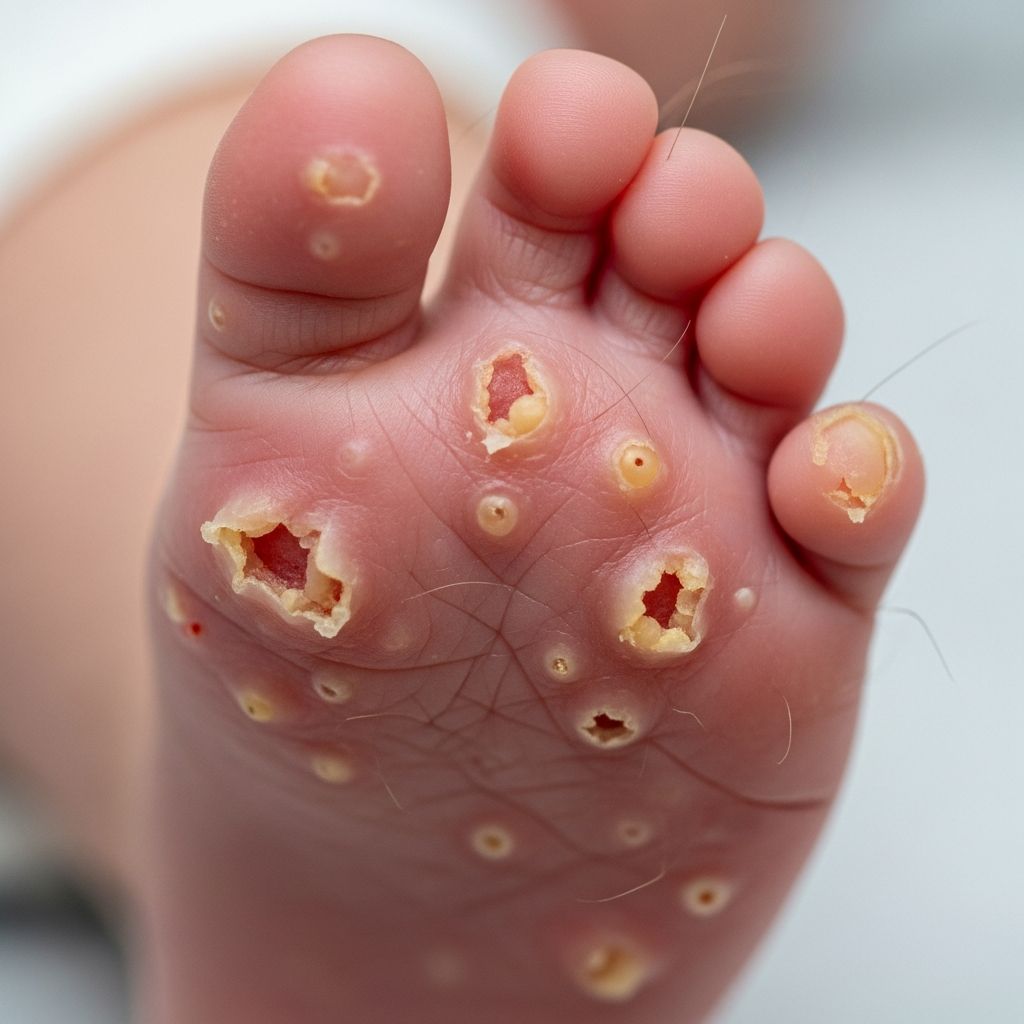
Acropustulosis of Infancy: Clinical Overview
Acropustulosis of infancy is a benign, self-limited skin condition that affects infants and young children, typically presenting with small, intensely itchy blisters and pustules on the palms and soles of the feet. This uncommon dermatological condition primarily affects children during the first two to three years of life, though it may occasionally persist beyond this timeframe. The condition is characterized by a distinctive pattern of episodic flare-ups that gradually decrease in frequency and intensity over time, ultimately resolving spontaneously without leaving permanent scarring or long-term health complications.
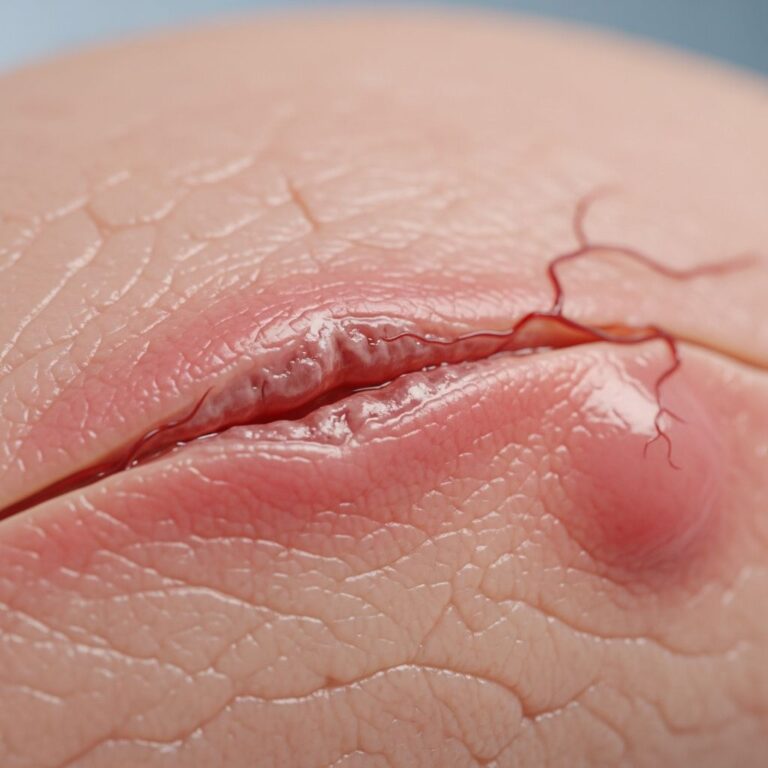
The clinical presentation of acropustulosis of infancy begins with the development of small, flat red areas on the palms and soles, which progressively become raised, develop into tiny blisters, and eventually form pustules that heal with small temporary pigmented areas. These lesions cause significant discomfort to affected infants and typically occur in distinctive crops or episodes that recur every few weeks throughout the first few years of life.
Clinical Presentation and Symptoms
The initial episode of acropustulosis of infancy generally presents in the first few months of life as multiple crops of vesiculopustules that appear on the hands and feet, often mimicking infantile scabies. While the condition can affect infants of any ethnicity or gender, it most commonly affects Black male infants, though this epidemiological pattern does not preclude occurrence in other populations.
Key features of the clinical presentation include:
- Small, intensely pruritic lesions predominantly located on the palms and soles
- Occasional extension onto the dorsa of the hands and feet and the shafts of fingers and toes
- Episodic eruption pattern with crops appearing every few weeks
- Each episode typically lasting five to seven days
- Individual lesions that begin as flat red areas, progressing to raised bumps, then tiny blisters, and finally pustules
- Healing accompanied by small temporary pigmented areas
The intense pruritus associated with acropustulosis of infancy often leads to significant scratching, which can potentially result in secondary bacterial infection or scarring if not properly managed. Parents typically report that their infants experience considerable discomfort during flare-ups, which may affect feeding, sleep, and overall wellbeing.
Epidemiology and Risk Factors
Acropustulosis of infancy is an uncommon condition that most frequently develops during the first year of life, with crops typically appearing on the hands or feet within a few months after birth. The condition shows a predilection for affecting Black male infants, though this does not exclude other demographic groups from developing the disorder.
The primary risk factors for acropustulosis of infancy include:
- Young age, with the main risk factor being infancy itself
- Possible allergic reaction to the scabies mite (Sarcoptes scabiei) in some cases
- Prior or concurrent scabies infestation, as the condition may develop before or after scabies infection
- History of previous flare-ups, which increases the likelihood of future episodes during infancy
Unlike many skin conditions, acropustulosis of infancy does not appear to be a hereditary condition, and genetic predisposition does not seem to play a significant role in disease development. Additionally, the condition is not contagious, allowing affected children to continue attending school and daycare centers during flare-ups, unlike scabies or chickenpox.
Related Stories



Etiology and Pathogenesis
The exact cause of acropustulosis of infancy remains unknown, making this a condition of still-undetermined etiopathogenesis. However, current evidence suggests several plausible mechanisms of disease development. One of the most compelling hypotheses proposes that in some cases, acropustulosis of infancy may represent a hypersensitivity reaction to Sarcoptes scabiei, the mite responsible for scabies.
This hypothesis is supported by the observation that acropustulosis of infancy may be preceded by or may follow an episode of genuine scabies that has been adequately treated. In these cases, the continued development of pustular lesions despite successful eradication of the scabies mite suggests an allergic or hypersensitivity mechanism rather than active infestation.
However, it is important to note that acropustulosis of infancy can occur without any prior or concurrent history of scabies infestation, indicating that multiple pathogenic mechanisms may be responsible for this condition. The role of other allergic reactions, immunological factors, or as-yet-unidentified infectious agents remains under investigation in the medical literature.
Differential Diagnosis
The most critical differential diagnosis for acropustulosis of infancy is infantile scabies, as the two conditions present with remarkable clinical similarities that can lead to diagnostic confusion. This confusion is further complicated by the fact that acropustulosis of infancy may be preceded by an actual scabies infestation that has been adequately treated.
To distinguish acropustulosis of infancy from scabies, skin scrapings are essential. In acropustulosis of infancy, scrapings show multiple neutrophils without evidence of scabies infestation or Sarcoptes mites. In contrast, skin scrapings positive for Sarcoptes scabiei mites or their products would indicate active scabies requiring specific treatment.
Additional differential diagnoses to consider include:
- Neonatal pustulosis
- Other vesiculopustular eruptions of infancy
- Infantile eczema with secondary pustulation
- Infectious causes such as herpes simplex or varicella
If diagnostic uncertainty persists after clinical examination and skin scrapings, a skin biopsy may be performed to confirm the diagnosis. Histopathological examination will reveal intraepidermal vesiculopustules that are rich in neutrophils and eosinophils, supporting the diagnosis of acropustulosis of infancy.
Diagnosis
The diagnosis of acropustulosis of infancy is primarily clinical, based on the characteristic presentation of itchy vesiculopustules on the palms and soles of infants in the first two to three years of life. A thorough clinical history and physical examination are typically sufficient to establish the diagnosis in most cases.
Laboratory tests are not routinely needed for diagnosis but may be performed to rule out infectious causes or to confirm the diagnosis when clinical findings are ambiguous. The following diagnostic approaches may be employed:
- Skin scrapings: Multiple negative skin scrapings for scabies help confirm the diagnosis by ruling out Sarcoptes mites
- Gram staining: May show neutrophils without bacterial organisms
- Skin biopsy: If needed to confirm diagnosis, histopathology reveals intraepidermal vesiculopustules rich in neutrophils and eosinophils
- Clinical observation: The characteristic episodic pattern and response to treatment help support the diagnosis
It may take multiple negative skin scrapings to definitively confirm the diagnosis of acropustulosis of infancy and exclude scabies, particularly when the clinical presentation is very similar to infantile scabies.
Treatment Approaches
Treatment of acropustulosis of infancy can be challenging, as many cases show disappointing responses to therapeutic interventions. However, several evidence-based treatment options are available, and the choice of treatment depends on the severity of symptoms and the degree of pruritus affecting the infant.
Topical Corticosteroids
The first line of therapy for acropustulosis of infancy should be superpotent topical corticosteroids applied twice daily to the involved areas. A strong corticosteroid such as betamethasone valerate (Betnovate) is commonly prescribed for this purpose. When this treatment is successful, parents should be instructed to apply the medication at the first sign of itching, which usually precedes the eruption of skin lesions, thereby potentially preventing the full development of vesiculopustules.
However, parents must be educated about the potential side effect of skin atrophy that can result from prolonged use of superpotent topical corticosteroids. Despite this concern, parents should be encouraged to use the medication when needed, as the temporary nature of skin atrophy and the significant benefit in controlling symptoms generally outweigh the risks.
Systemic Antihistamines
Systemic antihistamines, such as hydroxyzine, may also be helpful in managing the intense pruritus associated with acropustulosis of infancy. These medications work to reduce the urge to scratch and can improve sleep quality in affected infants. The choice of antihistamine should be made in consultation with the pediatrician, considering the infant’s age and weight.
Systemic Dapsone
For cases that do not respond adequately to topical corticosteroids and antihistamines, therapy with systemic dapsone at a dose of 1 mg/kg/day may be beneficial. Dapsone is a powerful antibiotic that has demonstrated efficacy in certain cases of acropustulosis of infancy. However, dapsone carries a significant risk of side effects and is not often used in children due to these safety concerns.
Symptomatic and Preventive Measures
In some cases, acropustulosis of infancy may not require treatment with strong medication at all, particularly when symptoms are minimal. To help relieve itchiness and prevent complications from excessive scratching, the following measures are recommended:
- Keep fingernails trimmed short to minimize damage from scratching
- Cover the child’s feet with soft cotton socks to protect the skin from scratching
- Use soft cotton gloves to prevent scratching or rubbing of the hands excessively
- Avoid triggers such as excessive heat or warm baths that may exacerbate the condition
- Maintain good skin hygiene with gentle cleansing
If acropustulosis of infancy develops concurrently with scabies, treatment of scabies will be necessary in addition to managing the acropustulosis.
Natural History and Prognosis
One of the most reassuring aspects of acropustulosis of infancy is its excellent prognosis and self-limited nature. Episodes of acropustulosis of infancy tend to develop less frequently and with less intensity over time. The natural history of this condition is to spontaneously remit within the first two to three years of life without sequelae or long-term complications.
Most cases of acropustulosis of infancy usually disappear by the age of three years, with crops tending to be less frequent as the child approaches this age. The condition does not carry with it any other complications or long-term health problems. While crops may come and go during a child’s first three years of life, the gradual improvement over time is a consistent feature of the condition.
The absence of permanent scarring, post-inflammatory hyperpigmentation, or other lasting dermatological effects makes acropustulosis of infancy a truly benign condition in terms of long-term outcomes.
Clinical Monitoring and Follow-Up
Close monitoring of infants with acropustulosis of infancy at subsequent well visits is recommended to track the clinical course and ensure appropriate management. Follow-up evaluation after three months can help assess response to treatment and determine whether adjustments to the therapeutic regimen are necessary.
During follow-up visits, healthcare providers should assess:
- Frequency and severity of lesion crops
- Response to prescribed treatments
- Presence of complications such as secondary bacterial infection
- Impact on the infant’s quality of life, sleep, and feeding
- Parental understanding of the condition’s benign nature and anticipated resolution
Frequently Asked Questions
Q: Is acropustulosis of infancy contagious?
A: No, acropustulosis of infancy is not contagious. Children with flare-ups can safely attend school and daycare centers without risk of transmitting the condition to other children.
Q: Will acropustulosis of infancy leave permanent scars?
A: No, acropustulosis of infancy does not leave permanent scars or cause long-term skin damage. The lesions heal with only temporary pigmented areas that gradually fade.
Q: At what age does acropustulosis of infancy typically resolve?
A: Most cases of acropustulosis of infancy resolve by three years of age, though the condition may persist for a few months to three years depending on individual cases.
Q: Is acropustulosis of infancy hereditary?
A: No, acropustulosis of infancy does not appear to be a hereditary condition, and genetic predisposition does not seem to play a significant role in disease development.
Q: What should I do if my infant won’t stop scratching?
A: Keep fingernails trimmed short, cover feet with soft cotton socks, and use soft cotton gloves to prevent excessive scratching that could lead to secondary infection or scarring.
Q: Is topical corticosteroid treatment safe for my infant?
A: Superpotent topical corticosteroids are the first-line treatment for acropustulosis of infancy. While skin atrophy is a potential side effect with prolonged use, this is temporary, and the benefits of controlling symptoms generally outweigh the risks.
Summary
Acropustulosis of infancy is a benign, self-limited skin condition that affects infants and young children with intensely pruritic vesiculopustules on the palms and soles. Though the exact cause remains unknown, the condition may represent a hypersensitivity reaction to the scabies mite in some cases. Diagnosis is primarily clinical and can be supported by negative skin scrapings for scabies and, if necessary, skin biopsy. Treatment typically begins with superpotent topical corticosteroids and systemic antihistamines, with systemic dapsone reserved for resistant cases. The excellent prognosis, with spontaneous resolution by three years of age and no permanent complications, provides reassurance to parents of affected infants.
References
- Erythema Infectiosum and Acropustulosis of Infancy — Contemporary Pediatrics. 2024. https://www.contemporarypediatrics.com/view/erythema-infectiosum-and-acropustulosis-infancy
- Acropustulosis: Symptoms, Causes, Treatment, and More — Healthline. 2024. https://www.healthline.com/health/acropustulosis
- Infantile acropustulosis — PubMed/National Center for Biotechnology Information. 2004. https://pubmed.ncbi.nlm.nih.gov/15615244/
- Acropustulosis of infancy — DermNet New Zealand. 2008. https://dermnetnz.org/topics/acropustulosis-of-infancy
- Acropustulosis of infancy — Primary Care Dermatology Society. 2024. https://www.pcds.org.uk/clinical-guidance/acropustulosis-of-infancy
Similar Articles








Read full bio of Sneha Tete