Actinic Keratosis: Causes, Symptoms & Treatment
Understanding actinic keratosis: sun damage, early detection, and effective treatment options.
What Is Actinic Keratosis?
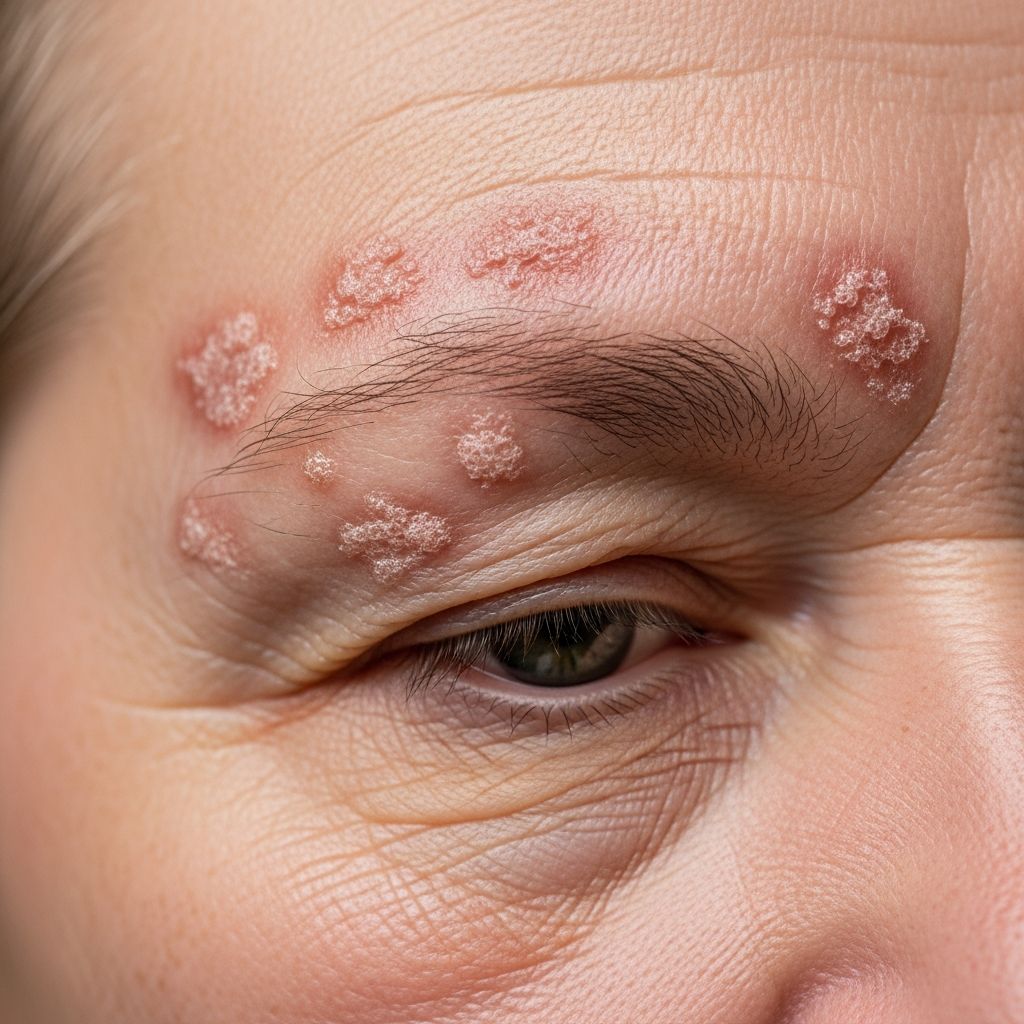
Actinic keratosis (AK), also known as solar keratosis, is a precancerous skin lesion that develops on the outer layer of your skin called the epidermis. This rough, scaly patch typically appears in areas that have been chronically exposed to the sun’s ultraviolet (UV) radiation. Unlike some skin conditions that appear suddenly, actinic keratosis develops gradually over years of cumulative sun exposure. While most actinic keratoses do not progress to skin cancer, they are considered premalignant lesions because they have the potential to develop into squamous cell carcinoma without proper treatment and prevention.
The condition affects millions of people worldwide, particularly those with fair skin and a history of significant sun exposure. Understanding actinic keratosis is crucial because early detection and treatment can prevent the progression to more serious skin cancers and preserve the health and appearance of your skin.
Understanding the Causes and Risk Factors
Primary Cause: UV Radiation Exposure
The primary cause of actinic keratosis is prolonged exposure to ultraviolet (UV) radiation from the sun. UVB light, in particular, penetrates the epidermis layer of your skin, causing photoaging and the development of these precancerous cells. This damage accumulates over time, making actinic keratosis more common in people who have spent significant time outdoors throughout their lives.
UV radiation damages the DNA in skin cells called keratinocytes, leading to abnormal proliferation and the formation of these lesions. This cumulative damage is why actinic keratosis typically appears in middle-aged and older adults who have experienced years of sun exposure.
Key Risk Factors
Certain factors increase your likelihood of developing actinic keratosis:
- Fair or light skin tone, which provides less natural protection against UV radiation
- Advanced age, as skin damage accumulates over decades
- History of frequent sunburns or severe sunburns
- Extended time spent outdoors without sun protection
- Use of indoor tanning beds or sunlamps
- Compromised immune system, which reduces your skin’s ability to repair UV damage
- Occupational exposure to the sun, such as construction workers or outdoor laborers
- Geographic location in areas with intense UV radiation
Recognizing Symptoms and Characteristics
Actinic keratosis typically presents as rough, scaly patches on sun-exposed areas of your body. These lesions most commonly appear on the face, scalp, ears, neck, chest, forearms, and hands—areas that receive regular sun exposure. The appearance can vary significantly from person to person.
Common Characteristics
Affected skin may appear:
- Rough or sandpaper-like in texture
- Scaly or flaky with a dry appearance
- Pink, red, or tan in color
- Slightly raised or flat against the skin surface
- Small to medium-sized, typically less than one inch in diameter
- Sometimes tender or itchy
While individual lesions may be subtle, people often develop multiple actinic keratoses on the same area of skin, a condition known as field cancerization. This makes these lesions more noticeable and warrants professional evaluation and treatment.
The Cancer Connection
Actinic keratosis is classified as a premalignant condition because it can potentially progress to squamous cell carcinoma, a type of skin cancer. However, it’s important to note that most actinic keratoses remain stable and do not transform into cancer. The exact percentage that progresses varies, but research suggests that a small percentage of untreated lesions may eventually develop into skin cancer over several years.
Related Stories



Because it’s difficult to predict which actinic keratoses will develop into skin cancer, healthcare providers typically recommend removing them as a precaution. This preventive approach significantly reduces your risk of developing skin cancer and allows your dermatologist to monitor your skin for other potential issues.
Diagnosis and Evaluation
Professional Skin Examination
A primary care physician or dermatologist can usually diagnose actinic keratosis through a simple examination of your skin. During this quick and painless evaluation, your healthcare provider will visually inspect the affected areas and assess the characteristics of any suspicious lesions. Many dermatologists use a special magnifying tool to obtain a detailed view of the skin and better identify the extent of damage.
Skin Biopsy
In some cases, your provider may perform a skin biopsy to confirm the diagnosis. During this procedure, a small sample of the affected skin is collected and sent to a laboratory for microscopic examination. This definitive test can rule out other skin conditions and confirm whether the lesion is indeed actinic keratosis or something more serious. A biopsy is particularly useful when the diagnosis is uncertain or when lesions have unusual characteristics.
Treatment Options
Topical Medicated Treatments
If you have several actinic keratoses, your healthcare provider might prescribe medicated creams or gels that can be applied at home. These treatments work by removing or destroying the affected skin cells over several weeks to several months. Common topical options include fluorouracil (Carac, Efudex), imiquimod (Aldara, Zyclara), and diclofenac.
These medications may cause some side effects during treatment, including inflamed skin, scaling, or a burning sensation. Your provider will give you specific instructions on how to use these treatments and what to expect during the healing process. Topical treatments are often recommended when you have multiple lesions scattered across a large area of skin.
Surgical and Procedural Treatments
Many methods are available to remove actinic keratosis during an office visit. Your provider will recommend the most appropriate option based on the number, size, and location of your lesions.
Cryotherapy (Freezing)
Cryotherapy is the most common treatment for actinic keratosis. During this procedure, your healthcare provider applies liquid nitrogen to the affected skin, which causes blistering or peeling. As your skin heals over the following weeks, the damaged cells slough off, allowing new, healthy skin to appear. This treatment takes only a few minutes and can be performed in your provider’s office without significant downtime.
Potential side effects include blisters, scarring, changes to skin texture, infection, and changes in skin color of the treated area. Most patients experience minimal discomfort during the procedure, though some mild pain or stinging may occur.
Curettage and Electrosurgery
In this procedure, your healthcare provider uses a device called a curet to scrape off damaged cells. The scraping is often followed by electrosurgery, in which a pencil-shaped instrument uses an electric current to cut and destroy the affected tissue. This procedure requires local anesthesia to keep you comfortable during treatment.
Potential side effects include infection, scarring, and changes in skin color of the affected area. This method is particularly effective for individual lesions that are well-defined and isolated.
Laser Therapy
Laser therapy is an increasingly popular treatment for actinic keratosis. Your healthcare provider uses an ablative laser device to destroy the patch, allowing new skin to appear. This technique is particularly useful for treating multiple lesions across larger skin areas and offers precision in treating only the affected tissue.
Potential side effects may include scarring and discoloration of the treated skin. Recovery time varies depending on the intensity of the laser treatment used.
Photodynamic Therapy (PDT)
Photodynamic therapy represents a safe, non-mutagenic, and non-scarring treatment option for actinic keratoses. During this procedure, your healthcare provider applies a light-sensitive chemical solution to your skin and then exposes it to a special light that destroys the actinic keratosis. Blue light therapy, a form of PDT, is FDA-approved and can eliminate 40 to 75 percent of actinic keratosis per treatment.
The procedure involves applying a photosensitizing medication that is absorbed by precancerous skin cells within one to three hours, then activating it with blue light illumination for approximately 17 minutes. Potential side effects include inflamed skin, swelling, and a burning sensation during therapy. Insurance typically covers the full cost of blue light therapy, though this varies by individual insurance plans.
Additional Treatment Methods
Other treatment options your provider may suggest include chemical peels and dermabrasion, which can address actinic keratosis along with other signs of sun damage. Your provider may also recommend combining different treatment approaches for optimal results, particularly when dealing with multiple lesions or extensive sun damage.
Recovery and Healing Timeline
Most actinic keratoses heal within a few weeks after treatment, though the exact timing depends on the type of treatment you receive. Your provider will explain what to expect during your recovery period and provide specific aftercare instructions.
During healing, you may experience temporary redness, swelling, or discoloration in the treated area. It’s crucial to follow your provider’s instructions carefully and protect the treated skin from sun exposure to promote proper healing and reduce the risk of complications.
Prevention and Long-Term Management
Preventing actinic keratosis from returning after treatment requires consistent sun protection. Consider these preventive measures:
- Apply broad-spectrum sunscreen with SPF 30 or higher daily, even on cloudy days
- Reapply sunscreen every two hours and after swimming or sweating
- Wear protective clothing, including long sleeves, pants, and wide-brimmed hats
- Seek shade during peak sun hours, typically between 10 a.m. and 4 p.m.
- Avoid indoor tanning beds and sunlamps
- Schedule regular skin examinations with your dermatologist
- Perform monthly self-examinations of your skin for any changes or new lesions
Regular monitoring is essential because actinic keratosis can sometimes return after treatment, particularly if sun protection is not maintained. Your healthcare provider can help you develop a personalized prevention plan based on your individual risk factors and skin type.
Frequently Asked Questions
Q: Can actinic keratosis go away on its own?
A: An actinic keratosis sometimes disappears on its own but might return after more sun exposure. However, since it’s difficult to predict which lesions will progress to skin cancer, healthcare providers typically recommend professional removal as a precaution.
Q: How long does treatment take?
A: Treatment duration varies by method. Cryotherapy typically takes only a few minutes in your provider’s office, while topical treatments may require application for several weeks to several months. Blue light therapy usually involves a 17-minute light exposure session.
Q: Will actinic keratosis leave scars?
A: While some treatments like cryotherapy, curettage, and laser therapy may cause scarring, photodynamic therapy is considered non-scarring. Your healthcare provider can discuss the specific risks and benefits of each treatment option.
Q: Is actinic keratosis a form of skin cancer?
A: Actinic keratosis is not skin cancer, but it is a premalignant lesion that has the potential to develop into squamous cell carcinoma if left untreated. Most cases receive treatment before reaching the cancer stage.
Q: How often should I see a dermatologist for monitoring?
A: Your dermatologist will recommend an appropriate follow-up schedule based on your skin type, sun exposure history, and the extent of your actinic keratosis. Regular skin examinations help catch any changes early.
Conclusion
Actinic keratosis is a common precancerous skin condition resulting from years of sun exposure. While it can potentially develop into squamous cell carcinoma, early detection and treatment significantly reduce this risk. Your skin is one of your body’s most important organs, and taking care of it now helps keep it healthy for years to come. Whether through topical treatments, professional procedures, or preventive measures, multiple effective options exist to manage actinic keratosis and protect your long-term skin health. Consult with your healthcare provider or dermatologist to determine the best treatment approach for your specific situation.
References
- Actinic Keratosis – Diagnosis & Treatment — Mayo Clinic. 2024. https://www.mayoclinic.org/diseases-conditions/actinic-keratosis/diagnosis-treatment/drc-20354975
- Actinic Keratosis: What It Is, Symptoms, Causes & Treatment — Cleveland Clinic. 2024. https://my.clevelandclinic.org/health/diseases/14148-actinic-keratosis
- Painless Photodynamic Therapy for Facial Actinic Keratoses — National Institutes of Health. 2024. https://pmc.ncbi.nlm.nih.gov/articles/PMC10922787/
- FAQs About Blue Light Therapy For Precancerous Skin Lesions — Sipderm. 2024. https://www.sipderm.com/blue-light-therapy-for-precancerous-skin-lesions/
- Actinic Keratosis after Lung Transplant — Cleveland Clinic Consult QD. 2024. https://consultqd.clevelandclinic.org/actinic-keratosis-after-lung-transplant
- Sun-Damaged Skin: Photoaging, Signs, Causes & Treatment — Cleveland Clinic. 2024. https://my.clevelandclinic.org/health/diseases/5240-sun-damage-protecting-yourself
Similar Articles








Read full bio of Sneha Tete