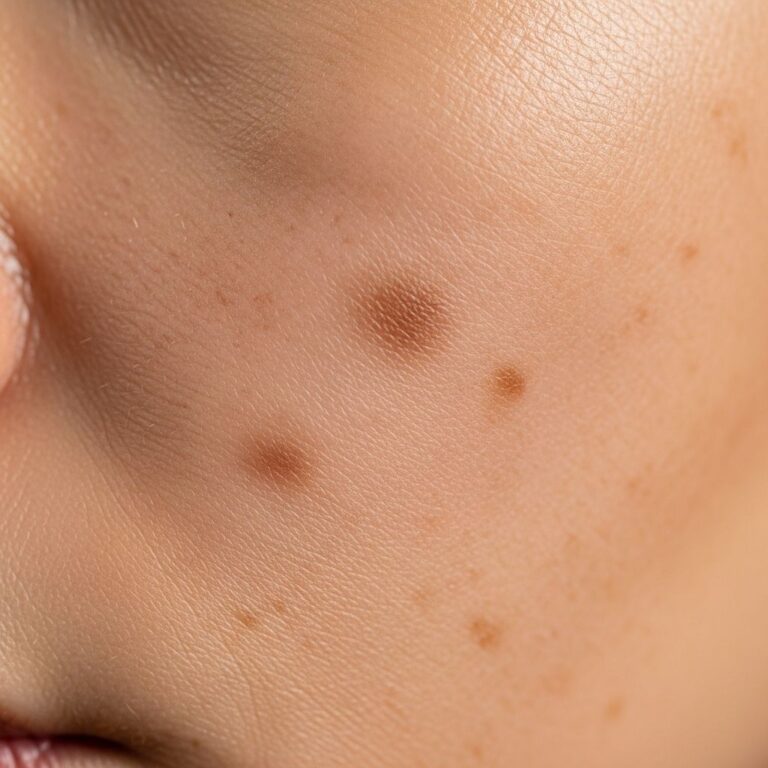
Actinic Keratosis: Understanding Precancerous Skin Lesions
Learn about precancerous skin lesions caused by sun exposure and how to manage them effectively.
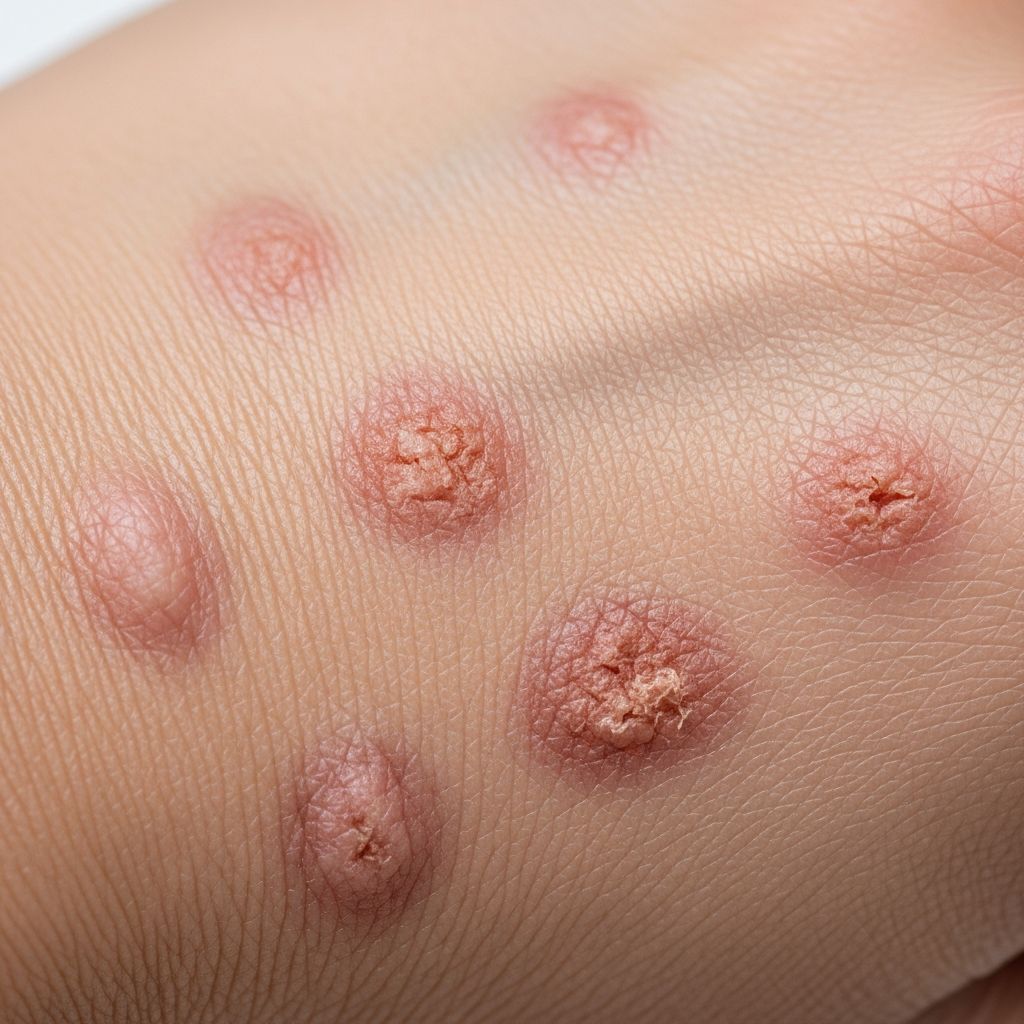
Actinic keratosis, commonly referred to as solar keratosis, represents one of the most prevalent precancerous skin conditions affecting millions of individuals worldwide. This condition develops as a direct consequence of cumulative sun exposure over many years, manifesting as abnormal growths on the outermost layer of skin. Understanding the characteristics, potential risks, and management strategies for actinic keratosis is essential for maintaining skin health and preventing progression to more serious malignancies.
More than 40 million Americans experience actinic keratosis annually, making it a significant public health concern. While the condition itself is not immediately life-threatening, the underlying risk of transformation into squamous cell carcinoma necessitates prompt identification and appropriate medical intervention.
What Causes Actinic Keratosis to Develop
The fundamental mechanism behind actinic keratosis development involves prolonged exposure to ultraviolet radiation from the sun. This chronic UV exposure triggers excessive multiplication of keratinocytes, which are the primary cells comprising the epidermis—the skin’s outermost protective layer. Beyond simple cell proliferation, these keratinocytes undergo significant alterations, becoming atypical and departing from their normal characteristics. This process results in localized skin lesions that appear thick, rough, and scaly.
The damage from UV radiation is not confined to the visible lesion itself. Often, the surrounding skin region also exhibits evidence of sun damage, displaying a yellowish discoloration, scattered spots, or diminished blood vessels. Dermatologists refer to this broader area of damaged skin as the “field of cancerization,” indicating that microscopic abnormalities extend beyond what is immediately visible to the naked eye. Certain factors increase susceptibility to developing actinic keratosis, including advanced age, fair skin complexion, occupational sun exposure, immunosuppression, and previous severe sunburns.
Recognizing the Physical Characteristics and Symptoms
Identifying actinic keratosis requires familiarity with its diverse clinical presentations. The lesions typically appear as rough, dry, or scaly patches, usually measuring less than one inch in diameter. Early-stage lesions can be remarkably subtle, often easier to feel than to see when running your fingers across the affected area. As actinic keratosis progresses, the texture becomes increasingly pronounced, resembling fine sandpaper to the touch.
One of the distinctive features of actinic keratosis is its highly variable appearance. Lesions can present as individual isolated growths or cluster together in sun-exposed regions. The color spectrum is particularly diverse, ranging from yellowish and gray to pink, red, brown, or white. Some lesions may be indistinguishable from the surrounding healthy skin in terms of color. The surface characteristics similarly vary, with some appearing flat and flaky, others developing a raised, bumpy texture, and still others forming hard, horn-like protrusions with a conical appearance.
Common Physical Features
- Rough, dry, or scaly patches typically less than 2.5 centimeters in diameter
- Flat to slightly raised papules or plaques on the skin surface
- Gradually developing hard, wartlike texture with progression
- Multiple colors including pink, red, brown, tan, yellow, or skin-toned lesions
- Clusters of lesions in heavily sun-exposed locations
- Surrounding skin often displaying yellowish discoloration or minor vascular changes
Symptomatic Experiences and Associated Sensations
While many individuals with actinic keratosis experience no symptoms beyond the visible or tactile skin changes, some lesions generate discomfort or functional concerns. Commonly reported sensations include itching and burning sensations that may become more pronounced with sun exposure or friction from clothing. Some patients describe a tender, sensitive quality when the affected area is touched or manipulated.
Related Stories



In certain cases, actinic keratosis lesions may bleed spontaneously or with minor trauma, and crusting or scab formation can occur. When lesions develop on the lips—a condition called actinic cheilitis—patients frequently report persistent dryness, scaling that does not respond to lip balms, and progressive loss of color definition. Any bleeding, persistent tenderness, or significant enlargement of an actinic keratosis warrants immediate medical evaluation, as these features may indicate transformation toward squamous cell carcinoma.
Anatomical Distribution and High-Risk Body Areas
Actinic keratosis lesions develop exclusively on sun-exposed skin surfaces, with particular concentration in areas receiving intense and prolonged UV exposure. The face represents the most common site of involvement, including the nose, cheeks, and forehead. The ears, particularly the upper helical rim and posterior auricle, frequently develop multiple lesions due to their constant sun exposure and limited protection from casual sun protection measures.
The scalp, especially in individuals with hair loss or thinning, becomes increasingly vulnerable to actinic keratosis development. The dorsal surfaces of the hands and forearms accumulate significant lesions due to their exposure during daily activities and driving. The lips, neck, and lower legs also represent common sites, with each of these areas accumulating substantial UV exposure throughout an individual’s lifetime. Less commonly, actinic keratosis may appear on the shoulders, chest, and other areas with chronic sun exposure.
Understanding Cancer Risk and Malignant Transformation
The clinical significance of actinic keratosis centers on its precancerous nature and potential for malignant transformation. The transformation risk varies depending on multiple factors. For a single isolated actinic keratosis lesion, the risk of evolving into squamous cell carcinoma is relatively low. However, when considering the population level and longer-term risk, individuals with more than ten actinic keratoses face an estimated 10 to 15 percent risk of developing squamous cell carcinoma at some point. Overall, untreated actinic keratoses carry a 5 to 10 percent risk of transformation into this skin cancer.
Certain clinical features suggest heightened malignant potential. Lesions that become increasingly tender, thickened, ulcerated, or rapidly enlarging should be viewed with greater concern and warrant prompt dermatological evaluation. These characteristics may indicate concurrent development of squamous cell carcinoma rather than simple actinic keratosis. Additionally, individuals with actinic keratosis carry increased risk for developing other sun-related skin cancers, including basal cell carcinoma, melanoma, and rarer malignancies such as Merkel cell carcinoma.
Prevention Strategies and Sun Protection Measures
Preventing actinic keratosis formation and reducing the likelihood of existing lesions worsening requires comprehensive sun protection strategies. Primary prevention focuses on minimizing cumulative UV exposure throughout life. This begins in childhood and continues throughout adulthood, as sun damage accumulates progressively over decades. Effective sun protection includes wearing broad-spectrum sunscreen with a sun protection factor of at least 30, applied generously and reapplied every two hours or after water exposure.
Physical barriers provide superior protection compared to sunscreen alone. Protective clothing, including long-sleeved shirts, long pants, and wide-brimmed hats, effectively blocks UV radiation from reaching vulnerable skin. Seeking shade during peak UV hours—typically between 10 a.m. and 4 p.m.—significantly reduces daily UV exposure. Individuals at higher risk should consider protective eyewear and neck gaiters or neck scarves for extended outdoor activities.
For those with existing actinic keratosis lesions, meticulous sun protection becomes particularly important. Continued sun exposure accelerates the development of additional lesions and increases the transformation risk of existing ones. Lifestyle modifications that reduce occupational sun exposure, such as seeking shade during breaks or repositioning work tasks, can meaningfully impact lesion progression.
When to Seek Professional Evaluation
Regular skin self-examination represents an important component of early detection. Individuals should examine their skin systematically every two months, paying particular attention to frequently exposed areas. Any new growth, changing lesion, or unusual skin feature warrants prompt evaluation by a dermatologist. Professional examination is essential whenever:
- New rough or scaly patches appear on sun-exposed skin
- Existing lesions become increasingly tender or painful
- Lesions begin bleeding with minor trauma or spontaneously
- Rapid enlargement occurs over weeks to months
- Surface characteristics change, becoming more hardened or ulcerated
- Surrounding skin develops redness or swelling
- Uncertainty exists about whether a lesion represents actinic keratosis
Early professional diagnosis and appropriate treatment substantially improve outcomes and increase the likelihood of successfully preventing malignant transformation. Dermatologists can distinguish actinic keratosis from other skin conditions and assess individual lesions for concerning features suggesting more advanced disease.
Treatment Options and Removal Methods
Multiple evidence-based approaches exist for managing actinic keratosis, with treatment selection depending on factors including lesion number, severity, location, patient preference, and previous treatment responses. When diagnosed promptly, nearly all actinic keratoses respond successfully to appropriate intervention, preventing progression to skin cancer.
Dermatologists may employ destructive treatments that remove lesions directly, including cryotherapy (freezing with liquid nitrogen), laser therapy, and chemical peels. Topical pharmacological treatments such as 5-fluorouracil and imiquimod work by promoting immune response or directly damaging abnormal cells. For patients with multiple lesions or field cancerization extending across broader skin areas, field-directed therapies address both visible lesions and surrounding microscopic abnormalities more effectively than targeted approaches alone.
The choice between treatment modalities depends on clinical presentation, patient tolerance, and practical considerations. Discussing treatment options with a dermatologist allows for individualized management plans addressing specific clinical circumstances and patient preferences.
Important Frequently Asked Questions
Q: Does actinic keratosis always transform into skin cancer?
A: No, not all actinic keratosis lesions become cancerous. However, they represent precancerous lesions with potential for malignant transformation, particularly when multiple lesions are present or specific concerning features develop. Early detection and treatment significantly reduce cancer risk.
Q: Can actinic keratosis disappear without treatment?
A: While some lesions may temporarily improve with aggressive sun protection and skin healing, most actinic keratosis lesions persist and often worsen without specific treatment. Professional intervention provides the most reliable approach to complete lesion resolution.
Q: Is actinic keratosis contagious?
A: No, actinic keratosis is not contagious. It results from individual sun damage to skin cells and cannot spread to other people through contact or environmental exposure.
Q: At what age do people typically develop actinic keratosis?
A: Actinic keratosis typically first appears in individuals over 40 years old, reflecting decades of cumulative sun exposure. However, those with significant occupational sun exposure or frequent recreational sun exposure may develop lesions at younger ages.
Q: Can actinic keratosis recur after treatment?
A: While treated lesions should resolve completely, the underlying sun damage to skin cells persists. This means new actinic keratosis lesions may develop in previously unaffected sun-exposed areas. Continued sun protection minimizes recurrence risk.
Living with Actinic Keratosis: Management and Monitoring
Successfully managing actinic keratosis involves ongoing vigilance and consistent sun protection practices. After professional treatment removes existing lesions, establishing regular dermatological follow-up appointments ensures early detection of any new growths. Patients should continue systematic self-examination, remaining alert for any skin changes requiring professional evaluation.
Integrating sun protection into daily routines becomes increasingly important for those with actinic keratosis. This includes habitual application of broad-spectrum sunscreen, wearing protective clothing during extended outdoor activities, and scheduling appointments during seasons with lower UV intensity when possible. Many individuals find that combining these preventive measures with professional surveillance provides reassurance and optimal protection against progression.
References
- Actinic Keratosis: Symptoms & Causes — Mayo Clinic. 2024. https://www.mayoclinic.org/diseases-conditions/actinic-keratosis/symptoms-causes/syc-20354969
- Actinic Keratosis: What It Is, Symptoms, Causes & Treatment — Cleveland Clinic. 2024. https://my.clevelandclinic.org/health/diseases/14148-actinic-keratosis
- Actinic Keratosis | Cedars-Sinai — Cedars-Sinai Medical Center. 2024. https://www.cedars-sinai.org/health-library/diseases-and-conditions/a/actinic-keratosis.html
- Actinic Keratoses: Signs & Symptoms — Almirall Pharmaceuticals. 2024. https://www.almirall.com/your-health/your-skin/skin-conditions/actinic-keratosis/signs-symptoms
- Actinic Keratoses (Solar Keratosis): Diagnosis and Treatment — DermNet New Zealand. 2024. https://dermnetnz.org/topics/actinic-keratosis
Similar Articles








Read full bio of Sneha Tete