Actinomycosis: Causes, Symptoms, Diagnosis & Treatment
Complete guide to actinomycosis: Understanding bacterial infection, diagnosis methods, and long-term antibiotic treatment options.
Understanding Actinomycosis: A Comprehensive Guide
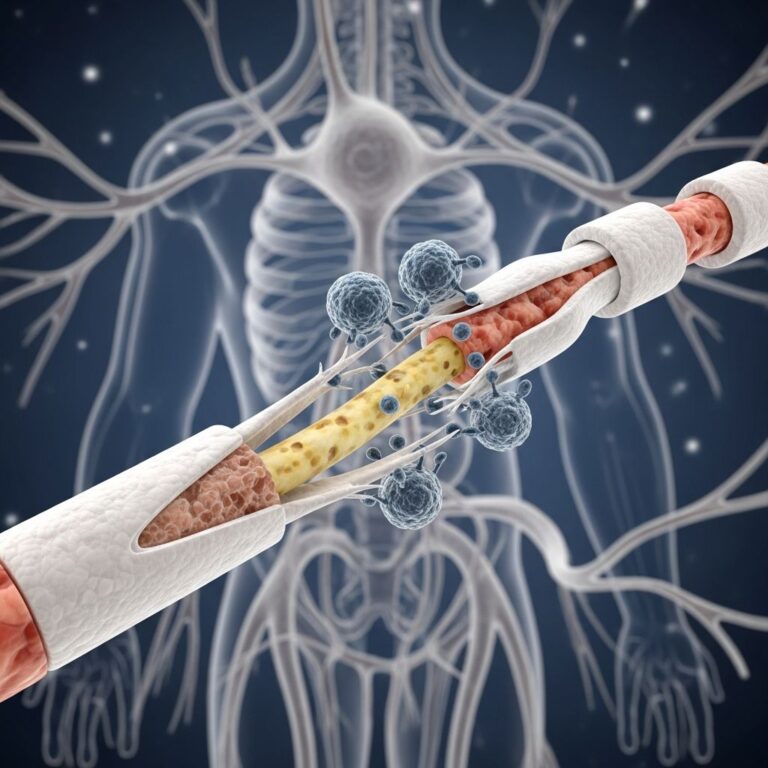
Actinomycosis is a rare, chronic bacterial infection caused by gram-positive filamentous organisms, primarily species of Actinomyces, with Actinomyces israelii being the most common causative agent. This condition represents a significant diagnostic challenge due to its misleading clinical presentations and variable manifestations across different body sites. The infection typically causes pus-filled wounds that slowly spread to nearby tissue, most commonly affecting the face and mouth region. Understanding the nature, causes, and treatment of actinomycosis is essential for healthcare providers and patients alike, as early recognition and appropriate management can dramatically improve outcomes and prevent serious complications.
What Causes Actinomycosis?
Actinomycosis develops when Actinomyces bacteria, which are part of the normal flora found in the human mouth, teeth, and gastrointestinal tract, gain access to deeper tissues through breaks in the mucous membranes or following trauma. These anaerobic or microaerophilic organisms are normally harmless, but when they enter sterile body sites, they can trigger a chronic infection. Several factors and situations increase the risk of developing actinomycosis:
Risk Factors and Common Sites of Infection
Orocervicofacial actinomycosis, the most prevalent form, typically develops in patients with poor oral hygiene and compromised dentition. This form accounts for the majority of cases and often follows dental procedures, extractions, or oral trauma. Thoracic actinomycosis develops following aspiration of oropharyngeal secretions or gastric content, particularly in patients with swallowing difficulties or those prone to aspiration. Abdominal actinomycosis frequently occurs after abdominal surgery, gastrointestinal perforation, or appendicitis. Pelvic actinomycosis is notably associated with the presence of intrauterine contraceptive devices (IUDs), though this form is less common than other manifestations.
Recognizing Symptoms of Actinomycosis
Actinomycosis presents with diverse clinical manifestations that vary depending on the affected body site, making diagnosis particularly challenging. The infection typically follows a chronic, indolent course with gradual progression over weeks to months. Patients often present with low-grade systemic symptoms accompanied by localized findings that may resemble other serious conditions, including malignancy or tuberculosis.
Characteristic Clinical Features
The classic presentation includes the formation of local abscesses with multiple draining sinuses that discharge characteristic material. Patients often experience swelling, pain, and inflammation in the affected region. In orocervicofacial cases, patients may notice lumps, swelling around the jaw and neck area, and purulent drainage. Thoracic involvement may present with a tuberculosis-like pneumonitis, including persistent cough, fever, and chest discomfort. Abdominal actinomycosis can produce abdominal pain, swelling, and drainage through the skin. Many patients experience constitutional symptoms including fever, fatigue, and weight loss. The gradual nature of symptom development often leads to delayed diagnosis, as patients may not seek medical attention until the infection becomes advanced or causes significant tissue damage.
Diagnosis of Actinomycosis
Accurate diagnosis of actinomycosis requires a combination of clinical assessment, imaging studies, and laboratory confirmation. Because the condition is uncommon and presents with nonspecific features, it is frequently misdiagnosed initially, with patients undergoing unnecessary investigations for suspected malignancy or other chronic infections.
Diagnostic Procedures
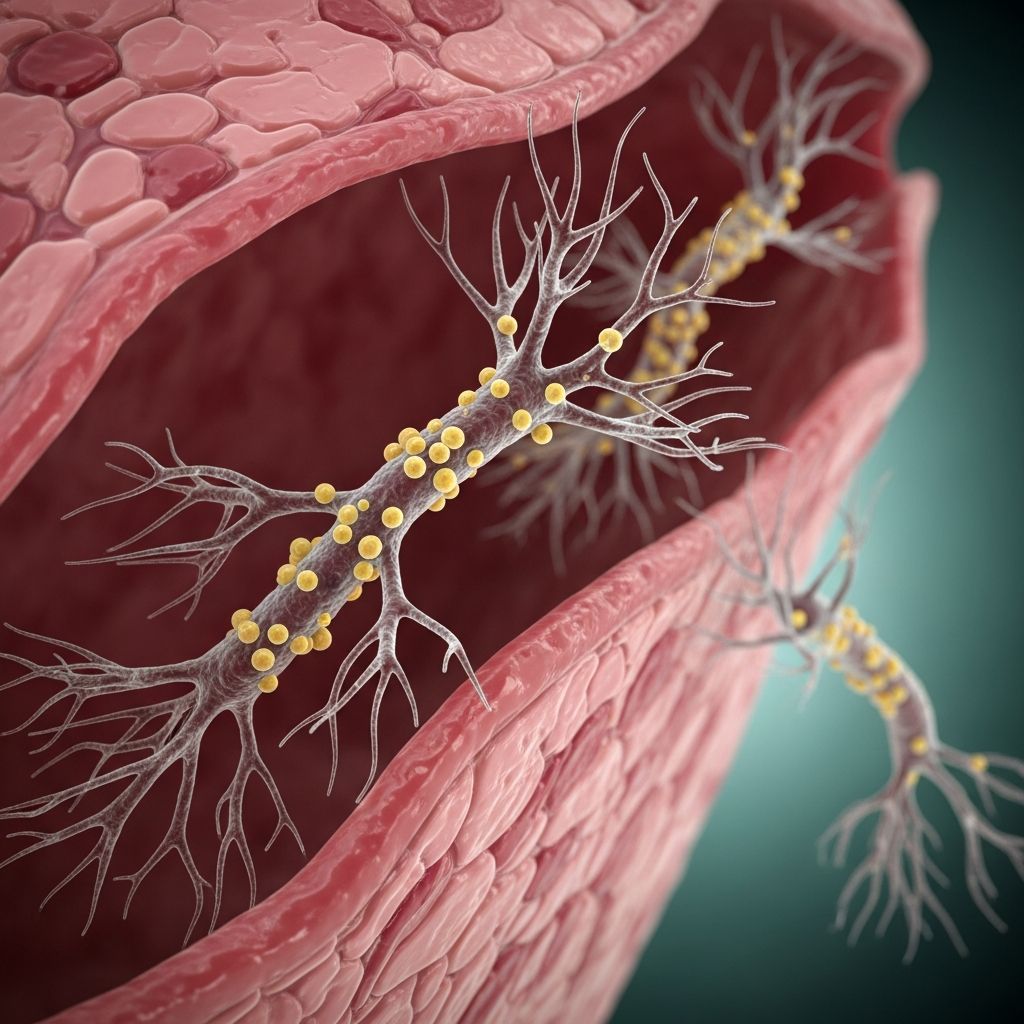
Surgical biopsy remains necessary for definitive diagnosis in approximately 71% of cases. This procedure allows for both histological examination and microbiological culture of the causative organism. Histological examination reveals the pathognomonic sulfur granules, which are basophilic structures with an eosinophilic periphery, surrounded by granulomatous inflammatory infiltrate. These granules, despite their name, do not contain sulfur but consist of bacterial colonies surrounded by inflammatory material.
Related Stories



Microbiological identification involves culturing the organism from biopsied tissue. Actinomyces species grow as glossy, white colonies on enriched, anaerobic culture media within 4 days. Culture of the organism serves as the gold standard for identification. The incubation period needed to recover bacteria typically ranges from 3 days to 3 weeks. In multicenter studies, genus identification of Actinomyces was achieved in approximately 57% of cases, while species-level identification was obtained in about 32% of confirmed cases.
Molecular methods and specialized staining techniques enhance the diagnostic yield. Direct microscopic evaluation using appropriate stains and culture techniques provides additional diagnostic confirmation. Raising the awareness of histologists and microbiologists about the possibility of actinomycosis significantly enhances diagnostic accuracy, as the organisms may be missed on routine culture if specific anaerobic techniques are not employed.
Differential Diagnosis Considerations
The misleading clinical presentations of actinomycosis frequently result in confusion with other serious conditions. Orocervicofacial forms may be mistaken for malignancy, osteomyelitis, or other chronic infections. Thoracic presentations can mimic tuberculosis or fungal infections. Abdominal manifestations may be confused with inflammatory bowel disease, appendicitis, or intra-abdominal malignancy. Coinfection with other organisms occurs in approximately 46% of actinomycosis cases, further complicating the clinical picture and potentially leading to delayed or missed diagnosis of the underlying actinomycosis.
Treatment of Actinomycosis
Actinomycosis responds well to antibiotic therapy when diagnosed and treated appropriately. The bacteria are susceptible to most beta-lactam agents, making penicillin-based regimens the cornerstone of treatment. However, the success of therapy depends on early recognition, appropriate antibiotic selection, adequate dosing, and sustained treatment for an extended duration.
Antibiotic Regimens
High-dose penicillin represents the mainstay of actinomycosis treatment. Most patients receive initial intravenous therapy with penicillin G at doses of 3 to 5 million units administered intravenously every 6 hours. After 2 to 6 weeks of intravenous therapy, patients typically transition to oral penicillin V, taking 1 gram orally four times daily to complete the full course of treatment. In multicenter studies, approximately two-thirds of patients were treated with amoxicillin as the primary antibiotic agent.
Alternative antibiotics for patients with penicillin allergy or intolerance include minocycline, clindamycin, and erythromycin, which have demonstrated clinical success in treating actinomycosis. Antibiotic susceptibility testing is recommended, as it helps guide therapy and determine the most appropriate agent. Antibiotic regimens may be broadened to cover other organisms cultured from lesions, particularly in cases of coinfection. Almost all Actinomyces strains demonstrate susceptibility to amoxicillin, rifampicin, clindamycin, and cotrimoxazole.
Treatment Duration and Dosing
The duration of antibiotic treatment is significantly longer than that required for most bacterial infections. Patients must continue antibiotics for a minimum of 8 weeks, though treatment often extends to 6 months or longer, with some cases requiring therapy for up to 1 year. In multicenter analyses, the median duration of antibiotic treatment was 120 days, with variations based on the type of actinomycosis: abdominal and pelvic forms averaged 90 days, orocervicofacial forms required 180 days, and cardiothoracic forms necessitated 150 days of treatment.
The prolonged treatment duration is necessary because of the extensive tissue induration and relatively avascular nature of the lesions, which impairs drug penetration. Additionally, relapses can occur if antibiotic therapy is discontinued prematurely, necessitating careful adherence to the prescribed regimen. Patients must understand the importance of completing the full course of antibiotics even after symptoms resolve, as premature discontinuation risks relapse and spread of infection.
Surgical Intervention
Depending on disease severity, surgical excision or debridement of infected tissue may be indicated. Surgery to drain abscesses and excise fistulas may be necessary, particularly when antibiotic therapy alone proves insufficient or when significant tissue destruction has occurred. Thorough evaluation of infection severity and patient risk factors guides decisions regarding surgical intervention. Surgical debridement may be needed to remove dead tissue and promote healing alongside antibiotic therapy.
Prognosis and Prevention
The prognosis of actinomycosis depends significantly on the timing of diagnosis and initiation of appropriate treatment. When diagnosed early and treated appropriately, the cure rate is excellent with mortality ranging from 0% to 28% depending on the site of infection. However, delays in diagnosis can lead to increased morbidity and mortality, as the infection continues to spread and damages surrounding tissues.
Prevention Strategies
Preventing cervicofacial actinomycosis, the most common form, involves maintaining excellent dental health practices. Key preventive measures include regular dental check-ups, proper oral hygiene with consistent brushing and flossing, prompt treatment of dental disease, and careful management of any dental procedures to minimize trauma. For patients with IUDs, regular gynecological monitoring and awareness of pelvic actinomycosis risk factors are important. Other forms of actinomycosis are difficult to prevent but remain uncommon, as they typically result from specific anatomical compromises or trauma.
Living with Actinomycosis
Patients diagnosed with actinomycosis can expect a lengthy treatment course requiring patience, adherence, and regular medical follow-up. Maintaining compliance with antibiotic regimens is critical, as skipping doses or stopping treatment prematurely can allow the infection to progress or recur. Patients should attend all scheduled follow-up appointments to allow healthcare providers to monitor treatment effectiveness and adjust therapy as needed. Close attention to symptoms is essential, and any worsening of symptoms should be reported immediately to the healthcare provider. With early diagnosis, appropriate antibiotic therapy, and patient compliance, actinomycosis can be completely cured, though the treatment course extends significantly longer than typical bacterial infections.
Frequently Asked Questions About Actinomycosis
Q: How long does actinomycosis treatment typically last?
A: Treatment duration varies by infection site but typically ranges from 8 weeks to 1 year. Orocervicofacial forms often require 6 months of antibiotics, while abdominal forms may require 3 months. The median treatment duration across all forms is approximately 120 days.
Q: Can actinomycosis be prevented?
A: The most common form, cervicofacial actinomycosis, can be prevented through excellent dental hygiene, regular dental care, and prompt treatment of dental disease. Other forms are difficult to prevent but remain uncommon.
Q: What happens if actinomycosis is left untreated?
A: Untreated actinomycosis continues to progress, causing increasing tissue damage, spread to adjacent structures, and potentially life-threatening complications. Delayed diagnosis is associated with mortality rates up to 28% depending on the infection site.
Q: Is actinomycosis contagious?
A: No, actinomycosis is not contagious. The bacteria are part of normal human flora and cause infection only when they invade sterile tissues following trauma or other predisposing conditions.
Q: What should I do if my symptoms return after completing treatment?
A: Contact your healthcare provider immediately, as symptom recurrence may indicate relapse of the infection. Do not restart treatment without medical guidance, as proper diagnosis and evaluation are necessary.
Q: Can actinomycosis be cured?
A: Yes, actinomycosis can be completely cured with appropriate antibiotic therapy and, when necessary, surgical intervention. Early diagnosis and treatment provide the best outcomes for complete resolution.
References
- Clinical features of actinomycosis: A retrospective, multicenter study — National Center for Biotechnology Information (NCBI). 2016. https://pmc.ncbi.nlm.nih.gov/articles/PMC4998488/
- Actinomycosis – Infectious Diseases — MSD Manuals Professional Version. 2025. https://www.msdmanuals.com/professional/infectious-diseases/anaerobic-bacteria/actinomycosis
- Actinomycosis: Causes, Symptoms, Diagnosis & Treatment — Cleveland Clinic. 2024. https://my.clevelandclinic.org/health/diseases/24981-actinomycosis
- Treating Rare Fungal Infections: Actinomycosis — HMP Global Learning Network. 2024. https://www.hmpgloballearningnetwork.com/site/thederm/site/cathlab/event/treating-rare-fungal-infections-actinomycosis
Similar Articles








Read full bio of medha deb