Activities to Sharpen Your Eye-Hand Coordination
Master everyday skills and stay independent with proven exercises to improve hand-eye coordination.
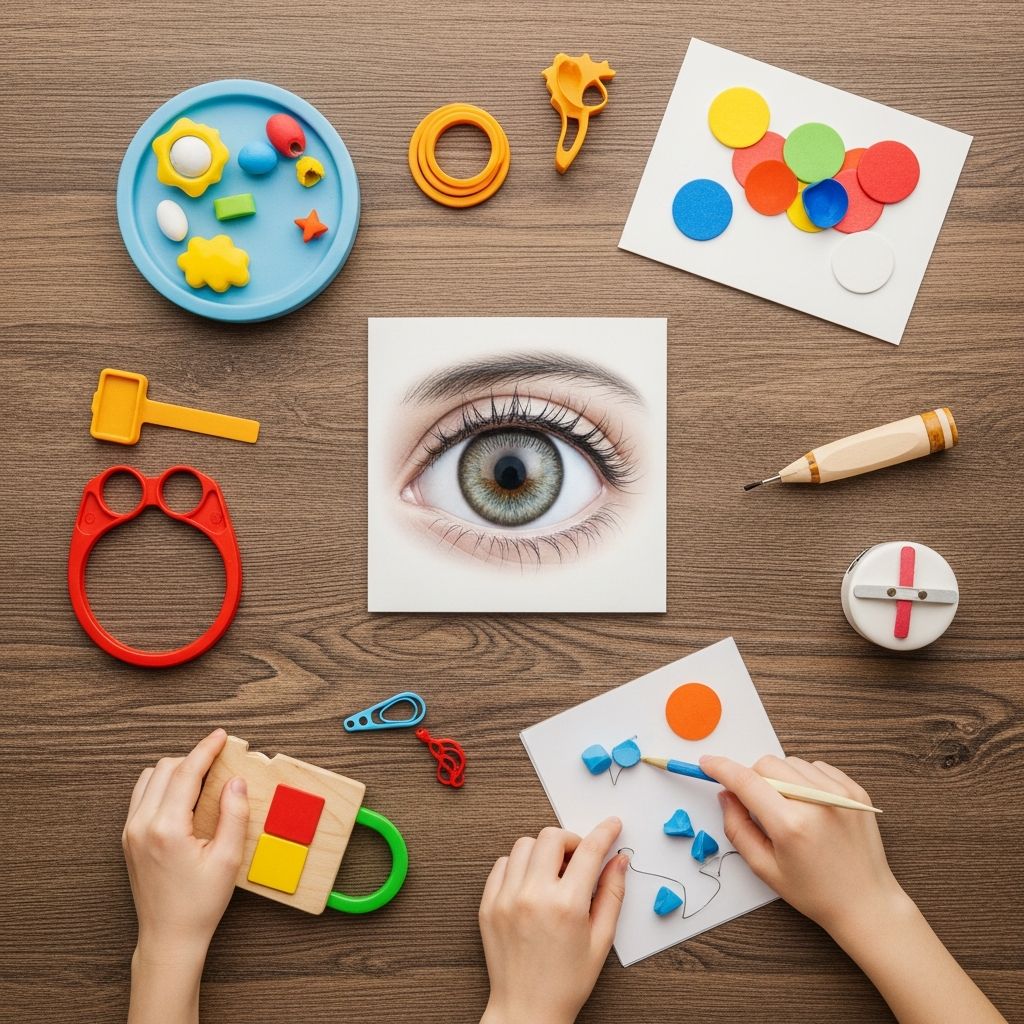
Understanding Hand-Eye Coordination
Hand-eye coordination is the remarkable ability of your hands and eyes to work in seamless synchronization. This skill involves your eyes capturing visual information, your brain processing that information, and your hands executing precise movements in response. From the moment you wake up and brush your teeth to the time you drive home from work, hand-eye coordination plays an essential role in virtually every activity you perform.
This neurological coordination between your eyes, brain, and hands is fundamental to independence and quality of life. Whether you’re cooking a meal, gardening, tying your shoes, or opening a door, you rely on the intricate communication between your visual system and motor control. As we age, eye-hand coordination can gradually weaken due to cognitive decline and reduced physical activity, potentially compromising our independence and increasing the risk of falls and injuries.
The good news is that hand-eye coordination is a skill that can be maintained and improved through targeted activities and consistent practice. By understanding what hand-eye coordination is and why it matters, you can take proactive steps to preserve this vital ability throughout your lifetime.
Why Hand-Eye Coordination Matters
Hand-eye coordination is not merely a skill for athletes or video game enthusiasts—it’s a fundamental component of daily living that affects your safety, independence, and quality of life. Strong hand-eye coordination provides numerous benefits that extend far beyond sports or recreational activities.
Reduced Risk of Falls and Injuries
One of the most significant benefits of maintaining good hand-eye coordination is a reduced risk of falls and injuries. When your hands and eyes work together efficiently, you become less clumsy and develop quicker reaction times. This enhanced responsiveness allows you to catch yourself before falling, navigate obstacles more easily, and avoid accidents that could compromise your health and independence.
Improved Performance in Daily Tasks
Good hand-eye coordination enhances your ability to perform routine activities with precision and confidence. Tasks like cooking, writing, driving, and personal grooming all depend on the smooth coordination between visual input and hand movements. When this coordination is sharp, you complete these tasks more efficiently and with fewer mistakes.
Enhanced Social and Cognitive Development in Children
For children, hand-eye coordination is particularly important for development. Research shows that children with better hand-eye coordination interact more effectively with their parents and develop stronger communication and social skills. Additionally, good eye-hand coordination supports the development of both fine motor skills—which involve small hand and finger movements—and gross motor skills, which involve larger arm and leg movements.
Maintained Independence as You Age
Perhaps most importantly, preserving hand-eye coordination helps maintain independence as you age. By staying physically active and engaging in coordination-enhancing activities, you can prevent or delay the cognitive and physical decline that typically accompanies aging, allowing you to continue living independently and enjoying the activities you love.
Related Stories



Everyday Activities That Enhance Hand-Eye Coordination
You don’t need specialized equipment or expensive gym memberships to improve hand-eye coordination. Many everyday activities naturally develop and strengthen this skill while providing other health benefits.
Cooking and Meal Preparation
When you prepare food, your eyes continuously guide your hands to chop vegetables, stir sauces, and plate meals with accuracy. This real-world application of hand-eye coordination helps you avoid accidents and spills while developing muscle memory for precise hand movements. The combination of visual focus and fine motor control makes cooking an excellent coordination-building activity.
Writing and Typing
Writing requires precise visual-motor control to guide your hand in forming letters with appropriate size and spacing. Similarly, typing involves quickly locating and pressing keys based on visual input from the keyboard and screen. Both activities strengthen the neural pathways connecting your visual system to your motor control centers.
Drawing, Painting, and Coloring
These creative activities demand sustained visual attention and precise hand control. Whether you’re sketching a landscape, painting a canvas, or coloring intricate designs, you’re constantly adjusting your hand movements based on visual feedback. This real-time coordination practice builds both fine motor skills and visual tracking ability.
Gardening
Gardening combines multiple coordination challenges—pruning plants, planting seeds, weeding, and watering all require your hands and eyes to work together. The varying terrain and plant textures provide diverse stimuli that keep your coordination skills sharp.
Driving a Car
Drivers constantly rely on hand-eye coordination to steer, adjust speed, and avoid obstacles. This activity demands continuous feedback from their surroundings and rapid adjustments to hand and foot positions. The complexity and constant stimulation make driving an intense coordination workout for your nervous system.
Sports and Physical Activities for Coordination Development
Athletic pursuits offer some of the most effective ways to develop and maintain hand-eye coordination. These activities combine visual tracking with rapid physical responses, challenging your coordination in dynamic ways.
Racquet Sports
Tennis, badminton, pickleball, and racquetball require intense hand-eye coordination as you track a moving ball and execute precise strokes. These low-impact activities strengthen depth perception, enhance peripheral vision, and build motor memory—all essential components of hand-eye coordination. The unpredictability of ball movement forces your brain to constantly adapt and recalibrate your movements.
Swimming
Swimming presents a unique coordination challenge because you often use your arms and hands outside your field of vision. Your brain must rely on proprioception and spatial awareness to guide your movements, forcing your mind’s eye to become more active and engaged. This mental visualization combined with physical movement significantly enhances coordination.
Volleyball
Volleyball demands rapid hand-eye coordination as players set, spike, and pass a ball that moves unpredictably through the air. The sport requires players to judge depth and distance quickly while executing precise hand movements.
Basketball
Basketball combines running, jumping, and precise hand movements. Players must track a moving ball, anticipate its path, and execute accurate passes or shots—all while moving and sometimes being defended. This complexity makes basketball an excellent coordination builder.
Tai Chi
This ancient practice of balance exercises, slow movements, and meditation enhances hand-eye coordination in a gentle way. Research indicates that practicing Tai Chi can improve hand-eye coordination by as much as 20% after just three months of regular practice.
Specific Exercises to Sharpen Your Coordination
Beyond sports and everyday activities, you can perform targeted exercises specifically designed to develop hand-eye coordination. These exercises range from simple games to more structured therapeutic techniques.
Playing Catch
Playing catch with a partner is simple yet remarkably effective for sharpening hand-eye coordination. This activity requires continuous visual focus, tracking the ball’s trajectory, and adjusting hand movements based on its position and speed. It reinforces rhythm, timing, and concentration, making it effective for both children and adults.
Wall Bounce Drill
Throwing a ball against a wall or performing standing ball toss exercises provides excellent coordination practice. The unpredictable bounce forces you to anticipate the ball’s path and react quickly, challenging both your visual tracking and hand reflexes.
Juggling
Juggling requires managing multiple tasks simultaneously—tracking multiple objects, timing throws and catches, and maintaining spatial awareness. This complex activity improves reflexes, reaction time, and spatial awareness while building coordination throughout your body.
Puzzle Solving
While puzzle solving may seem more mental than physical, it significantly improves hand-eye coordination by forcing you to recognize patterns, maintain focus, and strategize. The physical act of manipulating puzzle pieces while tracking their positions relative to the overall image strengthens coordination.
Darts
Throwing darts requires sensory input, cognitive skills, and motor skills. The continuous targeted throwing develops precision and visual focusing ability as you aim for specific targets on the dartboard.
Video Games
While you might not expect it, playing video games does improve hand-eye coordination. Video games enhance sensorimotor learning—the ability to use your senses and motor movement to interact with your environment. The real-time feedback and rapid response requirements make gaming an effective coordination trainer.
Sewing and Knitting
These fine motor activities strengthen hand-eye coordination through enhanced pattern recognition, focused attention, and precise hand control. Threading needles, making stitches, and managing yarn all require sustained visual attention and delicate hand movements.
Therapeutic Coordination Techniques
If you’re working to recover from an injury, managing a medical condition, or seeking professional guidance to improve coordination, therapeutic techniques offer structured approaches tailored to your specific needs.
Strength and Stability Exercises
Physiotherapists often incorporate weighted arm exercises using light weights or resistance bands to build shoulder and arm stability. Core stability exercises like planks and sit-ups improve balance and support arm and hand movements by enhancing core control. Medicine ball throws combine core strength with coordination as clients must accurately track and control the ball’s movement.
Fine Motor Control Development
Pinching and grasping exercises using objects of varying textures and sizes refine hand control. Hand strengtheners, therapy putty, and stress balls improve grip strength and finger dexterity. Bead threading activities build hand steadiness, focus, and accuracy in response to visual stimuli.
Reaction and Speed Drills
Ball drop catch exercises, where a therapist drops a ball and you must catch it quickly, require rapid anticipation and response. Hand tapping drills challenge you to respond to visual cues by tapping targets as quickly as possible. Target hitting with a soft mallet or dowel, similar to whack-a-mole, requires both accuracy and speed.
Visual Tracking Activities
Maze tracing with a stylus or pointer improves steadiness and accuracy while following visual cues. Paddle ball exercises challenge you to sustain focus and adjust hand movements based on the ball’s direction.
Dual-Task Coordination
Combining coordination tasks with cognitive challenges—such as tossing a ball while answering questions or identifying colors—engages both motor and cognitive skills. Balance and reach exercises, where you stand on one leg or a balance pad while reaching for targets at various heights, combine balance with hand-eye coordination.
Occupational Therapy Approaches
Occupational therapists design personalized interventions focused on real-world function. Functional task practice involves activities that mimic daily life, such as preparing meals or organizing items. Adaptive tool training uses weighted utensils, grip aids, and ergonomic devices to support coordination practice while building confidence. Visual-motor integration drills use visual aids and exercises requiring participants to match visual cues with physical responses, building coordination gradually.
Age-Specific Coordination Development
Hand-eye coordination development varies across the lifespan. Young children benefit from simple activities like building blocks and shape sorters that develop basic coordination. School-age children thrive with sports and games that progressively challenge their skills. Adults can maintain and improve coordination through varied activities and sports. Older adults benefit particularly from low-impact activities like Tai Chi, swimming, and racquet sports that preserve coordination while protecting joints.
Frequently Asked Questions
Q: At what age does hand-eye coordination typically decline?
A: Hand-eye coordination can begin to decline gradually in older age due to cognitive decline and reduced physical activity. However, regular exercise and targeted activities can significantly slow or prevent this decline, helping you maintain coordination throughout your life.
Q: How long does it take to improve hand-eye coordination?
A: Improvement timelines vary based on your starting point and activity frequency. Some studies suggest that regular practice like Tai Chi can produce noticeable improvements within three months. Consistent engagement in coordination-enhancing activities typically shows benefits within weeks.
Q: Are there conditions that affect hand-eye coordination?
A: Yes, certain medical conditions, injuries, vision problems, and neurological disorders can affect hand-eye coordination. If you experience significant coordination difficulties, consult with a healthcare provider or occupational therapist for personalized assessment and treatment.
Q: Can hand-eye coordination improve at any age?
A: Absolutely. The brain’s neuroplasticity allows coordination to improve at any age through consistent practice and targeted exercises. Whether you’re young or older, engaging in coordination-building activities benefits your skills and overall health.
Q: What are the best low-impact activities for older adults?
A: Excellent low-impact options include Tai Chi, swimming, racquet sports like pickleball and badminton, volleyball, and non-contact boxing. These activities develop coordination while being gentle on joints.
References
- Hand-Eye Coordination: Exercises and Therapy Techniques — Glowing Therapy. 2024. https://glowingtherapy.com.au/hand-eye-cordination/
- 10 Activities that Will Improve Hand-Eye Coordination — News4JAX. 2024-05-16. https://www.news4jax.com/features/2024/05/16/10-activities-that-will-improve-hand-eye-coordination/
- 5 Benefits Of Hand-Eye Coordination — Oscar Wylee. 2024. https://www.oscarwylee.com.au/glasses/eye/hand-eye-coordination-benefits
- Play Ball! Eye-Hand Coordination and Aging — OSU Live Healthy. 2022-05-12. https://u.osu.edu/livehealthyosu/2022/05/12/play-ball-eye-hand-coordination-and-aging/
Similar Articles








Read full bio of medha deb