Acupuncture and its role in treating skin disease
Exploring acupuncture's potential in managing inflammatory skin conditions through energy balance and inflammation reduction.
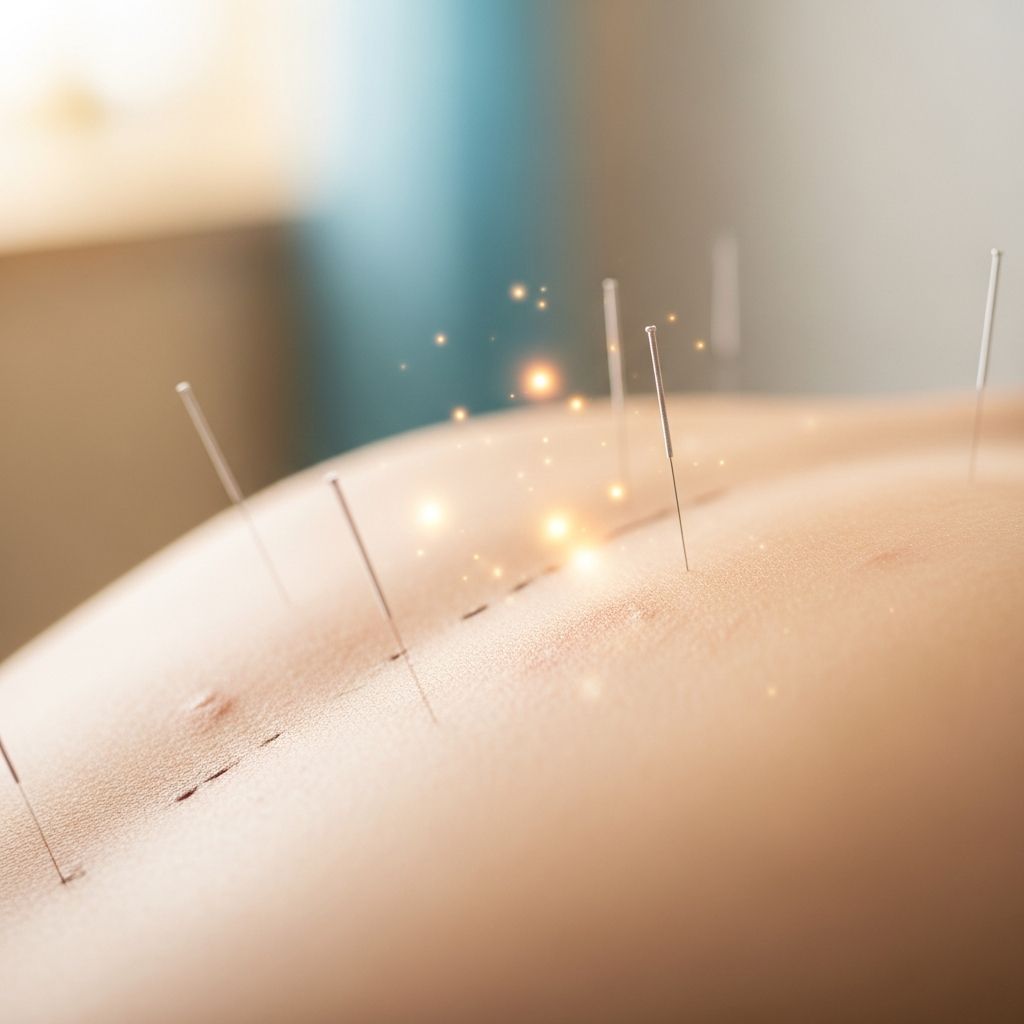
Acupuncture, a cornerstone of traditional Chinese medicine, involves inserting fine needles into specific body points to restore energy balance and alleviate various ailments, including inflammatory skin conditions.
Introduction
Acupuncture has gained recognition in Western medicine as a viable complementary therapy for dermatological issues. Originating in China approximately 2,000–3,000 years ago, it targets around 350 specific points along meridians—pathways believed to conduct qi (vital energy)—to unblock stagnation and promote healing. In dermatology, where many disorders stem from inflammation, acupuncture’s anti-inflammatory effects make it particularly relevant.
Unlike conventional treatments like topical steroids or immunosuppressants, acupuncture addresses both symptoms and underlying imbalances holistically. It is increasingly integrated into clinical practice, supported by expert experiences despite limited large-scale controlled trials. Primary sources, including peer-reviewed studies, highlight its role in conditions resistant to standard therapies.
How it works
The precise mechanisms of acupuncture remain under investigation, but several evidence-based theories explain its efficacy. One prominent hypothesis involves stimulation of the Raphe nuclei in the brainstem, which boosts serotonin production. This triggers a cascade leading to elevated glucocorticoids—natural anti-inflammatory hormones that modulate immune responses and reduce inflammation.
Additional mechanisms include:
- Neuroendocrine modulation: Activation of the hypothalamic-pituitary-adrenal axis enhances endorphin release, dampening pain and itch associated with skin diseases.
- Local microtrauma: Needle insertion promotes blood circulation, collagen production, and tissue repair, beneficial for acne scars or eczema.
- Immune regulation: Balances Th1/Th2 immune responses, crucial for autoimmune conditions like psoriasis.
Electrostimulation variants, like transcutaneous electrical nerve stimulation (TENS), mimic needle effects without insertion, offering alternatives for needle-phobic patients. Reflex therapies, such as foot reflexology, target corresponding skin zones indirectly. These align with Traditional Chinese Medicine (TCM) principles viewing skin issues as manifestations of internal disharmonies like lung heat or dampness.
What skin conditions is acupuncture used to treat?
Acupuncture treats a broad spectrum of dermatoses, particularly inflammatory and autoimmune ones. Key applications include:
- Acne vulgaris: Targets points like LI4, LI11, LU5 for whiteheads, inflammatory papules, and cysts; hormonal acne uses SP6, Ren4. Reduces stress-induced flares.
- Atopic dermatitis (eczema): Clears lung heat causing itch and redness; improves sleep and stress management to prevent flares. Effective even in steroid-withdrawal cases.
- Psoriasis: Balances immune overactivity; needling around plaques promotes qi flow. Stress reduction is key, as it’s a major trigger.
- Urticaria (hives): Relieves acute and chronic itching via anti-inflammatory pathways.
- Postherpetic neuralgia: Alleviates persistent pain after shingles; early intervention prevents chronicity.
Other uses encompass pruritus, alopecia areata, vitiligo, and neurodermatitis. For refractory cases, cutaneous needle acupuncture followed by cupping intensifies effects. TCM differentiates treatments by pattern: e.g., damp-heat for eczema requires clearing herbs alongside needles.
| Condition | Key Points | Effects |
|---|---|---|
| Acne (inflammatory) | LI11, LI4, ST36 | Reduce redness, drain pus |
| Eczema | LU5, SP10, GB20 | Clear heat, stop itch |
| Psoriasis | LI4, SP6, local ashi points | Balance immunity, promote circulation |
| Urticaria | LI11, SP10, UB17 | Disperse wind, relieve hives |
This table summarizes points from TCM protocols, adaptable per patient constitution.
Benefits and drawbacks
Benefits
Acupuncture offers distinct advantages:
- Holistic approach: Treats root causes like stress, hormones, and digestion alongside symptoms.
- Few systemic side effects: Non-pharmacological, ideal for patients intolerant to steroids or biologics.
- Improved quality of life: Enhances sleep, reduces anxiety—common eczema/psoriasis exacerbators.
- Cost-effective long-term: Fewer sessions may suffice for maintenance vs. daily topicals.
- Adjunctive value: Complements Western treatments, e.g., post-steroid withdrawal.
Related Stories



Drawbacks
Despite merits, limitations exist:
- Limited evidence: Few randomized controlled trials; relies on expert consensus and case series.
- Time-intensive: Requires 6–12 sessions for noticeable results.
- Operator-dependent: Efficacy varies with practitioner’s skill.
- Not curative: Manages flares but doesn’t eradicate chronic conditions like psoriasis.
- Access barriers: Availability and insurance coverage inconsistent.
Cutaneous adverse effects
Acupuncture is generally safe when performed by qualified practitioners using sterile needles. Rare skin reactions include:
- Infection: Abscesses or cellulitis from poor hygiene (extremely rare with standards).
- Needle-site issues: Hematoma, fainting, retained needles.
- Special variants: Bee venom acupuncture risks anaphylaxis, urticaria, granulomas. Herbal acupuncture may cause plant hypersensitivities; embedding leads to foreign body reactions.
Moxibustion (heat therapy) can cause burns or redness, sometimes mimicking abuse. Cupping produces temporary petechiae. Overall incidence is low; a PubMed review notes benefits outweigh risks for most dermatoses.
Frequently Asked Questions (FAQs)
Q: Is acupuncture painful?
A: Most patients feel minimal discomfort; needles are hair-thin, often inducing a dull ache or warmth rather than sharp pain.
Q: How many sessions for skin improvement?
A: Typically 8–12 weekly sessions, with maintenance monthly; varies by condition severity.
Q: Can it replace conventional treatments?
A: No, it’s complementary; consult dermatologists for integration.
Q: Is it safe for children with eczema?
A: Yes, with pediatric-adapted techniques; effective for atopic dermatitis.
Q: Does insurance cover acupuncture for skin issues?
A: Coverage varies; often partial for chronic conditions.
Conclusion
Acupuncture provides a promising, low-risk option for skin disease management, particularly inflammation-driven disorders. While more rigorous trials are needed, current evidence from primary sources supports its adjunctive role. Patients should seek licensed acupuncturists trained in dermatology.
References
- Acupuncture and its role in treating skin disease — DermNet NZ. 2023. https://dermnetnz.org/topics/acupuncture-and-its-role-in-treating-skin-disease
- Acupuncture for the Treatment of Skin Disorders — Acupuncture Continuing Education. 2023. https://acupuncturecontinuingeducation.com/acupuncture-for-the-treatment-of-skin-disorders-acupuncture-continuing-education/
- Acupuncture, electrostimulation, and reflex therapy in dermatology — PubMed (PubMed ID: 12919109). 2003-08-01. https://pubmed.ncbi.nlm.nih.gov/12919109/
- Moxibustion — DermNet NZ. 2023. https://dermnetnz.org/topics/moxibustion
- Cupping — DermNet NZ. 2023. https://dermnetnz.org/topics/cupping
Similar Articles








Read full bio of medha deb