Acupuncture for Menopause: Clinical Benefits and Research
NCCIH-funded research reveals acupuncture's significant role in reducing menopausal vasomotor symptoms and improving quality of life.
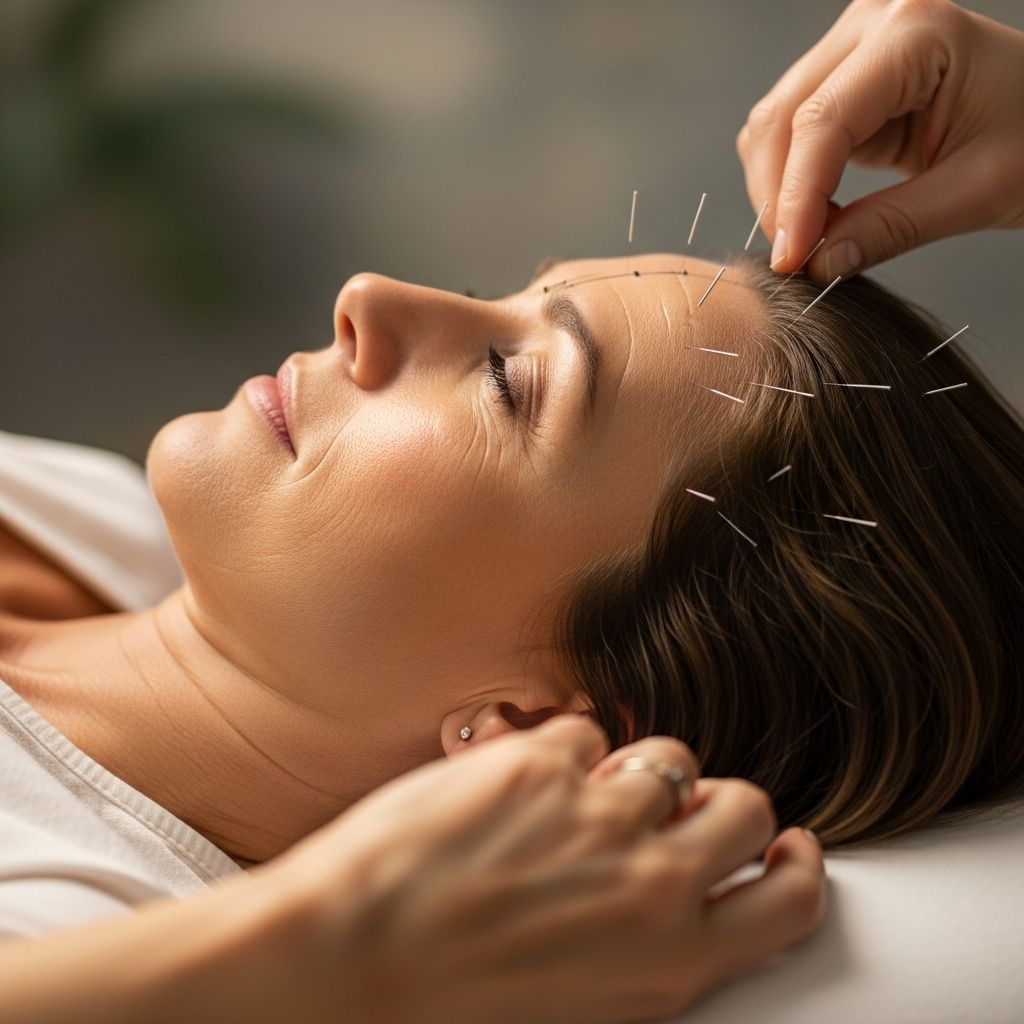
Acupuncture as Practiced in Clinical Settings May Significantly Improve Menopause-Related Symptoms
Menopause represents a significant life transition for women, often accompanied by challenging vasomotor symptoms that can substantially impact daily functioning and quality of life. Among these symptoms, hot flashes and night sweats are particularly prevalent and disruptive. While hormone replacement therapy (HRT) has traditionally been the primary treatment approach, emerging research suggests that acupuncture, when practiced in authentic clinical settings with qualified practitioners, may offer a meaningful alternative or complementary treatment option. A landmark study funded by the National Center for Complementary and Integrative Health (NCCIH) provides compelling evidence that acupuncture can significantly reduce hot flashes and other vasomotor symptoms while improving multiple quality-of-life measures in menopausal women.
The Acupuncture in Menopause (AIM) Study: Research Design and Methodology
The groundbreaking Acupuncture in Menopause (AIM) study was conducted by researchers from Wake Forest School of Medicine and Duke University School of Medicine, with results published in the peer-reviewed journal Menopause in 2016. This comprehensive research initiative represented a rigorous year-long investigation designed to evaluate the effectiveness and safety of acupuncture when compared to standard usual care for managing menopausal symptoms.
Study Population and Participant Characteristics
The research enrolled 209 women aged 45 to 60 years who met specific inclusion criteria. All participants experienced at least four vasomotor symptoms daily and had experienced amenorrhea (absence of menstruation) for a minimum of three months, confirming their menopausal status. This carefully defined population allowed researchers to focus on women with clinically significant menopausal symptoms requiring intervention.
Study Design and Protocol
The researchers implemented a pragmatic randomized controlled trial design with a distinctive crossover methodology. A pragmatic approach meant the study examined acupuncture as it would be practiced in real-world clinical settings, rather than in highly controlled laboratory conditions. The primary research objective was to compare true acupuncture to no acupuncture for both short- and medium-term clinical effects and to assess safety. Notably, the study did not include a sham acupuncture control group.
After initial assessment, participants were randomized into two groups with contrasting treatment sequences. The first group received individualized acupuncture treatments during the initial six months, followed by usual care for the subsequent six months. The control group experienced the reverse sequence: usual care for the first six months and acupuncture treatment for the second six months. This crossover design allowed researchers to observe treatment effects while serving as their own controls.
Treatment Administration
Acupuncture care in this study reflected authentic clinical practice. Treatments consisted of up to 20 sessions, with the specific number determined collaboratively by each participant and their practitioner. Licensed, experienced acupuncturists administered treatments in genuine clinical settings, incorporating key elements of traditional Chinese medicine including detailed diagnoses, comprehensive history taking, physical examinations, and individualized treatment plans tailored to each participant’s specific condition and presentation.
Study Outcomes and Measurements
Primary Outcome Measures
The primary outcome measured was the number and severity of daily vasomotor symptoms. Throughout the year-long study, all participants maintained detailed daily diaries documenting the frequency and severity of their vasomotor symptoms, providing objective measurement data on symptom changes over time.
Secondary Outcome Measures
Multiple secondary outcomes related to health-related quality of life were evaluated, including:
- Hot flash interference with daily activities and functioning
- Sleep quality and sleep disturbances
- Mood and emotional well-being
- Memory and cognitive symptoms
- Physical symptoms beyond vasomotor manifestations
- Anxiety levels
Comprehensive study assessments were conducted at multiple time points: 2, 4, 6, 9, and 12 months after group assignment. This frequent assessment schedule allowed researchers to track symptom progression and treatment effects across both the active treatment phase and the follow-up period.
Major Research Findings
Significant Reductions in Vasomotor Symptoms
The study produced striking results regarding acupuncture’s effectiveness. Acupuncture significantly reduced vasomotor symptoms by as much as 36.7 percent compared to usual care. This substantial reduction represents a clinically meaningful improvement in the frequency and severity of hot flashes and related symptoms that had been disrupting participants’ daily lives.
Improvements in Quality-of-Life Measures
Beyond symptom reduction, acupuncture demonstrated remarkable benefits across multiple quality-of-life domains:
- Reduced hot flash interference with daily activities
- Improved sleep quality and reduced sleep disturbances
- Enhanced mood and emotional well-being
- Decreased memory and cognitive symptoms
- Reduced physical discomfort and symptoms
- Decreased anxiety levels
Durability of Treatment Benefits
A particularly significant finding was the persistence of acupuncture’s benefits. All observed improvements in vasomotor symptoms and quality-of-life measures persisted for at least six months beyond the completion of acupuncture treatment. This sustained benefit indicates that acupuncture’s effects are not merely temporary or dependent on ongoing treatment, but rather produce lasting physiological and symptomatic improvements.
Treatment Dosing Insights
The research provided valuable guidance regarding optimal treatment dosing. Researchers observed that significant benefits began appearing after just three acupuncture treatments, suggesting relatively rapid clinical responsiveness. However, maximum clinical benefits were achieved following a mean of eight treatments, indicating that a moderate course of treatment produces optimal outcomes without requiring extensive prolonged treatment protocols.
Safety Profile and Adverse Effects
The safety analysis revealed that acupuncture, when administered by licensed experienced practitioners, carries a favorable safety profile. Among the 209 study participants, only three women reported adverse effects. Two participants reported mild pain during treatment, while one participant reported temporary numbness. No serious adverse events were documented, and no participants discontinued treatment due to safety concerns. This excellent safety record supports acupuncture as a viable treatment option, particularly for women who cannot tolerate or prefer to avoid hormone replacement therapy.
Important Interpretive Considerations and Study Limitations
Potential Confounding Factors
The authors appropriately acknowledged several important limitations when interpreting study results. First, it remains unclear whether some observed benefits on sleep quality and other non-vasomotor symptoms resulted directly from acupuncture treatment or secondarily from the reduction in vasomotor symptoms themselves. The relationship between primary symptom improvement and secondary quality-of-life improvements requires further investigation.
Role of Placebo and Expectancy Effects
The authors noted that because the study did not include a sham acupuncture control group, the observed benefits may be partially or entirely attributable to placebo effects, participants’ expectation of benefit, or the care and attention received from healthcare providers. Acupuncture, as an elaborate, prolonged, and somewhat invasive intervention, carries inherent potential for heightened placebo responses. However, the authors appropriately emphasized that placebo effects produce real physiological changes with measurable clinical significance.
Self-Reporting Limitations
All outcome measurements relied on self-reported symptom severity and quality-of-life assessments. While daily diaries provide valuable data, self-reporting methods have inherent limitations related to recall bias, reporting bias, and subjective interpretation of symptom severity.
Potential Confounders in Clinical Practice
As a pragmatic trial reflecting real-world clinical practice, the study could not eliminate all potential confounders. Factors such as concurrent lifestyle modifications, dietary changes, exercise patterns, stress reduction practices, or other health behaviors might have influenced outcomes independent of acupuncture treatment.
Overall Conclusions and Clinical Implications
Despite acknowledging these interpretive considerations, the researchers concluded that their results support a significant and persistent benefit of acupuncture on menopausal vasomotor symptoms and associated quality-of-life measures. The study demonstrates that acupuncture, as practiced in authentic clinical settings by qualified practitioners using traditional Chinese medicine diagnostic and treatment principles, represents a legitimate treatment approach for menopausal women experiencing vasomotor symptoms.
For women seeking alternatives to hormone replacement therapy or those for whom HRT is contraindicated, this research provides evidence-based support for considering acupuncture as a complementary or primary treatment option. The relatively rapid onset of benefits (after three treatments), optimal dosing guidance (around eight treatments), excellent safety profile, and sustained benefits extending six months beyond treatment completion make acupuncture an attractive option for many menopausal women.
Future Research Directions
The authors identified several important avenues for future research. Investigators should continue exploring the specific mechanisms through which acupuncture produces clinical benefits in menopausal women. Additionally, future studies should further investigate the role of nonspecific effects—including the care and attention provided by practitioners, participant expectations, and other factors not directly related to needle insertion—in producing the observed clinical responses. Understanding these mechanisms would help optimize treatment protocols and clarify which components of acupuncture treatment are most therapeutically important.
Frequently Asked Questions
Q: How long does it take for acupuncture to work for menopausal symptoms?
A: According to the AIM study, participants began experiencing significant benefits after just three acupuncture treatments, though maximum clinical benefits were typically achieved after approximately eight treatments.
Q: How many acupuncture treatments are needed for menopausal symptoms?
A: The study provided up to 20 treatments, but researchers found that benefits were maximized after a mean of eight treatments, suggesting that most women achieve optimal results without requiring extensive prolonged treatment courses.
Q: How long do the benefits of acupuncture last for menopause?
A: One of the study’s most significant findings was that improvements persisted for at least six months following the completion of acupuncture treatment, indicating lasting rather than temporary benefits.
Q: Is acupuncture safe for menopausal symptoms?
A: Yes, the study found acupuncture to be very safe, with only three adverse events reported among 209 participants—two cases of mild pain and one case of temporary numbness. No serious adverse effects were documented.
Q: How much can acupuncture reduce hot flashes?
A: The AIM study found that acupuncture reduced vasomotor symptoms by as much as 36.7 percent compared to usual care, representing a substantial and clinically meaningful improvement.
Q: Can acupuncture help with sleep problems from menopause?
A: Yes, the study demonstrated that acupuncture improved sleep quality and reduced sleep disturbances as secondary outcomes, along with improvements in mood, memory symptoms, and anxiety.
Q: Should acupuncture be administered by licensed practitioners?
A: The AIM study specifically used licensed, experienced acupuncturists in clinical settings who incorporated traditional Chinese medicine diagnostic principles and individualized treatment plans. This professional approach appeared essential to achieving the documented benefits.
References
- Acupuncture in Menopause (AIM) Study: A Pragmatic, Randomized Controlled Trial — Avis NE, Coeytaux RR, Isom S, et al., National Center for Complementary and Integrative Health (NCCIH), NIH. 2016-06. https://www.nccih.nih.gov/research/research-results/acupuncture-as-practiced-in-clinical-settings-may-significantly-improve-menopauserelated-symptoms
- Acupuncture: Effectiveness and Safety — National Center for Complementary and Integrative Health (NCCIH), National Institutes of Health (NIH). 2024-11. https://www.nccih.nih.gov/health/acupuncture-effectiveness-and-safety
- Acupuncture May Improve Quality of Life in Menopausal Women: A Systematic Review and Meta-Analysis — Complementary Therapies in Medicine, Karger Publishers. 2018. https://karger.com/cmr/article/25/3/183/68228/Acupuncture-May-Improve-Quality-of-Life-in
- NCCIH-Funded Research Results on Tai Chi and Acupuncture — National Center for Complementary and Integrative Health (NCCIH), NIH. 2024. https://content.govdelivery.com/accounts/USNIHNCCIH/bulletins/14acb6a
Similar Articles







Read full bio of Sneha Tete