Acupuncture: Understanding the Benefits, Uses, and What to Expect
Explore acupuncture’s healing power, history, and health benefits for a holistic approach to wellness.
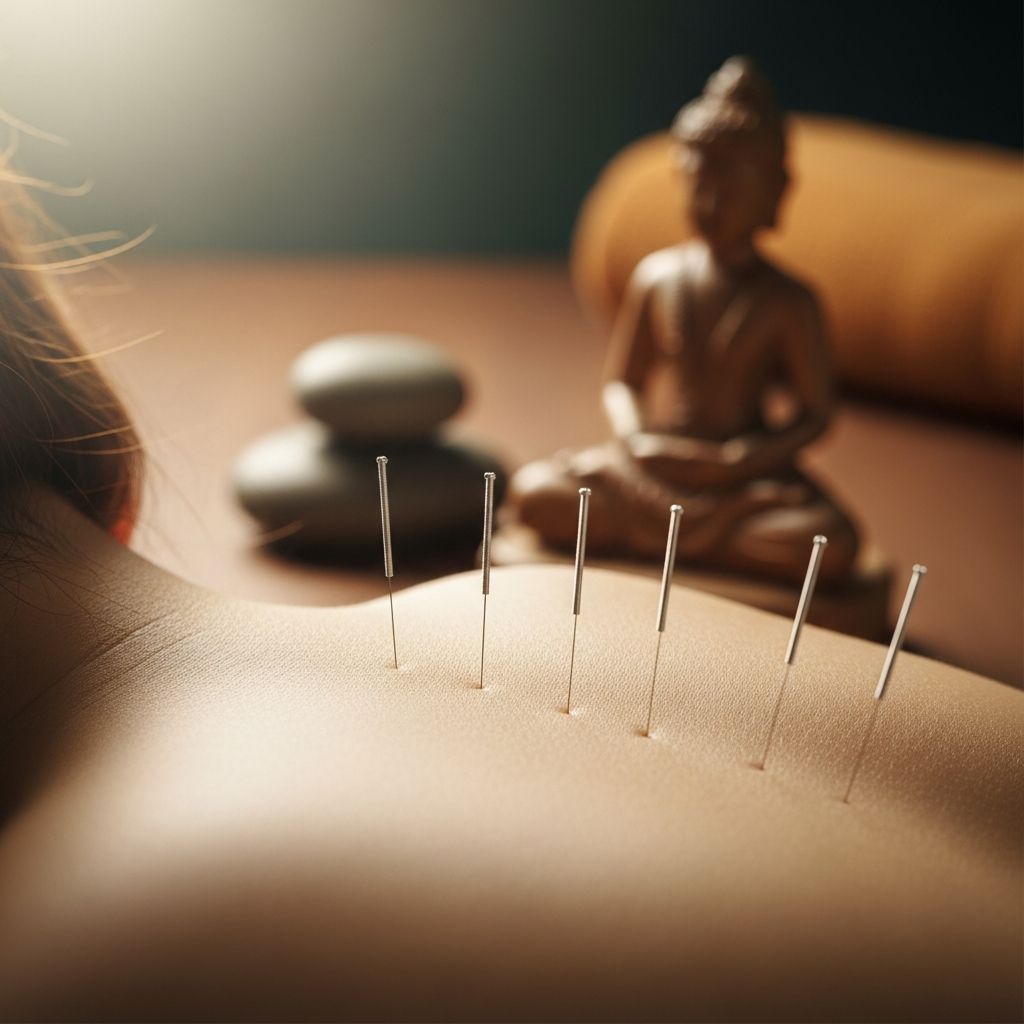
What Is Acupuncture?
Acupuncture is a form of Traditional Chinese Medicine (TCM) that has been practiced for thousands of years. It involves inserting very thin needles into specific points on the body to stimulate healing, restore balance, and promote the body’s natural energy flow, known as qi (pronounced “chi”). In TCM philosophy, health is maintained when energy flows freely through meridian pathways; blockages or imbalances can lead to disease or pain.
From a modern medical viewpoint, acupuncture stimulates the nervous system, which may trigger the release of endorphins (the body’s natural painkillers), regulate blood flow, reduce inflammation, and help balance hormone levels. This combination of traditional knowledge and physiological effects underpins the wide use of acupuncture in integrative and conventional medical settings.
How Does Acupuncture Work?
- Stimulates Specific Points: Thin needles target acupuncture points mapped along the body’s meridians.
- Nervous System Activation: This stimulation releases neurotransmitters and endorphins, reducing pain and encouraging healing.
- Implements Circulation: Enhances blood flow to tissues, facilitating repair.
- Reduces Inflammation and Muscle Tension: Helps relax muscles and decrease swelling, which can relieve chronic pain.
- Regulates Hormones: Balances hormonal activity that may be linked to stress, mood, and other health issues.
Common Health Conditions Treated with Acupuncture
People seek acupuncture for a variety of health concerns, either as a complementary therapy or as a primary treatment option. Some of the most common uses include:
- Chronic Pain: Conditions such as back pain, osteoarthritis, neck pain, and headaches.
- Migraines and Tension Headaches: Acupuncture may reduce frequency and severity.
- Stress, Anxiety, and Depression: By modulating nervous system activity and hormone balance, acupuncture can promote relaxation and emotional wellbeing.
- Digestive Disorders: Such as irritable bowel syndrome (IBS) and acid reflux.
- Sleep Disorders: Helps improve sleep quality in conditions like insomnia.
- Allergies and Respiratory Issues: May alleviate symptoms and strengthen immune response.
- Cancer-Related Symptoms: Including fatigue and nausea from treatments.
What to Expect During an Acupuncture Session
When visiting a licensed acupuncturist, the process usually begins with a detailed consultation to understand your health history and the symptoms you want to address. The acupuncturist then selects specific points to stimulate.
- Needle Insertion: Fine, sterile needles are inserted quickly and typically cause minimal discomfort—most people feel little to no pain.
- Needle Manipulation: Needles may be gently twisted, heated with moxibustion, or stimulated with electrical currents depending on the goal.
- Retention: Needles stay in place for 15 to 30 minutes during which you usually relax.
- Aftercare: Some people feel relaxed or energized, though mild soreness or bruising can occur.
Related Stories



Many patients report a sense of calm and well-being after treatments. A typical treatment course might involve multiple sessions over weeks or months depending on the condition and individual response.
Is Acupuncture Safe?
Acupuncture is generally safe when performed by trained, licensed acupuncturists using sterile needles. Risks and side effects are minimal but can include:
- Minor bleeding or bruising at needle sites
- Temporary soreness or fatigue
- Rare complications such as infections or injury can occur but are extremely uncommon with proper technique and hygiene.
To minimize risks, always seek practitioners certified by recognized professional boards and inform your healthcare provider about your acupuncture treatments, especially if you are pregnant or have a bleeding disorder.
Scientific Evidence and Research on Acupuncture
Clinical studies have investigated acupuncture’s effects on various health conditions. Research indicates that acupuncture can:
- Reduce certain types of chronic pain, such as lower back pain and osteoarthritis-related discomfort.
- Help with tension headaches and migraines by potentially regulating nervous system functions.
- Improve symptoms related to anxiety and depression, offering a complementary approach to mental health care.
- Decrease cancer-related fatigue and nausea when used alongside conventional therapies.
One notable study showed acupuncture as an effective economic alternative for some medical services and pharmaceuticals, suggesting its potential to reduce healthcare costs by substituting or complementing traditional treatments.
Limitations and Considerations
Although many patients and practitioners report benefit, acupuncture is not a cure-all. Effectiveness varies by individual, condition, and professional skill of the acupuncturist. It is often best used as part of an integrated treatment plan.
More rigorous scientific studies, especially large-scale randomized controlled trials, continue to explore acupuncture’s mechanisms and optimal applications. Some challenges include the placebo effect and subjective nature of symptoms like pain.
Integrating Acupuncture with Conventional Medicine
Increasingly, acupuncture is being integrated into standard healthcare settings such as hospitals and clinics, reflecting its growing acceptance. It is commonly offered alongside physical therapy, chiropractic care, and medication management to provide a holistic approach aiming at both symptom relief and underlying causes.
Frequently Asked Questions (FAQs)
Q: Does acupuncture hurt?
A: Most patients feel little to no pain when thin needles are inserted. Some report a mild tingling or pressure sensation.
Q: How many acupuncture sessions will I need?
A: The number of sessions varies depending on the condition, its severity, and how your body responds. A typical plan might involve weekly treatments for several weeks.
Q: Can acupuncture help with anxiety or stress?
A: Yes, acupuncture has been shown to promote relaxation, reduce stress hormones like cortisol, and improve emotional balance.
Q: Is acupuncture safe during pregnancy?
A: Acupuncture can be safe during pregnancy but should only be performed by providers experienced in prenatal care, as some points are contraindicated.
Q: Are there any side effects?
A: Side effects are usually minor and temporary, such as soreness or slight bruising at needle sites.
Q: How do I find a qualified acupuncturist?
A: Look for licensed practitioners who have graduated from accredited acupuncture programs and are certified by national or state licensing boards.
References
- Acupuncture: What You Need To Know — National Center for Complementary and Integrative Health (NCCIH). 2023-07-27. https://www.nccih.nih.gov/health/acupuncture-what-you-need-to-know
- Acupuncture for Pain Management — American Academy of Pain Medicine. 2022-08-10. https://painmed.org/patientcenter/factsheets/acupuncture/
- Effectiveness and Safety of Acupuncture for Chronic Pain — Vickers AJ, et al. JAMA. 2018;320(6):656-665. https://jamanetwork.com/journals/jama/fullarticle/2677598
- Integrative Medicine and Acupuncture — Johns Hopkins Medicine, 2024. https://www.hopkinsmedicine.org/health/wellness-and-prevention/acupuncture
Similar Articles








Read full bio of Sneha Tete