Acute Bronchitis: Comprehensive Guide To Symptoms, Treatment
Discover symptoms, causes, treatments, and prevention for acute bronchitis to recover faster and avoid complications.
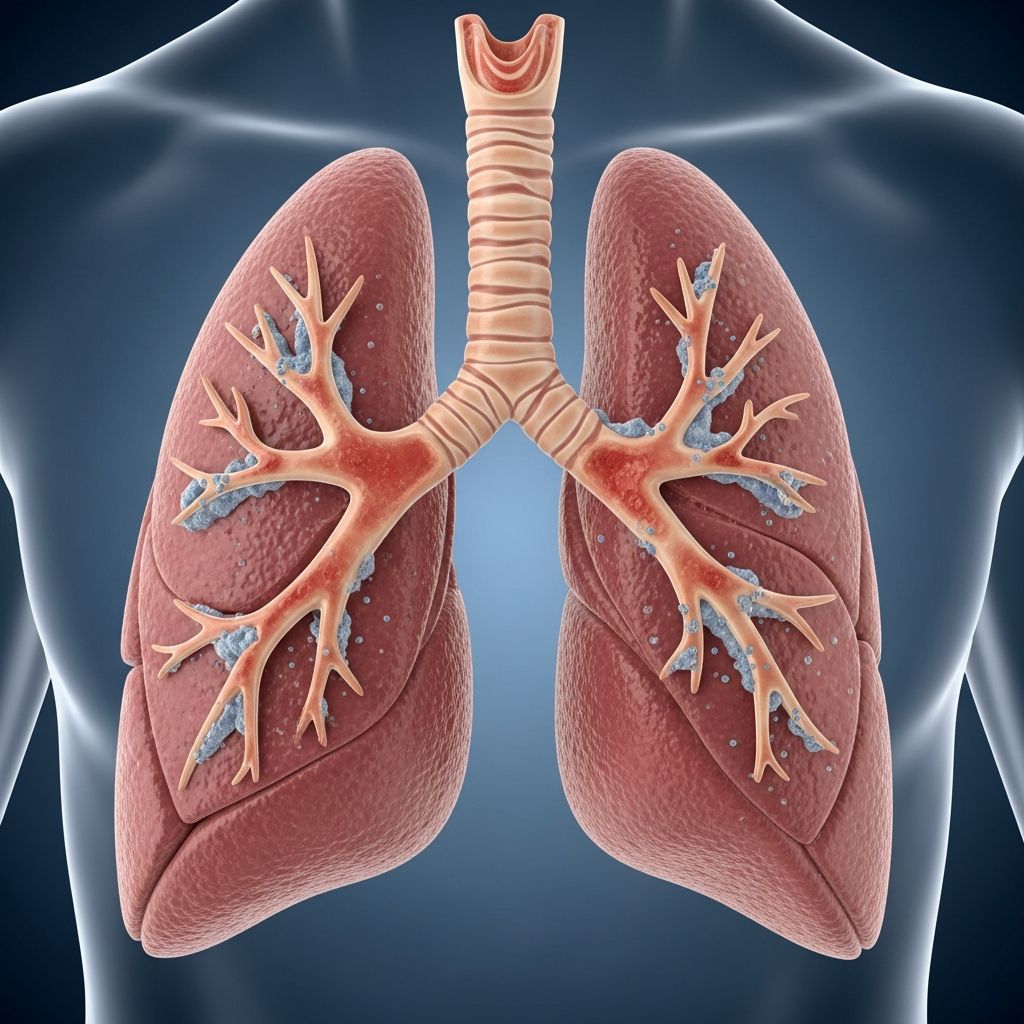
Acute bronchitis involves inflammation of the bronchial tubes, typically triggered by viral infections, resulting in a persistent cough and mucus production that usually resolves within weeks.
Understanding the Respiratory Impact
The bronchial tubes carry air to the lungs, and when inflamed, they produce excess mucus and narrow, causing discomfort during breathing. This condition differs from pneumonia, which affects deeper lung tissue, and is most common in otherwise healthy individuals.
Viruses responsible include those behind common colds and flu, spreading via droplets from coughs or contaminated surfaces. Bacterial causes are rare, occurring in under 10% of cases, mainly involving pathogens like Mycoplasma pneumoniae.
Common Triggers and Risk Factors
While viruses dominate, irritants like tobacco smoke, dust, pollution, and chemical fumes can initiate or worsen inflammation. Individuals with asthma, COPD, or weakened immunity face higher risks, as do young children and older adults.
- Viral infections: Rhinovirus, influenza, adenovirus (90-95% of cases).
- Bacterial infections: Less common; pertussis or chlamydia pneumoniae.
- Environmental factors: Smoke exposure, allergens, occupational dust.
Seasonal patterns peak during winter, aligning with respiratory virus outbreaks.
Recognizing the Signs and Symptoms
The hallmark is a cough lasting 10-20 days, initially dry then productive with clear, yellow, or green mucus. Accompanying issues include wheezing, mild fever, chest soreness, fatigue, sore throat, and shortness of breath during activity.
| Symptom | Description | Duration |
|---|---|---|
| Cough | Persistent, may produce mucus | 1-3 weeks |
| Wheezing | High-pitched breathing sound | Variable |
| Fever | Low-grade, under 101°F | 2-4 days |
| Chest discomfort | Tightness or pain from coughing | During acute phase |
Symptoms mimic colds but focus on lower airways. Yellow/green mucus doesn’t always indicate bacteria; it often reflects immune response.
Accurate Diagnosis Methods
Diagnosis relies on history and exam; chest X-rays are reserved for suspected pneumonia signs like high fever or severe shortness of breath, especially in high-risk groups.
No routine tests for viruses; pertussis suspicion prompts specific swabs. Pulse oximetry checks oxygen levels, vital for those with chronic lung issues.
Effective Treatment Strategies
Most cases self-resolve without antibiotics, as viruses don’t respond to them. Focus on symptom relief: rest, hydration (8-10 glasses daily), humidifiers, and over-the-counter aids.
- Pain relief: Acetaminophen or ibuprofen for fever, aches (avoid aspirin in kids).
- Cough suppressants: Dextromethorphan for dry cough in adults/older children.
- Expectorants: Guaifenesin to loosen mucus.
- Bronchodilators: Inhaled options for wheezing, especially with asthma.
Antibiotics only if bacterial (e.g., pertussis); antivirals for flu in high-risk within 36 hours. Steroids for severe inflammation in COPD patients.
Home Care and Lifestyle Adjustments
Steam inhalation, saline gargles, and honey (for ages 1+) soothe airways. Avoid smoke, irritants; elevate head while sleeping.
Avoid spreading: Cover coughs, wash hands, stay home until fever-free.
When to Seek Urgent Medical Help
Consult a doctor if symptoms last over 3 weeks, worsen (high fever >101°F, bloody mucus, severe dyspnea), or if you have underlying conditions.
- Shortness of breath at rest
- Cough >3 weeks
- Fever persisting >3 days
- Chest pain unrelated to cough
Preventive Measures for Respiratory Wellness
Related Stories



Vaccinations (flu, pertussis, pneumococcal) reduce risks. Quit smoking, avoid secondhand smoke/pollutants, maintain hand hygiene.
Healthy lifestyle: Balanced diet, exercise, hydration bolsters immunity against viruses.
Acute Bronchitis in Special Populations
Children
Common in kids; focus on hydration, fever control with acetaminophen (over 6 months). Watch for dehydration, breathing distress.
Older Adults
Higher pneumonia risk; monitor closely, consider oxygen if needed.
Those with Chronic Conditions
Asthma/COPD patients may need inhalers/steroids; early intervention prevents exacerbations.
Debunking Bronchitis Myths
Myth: Colored mucus means antibiotics needed. Fact: Often viral; unnecessary antibiotics promote resistance.
Myth: Cough suppressants cure bronchitis. Fact: They ease symptoms; time heals the inflammation.
Frequently Asked Questions (FAQs)
Is acute bronchitis contagious?
Yes, if viral; typically 5-10 days until cough improves.
Can I exercise with acute bronchitis?
Light activity if mild; rest if short of breath.
How long does the cough last?
Up to 3 weeks, even after infection clears.
Does bronchitis lead to pneumonia?
Rarely in healthy people; more likely in vulnerable groups.
Are antibiotics ever prescribed?
Only for confirmed bacterial cases or pertussis.
Long-Term Respiratory Health Tips
Regular check-ups for smokers or those with allergies. Air purifiers help in polluted areas. Annual flu shots are key.
References
- Acute Bronchitis – StatPearls — NCBI Bookshelf. 2023. https://www.ncbi.nlm.nih.gov/books/NBK448067/
- Acute & Chronic Bronchitis — University of Utah Health. 2023. https://healthcare.utah.edu/pulmonary/conditions/bronchitis
- Diagnosis and Treatment of Acute Bronchitis — AAFP. 2010-12-01. https://www.aafp.org/pubs/afp/issues/2010/1201/p1345.html
- Bronchitis: Causes, Symptoms, Diagnosis & Treatment — Cleveland Clinic. 2023. https://my.clevelandclinic.org/health/diseases/3993-bronchitis
- Preventing and Treating Bronchitis — CDC. 2023. https://www.cdc.gov/acute-bronchitis/media/pdfs/Bronchitis-508.pdf
- Bronchitis – Symptoms and causes — Mayo Clinic. 2023. https://www.mayoclinic.org/diseases-conditions/bronchitis/symptoms-causes/syc-20355566
Similar Articles








Read full bio of medha deb