Acute Disseminated Encephalomyelitis (ADEM)
Understanding ADEM: Causes, symptoms, diagnosis, and comprehensive treatment options.
What Is Acute Disseminated Encephalomyelitis (ADEM)?
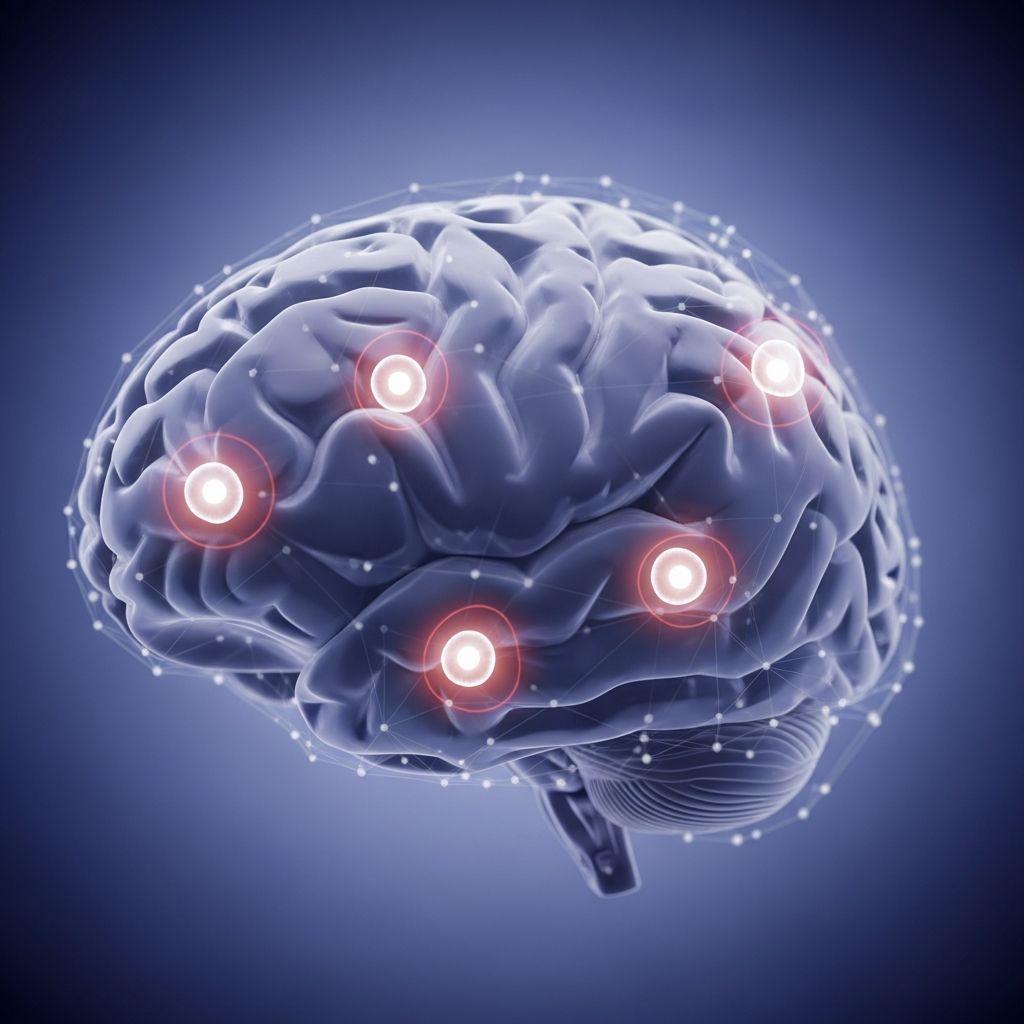
Acute Disseminated Encephalomyelitis (ADEM) is a rare inflammatory condition that affects the central nervous system, specifically targeting the brain and spinal cord. This autoimmune disorder causes inflammation and swelling in these vital areas, leading to a range of neurological symptoms that can develop rapidly over a short period. ADEM is characterized by the immune system mistakenly attacking healthy myelin, the fatty protective coating that covers nerve fibers in the brain and spinal cord. This attack on myelin disrupts the normal transmission of electrical signals between nerve cells, resulting in the diverse neurological symptoms experienced by patients.
The condition is considered rare, but it represents a significant medical concern due to its rapid onset and potentially severe consequences if not treated promptly. While ADEM can affect individuals of any age, children are statistically more likely to develop this condition than adults. Understanding the nature of ADEM is crucial for early recognition, diagnosis, and appropriate treatment to minimize long-term complications.
Causes and Triggers of ADEM
The exact cause of ADEM remains unknown, but extensive research has identified several factors that appear to trigger its development. The condition is fundamentally an autoimmune disorder, meaning the body’s immune system malfunctions and attacks its own tissues. However, specific events or conditions typically precede the onset of ADEM symptoms.
The most common trigger for ADEM is a preceding viral or bacterial infection. When a pathogenic microorganism enters the body, the immune system typically responds appropriately by generating antibodies and immune cells to eliminate the threat. However, in individuals who develop ADEM, this immune response becomes aberrant. The immune system mistakenly recognizes certain components of the central nervous system as resembling the infectious agent and launches an attack against them. This cross-reactivity phenomenon, where the immune system targets self-antigens that structurally resemble pathogenic antigens, is believed to be the primary mechanism underlying ADEM development.
Common infections that precede ADEM include respiratory infections such as colds and sore throats, as well as gastrointestinal infections characterized by symptoms like diarrhea and vomiting. Additionally, recent research suggests that certain vaccinations, though extremely rare, may occasionally trigger ADEM in susceptible individuals. However, the temporal relationship between vaccination and ADEM onset is exceptionally uncommon and should not discourage individuals from receiving recommended immunizations.
Interestingly, approximately 25% of individuals diagnosed with ADEM do not report any preceding infection or apparent triggering event, suggesting that other unknown factors may also contribute to disease development. This unpredictability underscores the complexity of ADEM pathophysiology and highlights the need for continued research into its underlying mechanisms.
Symptoms and Clinical Presentation
ADEM typically manifests with a rapid onset of symptoms that develop over hours to days, distinguishing it from many other neurological conditions that progress more gradually. The initial presentation often resembles common viral illnesses, making early differential diagnosis challenging.
Constitutional and Initial Symptoms:
Patients commonly experience initial non-specific symptoms including fever, headache, fatigue, and malaise. Gastrointestinal symptoms such as nausea and vomiting are frequently reported, particularly in patients whose ADEM was preceded by gastrointestinal infections. These early symptoms often lead patients to seek medical attention for what initially appears to be a routine viral illness.
Neurological Manifestations:
Related Stories



As ADEM progresses, more specific neurological symptoms emerge. These include confusion or altered mental status, which can range from mild cognitive changes to severe encephalopathy—a state of altered consciousness that is a required feature for formal ADEM diagnosis. Patients may experience irritability, unusual sleepiness, or behavioral changes. Motor symptoms are particularly common and may include weakness or paralysis affecting the arms and legs, numbness or tingling sensations, impaired coordination, and unsteady gait or walking difficulties.
Visual disturbances frequently occur due to optic nerve inflammation, resulting in vision changes or visual loss in one or both eyes. Seizures can occur in severe cases, particularly in pediatric patients. Bladder involvement may manifest as problems with urination or incontinence. The specific combination and severity of symptoms vary among individuals, depending on which areas of the brain and spinal cord are affected by inflammation.
Diagnosis and Diagnostic Testing
Diagnosing ADEM requires a comprehensive approach combining clinical evaluation, neuroimaging, and laboratory analysis. Because ADEM symptoms can resemble other serious conditions such as meningitis or encephalitis, prompt and accurate diagnosis is essential for appropriate treatment initiation.
Clinical Assessment:
The diagnostic process begins with a detailed medical history and physical examination. Healthcare providers will inquire about recent infections, vaccination history, symptom onset and progression, and associated risk factors. The neurological examination assesses mental status, motor and sensory function, reflexes, coordination, and cranial nerve function.
Neuroimaging:
Magnetic Resonance Imaging (MRI) is the gold standard imaging modality for ADEM diagnosis. MRI typically reveals multifocal white matter lesions scattered throughout the brain and spinal cord. These lesions appear as areas of abnormal signal intensity and represent regions of demyelination and inflammation. The pattern and distribution of lesions on MRI help distinguish ADEM from other demyelinating conditions such as multiple sclerosis.
Cerebrospinal Fluid Analysis:
Lumbar puncture with cerebrospinal fluid (CSF) analysis provides important diagnostic information. The CSF examination may reveal elevated protein levels, pleocytosis (increased white blood cells), and occasionally the presence of myelin-associated proteins. However, CSF analysis is primarily performed to exclude other conditions such as meningitis or encephalitis caused by infectious agents.
Treatment and Management Approaches
Treatment for ADEM is focused on reducing inflammation in the central nervous system and managing symptoms. Early intervention is crucial for optimizing outcomes and minimizing long-term neurological complications.
First-Line Treatment: Corticosteroids
High-dose intravenous corticosteroids represent the primary and most effective treatment for ADEM. Methylprednisolone and dexamethasone are the most commonly prescribed corticosteroid agents. The typical regimen involves intravenous corticosteroid administration once daily for three to five consecutive days, followed by a tapering course of oral corticosteroids. These medications work by suppressing the overactive immune response and reducing inflammation throughout the central nervous system.
Most patients respond favorably to corticosteroid therapy, with symptom improvement typically beginning within days. The medications effectively reduce symptom severity and accelerate recovery in the majority of affected individuals. However, corticosteroid therapy may produce temporary side effects including mood and behavioral changes, irritated stomach lining, and elevations in blood pressure or blood sugar levels. These side effects are generally reversible and diminish following treatment completion.
Secondary Treatment Options:
For patients who do not demonstrate improvement within a few days of corticosteroid therapy, alternative treatments may be considered. Intravenous immunoglobulin (IVIG) therapy involves infusions of immunoglobulins derived from healthy blood donors. IVIG works through multiple immunomodulatory mechanisms to help suppress the autoimmune response. This treatment may help in some patients, particularly those with severe disease or corticosteroid-resistant cases.
Plasmapheresis is another secondary treatment option for ADEM patients who do not respond adequately to other therapies. This procedure involves filtering the blood through a machine to remove antibodies and other immune complexes responsible for the autoimmune attack. The process separates blood cells from plasma, removes the patient’s plasma, replaces it with donor plasma, and returns the cleansed blood to the body. Plasmapheresis typically requires hospitalization and is performed every other day for 10 to 14 days. Other possible second-line immunosuppressive medications include rituximab or cyclophosphamide for particularly severe or refractory cases.
Supportive Care:
Comprehensive supportive care is essential throughout the treatment course. Patients may receive empiric treatment with intravenous acyclovir and antibiotics while meningitis or encephalitis caused by infectious agents is being excluded. Intensive care unit monitoring is often necessary for patients with severe disease to manage airway protection, mechanical ventilation if required, and close neurological monitoring. Additional supportive measures include prophylaxis against deep vein thrombosis, prevention of pressure sores, stress ulcer prevention, and symptomatic management of pain, seizures, or other complications.
Prognosis and Long-Term Outcomes
The long-term prognosis for ADEM is generally favorable, particularly with prompt and appropriate treatment initiation. Corticosteroid therapy typically helps hasten recovery from most ADEM symptoms, with most patients beginning recovery within days of treatment commencement.
Recovery trajectories vary among individuals. The majority of ADEM patients experience substantial or complete recovery within six months of disease onset. Most young people make full recoveries and return to normal neurological function. However, some patients may experience residual neurological impairment that ranges from mild to moderate in severity. Potential long-term complications may include cognitive difficulties, persistent weakness, partial or complete visual loss, numbness, or other neurological deficits. The severity and nature of any residual impairment depend on factors including disease severity, extent of brain and spinal cord involvement, timing of treatment initiation, and individual factors affecting neural recovery and plasticity.
Ongoing Research and Future Directions
Research continues to advance our understanding of ADEM pathophysiology and identify new therapeutic approaches. Scientists are investigating the mechanisms of cross-reactivity between infectious agents and central nervous system antigens, seeking to understand why only certain individuals develop ADEM following infection. Enhanced understanding of these mechanisms may eventually lead to preventive strategies or targeted immunotherapies that are more specific and produce fewer side effects than current treatments. Clinical trials are exploring novel immunosuppressive and immunomodulatory agents that may offer improved efficacy and safety profiles for patients with ADEM.
Frequently Asked Questions
Q: What is the difference between ADEM and multiple sclerosis?
A: While both are demyelinating disorders affecting the central nervous system, ADEM typically presents as a single, monophasic episode of inflammation, whereas multiple sclerosis is characterized by recurrent episodes of inflammation occurring over years. ADEM patients generally have more complete recovery, while MS typically follows a progressive or relapsing course.
Q: Can ADEM be prevented?
A: Since the exact cause remains unknown, specific prevention strategies are not available. However, prompt treatment of infections may potentially reduce risk. Vaccines should not be avoided, as the extremely rare association with ADEM is vastly outweighed by the benefits of immunization.
Q: How quickly does ADEM develop?
A: ADEM typically develops rapidly, with symptoms emerging within 7 to 14 days following a preceding infection or, less commonly, vaccination. The onset is usually acute, with symptoms worsening over hours to days rather than weeks or months.
Q: What is the recovery timeline for ADEM?
A: Most patients begin showing improvement within days of receiving corticosteroid treatment. The majority of ADEM patients experience substantial improvement within weeks and achieve significant or complete recovery within six months of disease onset.
Q: Can ADEM recur?
A: ADEM is typically monophasic, meaning it occurs as a single episode. Recurrence is uncommon, though some patients may develop multiple sclerosis subsequently. Long-term follow-up and monitoring are recommended to assess for any development of recurrent demyelinating disease.
References
- Acute Disseminated Encephalomyelitis — National Organization for Rare Disorders (NORD). 2024. https://rarediseases.org/rare-diseases/acute-disseminated-encephalomyelitis/
- Acute Disseminated Encephalomyelitis (ADEM) — Children’s Hospital of Philadelphia. 2024. https://www.chop.edu/conditions-diseases/acute-disseminated-encephalomyelitis-adem
- Acute Disseminated Encephalomyelitis — BrainFacts, National Institute of Neurological Disorders and Stroke (NINDS). 2024. https://www.brainfacts.org/diseases-and-disorders/neurological-disorders-az/diseases-a-to-z-from-ninds/acute-disseminated-encephalomyelitis
- Acute Disseminated Encephalomyelitis — StatPearls, National Center for Biotechnology Information (NCBI). 2024. https://www.ncbi.nlm.nih.gov/books/NBK430934/
- Acute Disseminated Encephalomyelitis (ADEM) — Great Ormond Street Hospital for Children NHS Trust. 2024. https://www.gosh.nhs.uk/conditions-and-treatments/conditions-we-treat/acute-disseminated-encephalomyelitis-adem/
- Acute Disseminated Encephalomyelitis — Child Neurology Foundation. 2024. https://www.childneurologyfoundation.org/disorder/acute-disseminated-encephalomyelitis/
Similar Articles








Read full bio of Sneha Tete