Acute Febrile Neutrophilic Dermatosis: 3 Triggers & Treatments
Sweet syndrome: Rare skin condition with sudden fever, tender plaques, and neutrophilic infiltrates—causes, diagnosis, and management.
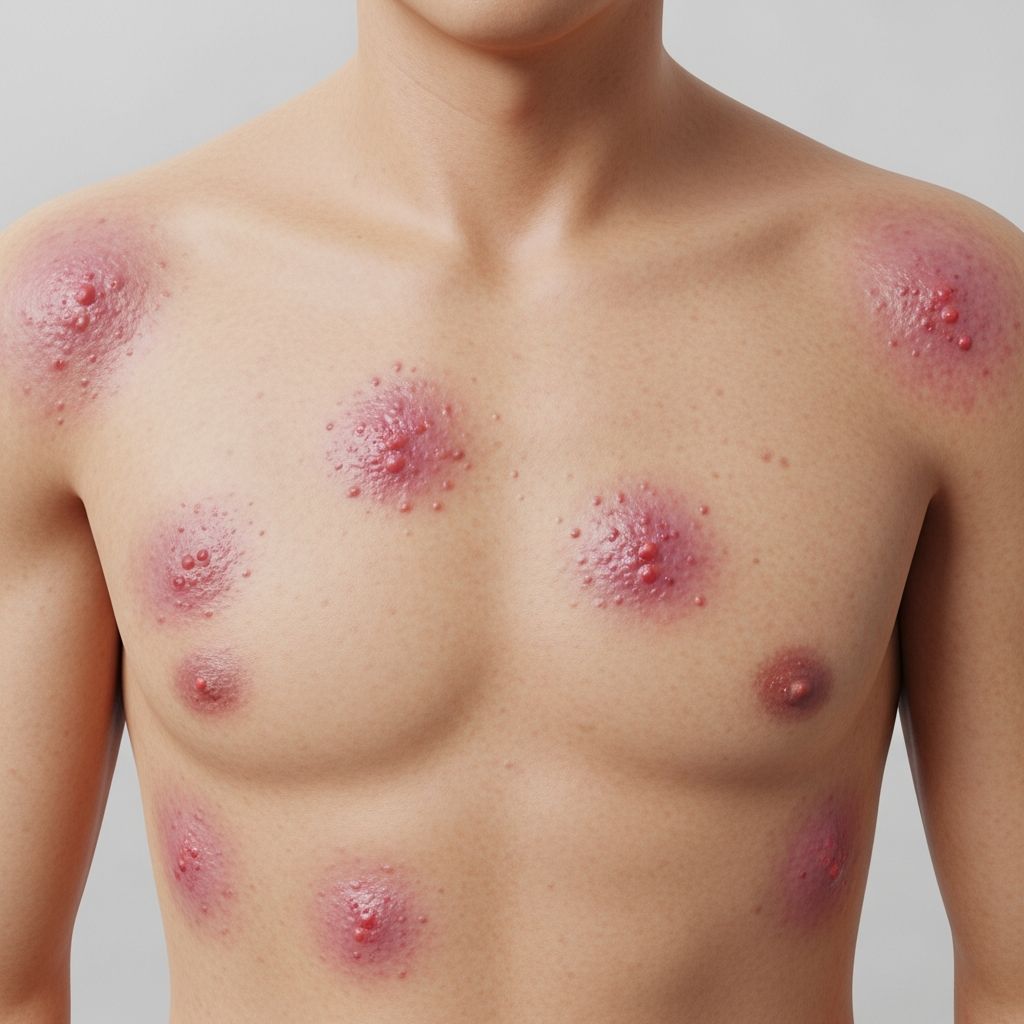
Acute febrile neutrophilic dermatosis is a rare skin condition characterised by a sudden onset of painful, inflamed skin lesions associated with fever. It is also known as Sweet syndrome, named after Dr Robert Douglas Sweet who first described it in 1964.
What is acute febrile neutrophilic dermatosis?
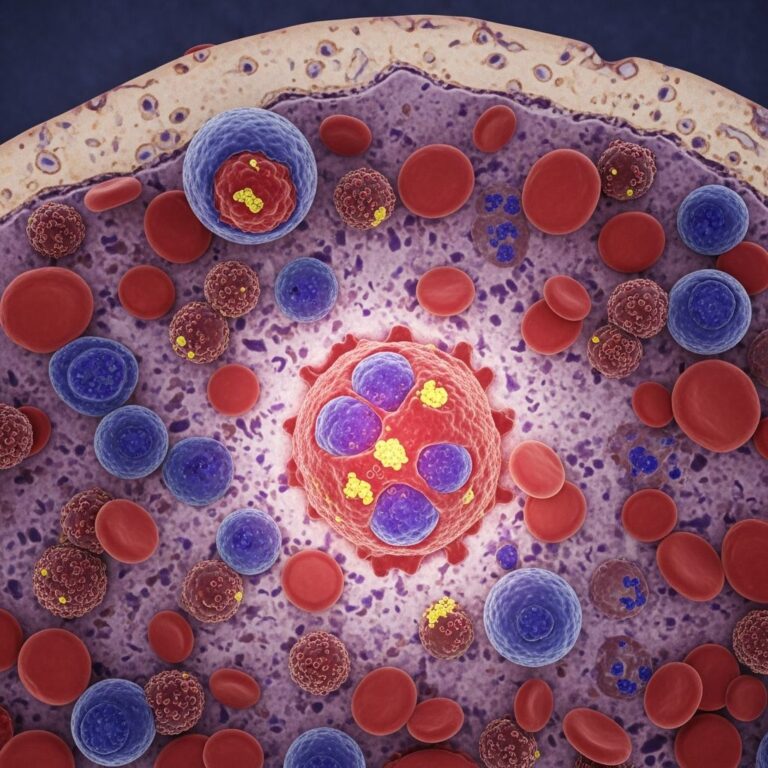
Acute febrile neutrophilic dermatosis (AFND), or Sweet syndrome, manifests as recurrent episodes of fever and skin eruptions due to dense neutrophil infiltration in the dermis. It presents in three settings: classical/idiopathic (~70-80% of cases), malignancy-associated (15-20%), and drug-induced (5-10%). Patients typically experience fever, elevated white blood cell count with neutrophilia, and tender red papules or plaques.
The condition affects adults primarily (median age 45-50 years), with a female predominance (3-4:1 ratio). It can be sporadic or recurrent, lasting days to weeks per episode.
Who gets acute febrile neutrophilic dermatosis?
Sweet syndrome occurs worldwide, more commonly in women aged 30-60 years. Risk factors include:
- Idiopathic/classical: Most common, often post-infection (e.g., upper respiratory), vaccination, or inflammatory conditions.
- Malignancy-associated: Linked to haematological cancers (AML, MDS), solid tumours; precedes or coincides with diagnosis in 20-25% of cases.
- Drug-induced: Triggered by granulocyte colony-stimulating factor (G-CSF), antibiotics, or others.
Rare genetic forms like PAAND (autosomal dominant, childhood-onset) feature recurrent episodes with myalgia and arthralgia.
Clinical features
Sweet syndrome develops abruptly over hours to days, with some or all of these features:
- Fever >38°C (80% of cases)
- Neutrophilia (>7000/mm³, 60-70%)
- Tender erythematous skin lesions (papules, nodules, plaques)
- General malaise, arthralgia (62%), myalgia
- Ocular involvement (38%): conjunctivitis, episcleritis
- Oral aphthae (13%)
Skin lesions are few to numerous, tender, and persist days to weeks. Common sites: face, neck, upper extremities (dorsum of hands). Lesions may appear in crops, preceded by fever.
Appearance of lesions
Sweet syndrome lesions vary:
- Pseudovesicular or oedematous papules/plaques (classic)
- Annular or arciform patterns
- Nodules coalescing into plaques
- Bullous or pustular variants
- Subcorneal pustular form
Rarely ulcerates, resembling pyoderma gangrenosum.
Variation in skin types
In darker skin phototypes (Fitzpatrick IV-VI), lesions appear dusky, violaceous, or hyperpigmented rather than bright red. Postinflammatory hyperpigmentation is more prominent and prolonged, lasting months. Oedema may be subtler, with emphasis on induration and tenderness.
Systemic associations
Beyond skin, Sweet syndrome links to:
- Musculoskeletal: Arthralgia/arthritis (62%), myalgia
- Ocular: Conjunctivitis, iritis (38%)
- GI/Oral: Aphthous ulcers (13%)
- Pulmonary/renal: Rare infiltrates or glomerulonephritis
- Malignancy: Especially AML (monitor closely)
Pathergy (lesions at trauma sites) occurs in <20% of adults.
Diagnosis
Diagnosis relies on clinical features + histopathology. No single test; use Su and Liu criteria (major: abrupt tender plaques + dense dermal neutrophils; minor: fever, neutrophilia, excellent steroid response).
Histology: Skin biopsy shows papillary dermal oedema and diffuse mature neutrophil infiltrate without vasculitis. Leukocytoclasia present.
Investigations:
- Full blood count (leukocytosis)
- ESR/CRP (elevated)
- Culture/biopsy to exclude infection
- Age-appropriate malignancy screen (e.g., blood film, imaging)
Differential diagnoses
| Condition | Key Distinguishers |
|---|---|
| Erythema elevatum diutinum | Chronic, lower legs, vasculitis on biopsy |
| Pyoderma gangrenosum | Ulcerative, pathergy common |
| Behçet disease | Genital/oral ulcers, uveitis |
| Infectious cellulitis | Response to antibiotics, pus |
| Drug eruption | Timing with medication |
| Bowel-associated dermatosis-arthritis syndrome | GI disease history |
Related Stories



Treatment
Treatment targets inflammation; most respond rapidly to systemic corticosteroids.
| Therapy | Dose/Notes | Indications |
|---|---|---|
| Prednisone | 0.5-1 mg/kg/day, taper over 4-6 weeks | First-line, rapid response |
| Potassium iodide | 900-1800 mg/day | Steroid-sparing, classic form |
| Colchicine | 0.6 mg BID-TID | Mild/recurrent cases |
| Dapsone | 100-150 mg/day (G6PD screen) | Neutrophilic disorders |
| Indomethacin | 25-50 mg TID | Mild systemic symptoms |
| Biologics (e.g., TNF inhibitors) | For refractory/malignancy-associated | Specialist use |
Treat underlying malignancy/infection if present. Topical steroids for mild facial lesions.
Prevention
No proven prevention. Avoid triggers (e.g., culprit drugs). Early steroids shorten episodes. Prophylactic low-dose dapsone/colchicine for frequent recurrences.
Outcome
Excellent prognosis in idiopathic cases (spontaneous resolution in weeks). Recurrent in 30-50%. Malignancy-associated has worse prognosis tied to underlying disease. Steroid response supports diagnosis.
Complications
Rare but include:
- Extensive extracutaneous involvement (lungs, spleen)
- Leukemoid reaction
- Pathergic ulcers
- Steroid side effects (osteoporosis, diabetes)
- Postinflammatory hyperpigmentation (darker skin)
Frequently asked questions
Is Sweet syndrome contagious?
No, it is a sterile neutrophilic process, not infectious.
Does Sweet syndrome always recur?
No, 50-70% have single episode; recurrences more in malignancy/drug types.
Can Sweet syndrome affect internal organs?
Yes, rarely lungs, kidneys, eyes; monitor systemic symptoms.
How quickly does treatment work?
Dramatic improvement in 24-72 hours with systemic steroids.
Is biopsy always needed?
Yes, to confirm neutrophils and exclude infection/vasculitis.
References
- Acute Febrile Neutrophilic Dermatosis — Merck Manual Professional Edition. 2023. https://www.merckmanuals.com/professional/dermatologic-disorders/hypersensitivity-and-reactive-skin-disorders/acute-febrile-neutrophilic-dermatosis
- Febrile neutrophilic dermatosis — Wikipedia (informed by primary sources). 2024-01-15. https://en.wikipedia.org/wiki/Febrile_neutrophilic_dermatosis
- Acute febrile neutrophilic dermatosis (Sweet syndrome) — DermNet NZ. 2023. https://dermnetnz.org/topics/acute-febrile-neutrophilic-dermatosis
- Neutrophilic Dermatosis, Acute Febrile — MalaCards (OMIM-integrated). 2024. https://www.malacards.org/card/neutrophilic_dermatosis_acute_febrile
- Acute febrile neutrophilic dermatosis — VisualDx. 2024. https://www.visualdx.com/visualdx/diagnosis/acute+febrile+neutrophilic+dermatosis?diagnosisId=52020&moduleId=101
Similar Articles








Read full bio of medha deb