Acute Generalised Exanthematous Pustulosis
Understanding AGEP: A severe drug-induced pustular reaction requiring immediate intervention.
Acute Generalised Exanthematous Pustulosis (AGEP)
Acute generalised exanthematous pustulosis, commonly abbreviated as AGEP, is an uncommon pustular drug eruption characterised by superficial, sterile pustules. AGEP is typically classified as a severe cutaneous adverse reaction (SCAR) to a prescribed medication, and is also known as toxic pustuloderma. This condition represents a serious dermatological emergency requiring prompt recognition and immediate intervention to prevent potential complications and systemic involvement.
Introduction and Definition
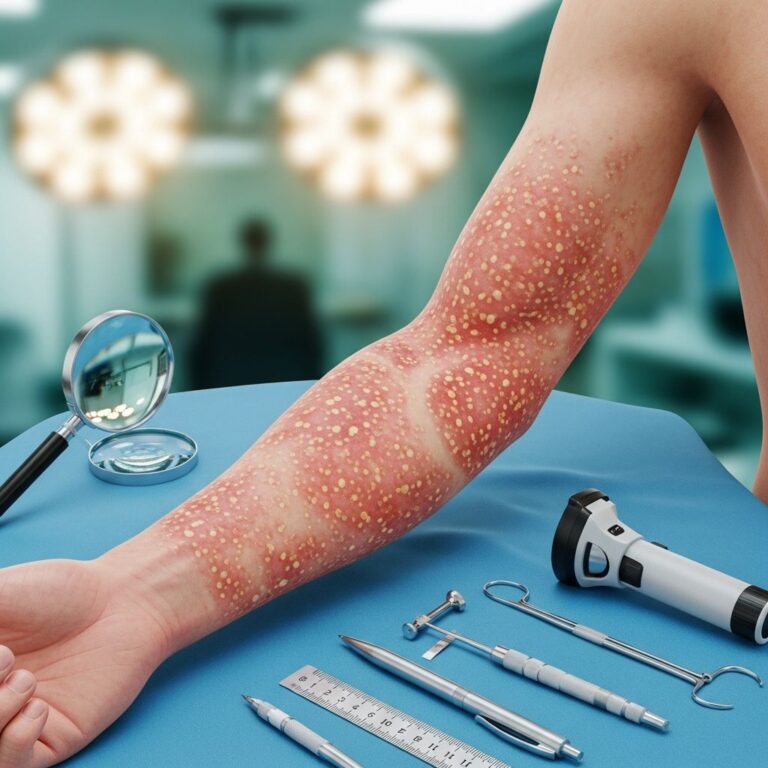
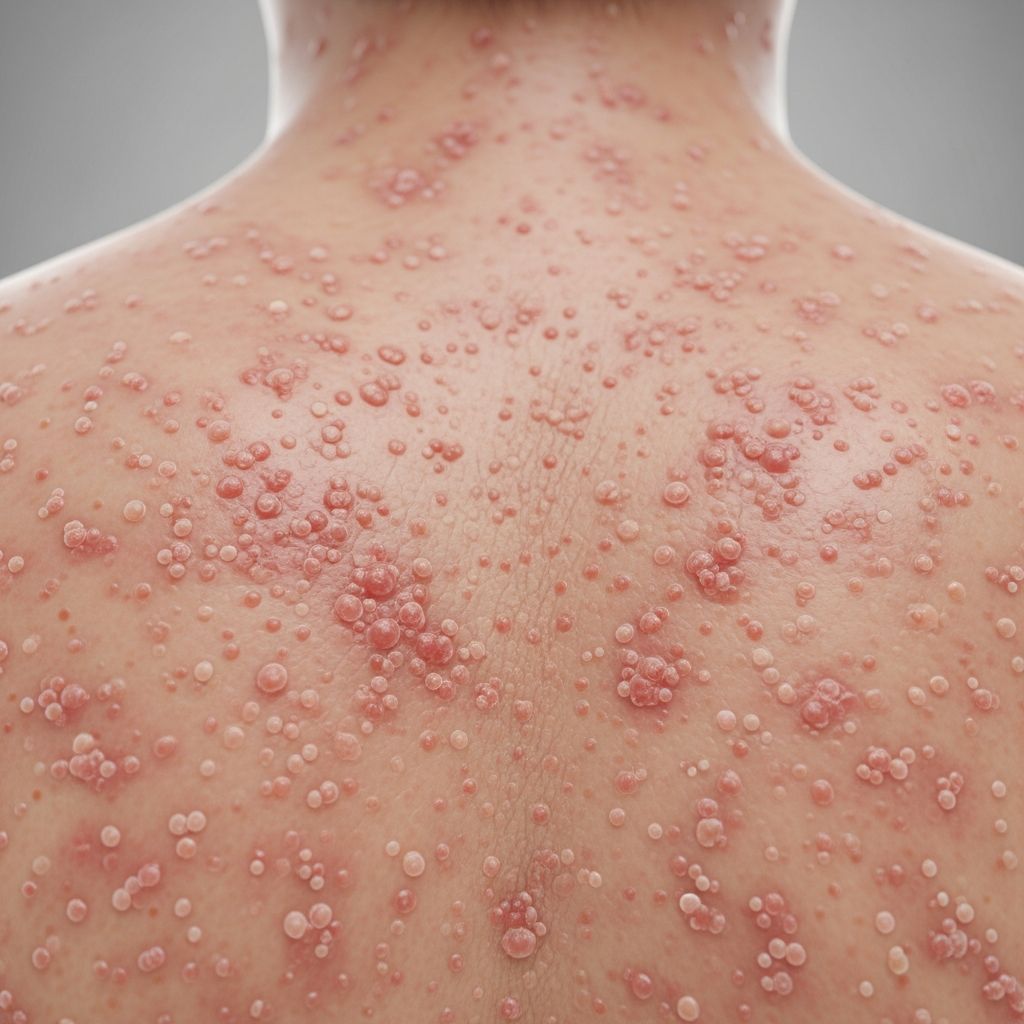
AGEP is a rare but potentially severe cutaneous adverse drug reaction that typically manifests within 24 to 48 hours after exposure to a culprit medication. The condition is characterized by the rapid development of numerous small, non-follicular, sterile pustules that arise on erythematous (red and inflamed) skin. Unlike some chronic pustular dermatoses, AGEP demonstrates a distinctive pattern of acute onset followed by rapid resolution upon discontinuation of the offending drug. The incidence of AGEP ranges from 1 to 5 cases per million individuals, making it a relatively uncommon presentation in dermatological practice, yet one that demands careful clinical attention due to its potential for serious systemic complications.
Demographics and Epidemiology
While AGEP can affect individuals across various age groups, it demonstrates no strong predilection for specific demographics. The condition occurs in both men and women with relatively equal frequency. AGEP typically emerges in patients taking medications for infections, inflammation, or other systemic conditions. The median time from medication initiation to AGEP onset is approximately 3 days, though this can range from 1 to 9 days in different patients. Understanding the epidemiological patterns of AGEP helps clinicians maintain a high index of suspicion when evaluating patients with acute pustular eruptions following medication exposure.
Causes and Triggering Factors
While AGEP is primarily a drug-induced reaction, multiple agents and triggers have been identified as potential culprits. The most common triggering factors include:
- Antimicrobial agents — representing the most frequent cause, particularly beta-lactam antibiotics, macrolides, and fluoroquinolones
- Nonsteroidal anti-inflammatory drugs (NSAIDs) — commonly implicated in AGEP presentations
- Anticonvulsants — including phenytoin and carbamazepine
- Calcium channel blockers — such as diltiazem and verapamil
- Infections — particularly viral infections like herpes simplex virus and human herpesvirus-6
- Vaccinations — documented as occasional triggers
- Other substances — including ingestion of certain foods or exposure to environmental triggers
The identification of the culprit agent is crucial for management, as cessation of exposure typically leads to rapid improvement. Recent research suggests that the rapid occurrence of AGEP following drug intake is due to massive activation of innate immunity by the culprit drug, leading to strong expression of IL-36 (an interleukin family member) in the skin, which drives neutrophil recruitment and pustule formation.
Clinical Features and Presentation
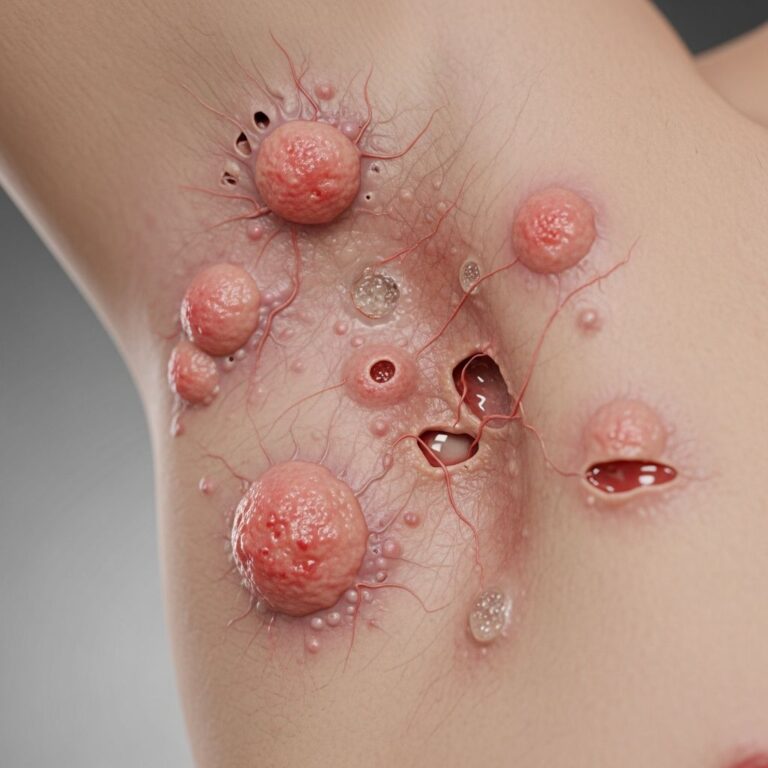
AGEP presents with distinctive clinical characteristics that aid in diagnosis. The condition is characterized by the rapid appearance of areas of red skin studded with pinhead-sized sterile pustules. Typically, AGEP initiates on the face or in intertriginous areas such as the armpits and groin before becoming more widespread. There tends to be greater disease activity in skin folds, reflecting the distribution of inflammatory mediators and immune cell infiltration.
Key clinical features include:
- Sudden onset of erythematous (red) and edematous (swollen) skin
- Multiple punctate, non-follicular, sterile pustules appearing on erythematous background
- Facial swelling, which often arises and may be prominent
- Pruritus (itching) and burning sensations of affected skin
- Fever and malaise in approximately 50% of patients
- Headache and general systemic symptoms
- Oral lesions affecting approximately 20% of patients
- Subsequent desquamation (peeling) with collarettes as the condition resolves
Related Stories



The skin manifestations are accompanied by systemic findings. Laboratory evaluation typically reveals lymphocytosis with neutrophilia, elevated inflammatory markers including erythrocyte sedimentation rate (ESR) and C-reactive protein (CRP), and hypocalcemia present in approximately 75% of cases. Eosinophilia occurs in about 30% of patients. While AGEP may be associated with fever and malaise, many patients are not particularly unwell despite the dramatic skin appearance, which can sometimes lead to delayed diagnosis.
Complications and Systemic Manifestations
Although AGEP is primarily a cutaneous condition, serious systemic complications can develop in a minority of patients. Multiorgan involvement is uncommon but when present can lead to significant morbidity and mortality. Approximately 10% of patients with AGEP experience severe reactions associated with organ dysfunction affecting various systems:
- Hepatic involvement — including cholestasis and elevated liver enzymes
- Renal complications — manifesting as nephritis or acute kidney injury
- Pulmonary involvement — including pneumonitis and respiratory compromise
- Hematologic involvement — affecting bone marrow function and blood cell production
- Secondary infections — complicating severe cases with mucosal involvement
In a large retrospective case series of 340 patients, 8.4% had acute elevation of liver enzymes, with peak elevation occurring at approximately 6 days. The mortality rate has been reported at up to 5% in some series, though more recent data suggest lower mortality rates when appropriate management is implemented. Early recognition and discontinuation of the culprit drug significantly reduce the risk of serious complications.
Diagnosis and Diagnostic Approach
The diagnosis of AGEP may be straightforward in typical cases but requires careful clinical correlation. A comprehensive diagnostic approach includes:
Clinical Assessment: Detailed medical history regarding recent medication initiation is essential. A thorough temporal relationship between drug exposure and symptom onset helps establish causation. The cutaneous reaction pattern showing rapid onset of pustules on erythematous skin within days of drug initiation is highly suggestive of AGEP.
Laboratory Evaluation: Complete blood count typically demonstrates neutrophilia and eosinophilia. Chemistry panel may reveal hypocalcemia, elevated liver enzymes, or elevated creatinine. Inflammatory markers including ESR and CRP are frequently elevated.
Skin Biopsy and Histopathology: Histological examination is considered the gold standard for diagnosis. Key histological findings include:
- Subcorneal or intraepidermal pustules
- Apoptotic (necrotic) keratinocytes within pustules
- Spongiosis of the stratum spinosum
- Infiltration by neutrophils and often eosinophils
- Absence of follicular involvement
- Preserved dermal-epidermal junction
Patch Testing: Cutaneous patch testing can help identify the culprit drug and should be performed earliest 6 weeks after complete clinical resolution. The patch test is read after 3 days, and is considered positive if the patient develops small pustules at the test site. The sensitivity of patch testing is reported at approximately 50–58%, making it a valuable but not infallible diagnostic tool.
Differential Diagnoses
Several other conditions must be considered in the differential diagnosis of AGEP:
- Generalized pustular psoriasis (GPP) — distinguished from AGEP by absence of culprit drug history and more chronic course
- Stevens-Johnson Syndrome (SJS) and Toxic Epidermal Necrolysis (TEN) — severe cases of AGEP with mucosal involvement and pustule confluence may resemble these conditions
- Other adverse drug eruptions — including exanthematous eruptions and urticaria
- Folliculitis — distinguished by follicular involvement and different morphology
- Pustular infections — including bacterial, fungal, or viral pustular infections
Treatment Approach
Management of AGEP prioritizes rapid identification and discontinuation of the culprit drug. The most important first step is to immediately cease intake of the suspected offending medication, as continuation leads to prolongation of symptoms and increased risk of complications.
Pharmacological Management:
- First-line therapy — Potent topical corticosteroids represent the initial treatment, typically applied at doses of 20–30 grams per day until the onset of desquamation. These reduce inflammation and accelerate pustular resolution.
- Systemic corticosteroids — Applied in 37.1% of cases in one large series, systemic steroids are reserved for moderate to severe presentations or cases with systemic manifestations
- Cyclosporine — Used in select cases when corticosteroids are insufficient
- Supportive care — Antipyretics manage fever, antihistamines address pruritus, and emollients support skin barrier recovery
Course and Outcome
AGEP demonstrates a characteristic and favorable clinical course when appropriately managed. The skin manifestations typically resolve within 1 to 2 weeks, with widespread superficial desquamation representing the final phase of the eruption. Histologically, the pustules are composed of sterile material, meaning no pathogenic organisms are present, which has important implications for management.
In a comprehensive study of 340 patients, the median length from initial presentation to complete pustular resolution was 8 days (interquartile range 5–12 days). Approximately 95.4% of patients with available follow-up data showed either improvement or complete resolution. The majority of patients were managed successfully with topical corticosteroids (81.5%), while systemic treatment was employed in 37.1% of cases.
Once the offending drug is discontinued and appropriate therapy initiated, most patients achieve complete resolution without long-term sequelae. However, approximately 10% of patients may experience more severe disease with systemic complications requiring closer monitoring and more aggressive intervention. Dermatological follow-up is recommended for assessment of resolution and to exclude alternative diagnoses.
Frequently Asked Questions (FAQs)
Q: How quickly does AGEP develop after starting a new medication?
A: AGEP typically appears within 24–48 hours to 5 days after medication initiation, with a median onset of 3 days. However, in some cases, the reaction can be delayed up to 9 days.
Q: Can AGEP occur from causes other than medications?
A: While medications are the primary trigger, AGEP has been documented with viral infections, vaccinations, and other rare triggers. However, drug causation remains the most common etiology.
Q: Is AGEP contagious?
A: No, AGEP is not contagious. The pustules are sterile (non-infected) and result from an adverse immune reaction to a drug or trigger, not from infectious organisms.
Q: How is AGEP distinguished from acne or other pustular conditions?
A: AGEP presents with non-follicular pustules (not centered on hair follicles) on widespread erythematous skin, acute onset following drug exposure, and characteristic histological findings on skin biopsy that differentiate it from follicular conditions like acne.
Q: What is the mortality rate associated with AGEP?
A: The mortality rate has been reported at up to 5% in some studies, primarily in cases with severe systemic complications. However, recent large case series data suggest lower mortality rates with appropriate management and rapid drug discontinuation.
Q: Can the same medication be safely reintroduced after AGEP resolves?
A: No, rechallenge with the culprit medication is contraindicated as it will likely provoke recurrence of AGEP. Alternative medications should be selected for future treatment.
References
- Acute Generalized Exanthematous Pustulosis — Karger Publishers. 2023. https://karger.com/drm/article/239/3/328/835968/Acute-Generalized-Exanthematous-Pustulosis
- Clinical Characteristics, Disease Course, and Outcomes of Patients With Acute Generalized Exanthematous Pustulosis — JAMA Dermatology. 2021. https://jamanetwork.com/journals/jamadermatology/fullarticle/2787622
- Acute Generalized Exanthematous Pustulosis: Clinical Presentation, Diagnosis, and Management — PubMed/NCBI. 2023. https://pubmed.ncbi.nlm.nih.gov/37156992/
- Acute Generalised Exanthematous Pustulosis (AGEP) — DermNet. https://dermnetnz.org/topics/acute-generalised-exanthematous-pustulosis
- Acute Generalized Exanthematous Pustulosis: European Expert Consensus — Journal of the European Academy of Dermatology and Venereology. 2023. https://onlinelibrary.wiley.com/doi/full/10.1111/jdv.20232
Similar Articles








Read full bio of medha deb